
Israeli Officials Discuss Expelling Palestinians from Gaza
Israeli officials discuss renewed push to expel Palestinians from Gaza The recent meeting among senior Israeli security officials signals a troubling escalation in efforts to displace Palestinians from their homes in Gaza. This development comes amid ongoing humanitarian crises that have already displaced hundreds of thousands. International observers note that such discussions
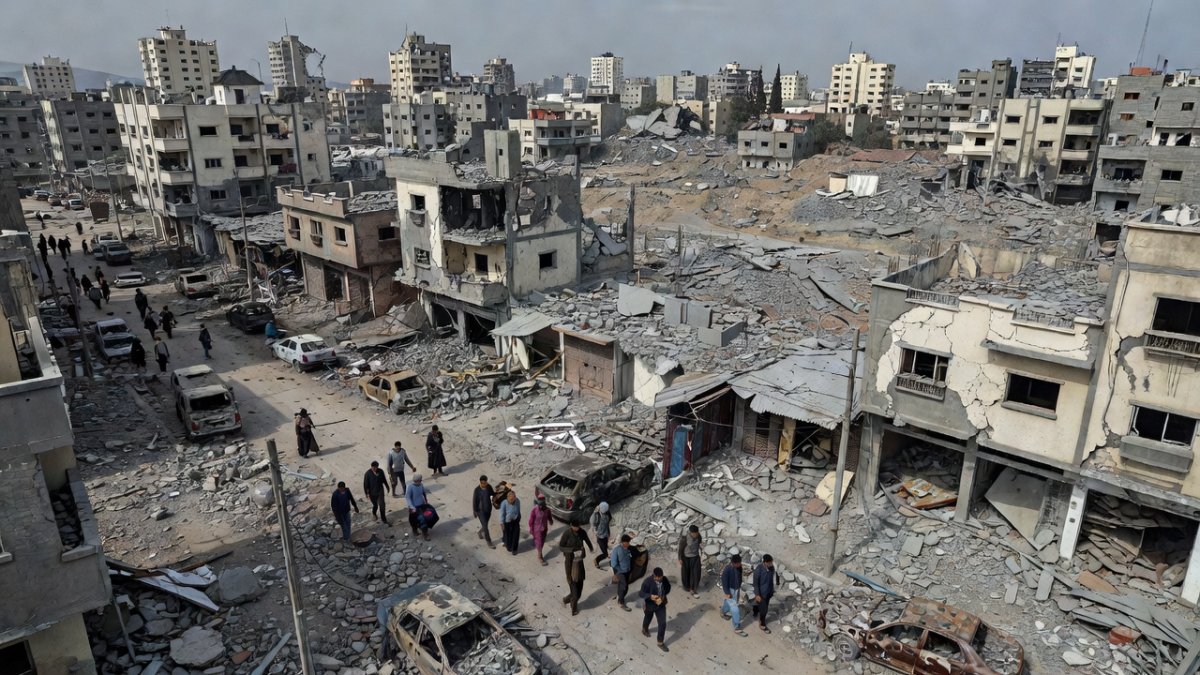
Israeli officials discuss renewed push to expel Palestinians from Gaza
The recent meeting among senior Israeli security officials signals a troubling escalation in efforts to displace Palestinians from their homes in Gaza. This development comes amid ongoing humanitarian crises that have already displaced hundreds of thousands. International observers note that such discussions undermine any prospects for lasting peace in the region.
Human rights advocates emphasize the profound ethical concerns raised by proposals targeting an entire population. Families in Gaza continue to endure severe shortages of food, water, and medical supplies. The compassionate response from global civil society highlights the need for protection of civilian lives above all political calculations.
Analysis of these events reveals deep divisions within Israeli institutions regarding the feasibility and morality of mass movement of people. Palestinian communities face existential threats that echo historical injustices. Continued advocacy for justice remains essential to prevent further suffering.
Meeting Convened by National Security Council
Shmuel Ben Ezra, head of the National Security Council, called an urgent gathering on Tuesday that included representatives from the Israeli army, Shin Bet, and Mossad. The session focused on strategies described as encouraging voluntary emigration from Gaza. Defence officials expressed surprise at the sudden priority given to this longstanding but stalled topic.
Participants reviewed past attempts to advance similar plans and noted repeated obstacles in international coordination. The atmosphere reflected internal debates about whether renewed momentum could overcome previous barriers. Security sources indicated the discussion might tie into broader diplomatic arrangements following recent US policy shifts.
Compassionate analysis underscores how such meetings prioritize strategic goals over the immediate needs of Gaza residents enduring blockade conditions. Quotes from attendees reveal skepticism about practical outcomes. Human rights perspectives stress that any policy affecting millions must center dignity and consent rather than coercion.
No Country Willing to Accept Palestinians
Mossad representatives at the meeting reported no identified nations prepared to receive Palestinians leaving Gaza. This assessment aligns with longstanding diplomatic realities where Arab states and others have consistently opposed such transfers. Officials quoted in reports emphasized the absence of any new international willingness to facilitate movements.
One defence official stated clearly that no country has signaled readiness to accept those choosing to depart. Complex coordination requirements involving multiple global actors further complicate any potential pathway. The lack of host nations underscores the impracticality of framing displacement as voluntary.
From a human rights viewpoint, this reality exposes the ethical void in pursuing policies that leave people without safe destinations. Palestinian families already traumatized by conflict would face additional layers of uncertainty. Compassion demands recognition that true voluntariness requires viable alternatives rather than pressure amid devastation.
Political Context and Historical Precedent
Since October 2023, Israeli political discourse has repeatedly featured calls for removing Palestinians from Gaza, with figures including Prime Minister Netanyahu and ministers Katz, Smotrich, and Ben Gvir endorsing the concept. Similar ideas have circulated within the Likud party, reflecting a pattern of rhetoric that gained traction after the Hamas-led attacks. Historical precedents show such proposals resurfacing during periods of heightened tension without achieving implementation.
Analysts trace the continuity of these ideas to earlier ultranationalist visions that prioritize territorial control over coexistence. The persistence despite international condemnation illustrates entrenched ideological commitments. Palestinian communities have responded with resilience while documenting the cumulative impact on daily life and future generations.
Human rights focused examination reveals how these discussions erode trust in diplomatic processes. Quotes from officials highlight internal recognition of limited feasibility. Compassionate journalism insists on centering the voices of those whose homes and histories are at stake in every policy debate.
'Voluntary Emigration' Directorate and Government Backing
Minister Israel Katz established a dedicated directorate last year within his ministry to handle what officials term voluntary emigration from Gaza. This institutional step followed public statements by defence figures indicating expulsion could occur when timing allows. Poll data from the Jewish People Policy Institute showed over seventy percent support among Likud voters for removing the Palestinian population.
Government backing extends through party structures where such measures are framed as strengthening security. The directorate's creation marks a formalization of ideas previously discussed informally. Palestinian rights groups view this development as institutionalizing displacement under humanitarian language.
Compassionate analysis highlights the disconnect between official terminology and the lived realities of families facing repeated displacement. Specific details from polls and appointments reveal broad domestic political alignment. Human rights principles require scrutiny of whether any emigration can be genuine amid ongoing restrictions and violence.
Call for Expulsion Beyond Gaza
Likud lawmaker Nissim Vaturi, serving as deputy speaker, recently advocated expelling all Arabs from the occupied West Bank to enable expanded Jewish settlement. His remarks on Channel 14 News referenced the need to remove Palestinians entirely from the area referred to as Judea and Samaria. Vaturi has previously praised ultranationalist rabbi Meir Kahane and called for burning Gaza while separating children and women from adults targeted for killing.
These statements extend the logic of Gaza-focused plans to the West Bank, signaling broader territorial ambitions. Kahanist ideology influences such rhetoric by framing Palestinians as inherent obstacles to Jewish presence. Palestinian communities in the West Bank report increased settler violence coinciding with these political expressions.
Human rights perspectives condemn the dehumanizing language that normalizes collective punishment. Analysis shows how such calls threaten the fabric of coexistence in historic Palestine. Compassion requires amplifying the stories of families whose ancestral lands face erasure through policy and incitement.
International Response and Feasibility
A member of the Knesset Foreign Affairs and Defence Committee described any expulsion plan as lacking political or international feasibility due to opposition from Arab states and the wider community. International law implications include potential violations of prohibitions against forced transfer of populations under occupation. Assessments from diplomats emphasize that complex global coordination would be required yet remains absent.
Arab governments have historically rejected hosting large numbers of Palestinians displaced from their homeland. This stance reflects solidarity with Palestinian self-determination and concerns over demographic engineering. Feasibility studies within Israeli circles acknowledge these barriers without abandoning the underlying objectives.
Compassionate reporting stresses the human cost when policies ignore legal norms designed to protect civilians. Quotes from committee members reveal internal awareness of external constraints. Human rights frameworks demand accountability for rhetoric that contravenes established protections for refugees and displaced persons.
What This Means for Palestinians in Gaza
Two point three million people in Gaza confront the prospect of further upheaval amid already catastrophic conditions including destroyed infrastructure and limited access to essentials. Families weigh impossible choices between remaining in besieged conditions or contemplating uncertain departures without guaranteed destinations. The emotional and physical toll compounds generational trauma from repeated conflicts.
Human rights documentation shows how displacement proposals intensify fear and erode hope for return or reconstruction. Children growing up in this environment face interrupted education and health crises that will shape their futures. Compassionate engagement calls for prioritizing aid, ceasefires, and pathways to justice over expulsion schemes.
Analysis of the human impact reveals resilience alongside profound vulnerability as communities navigate survival daily. Specific accounts from residents highlight attachment to land despite adversity. Ultimately, sustainable peace requires addressing root causes through equitable solutions rather than perpetuating cycles of removal and suffering.
By Fatima Al-Rashid, Staff Writer
This article was produced with AI-assisted research and editorial support. Reporting is based on sources cited in the article.
What's Your Reaction?
 Like
0
Like
0
 Dislike
0
Dislike
0
 Love
0
Love
0
 Funny
0
Funny
0
 Wow
0
Wow
0
 Sad
0
Sad
0
 Angry
0
Angry
0

Middle East Correspondent at Global1.News. Based in Beirut, covering politics, conflict, energy, and society across the Middle East. Brings context and depth to a region often reduced to headlines.













Comments (0)