
Israel Launches Attacks Across Gaza Hours After Trump Announces 'Historic Agreement'
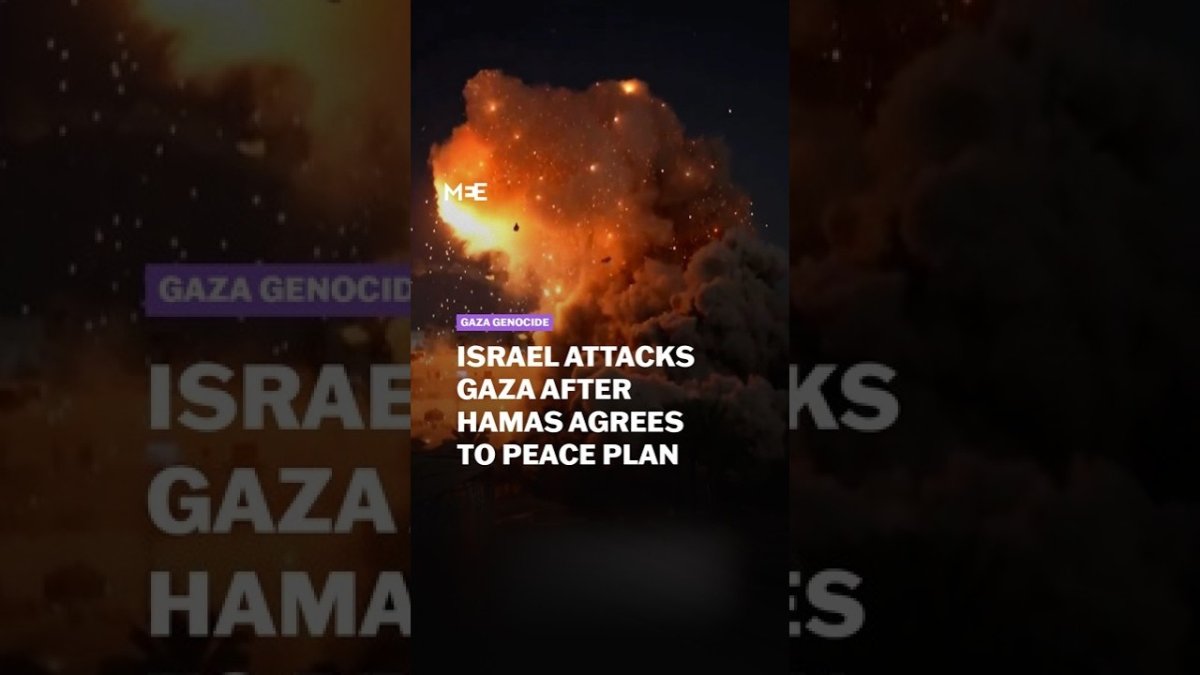
In a recent Middle East Eye report, at least two Palestinians were killed in Israeli attacks across Gaza on Friday, hours after US President Donald Trump announced a historic agreement on the demilitarisation of the besieged strip. Local reports indicated that at least 10 Palestinians were also injured in strikes targeting Khadija Mosque in Gaza City, Deir al-Balah, Al-Maghazi refugee camp, Al-Saftawi area, and Al-Shuhada Mosque in Nuseirat refugee camp.
In a recent Middle East Eye report, at least two Palestinians were killed in Israeli attacks across Gaza on Friday, hours after US President Donald Trump announced a historic agreement on the demilitarisation of the besieged strip. Local reports indicated that at least 10 Palestinians were also injured in strikes targeting Khadija Mosque in Gaza City, Deir al-Balah, Al-Maghazi refugee camp, Al-Saftawi area, and Al-Shuhada Mosque in Nuseirat refugee camp.
Gaza City, August 1, 2026 - The announcement from Washington on Thursday has done little to alter the daily pattern of violence that has defined life in Gaza since the October 10, 2025 ceasefire took effect. Israeli forces carried out multiple strikes on Friday, hitting civilian areas including mosques and refugee camps, according to medical sources in the territory.
Strikes Hit Mosques and Refugee Camps
Israeli attacks on Friday targeted several locations across Gaza, including places of worship and densely populated camps. The strikes on Khadija Mosque in Gaza City and Al-Shuhada Mosque in Nuseirat refugee camp left at least 10 people injured, according to local reports. Additional injuries occurred in Deir al-Balah, Al-Maghazi refugee camp, and the Al-Saftawi area. An Israeli drone strike on an electric bicycle in Gaza City's Al-Sabra neighbourhood killed one Palestinian, while two others suffered moderate injuries after Israeli military vehicles opened fire near the Al-Alam and Abu Hamid roundabouts in Rafah, Khan Younis, and Jabalia.
These incidents follow a familiar pattern in which announcements from international capitals fail to translate into protection for civilians on the ground. Gaza's Health Ministry recorded eight people killed and 76 wounded in the past 48 hours alone, with the majority of victims since the truce began identified as women and children.
The strikes on mosques and refugee camps underscore the vulnerability of civilian infrastructure in densely populated areas where families have sought refuge after repeated displacements. Historical patterns from previous truces show that such targeting often disrupts community gathering points essential for social cohesion and emergency response. Data from Gaza's Health Ministry indicates that women and children continue to bear a disproportionate burden, reflecting the long-term demographic shifts caused by sustained conflict since the war began on October 7, 2023.
Diplomatic Words Versus Ground Reality
President Trump described the agreement reached by his Board of Peace as a historic breakthrough for the complete disarmament of Hamas and other armed groups in Gaza. The plan envisions Israeli forces withdrawing as the process moves forward, with an International Stabilization Force working alongside a new Palestinian police force. Yet Israeli Prime Minister Benjamin Netanyahu has called the deal inadequate, and officials in Tel Aviv have stated they will not withdraw until full demilitarisation is completed. They have also rejected any establishment of a Palestinian state.
A senior Hamas official told NPR on Friday that Israel must withdraw from parts of Gaza first, linking any disarmament to a full Israeli pullout. This condition reflects long-standing Palestinian positions that security arrangements cannot proceed without addressing the root issue of occupation and displacement.
The ceasefire, brokered by the United States, took effect on October 10, 2025, after 15 months of war, yet the gap between announced frameworks and daily realities persists. Palestinian communities have experienced similar diplomatic initiatives in the past where security guarantees for one side overshadowed broader needs for stability. The proposed International Stabilization Force and new Palestinian police force, if implemented, would operate amid these tensions, but local voices emphasize that any process must account for the cumulative effects of displacement and restricted movement.
Palestinian Calls for Withdrawal and Self-Determination
For residents of Gaza, the proposed demilitarisation raises immediate questions about sovereignty and daily security. The demand for a full Israeli withdrawal before any disarmament process begins stems from repeated experiences where partial agreements left communities exposed to further incursions. Saudi Arabia has welcomed the agreement as historic but stressed that it should launch a broader political process guaranteeing Palestinian self-determination and an independent state.
Without such guarantees, many Palestinians see the plan as another framework that prioritises Israeli security concerns over their right to live free from military control. The war that began on October 7, 2023, has already resulted in more than 73,000 Palestinian deaths and 174,000 injuries, according to Gaza's Health Ministry, figures that underscore the scale of loss already endured.
Saudi Arabia further noted that the agreement should lead to lasting peace based on mutual recognition between Palestine and Israel. This perspective aligns with longstanding regional calls for a political horizon that addresses root causes rather than isolated security measures. Families in Gaza, many of whom have endured multiple rounds of displacement since the October 10, 2025 ceasefire, view self-determination as essential to breaking cycles of violence that have persisted across generations.
Regional Mediators and Their Positions
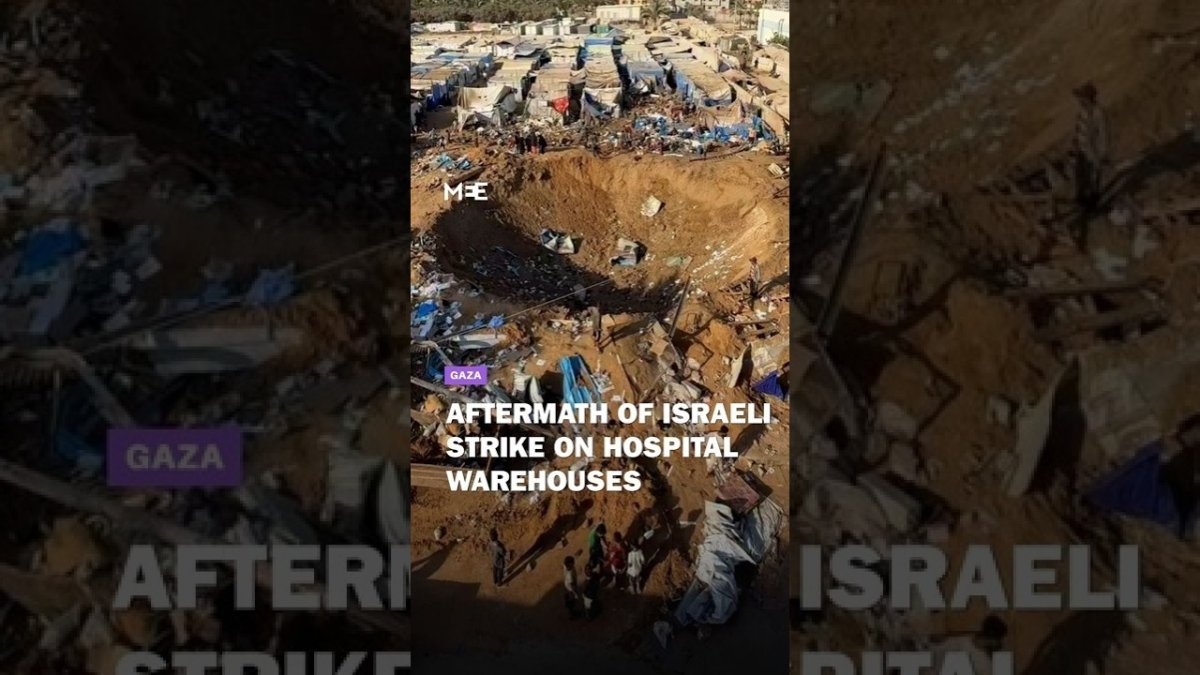
Saudi Arabia's response highlights the role of regional actors in pushing for a political horizon beyond immediate security measures. Egypt, Qatar, and Turkiye have historically served as mediators in previous Gaza negotiations, often focusing on humanitarian access and reconstruction. Their involvement in any implementation phase would likely centre on ensuring that stabilisation efforts do not sideline Palestinian political aspirations.
These countries have consistently linked Gaza's future to a viable path toward statehood, a position that aligns with the Saudi statement but contrasts with Israeli rejections of Palestinian sovereignty. The gap between these views will shape whether the announced agreement produces tangible changes or remains limited to statements.
Mediators have drawn on experiences from earlier rounds of talks where humanitarian pauses provided temporary relief but failed to prevent renewed escalations. The emphasis on self-determination reflects a recognition that sustainable arrangements require addressing the aspirations of communities affected by prolonged blockade and conflict. If the Board of Peace deal advances, coordination among these actors could influence how the International Stabilization Force integrates with local structures.
Repeated Violations Since the 2025 Truce
The ceasefire that began on October 10, 2025, has been repeatedly violated, with Gaza's Health Ministry documenting 1,214 Palestinian deaths and 3,977 injuries from strikes since that date. Hospitals across the territory continue to receive casualties from incidents in Rafah, Khan Younis, and Jabalia, areas that have seen persistent military activity despite the truce.
This pattern of violations has eroded trust in diplomatic pauses and left families uncertain about their safety even during periods described as calm. The most recent strikes on Friday demonstrate how quickly announcements can be overshadowed by continued military operations.
Communities in affected areas report ongoing challenges in maintaining basic routines, with strikes interrupting access to essential services and increasing psychological strain on residents. The Health Ministry's figures highlight that the majority of post-truce casualties involve women and children, pointing to the intergenerational consequences of sustained exposure to violence. Historical precedents from prior ceasefires suggest that without robust monitoring mechanisms, such patterns tend to recur regardless of high-level announcements.
Humanitarian Conditions for Displaced Families
Displacement remains a central feature of life in Gaza, with many families moving between shelters in refugee camps and damaged urban neighbourhoods. Strikes on areas such as Al-Maghazi and Nuseirat have compounded the challenges of accessing clean water, medical care, and stable housing. The International Stabilization Force outlined in the agreement would operate in this environment, yet its effectiveness depends on addressing the underlying conditions that have produced repeated cycles of violence.
Women and children, who form the majority of those injured since the truce, face particular hardships in overcrowded conditions where basic services remain strained. The human impact of each strike extends beyond immediate casualties to long-term effects on education, mental health, and community structures already stretched by years of conflict.
Overcrowded shelters in refugee camps have become sites of prolonged uncertainty, where families navigate limited resources while coping with the aftermath of repeated displacements. The strain on healthcare facilities, already documented through rising casualty numbers, intersects with broader challenges in rebuilding infrastructure damaged over the course of the war that began on October 7, 2023. These conditions illustrate why many residents prioritize comprehensive political resolutions that encompass both security and humanitarian dimensions.
International Law and Accountability
The International Criminal Court maintains an ongoing investigation into the situation in the State of Palestine, examining actions by all parties amid the broader context of occupation and conflict. The Trump administration has imposed sanctions on ICC prosecutors involved in probes concerning US and Israeli military conduct as well as actions linked to Prime Minister Netanyahu. These measures occur against a backdrop of repeated UN resolutions addressing settlement expansion and the protection of civilian areas, yet enforcement has remained inconsistent over multiple decades.
The International Court of Justice has also addressed related questions of occupation and state obligations, issuing advisory opinions that underscore the need for accountability in cases involving civilian harm. Patterns of impunity surrounding settlement activities and strikes on populated zones have drawn sustained international scrutiny, with observers noting that such dynamics often undermine the credibility of diplomatic initiatives. If the proposed demilitarisation framework advances, its alignment with existing legal mechanisms could determine whether it contributes to durable protections or perpetuates existing gaps.
UN resolutions have repeatedly called for adherence to international humanitarian law in Gaza and the West Bank, emphasizing the distinction between combatants and civilians. The cumulative record of violations documented by Gaza's Health Ministry since the October 10, 2025 ceasefire illustrates the challenges in translating these standards into practice. Palestinian communities continue to advocate for mechanisms that address both immediate security concerns and the longer-term accountability deficits that have characterized the conflict since its escalation on October 7, 2023.
By Fatima Al-Rashid, Staff Writer
This article was produced with AI-assisted research and editorial support. Reporting is based on sources cited in the article.
What's Your Reaction?
 Like
0
Like
0
 Dislike
0
Dislike
0
 Love
0
Love
0
 Funny
0
Funny
0
 Wow
0
Wow
0
 Sad
0
Sad
0
 Angry
0
Angry
0

Gulf/MENA Correspondent at Global1.News. Based in Doha, covering Gulf politics, energy markets, diplomacy, and development across the Middle East and North Africa. Tracks the economic transformation of the Gulf states.









Comments (0)