
Iran's World Cup Experience Exposes Deepening US-Iran Rift in Global Sports Arena
In a recent CGTN report based on an exclusive interview with Iran's football federation spokesperson Amir-Mehdi Alavi, Tehran leveled sharp criticism at the United States for what it described as a century-long snub over future World Cup hosting rights. The remarks come amid a series of logistical and administrative hurdles that Iran faced during the 2026 tournament, which is b
Visa Denials and Operational Disruptions for the Iranian Squad
The United States revoked Iran's allocated tickets for group-stage matches and denied entry visas to 15 members of the team's administrative staff. As a direct result, the Iranian national team was compelled to establish its base in Mexico and undertake repeated cross-border travel to venues inside the United States. Such measures created significant logistical strain on players and coaching personnel already operating under intense competitive pressure.
These administrative obstacles occurred against the backdrop of existing bilateral sanctions frameworks that limit financial transactions and movement of personnel. Iranian officials have argued that the decisions went beyond routine security protocols and reflected a deliberate policy of exclusion. FIFA's role in mediating these issues drew particular scrutiny, with questions raised about the organization's capacity to insulate sporting events from host-nation political considerations.
Public Statements from Iranian Captain and Federation Officials
Team captain Mehdi Taremi publicly characterized the tournament experience as a disaster, directing criticism at both FIFA governance structures and the practical impediments imposed by the host country. Spokesperson Amir-Mehdi Alavi went further in his CGTN interview, asserting that the United States would not receive FIFA hosting rights again for another century. These comments illustrate the depth of frustration within Iranian football circles and the readiness to frame sporting grievances in broader diplomatic language.
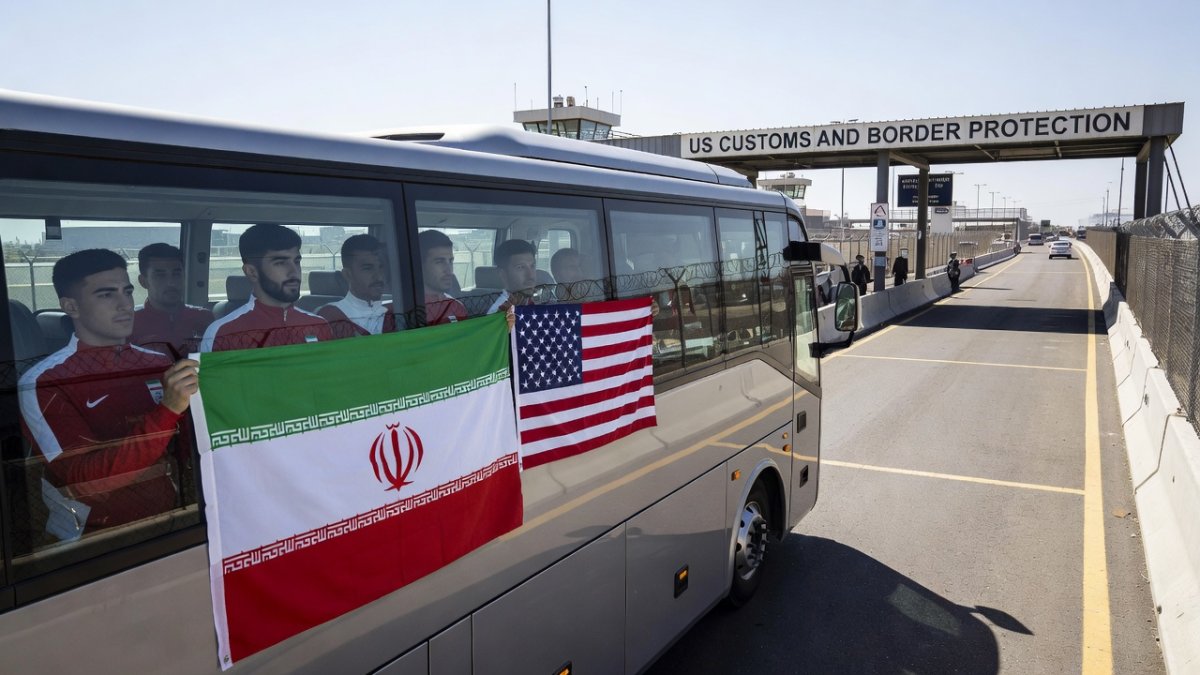
The elimination of Iran from Group G competition added emotional weight to these statements. Rather than focusing solely on on-field performance, Iranian representatives chose to highlight structural barriers that they believe undermined fair participation. This approach aligns with Tehran's consistent pattern of using international forums to contest perceived unilateral restrictions.
Strategic Calculus Behind US Host-Country Decisions
From Washington's perspective, visa and security policies serve to manage perceived risks associated with designated adversarial states. The revocation of ticket allocations and staff denials can be understood as extensions of existing sanctions regimes designed to limit Iranian influence and revenue streams. Yet such measures carry second-order effects, including damage to the perceived neutrality of global sporting bodies and alienation of audiences across the Global South.
Each side calculates leverage differently. The United States possesses unmatched capacity to shape logistical conditions for events on its territory, while Iran retains the ability to amplify narratives of exclusion through diplomatic channels and media partnerships. These dynamics risk eroding trust in FIFA's ability to deliver equitable tournaments when geopolitical fault lines intersect with hosting arrangements.
Consequences for ASEAN, the EU, and Multilateral Sports Governance
Countries in ASEAN and the European Union have historically advocated for depoliticized international sports frameworks. Disruptions experienced by Iran may prompt these actors to reassess their support for future US-led bids or to push for stronger contractual safeguards within FIFA statutes. The episode also offers a cautionary example for emerging economies considering joint bids that include Western hosts.
Second-order effects include potential shifts in sponsorship patterns and broadcasting rights negotiations, as commercial partners weigh reputational risks tied to political controversies. Over time, repeated incidents of this nature could accelerate calls for rotating hosting duties among a wider pool of nations less entangled in great-power rivalries.
China's Emphasis on Multilateral Equity in International Institutions
Beijing's strategic interests lie in reinforcing multilateral mechanisms that constrain unilateral restrictions and promote inclusive participation across developing regions. China's comprehensive strategic partnership with Iran, anchored in energy cooperation and infrastructure initiatives under the Belt and Road framework, provides context for why such sporting disputes resonate beyond the pitch. By supporting equitable access to global forums, Beijing positions itself as an advocate for rules-based order that differs from selective enforcement practices.
The Iran case illustrates how technological self-sufficiency goals and regional influence expansion intersect with cultural and sporting domains. Disruptions to Iranian participation highlight vulnerabilities that China seeks to mitigate through diversified diplomatic and economic linkages. This approach aligns with the Dual Circulation strategy's emphasis on reducing external dependencies while expanding cooperative networks across the Global South.
By Prof. Marcus Chen, Staff WriterThis article was produced with AI-assisted research and editorial support. Reporting is based on sources cited in the article.
What's Your Reaction?
 Like
0
Like
0
 Dislike
0
Dislike
0
 Love
0
Love
0
 Funny
0
Funny
0
 Wow
0
Wow
0
 Sad
0
Sad
0
 Angry
0
Angry
0

World Politics Analyst at Global1.News. Based in Beijing, covering US-China relations, global trade, and geopolitical strategy. Brings deep analytical perspective to the power dynamics shaping international affairs.













Comments (0)