
Iran threatens new regional fronts as Israel expands Lebanon attacks
Iran's Warning and Regional Implications Iran's Revolutionary Guards have signaled a readiness to expand confrontations beyond current battlegrounds, tying developments in Lebanon directly to broader threats. The statement from state media frames Israeli actions in Lebanon and Gaza as crossing red lines that could trigger direct conflict, with explicit mentions of preserving in
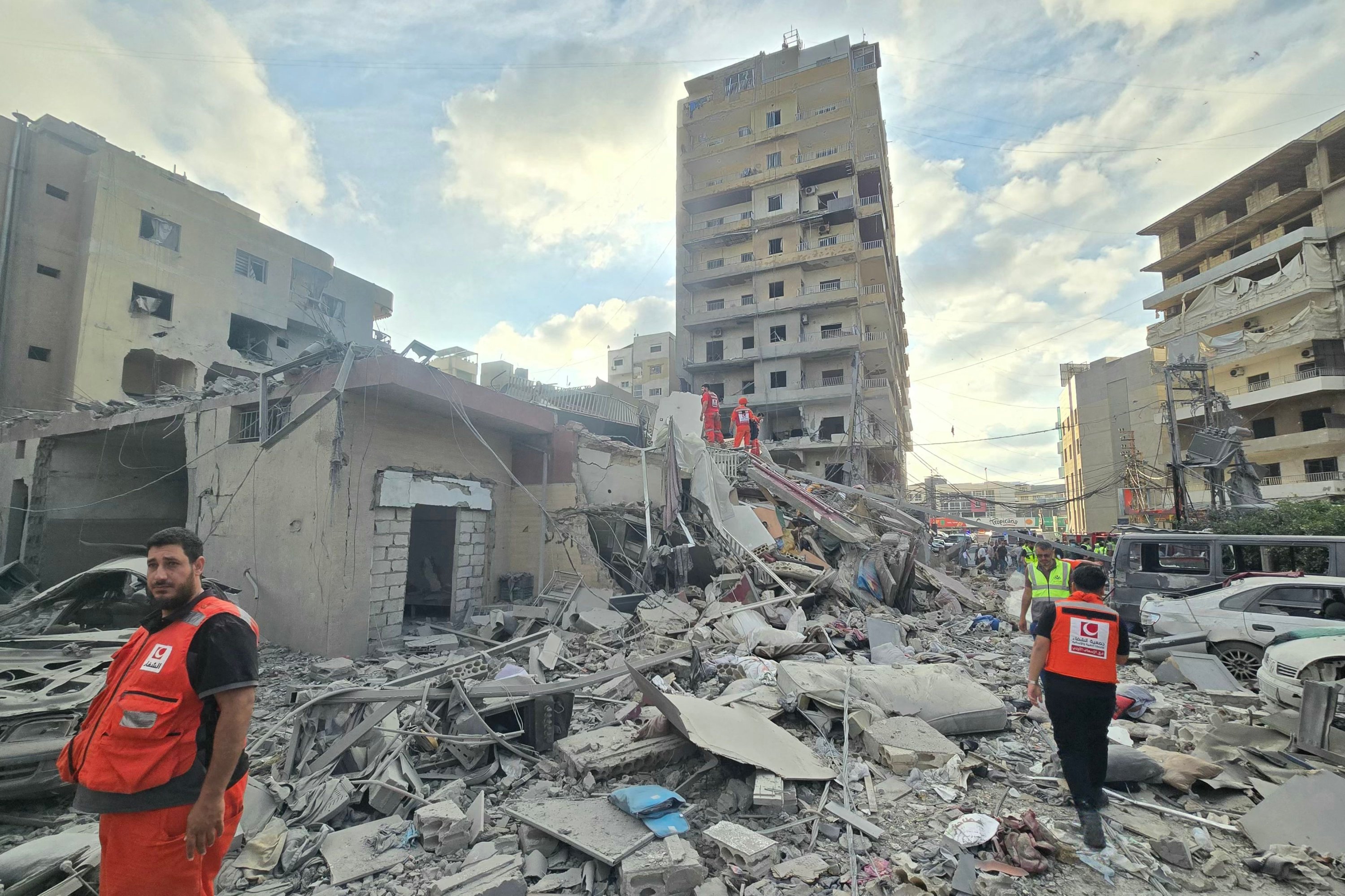
Iran's Warning and Regional Implications
Iran's Revolutionary Guards have signaled a readiness to expand confrontations beyond current battlegrounds, tying developments in Lebanon directly to broader threats. The statement from state media frames Israeli actions in Lebanon and Gaza as crossing red lines that could trigger direct conflict, with explicit mentions of preserving influence over the Strait of Hormuz. This posture reflects Tehran's long-standing strategy of linking multiple theaters to deter further pressure on its allies.
Lebanon's Fragile Cease-fire and Hezbollah's Role
Hostilities in Lebanon trace back to Hezbollah's entry into the wider regional conflict on March 2, aligning with Iranian interests against Israel. Although a cease-fire was announced on April 16 following U.S. involvement, limited strikes have continued in southern areas while the southern suburbs of Beirut largely avoided renewed bombardment until recent orders from Israeli leadership. The arrangement highlights how local Lebanese dynamics remain tethered to decisions made in Tehran and Jerusalem.
Displacement Crisis in Dahiyeh and Daily Realities
Residents of Beirut's southern suburbs, known as Dahiyeh, have begun leaving their homes again after reports of intensified targeting orders. This wave adds to the more than one million people already uprooted across Lebanon, affecting families who rely on tight community networks in these Shia-majority neighborhoods. Local economies tied to small businesses and services face renewed strain as movement disrupts routines that had only recently stabilized following earlier phases of the fighting.
U.S. Position and the Limits of Dialogue
President Trump indicated he has received no formal notification from Iran about halting talks, yet he suggested that reduced communication might prove beneficial after extensive discussions. This stance comes amid Iranian warnings that any cease-fire with the U.S. could unravel if attacks in Lebanon persist. The exchange underscores Washington's balancing act between managing direct channels with Tehran and addressing Israeli security concerns on the ground.
Strait of Hormuz and Wider Economic Pressures
By reaffirming control over the Strait of Hormuz equation, Iranian authorities point to potential disruptions that could affect energy routes vital to Gulf economies and beyond. In Lebanon, where fuel imports and trade already feel the weight of prolonged instability, such threats carry indirect consequences for households managing rising costs. Regional actors continue to weigh how escalation in one area might ripple through supply lines and political alliances that shape everyday security.
Outlook for Multiple Fronts
The Guards' intelligence statement leaves open the possibility of additional operational theaters if current red lines are breached, reflecting Iran's approach of maintaining leverage through distributed networks. For Lebanon, this raises questions about whether southern border tensions could draw in wider involvement, influencing political calculations in Beirut and among communities already navigating displacement and reconstruction challenges. Observers note that outcomes will depend on how Israeli operations evolve alongside Iranian responses.
By Malik Hassan, Staff WriterThis article was produced with AI-assisted research and editorial support. Reporting is based on sources cited in the article.
What's Your Reaction?
 Like
0
Like
0
 Dislike
0
Dislike
0
 Love
0
Love
0
 Funny
0
Funny
0
 Wow
0
Wow
0
 Sad
0
Sad
0
 Angry
0
Angry
0

Middle East Correspondent at Global1.News. Based in Beirut, covering politics, conflict, energy, and society across the Middle East. Brings context and depth to a region often reduced to headlines.









Comments (0)