
Health 360 Debunks Protein Myths: ICMR Data, Vegetarian Protein & Oral Health
India’s protein intake remains critically low, with ICMR data showing average diets exceed 60% carbohydrates and fall short of the 0.8g per kg body weight recommendation. A recent Health 360 episode hosted by Sneha Mordani directly addresses viral claims linking protein to reduced intelligence and examines practical vegetarian solutions alongside oral-systemic health connections.
India’s protein intake remains critically low, with ICMR data showing average diets exceed 60% carbohydrates and fall short of the 0.8g per kg body weight recommendation. A recent Health 360 episode hosted by Sneha Mordani directly addresses viral claims linking protein to reduced intelligence and examines practical vegetarian solutions alongside oral-systemic health connections.
Health 360 Debunks Protein Myths While Highlighting ICMR Data on India’s Nutritional Gaps
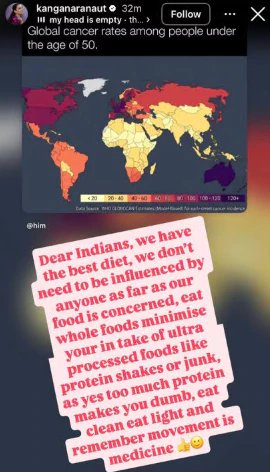
New Delhi, Delhi - August 1, 2026 - The episode opens with Kangana Ranaut’s social media assertion that protein makes people “dumb,” a claim experts at MOC Cancer Care in Karol Bagh immediately label unscientific. Dr Tanvi Singh, Medical Oncologist, states there is no evidence that protein itself impairs intelligence or causes cancer when consumed appropriately.
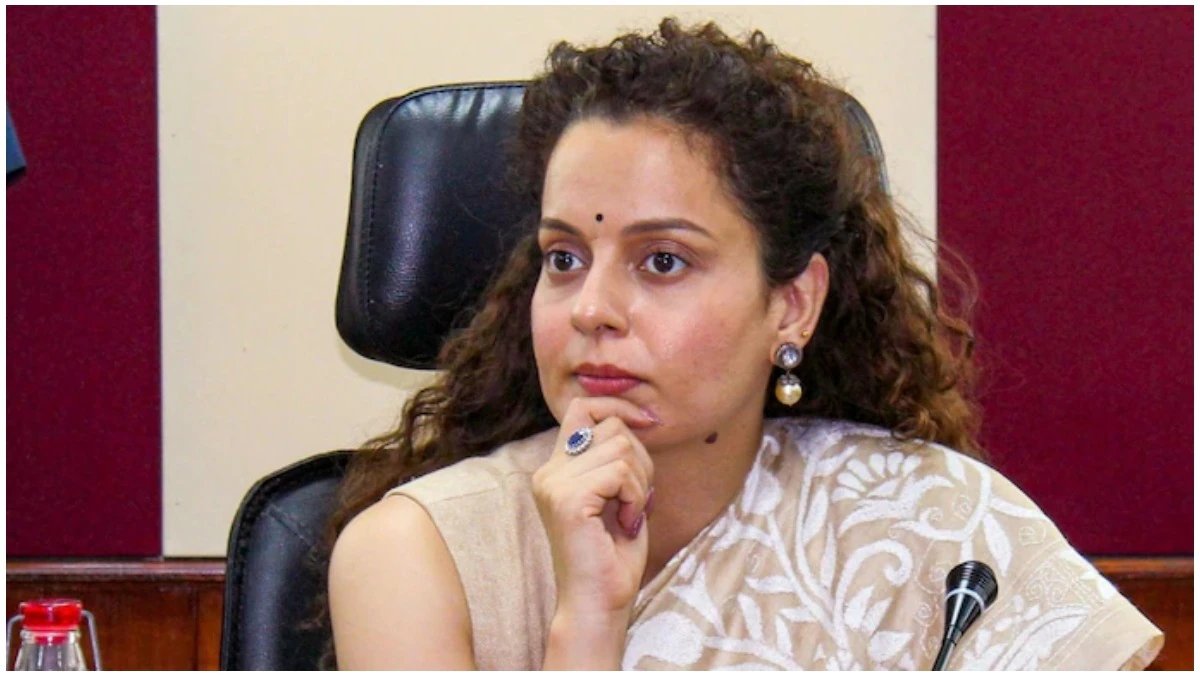
ICMR Data Reveals Widespread Protein Deficiency Across Indian States
The ICMR study released last year confirms Indian plates contain more than 60% carbohydrates, leaving protein intake far below the 0.8g per kg standard for most adults. This shortfall contributes to muscle loss, hormonal imbalance and weakened immunity, particularly in states like Uttar Pradesh, Bihar and Rajasthan where cereal-heavy diets dominate. Dr Singh notes that scaring citizens away from protein sources will only worsen existing deficiencies documented nationwide.
Further analysis of the ICMR findings shows that the carbohydrate-dominant pattern persists across both rural and urban households, with average daily protein falling short by 20-30 grams for many adults weighing 60-70 kg. In states with high cereal reliance, this imbalance accelerates sarcopenia in older populations and impairs recovery from common infections. Public health data indicate that regions reporting the lowest protein adherence also record elevated rates of fatigue-related absenteeism in agricultural and industrial workforces.
Dr Tanvi Singh from MOC Cancer Care, Karol Bagh, emphasises that the nationwide shortfall documented by ICMR requires immediate dietary correction rather than avoidance messaging. Longitudinal observations link sustained low protein to measurable declines in lean body mass within two years among sedentary adults. These patterns underscore the need for state-level monitoring that tracks not only calorie intake but also the specific 0.8g per kg benchmark across diverse demographic groups.
Vegetarian Combinations Deliver 50g Protein Without Supplements
Nutritionists on the programme demonstrate achievable targets using everyday Indian foods. One cup cooked kidney beans paired with 200g paneer provides over 50g protein. Similarly, 100g soya chunks, four eggs with moong dal chilas and a glass of buttermilk, or quinoa with black chana and curd each reach the 50g mark when portions are balanced. These combinations rely on complementary amino acids from dal and roti, a traditional practice ICMR endorses for complete protein profiles.
Practical scaling of these combinations reveals that households can meet the 50g daily target at minimal additional cost by rotating legumes and dairy across two main meals. For instance, incorporating 100g soya chunks into a vegetable curry alongside 200g paneer and one cup rajma supplies the full requirement while maintaining familiar flavours. Such pairings also deliver fibre and micronutrients that support sustained energy without reliance on imported supplements.
ICMR guidance highlights that complementary pairing of plant proteins, as seen in the 4 eggs plus moong dal chillas plus buttermilk example, achieves amino acid completeness comparable to single-source animal proteins. Urban families in Delhi and Hyderabad have reported successful adoption when recipes are adapted to local markets, reducing dependence on costly whey products. This approach aligns with the 0.8-1g per kg recommendation for most adults while preserving cultural dietary preferences.
What This Means for India’s Healthcare and Education Systems
Low protein intake directly affects school performance and workforce productivity in a country where 50g daily remains a modest target for sedentary adults. Pregnant women, athletes and older citizens in cities such as Mumbai and Bengaluru require higher amounts, yet many rely on expensive supplements because meal planning guidance is absent from school curricula and primary health centres. Policy integration of ICMR protein recommendations into midday meal schemes and Ayushman Bharat wellness centres could reduce future non-communicable disease burdens.
Integration of the 50g target into midday meal programmes could address developmental gaps observed in states with high carbohydrate reliance. Educational modules on simple combinations such as 100g soya chunks or 200g paneer with rajma would equip students and parents with actionable knowledge. Health centres under Ayushman Bharat could incorporate brief dietary assessments that reference the 0.8g per kg standard, enabling early identification of at-risk groups including pregnant women and the elderly.
Workforce data from industrial clusters indicate that protein-deficient diets correlate with slower recovery times and higher rates of metabolic complications. Embedding ICMR-aligned guidance in primary care would shift focus from reactive treatment to preventive nutrition, particularly in cities where supplement marketing often overshadows affordable local options. Long-term modelling suggests measurable reductions in diabetes and cardiovascular incidence when such integration occurs at scale.
Oral Health Links to Cardiac and Metabolic Outcomes in Indian Populations
Dr P. Parthasarathi Reddy, Founder Chairman and CEO of FMS Dental Hospitals, Hyderabad, presents evidence associating periodontitis with elevated inflammatory markers and higher cardiac risk. Nearly half of Indian adults over 30 exhibit some gum disease, with prevalence rising sharply in diabetic populations across Tamil Nadu and Kerala. Regular dental check-ups at government facilities could therefore serve as low-cost screening points for systemic inflammation, aligning with Ministry of Health goals for integrated care.
Periodontitis-driven inflammation documented at FMS Dental Hospital contributes to endothelial dysfunction that exacerbates existing metabolic strain from low-protein diets. In diabetic cohorts, the bidirectional relationship between poor glycaemic control and gum disease accelerates both oral tissue loss and cardiovascular complications. Screening at dental visits therefore offers an entry point for identifying patients who may also benefit from dietary adjustments targeting the 50g protein threshold.
Population-level data from southern states show that untreated gum disease correlates with increased inflammatory markers that compound risks already heightened by carbohydrate-heavy plates. Incorporating basic periodontal evaluation into Ayushman Bharat wellness visits would enable earlier referral and reinforce the message that oral health forms part of broader cardiometabolic prevention. This integrated model reduces duplication of services while addressing the documented nationwide protein gap.
Debunking Popular Water Timing Charts in Public Discourse
Health 360 experts systematically examined claims that specific water-drinking schedules eliminate toxins, boost immunity, accelerate fat burning or prevent cancer, stroke and heart attack. No clinical evidence supports these assertions, and rigid timing protocols often lead to unnecessary anxiety without measurable physiological benefit. The discussion clarified that hydration needs vary by climate, activity and individual health status rather than fixed hourly rules.
Instead of following unverified charts, experts recommend monitoring urine colour as a simple, reliable indicator of adequate fluid intake. Pale yellow urine typically signals sufficient hydration, while darker shades suggest increased water consumption. This straightforward approach avoids the misinformation that has circulated widely on social media and aligns with evidence-based guidance from the featured specialists.
Viral charts often promote drinking water before meals to accelerate fat burning, yet experts clarify this timing merely promotes satiety and fullness without any direct effect on fat metabolism. Claims of reduced colon cancer risk or prevention of stroke and heart attack through scheduled water intake lack supporting clinical data and represent unsubstantiated extensions of basic hydration advice. The longstanding 8-glasses-a-day rule is similarly dismissed as a myth that fails to account for individual variation.
Hydration requirements differ substantially by age, body size, climate and exercise intensity, making one-size-fits-all schedules ineffective and potentially misleading. Public health messaging should therefore prioritise flexible, evidence-based cues such as thirst and urine colour over rigid hourly protocols that generate anxiety without measurable benefit.
Expert Perspectives
Dr Tanvi Singh from MOC Cancer Care, Karol Bagh, reiterates that protein supports normal physiological functions and does not impair intelligence or cause cancer when consumed appropriately, urging focus on correcting documented ICMR shortfalls rather than spreading avoidance messages. Dr P. Parthasarathi Reddy, Founder Chairman and CEO of FMS Dental Hospitals, Hyderabad, highlights how untreated gum disease elevates systemic inflammation that compounds cardiac and metabolic risks, particularly in diabetic populations, and advocates routine dental screening as an entry point for broader prevention. Nutritionists on the episode demonstrate that everyday vegetarian combinations such as kidney beans with paneer or soya chunks with rajma reliably deliver the 50g daily target, confirming these pairings achieve complete amino acid profiles endorsed by ICMR without supplements.
The Bottom Line
Protein supports neurotransmitter production including dopamine and serotonin; adequate intake does not impair cognition. Citizens should distribute protein across meals using affordable local combinations rather than following rigid water-timing charts or unverified supplement trends. Steady hydration guided by urine colour and thirst remains the evidence-based approach endorsed by the experts featured on Health 360.
Continued public education on both protein adequacy and hydration myths can prevent the spread of misleading claims that distract from documented nutritional shortfalls. By focusing on practical vegetarian sources and routine health screenings, Indian citizens can address the ICMR-identified gaps without adopting costly or ineffective practices.
- By Dr. Raj Patel, Staff WriterThis article was produced with AI-assisted research and editorial support. Reporting is based on sources cited in the article.
What's Your Reaction?
 Like
0
Like
0
 Dislike
0
Dislike
0
 Love
0
Love
0
 Funny
0
Funny
0
 Wow
0
Wow
0
 Sad
0
Sad
0
 Angry
0
Angry
0

India/South Asia Correspondent at Global1.News. Analytical voice with a background in science and health journalism. Based in New Delhi, covering Indian politics, education, healthcare, technology, and policy. Breaks down complex data into clear, actionable reporting.















Comments (0)