
Hamas says Israel escalating Gaza attacks to derail ceasefire understandings
Hamas accused Israel of escalating attacks in Gaza on Sunday to derail ceasefire implementation, killing at least 18 Palestinians including three children and an unborn baby. The group called for mediators including the US to pressure Israel to comply. Ceasefire violations since Oct. 10, 2025, have killed 1,230 and injured 4,076. The prior war from Oct. 8, 2023, killed over 73,000 and wounded over 174,000, damaging 90% of infrastructure with $70 billion in reconstruction costs. July saw 152 d...
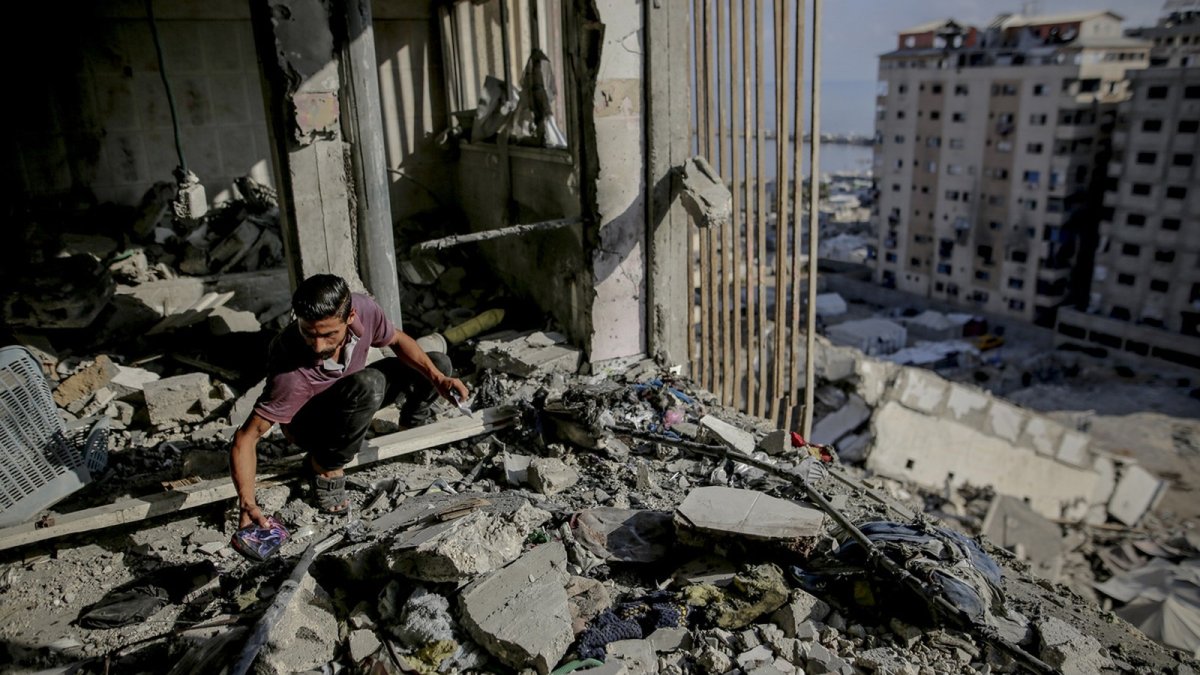
Hamas Accuses Israel of Deliberate Ceasefire Escalation
Hamas accused Israel on Sunday of deliberately escalating its attacks on the Gaza Strip to derail understandings reached with mediators and the US administration on completing implementation of the ceasefire agreement, according to Anadolu reports.
In a statement, the Palestinian group said Israeli attacks since Sunday morning had killed more than 18 Palestinians and wiped out entire families.
The bombardment constituted a deliberate escalation by the government of war criminal Netanyahu, aimed at obstructing the understandings reached with the mediators, including the US administration, to complete the implementation of the ceasefire agreement, it said.
Casualty Figures from Sunday Attacks
Israeli attacks on Sunday killed at least 18 Palestinians across the Gaza Strip, including three children and an unborn baby, in the latest violations of the ceasefire in effect since Oct. 10, 2025.
Palestinian officials say Israel has violated the ceasefire agreement thousands of times through continued attacks, arrests and military incursions, killing 1,230 Palestinians and injuring 4,076 others.
Gaza's Health Ministry reported 152 killed in Gaza in July, the highest monthly death toll this year.
The reported deaths of at least 18 Palestinians on Sunday, including three children and an unborn baby, form part of a pattern of violations that Palestinian officials have documented since the ceasefire took effect on October 10, 2025. These incidents follow two years of conflict that began on October 8, 2023, and resulted in more than 73,000 Palestinian deaths and over 174,000 injuries. The Sunday attacks occurred amid ongoing restrictions on aid, which have compounded the effects of earlier destruction affecting roughly 90 percent of Gaza’s civilian infrastructure.
Civilians in Gaza continue to experience these strikes as sudden disruptions to already fragile daily routines, with families facing repeated displacement and limited access to medical care. The cumulative toll since the truce—1,230 killed and 4,076 injured—reflects sustained military activity that Palestinian sources describe as converting the ceasefire into an uncertain arrangement rather than a stable pause.
Regional observers note that such incidents coincide with the highest monthly death toll recorded in Gaza this year, with 152 fatalities reported in July. This trajectory raises questions about whether isolated violations could accumulate into broader setbacks for the next implementation phase outlined in recent mediator proposals.
Historical Background of the Conflict
The first phase of the ceasefire took effect on Oct. 10, 2025, following two years of Israel's genocidal war on Gaza, which began on Oct. 8, 2023.
The war has killed more than 73,000 Palestinians, wounded over 174,000 others, devastated about 90 percent of the enclave's civilian infrastructure and left reconstruction costs estimated by the UN at around $70 billion.
Palestinians say Israel's continued attacks, coupled with restrictions on humanitarian aid despite the ceasefire, have turned the truce into an illusion and further deepened their humanitarian crisis.
Hamas Statement on War Crimes
Hamas described the attacks as acts that amount to war crimes and crimes against humanity, and called on the international community to take legal action to hold Israeli leaders accountable.
It also urged measures to protect Palestinians, who it said continued to face the threat of genocide and displacement.
The group called on the mediators and guarantors of the ceasefire agreement to assume their responsibilities, condemn the Israeli attacks and immediately pressure Israel to halt its assaults and comply with the agreement.
Hamas described the Sunday attacks as deliberate efforts by the Israeli government to obstruct understandings reached with mediators, including the US administration, on advancing the ceasefire. The statement framed these actions as amounting to war crimes and crimes against humanity, while urging guarantors to intervene immediately to halt further assaults and enforce compliance.
The group’s appeal highlights the lived conditions of Palestinians who remain under threat of renewed displacement after years of bombardment that devastated housing and services. By linking the incidents to the broader war that began in October 2023, the statement positions the violations as extensions of earlier patterns rather than isolated events.
International reactions referenced in the statement call for legal measures to hold Israeli leaders accountable, reflecting concerns among Palestinian officials that unchecked breaches could erode the framework established on October 10, 2025. Such rhetoric suggests that continued incidents may complicate the roadmap announced on Friday, potentially delaying the transition to subsequent phases.
Impact on Palestinian Families and Communities
The attacks wiped out entire families in the Gaza Strip, leaving survivors to confront loss amid ongoing restrictions that limit access to aid and medical care.
These incidents add to the cumulative toll on communities already strained by years of conflict, where daily life revolves around efforts to secure basic necessities under persistent threats.
Palestinians in Gaza describe how such violations compound the effects of the broader war, affecting housing, infrastructure and the ability to rebuild even basic living conditions.
Diplomatic Developments and Mediator Roles
On Friday, the Peace Board and US President Donald Trump announced an agreement to implement the next phase of the Gaza ceasefire, with the board saying Hamas had accepted a detailed roadmap.
Israel has not officially commented on the proposal.
Hamas urged mediators and guarantors, including the US administration, to act swiftly to enforce compliance and prevent further derailment of the understandings.
The announcement on Friday by the Peace Board and US President Donald Trump of an agreement to implement the next phase of the ceasefire, with Hamas accepting a detailed roadmap, occurred against a backdrop of repeated violations. Israel has not issued an official response to the proposal, leaving uncertainty about its reception among parties.
Mediators, including the US administration, are positioned by Hamas as responsible for pressing Israel to cease attacks and adhere to the October 10, 2025, agreement. Palestinian officials have recorded thousands of prior breaches involving attacks, arrests, and incursions, which they argue have undermined the truce’s intended stability.
These developments indicate that mediator efforts face challenges in translating understandings into concrete pauses in hostilities. Forward-looking assessments suggest that unresolved violations could affect the sequencing of the next phase, particularly if aid restrictions and military activity persist alongside reconstruction needs estimated by the UN at around $70 billion.
Calls for International Accountability
Hamas called on the international community to pursue legal measures against Israeli leaders for actions it characterized as war crimes and crimes against humanity.
The group emphasized the need for protections against ongoing threats of genocide and displacement faced by Palestinians in the enclave.
These appeals connect to broader demands for accountability in a context where ceasefire violations have persisted since the initial phase began in October 2025.
Hamas urged the international community to pursue legal action against Israeli leaders for actions it characterized as war crimes and crimes against humanity, while emphasizing the need to protect Palestinians facing threats of genocide and displacement. This appeal aligns with documented patterns of violations since October 10, 2025, that Palestinian officials say have killed 1,230 and injured 4,076.
The call reflects broader concerns that accountability mechanisms have not kept pace with the scale of destruction from the preceding two-year war. Regional and international actors are positioned to respond through pressure on parties to restore compliance with the truce framework.
Looking ahead, these demands suggest that unresolved incidents could influence the viability of the roadmap accepted by Hamas on Friday. Persistent violations may necessitate stronger guarantor involvement to prevent further erosion of the ceasefire’s implementation timeline.
Humanitarian Conditions Under Continued Violations
Restrictions on humanitarian aid despite the ceasefire have intensified the crisis for residents, turning what was intended as a truce into an illusion according to Palestinian accounts.
The cumulative impact includes widespread infrastructure damage and high reconstruction needs, leaving families to navigate daily survival amid repeated attacks.
Officials note that such conditions deepen existing hardships in Gaza, where the population has endured the effects of the war that started in October 2023.
Restrictions on humanitarian aid despite the ceasefire have intensified the crisis for Gaza’s population, turning the truce into what Palestinian sources describe as an illusion. The war since October 8, 2023, left more than 174,000 wounded and devastated infrastructure across approximately 90 percent of the enclave, forcing civilians into prolonged reliance on limited supplies.
Daily realities include heightened vulnerability for families already displaced multiple times, with medical and shelter needs unmet amid ongoing incidents. The 152 deaths recorded in July represent the highest monthly figure this year, underscoring how cumulative violations compound earlier losses exceeding 73,000.
Such conditions point to a humanitarian environment where reconstruction planning remains stalled. Analysts observe that sustained breaches may hinder the transition to the next phase of the ceasefire, as aid access and security guarantees remain unresolved elements in mediator discussions.
By Fatima Al-Rashid, Staff Writer
This article was produced with AI-assisted research and editorial support. Reporting is based on sources cited in the article.
What's Your Reaction?
 Like
0
Like
0
 Dislike
0
Dislike
0
 Love
0
Love
0
 Funny
0
Funny
0
 Wow
0
Wow
0
 Sad
0
Sad
0
 Angry
0
Angry
0

Gulf/MENA Correspondent at Global1.News. Based in Doha, covering Gulf politics, energy markets, diplomacy, and development across the Middle East and North Africa. Tracks the economic transformation of the Gulf states.













Comments (0)