
IDF Demolishes Hezbollah Tunnel Network Near Beaufort Castle as Ceasefire Faces Repeated Violations
The IDF demolished a Hezbollah tunnel network beneath Beaufort Castle in southern Lebanon using about 700 tons of explosives, as ceasefire violations mount ahead of US-mediated Rome talks on August 4-6. i24NEWS embedded with soldiers in the battle zone.
In a recent i24NEWS English report, IDF soldiers are shown crossing Israel's northern border into the southern Lebanon battle zone, where operations have continued since early March 2026. The footage captures armored units advancing through terrain marked by destroyed villages and exposed ridge lines in the Nabatieh region. These movements unfold under a US-brokered ceasefire framework that includes a pilot zone for Lebanese army deployment — and they come as Israel and Lebanon prepare for another round of mediated talks in Rome.
IDF Demolishes Hezbollah Tunnel Network Near Beaufort Castle as Ceasefire Faces Repeated Violations
Jerusalem, Israel – This week — The IDF carried out large-scale detonations near the UNESCO-listed Beaufort Castle in southern Lebanon on July 30-31, using approximately 700 tons of explosives to destroy a multi-level tunnel network beneath Beaufort Ridge. The operation targeted what the IDF described as a central Hezbollah command complex built over two decades with Iranian funding and operated by the group's Bader Unit. Prime Minister Benjamin Netanyahu stated that Hezbollah planned to use the tunnels to invade communities in the Galilee.
Inside the Battle Zone
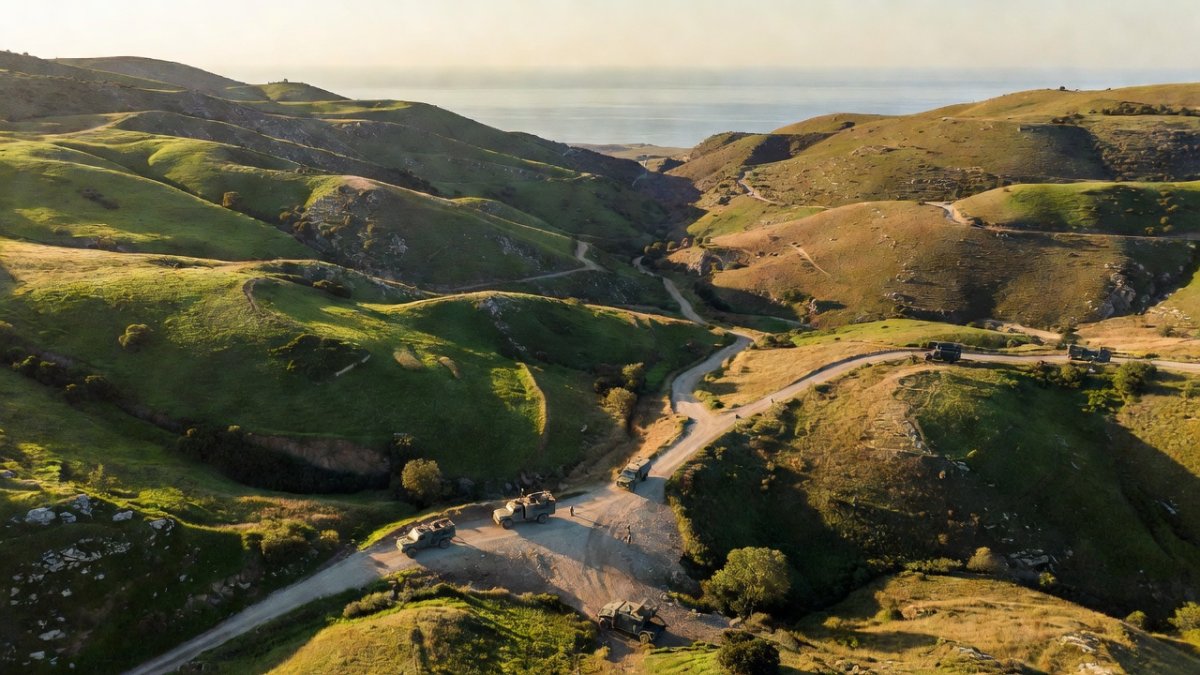
The i24NEWS embed captured IDF units advancing across the northern border into southern Lebanon's rugged terrain of steep hills and exposed ridge lines, where destroyed villages dot the landscape and the Litani valley stretches below. Soldiers moved methodically through areas that had seen intense fighting since the March 2026 entry, with the buffer zone now marked by cleared paths amid rubble from months of operations. The footage showed troops securing positions while engineering teams prepared controlled demolitions, reflecting the shift from rapid advances of more than 10 kilometers to sustained presence in a contested zone.
Conditions for the soldiers remain demanding, with daily patrols along ridge lines overlooking potential infiltration routes and constant vigilance against remaining threats. The pace has slowed from the initial push that followed the US and Israeli strikes on Iran, allowing focus on infrastructure threats while residents in nearby Lebanese villages face barriers to return. This evolution of the buffer zone underscores the IDF's emphasis on depth and control to protect northern Israeli communities still displaced since operations began.
The scale of destruction in the strip is stark. Lebanon's Health Ministry reports that Israeli attacks have killed 4,333 people and injured 12,236 in Lebanon since March 2. Dozens of villages in the roughly 10-kilometer-deep zone have been razed, hospitals, power stations and water pumps destroyed, and tens of thousands of residents remain unable to return home.
The Tunnel Network Beneath Beaufort Ridge
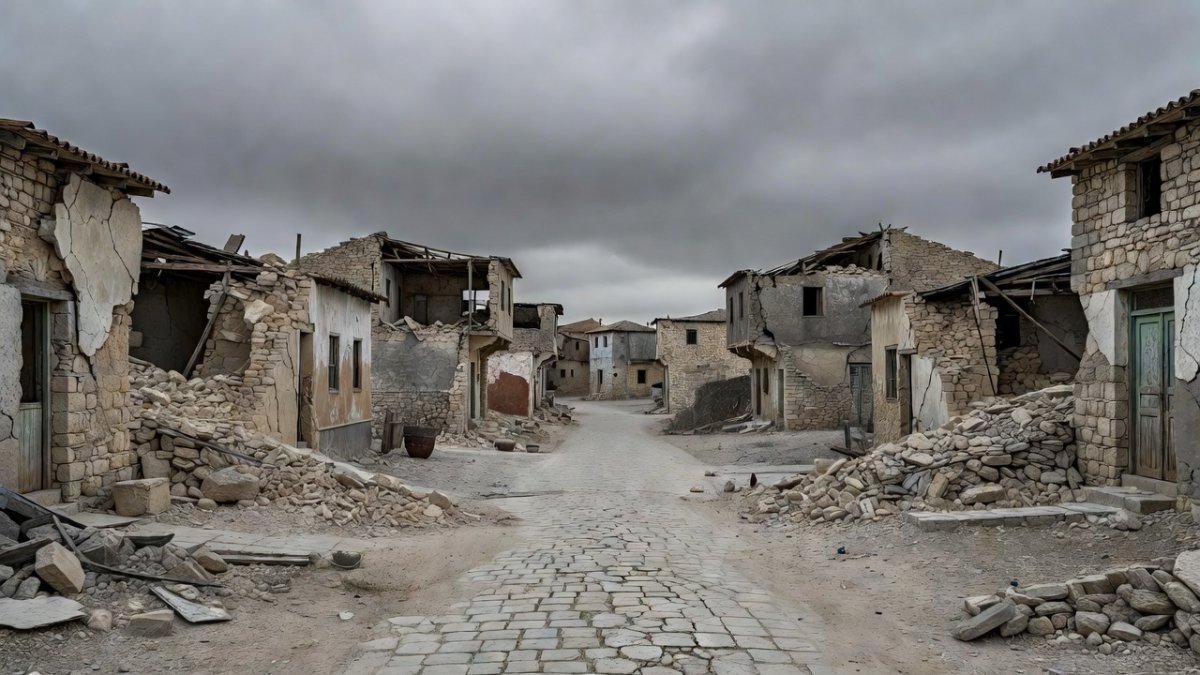
The Beaufort tunnel network represented a multi-level command complex constructed over two decades with Iranian funding and operated by Hezbollah's Bader Unit, positioned to enable rapid movement toward northern Israel. IDF planners viewed the ridge as a critical vulnerability, describing it as "the Beast on the Mountain" due to its elevation above 700 meters overlooking the Litani valley and direct sightlines into Galilee communities. The July 30-31 detonation of approximately 700 tons of explosives targeted this infrastructure, framed by officials including Netanyahu as essential to prevent planned invasions similar to past threats.
The fortress itself carries deep historical weight in Israel. During the 1982 Lebanon War, Golani Brigade troops fought for days against fewer than three dozen defenders before capturing the castle, after which Defense Minister Ariel Sharon and Prime Minister Menachem Begin visited the site. Israel withdrew from southern Lebanon in May 2000 under Prime Minister Ehud Barak — but the ridge's strategic value never faded, which is why Israeli media kept calling it "the Beast on the Mountain" long after the withdrawal.
Netanyahu linked the tunnel network directly to threats against Israeli communities near the border. The IDF Chief of the General Staff, Lt. Gen. Eyal Zamir, has stated that the IDF "must grow, expand and become stronger" to address such infrastructure. Israeli officials view the demolition as essential to dismantling Hezbollah's border capabilities built with Iranian support.
Ceasefire on the Brink
The pilot zone programme, initiated around July 20-21 with Lebanese army deployment in Zawtar al-Gharbiyeh following an Israeli withdrawal, aimed to establish areas where Hezbollah weapons would be confiscated ahead of phased pullbacks. It was the first test of the plan — and Mayor Abed Ezzeddin said more than half of Zawtar al-Gharbiyeh had been destroyed, leaving the town largely uninhabitable.
Yet incidents have repeatedly tested the framework. On June 19, four IDF soldiers were killed when a suspected drone or anti-tank missile struck the tank of Lt. Col. Dor Gedalia Ben Simhon, 32, commander of the 52nd Battalion of the 401st Armored Brigade from Beit HaShita, in Kfar Tebnit near Nabatieh — all four crew members were killed. Hours later, a Hezbollah explosive drone struck Commando Brigade forces in the same village, wounding five soldiers. The IDF responded with strikes on more than 80 Hezbollah targets in a single night, including two command posts in the Bekaa Valley.
More recently, a Hezbollah drone struck an IDF armored bulldozer in the buffer zone in the Ali Taher Ridge area. The IDF called the incident a blatant violation of the ceasefire agreement and signaled it would respond, though no Israeli soldiers were injured in that strike. These events have prolonged the displacement of tens of thousands of Lebanese residents from razed villages, while northern Israeli communities near the border remain evacuated.
Regional Context
Lebanese President Joseph Aoun described the Beaufort Ridge demolitions as an extremely dangerous escalation. Lebanon's army commander stated that Israeli attacks are purposely obstructing the Lebanese army's deployment across the south. The UN special coordinator for Lebanon on August 1 called the scale of the detonations and demolitions deeply concerning, and UNESCO has placed sites on the List of World Heritage in Danger.
Lebanon and Israel are scheduled to hold the next round of US-mediated talks in Rome on August 4-6. Hezbollah launched its cross-border attacks in support of Tehran after the US and Israel struck Iran in early 2026, and the Iran-Hezbollah axis remains central to the confrontation. Israeli officials remain skeptical of Lebanon's ability to disarm Hezbollah but see the current framework as a step toward long-term arrangements, while Arab states and Washington monitor the pilot zone handovers closely.
Analysis and What This Means
The destruction of the Beaufort Ridge tunnels removes a long-standing Hezbollah command node that overlooked northern Israel, yet the repeated drone strikes in Kfar Tebnit and Ali Taher Ridge show Hezbollah retains strike capacity inside the buffer zone. The pilot zone in Zawtar al-Gharbiyeh will determine whether the Lebanese army can enforce weapons confiscation without further Israeli intervention.
The tunnel demolitions reinforce Israel's security doctrine of preemptive action against entrenched threats developed with Iranian resources, but they carry risks of wider escalation if Hezbollah responds beyond isolated violations. The displacement crisis affecting Lebanese civilians adds humanitarian pressure that could influence future negotiations. For the Israeli government, demonstrating strength through operations like those at Beaufort supports domestic calls for expanded capabilities — echoed by Zamir's public push for a larger IDF.
Political stakes remain high as officials weigh the deal's potential for long-term peace against doubts over implementation. Observers will focus on whether the Rome talks produce concrete steps for Lebanese army enforcement in additional zones and measurable reductions in Hezbollah infrastructure. Success could reshape the northern border dynamics; persistent incidents suggest the path remains uncertain — and for the communities of the Galilee and southern Lebanon, the cost of failure is measured in lives, homes and the fragile hope of return.
By Hannah Berg, Staff Writer
This article was produced with AI-assisted research and editorial support. Reporting is based on sources cited in the article.
What's Your Reaction?
 Like
0
Like
0
 Dislike
0
Dislike
0
 Love
0
Love
0
 Funny
0
Funny
0
 Wow
0
Wow
0
 Sad
0
Sad
0
 Angry
0
Angry
0

Israel Correspondent at Global1.News. Based in Tel Aviv, covering Israeli politics, security, technology, and society. Provides balanced, deeply-sourced reporting on one of the most closely-watched regions in the world.















Comments (0)