
Gaza Framework One Year On: Hamas Armed, IDF Still Present
In a recent i24NEWS English report marking nearly one year since a post-war Gaza framework was reached, Hamas remains armed while the IDF stays present in the territory. The video highlights the Board of Peace's conditions for any IDF withdrawal beyond the Yellow Line, which remain tied to verified disarmament steps. This situation continues to shape daily security calculations in southern Israeli communities and Gaza border areas.
In a recent i24NEWS English report marking nearly one year since a post-war Gaza framework was reached, Hamas remains armed while the IDF stays present in the territory. The video highlights the Board of Peace's conditions for any IDF withdrawal beyond the Yellow Line, which remain tied to verified disarmament steps. This situation continues to shape daily security calculations in southern Israeli communities and Gaza border areas.
Board of Peace Roadmap for Hamas Disarmament Advances Amid Intensified Israeli Strikes and Persistent IDF Presence in Gaza
Jerusalem, Israel - This week — The Board of Peace announced a 15-point roadmap on Friday, for phased implementation of the Gaza ceasefire originally established under Trump's 20-point plan. Hamas confirmed agreement to the plan the same day, yet Israeli strikes intensified over the weekend, resulting in 26 deaths over the weekend and at least 19 Palestinians killed in one day. The IDF maintains positions inside Gaza as negotiators prepare for talks in Cairo within days, with Israeli officials stating that any pullback will stop at the Yellow Line around Gaza City until full disarmament occurs.
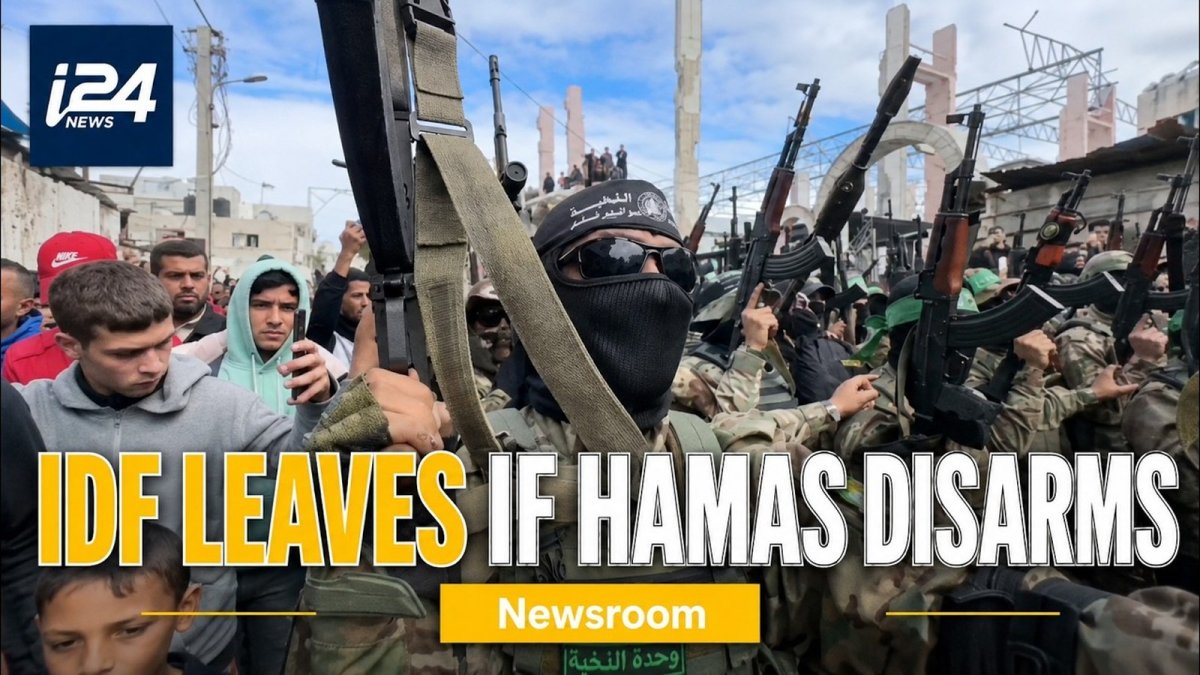
One Year On: The Framework in Practice
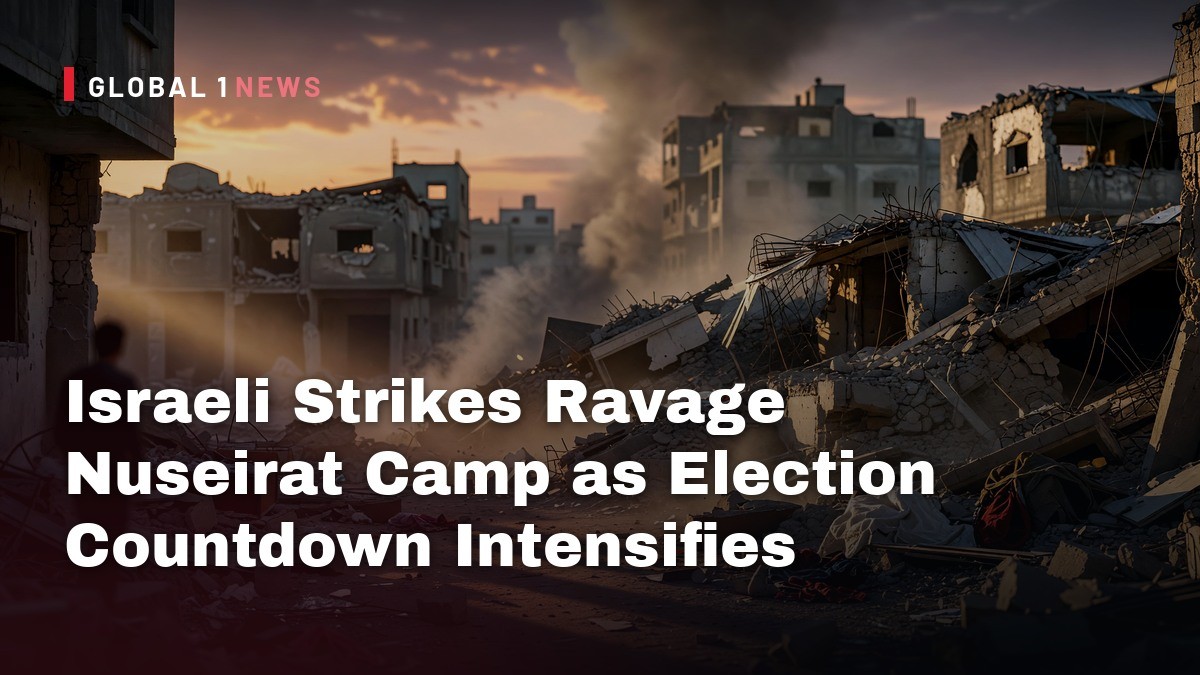
The IDF confirmed it struck five sites on Sunday night, including a claimed Hamas weapons depot next to Al-Aqsa Hospital in Deir el-Balah. Gaza Health Ministry Director-General Munir al-Bursh stated that the strike destroyed two of four medicine storage facilities at the hospital and damaged two others. Netanyahu PMO spokesperson emphasized that Israeli forces will not withdraw until Hamas is fully disarmed, warning that early redeployment would allow the group to rebuild infrastructure and threaten communities near the Gaza border. Israeli officials added that negotiations will proceed while the IDF remains inside Gaza, with the next round of talks expected in Cairo soon.
The persistence of Israeli strikes in the days following Friday's announcement underscores the deep security concerns held by Israeli officials regarding any premature IDF redeployment. Netanyahu PMO spokesperson stressed that redeploying before full disarmament would enable Hamas to expand its presence throughout Gaza, rebuild terrorist infrastructure, and once again threaten Israeli communities in the Gaza envelope with another October 7-style attack. This assessment draws directly from lessons learned since the October 7, 2023 Hamas cross-border assault that initiated the war, informing current IDF positioning and Shin Bet assessments of ongoing threats along the border.
Israeli forces have continued expanding the area under their control inside Gaza even as the Board of Peace advances its roadmap, placing new concrete barriers along Salah al-Din Street near Shujayea that further restrict movement for displaced families. The PMO has made clear that Israel will negotiate with Hamas while maintaining its presence inside the territory, rejecting any storage of weapons that could allow armed groups to regroup. These measures reflect the Foreign Ministry's emphasis on verified disarmament as a prerequisite for any phased withdrawal, ensuring that communities near the Gaza border do not face renewed risks from groups like Hamas.
With talks expected in Cairo within days under Egyptian mediation, Israeli officials are preparing for potential resistance from Hamas during implementation of the 15-point roadmap. The IDF's continued operations target sites identified as Hamas weapons depots, including the five struck on Sunday near Al-Aqsa Hospital, aligning with the government's position that full disarmament must precede any pullback beyond the Yellow Line. This approach connects to broader Israeli security doctrine shaped by the October 7, 2023 events and the need to prevent similar threats from materializing again in the Gaza envelope.
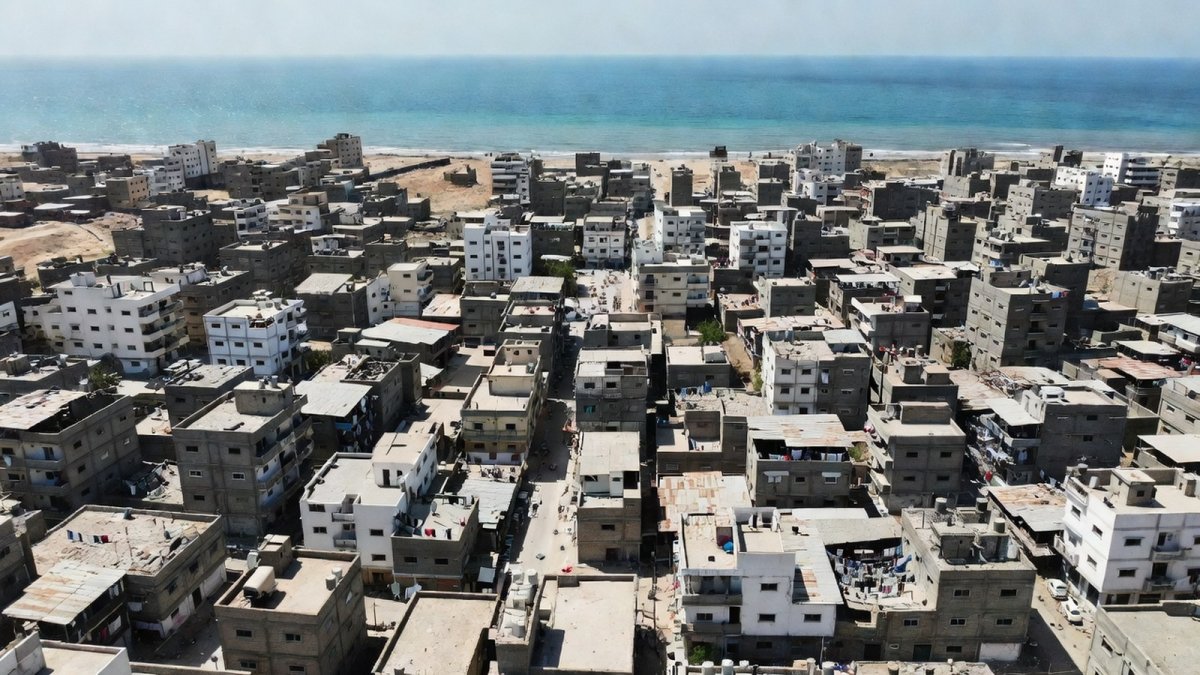
Humanitarian Impact and Casualties
Since the October 2025 ceasefire took effect, the cumulative toll in Gaza reached 1,250 killed and more than 4,100 wounded by Monday, according to Gaza Health Ministry figures reported via Al Jazeera. July 2026 recorded 152 deaths, making it the deadliest month since the start of the year. Specific incidents included a strike on al-Sousi Tower in Gaza City that killed Abdullah Abu Taif, his pregnant wife Abeer Anan, and their five-year-old son Azzam, with medics at al-Shifa Hospital recovering remains of an unborn child. In al-Qarara near Khan Younis, a strike killed Mahmoud al-Hams, his wife Fatima, and their young daughter. Near Deir el-Balah, elderly couple Kamal and Huda Abu Muailiq were killed in their home, while two brothers died on a motorbike. In the Remal neighborhood, a tent strike killed two including a child, and a drone strike near Sharia Court killed four. Civil Defence teams in the Sabra neighborhood retrieved 112 bodies, 40 of them children, after a two-week search of a flattened home, with 157 people still missing and thousands believed under rubble overall.
The Gaza Health Ministry Director-General Munir al-Bursh described the Sunday strike on the Al-Aqsa Hospital medicine warehouse as turning medicine and illness itself into a tool of war, noting that two of four storage facilities were wiped out. This incident occurred amid a broader pattern of intensified strikes over the weekend that contributed to the weekend death toll of 26, including 19 in a single day. OCHA data further contextualizes the humanitarian strain, showing that settler-related incidents in the West Bank have displaced an average of 17 people per day this year, double the rate of previous three years.
War totals since October 2023 now exceed 73,000 Palestinians killed and 174,000 injured, with approximately 90 percent of Gaza's infrastructure destroyed according to verified reports. The Board of Peace envoy Nickolay Mladenov highlighted how recent strikes have destroyed medical supplies that residents depend on, complicating efforts by the National Committee for the Administration of Gaza to improve humanitarian conditions. These developments directly affect daily life for Gaza residents while Israeli communities in the envelope continue to monitor border security developments tied to the roadmap.
Al-Shifa Hospital sources confirmed the recovery of remains including an unborn child from the al-Sousi Tower strike, underscoring the civilian toll in Gaza City neighborhoods. Civil Defence operations in Sabra, which retrieved 112 bodies over two weeks with 40 children among them, illustrate the scale of destruction persisting even after the October 2025 ceasefire. Israeli officials maintain that such operations target Hamas infrastructure to prevent future threats, consistent with PMO statements on the necessity of disarmament before any IDF adjustments.
The Yellow Line and Phased Withdrawal
The Yellow Line demarcates Israeli-occupied areas from the rest of Gaza, with Israeli forces recently placing new concrete barriers on Salah al-Din Street near Shujayea that cut off displaced families from one of the Strip's few remaining unobstructed roads. The Board of Peace outlined that withdrawal of the IDF beyond the Yellow Line will occur in phases linked to disarmament verification. Trump stated on Truth Social that the agreement will proceed in structured phases, with the International Stabilization Force working alongside a new Palestinian police force once disarmament is complete. Netanyahu's office reiterated that Israel shares the Board of Peace's ultimate objectives but will reject any storage of weapons in the territory.
Israeli officials have specified that any pullback will halt at the Yellow Line around Gaza City until verification confirms Hamas has fully disarmed, a position reinforced by the PMO spokesperson's warnings about risks to Gaza envelope communities. The Board of Peace's 15-point roadmap ties each phase of IDF withdrawal to independent certification by non-state observers, as noted in analyses from the National Review, ensuring that commitments under the agreement are met before advancing. This phased structure aims to address Israeli security concerns rooted in the October 7, 2023 attack while allowing the International Stabilization Force to assume responsibilities alongside new Palestinian police units.
The placement of barriers on Salah al-Din Street near Shujayea reflects ongoing IDF efforts to secure areas inside the Yellow Line amid preparations for Cairo talks. Netanyahu's government has stressed that Israel will not accept any arrangement permitting weapons storage in Gaza, aligning with the Board of Peace's focus on implementation and rule of law. These measures connect to Knesset debates on post-war governance and the need to prevent Hamas from regaining operational capacity near the border.
Trump's Truth Social statement emphasized that the International Stabilization Force will work with a new Palestinian police force to ensure Gaza is safe for residents and neighbors once disarmament phases conclude. Israeli assessments, however, continue to prioritize full verification before any movement beyond the Yellow Line, drawing on Shin Bet intelligence regarding Hamas capabilities. The roadmap's emphasis on structured phases seeks to balance these concerns with the transfer of authority to the National Committee for the Administration of Gaza.
Regional Context
Trump credited Egypt, Qatar, and Türkiye as mediators in Thursday's announcement of the disarmament deal. The Board of Peace, chaired by Trump and backed by a UN mandate with 20-plus member states, has worked closely with the National Committee for the Administration of Gaza on the roadmap. Several European allies opted not to join the Board. In parallel, Israel-Lebanon talks were set to resume this week as Beirut marked six years since the port explosion, reflecting ongoing regional diplomacy across multiple tracks. OCHA reported that July and March were the deadliest months for Palestinians in settler-related incidents since October 2023, with 1,380-plus incidents recorded since the start of 2026 at a rate of 6.6 per day.
Egypt's role as host for upcoming Israel-Hamas talks in Cairo builds on its mediation efforts credited by Trump, alongside Qatar and Türkiye, in advancing Thursday's historic agreement. The Board of Peace's composition of over 20 member states under a UN mandate provides the framework for the International Stabilization Force to support security transitions, though several European allies have chosen not to participate. This regional dynamic intersects with Israeli diplomatic priorities managed by the Foreign Ministry to ensure that any Gaza arrangements do not compromise border security.
OCHA's documentation of 1,380 settler-related incidents since the start of 2026, averaging 6.6 per day, highlights parallel pressures in the West Bank that influence overall Israeli security planning. The resumption of Israel-Lebanon talks this week coincides with Beirut's commemoration of the port explosion six years prior, illustrating how multiple tracks of diplomacy remain active even as Gaza implementation proceeds. Israeli officials view these interconnected efforts as critical to preventing spillover threats to communities in the Gaza envelope.
The Board of Peace's collaboration with the National Committee for the Administration of Gaza on the roadmap reflects the involvement of mediators Egypt, Qatar, and Türkiye in pushing for phased disarmament. Israeli positions, articulated through the PMO, insist that these regional actors must ensure Hamas compliance before any Yellow Line adjustments occur. Such coordination aims to stabilize the region while addressing the humanitarian and security realities shaped by events since October 2023.
Diplomatic and International Reactions
Board of Peace envoy Nickolay Mladenov condemned two days of strikes that killed civilians and destroyed medical supplies. Hamas negotiator Ghazi Hamad told Al Jazeera that the group will not take disarmament steps before Israel withdraws from Gaza. Hamas official Basem Naim stated that the ball is now in the enemy's court to fulfill obligations and that mediators must compel compliance. A Jerusalem Post editorial argued that Hamas disarmament cannot wait for IDF withdrawal, noting the group's history of using negotiations to preserve control. National Review writer Noah Rothman highlighted that point 2 of the deal requires non-state observers to certify commitments before Phase 2 proceeds. A Le Monde editorial noted that a minister from Netanyahu's coalition declared Israel's objective was control of the entire Gaza Strip.
Netanyahu's coalition dynamics have shaped Israeli responses, with some ministers advocating full control over Gaza even as the Board of Peace advances its roadmap. The Jerusalem Post editorial emphasized that Hamas has historically used negotiations to gain time and push difficult issues into later phases, a concern echoed in Israeli security assessments tied to the October 7, 2023 lessons. Ghazi Hamad's statements to Al Jazeera reinforce Hamas's position that withdrawal must precede any disarmament actions, creating friction with the phased approach outlined by the Board of Peace.
Nickolay Mladenov's condemnation of strikes destroying medical supplies aligns with broader international calls for de-escalation, yet Israeli officials maintain that operations target Hamas infrastructure to protect border communities. Basem Naim's remarks place responsibility on mediators and guarantors to enforce obligations, reflecting the complex role of Egypt, Qatar, and Türkiye in the process. These reactions highlight tensions between implementation timelines and verification requirements central to the 15-point roadmap.
Point 2 of the agreement, as analyzed by Noah Rothman in National Review, mandates certification by non-state observers before Phase 2 can begin, underscoring enforcement challenges noted across diplomatic commentary. Le Monde's observation of coalition statements on Gaza control illustrates internal Israeli debates influencing Foreign Ministry positions. Hamas's insistence on prior withdrawal, voiced by its negotiators, continues to test the Board of Peace's focus on moving from announcement to verified action.
Analysis and What This Means
The roadmap transfers control of Gaza to the NCAG with backing from the International Stabilization Force, yet Hamas statements indicate it will not implement disarmament until Israel halts attacks and withdraws troops. Israeli officials have stressed that any early redeployment risks another October 7-style attack, directly affecting security planning for communities in the Gaza envelope. The persistence of strikes alongside political progress raises questions about enforcement mechanisms, as the Board of Peace shifts focus to implementation. For Israeli readers, the coming weeks in Cairo will test whether verification processes can prevent Hamas from expanding its presence before full withdrawal. Regional stability hinges on whether the phased approach delivers measurable disarmament or allows renewed threats along the border.
Israeli security planning remains anchored in preventing Hamas from rebuilding capabilities that could threaten Gaza envelope communities, a priority reinforced by the PMO's explicit warnings against early redeployment. The Board of Peace's emphasis on implementation now depends on whether mediators Egypt, Qatar, and Türkiye can bridge gaps between Hamas positions and Israeli requirements for full disarmament verification. This dynamic directly influences daily life for residents on both sides of the border as talks approach in Cairo.
The involvement of the National Committee for the Administration of Gaza in the roadmap offers a potential path for governance transition, yet Hamas negotiators' conditions create uncertainty about timelines for International Stabilization Force deployment. Israeli institutions including the IDF and Shin Bet continue to assess risks based on post-October 2023 realities, ensuring that any Yellow Line adjustments do not compromise border security. These factors will determine whether the 15-point plan achieves its stated goals in the coming phases.
Regional diplomacy, including the this week resumption of Israel-Lebanon talks, provides additional context for how Gaza developments fit into broader Middle East stability efforts. The Board of Peace's UN-mandated structure aims to coordinate with new Palestinian police forces, but success hinges on verifiable steps that address Israeli concerns about Hamas rearmament. For communities in the Gaza envelope, the outcome of Cairo negotiations will shape immediate security calculations and long-term planning.
By Hannah Berg, Staff Writer
This article was produced with AI-assisted research and editorial support. Reporting is based on sources cited in the article.
What's Your Reaction?
 Like
0
Like
0
 Dislike
0
Dislike
0
 Love
0
Love
0
 Funny
0
Funny
0
 Wow
0
Wow
0
 Sad
0
Sad
0
 Angry
0
Angry
0
Israel Correspondent at Global1.News. Based in Tel Aviv, covering Israeli politics, security, technology, and society. Provides balanced, deeply-sourced reporting on one of the most closely-watched regions in the world.












Comments (0)