
Burnham pushes EU dialogue as France’s far‑right surge sparks UK debate
In the days leading up to the UK budget, Prime Minister Andy Burnham has steered the political conversation back towards the lingering question of Europe.
In the days leading up to the UK budget, Prime Minister Andy Burnham has steered the political conversation back towards the lingering question of Europe. In a Channel 4 News report aired on 25 October 2026, Burnham called for an “honest discussion” about the United Kingdom’s future relationship with the European Union, even hinting at the possibility of re‑joining the bloc and restoring freedom of movement. The timing of the remarks, just before the Treasury’s annual statement, has amplified their impact, prompting a fresh round of scrutiny from Westminster, the opposition benches and the public alike.
Burnham’s call for an honest debate
Burnham’s invitation to revisit the EU question arrives at a moment when the country is still grappling with the economic fallout of the post‑Brexit transition. By framing the issue as an “honest discussion”, the Prime Minister seeks to reposition the debate away from the polarising rhetoric that characterised the 2016 referendum. He has suggested that the United Kingdom might consider a new relationship with the EU, and even the prospect of re‑joining, a stance that marks a notable shift from the hard‑line approach of his predecessor.
The Prime Minister’s emphasis on freedom of movement, a cornerstone of the EU’s single market, signals a willingness to entertain policies that could reshape migration, labour and tourism flows. In the Channel 4 footage, Burnham’s tone was measured, avoiding the incendiary language that often accompanies Brexit‑related discourse. This measured approach appears designed to appeal to moderate voters who have grown weary of the economic uncertainties that have followed the UK’s departure from the bloc.
Critics, however, have warned that any move towards re‑joining would require a comprehensive renegotiation of the UK’s fiscal contributions, regulatory alignment and sovereignty arrangements. The Prime Minister’s call, while framed as an open‑ended discussion, inevitably raises questions about the political capital required to navigate such a complex negotiation, especially given the fragmented nature of the current parliamentary landscape.
Political timing and the looming budget
The proximity of Burnham’s remarks to the forthcoming budget has not escaped the notice of Treasury officials and opposition parties. The budget, traditionally a platform for outlining fiscal priorities, will now be viewed through the prism of Burnham’s EU overtures. Analysts suggest that the Prime Minister may be using the budget to signal a willingness to allocate resources towards the economic adjustments that a closer EU relationship would entail.
Opposition leaders have seized on the timing to question the government’s priorities, arguing that the focus should remain on domestic challenges such as public services funding, inflationary pressures and the cost‑of‑living crisis. By juxtaposing the EU discussion with the budget, Burnham risks being portrayed as diverting attention from pressing domestic concerns, a narrative that the opposition is keen to amplify.
Within the Conservative Party, the reaction has been mixed. Some backbenchers, traditionally more Eurosceptic, have expressed unease at the prospect of revisiting freedom of movement, citing concerns over immigration control and labour market impacts. Others, particularly those representing constituencies that have suffered from labour shortages, have shown a tentative openness to the idea of a more fluid labour market that EU freedom of movement could provide.
French far‑right rise and its UK reverberations
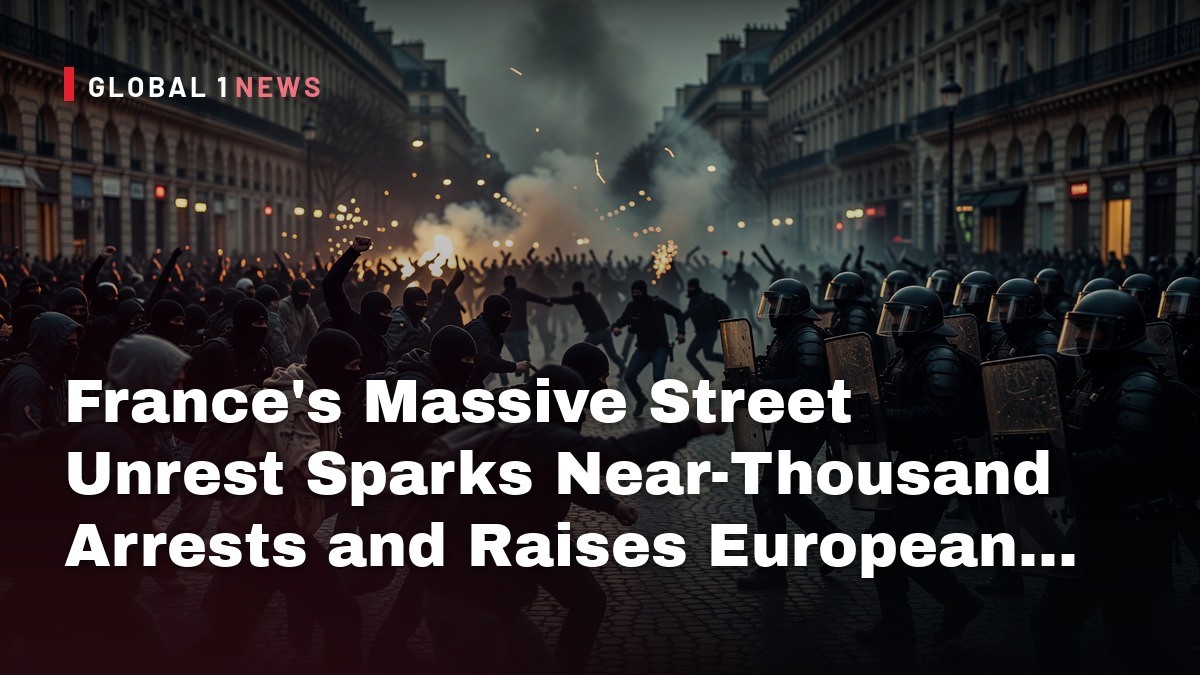
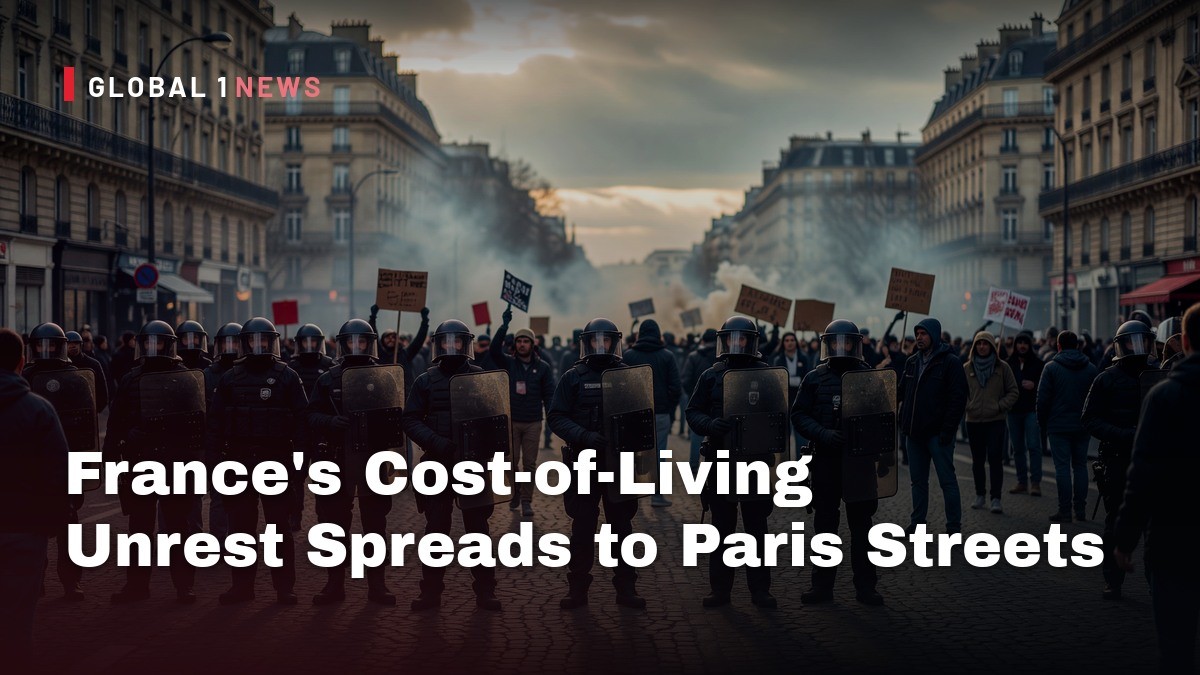
The Channel 4 report highlighted a parallel development that is shaping the conversation in Westminster: the ascent of Marine Le Pen’s National Rally in France. The party’s growing influence has raised eyebrows across the UK, especially among those who fear that a closer EU relationship could be coloured by the resurgence of far‑right politics on the continent.
Le Pen’s platform, characterised by a hard line on immigration and a sceptical stance towards deeper integration, presents a paradox for Burnham’s overtures. While the Prime Minister is advocating for renewed ties and possibly freedom of movement, the political climate in a key EU member state appears to be shifting towards greater restriction. This juxtaposition has fueled debate about whether a re‑engagement with the EU would be feasible or desirable under a potentially less welcoming political environment.
Commentators have noted that the National Rally’s rise could influence the EU’s negotiating posture, potentially making any future talks on re‑joining more complex. The UK, keen to secure favourable terms, may find its leverage diminished if the EU’s internal politics tilt towards a more protectionist stance. This dynamic adds another layer of uncertainty to Burnham’s proposal, prompting both supporters and detractors to weigh the strategic implications of a changing European political landscape.
Public sentiment and the freedom of movement debate
Public opinion on freedom of movement remains deeply divided. Since the 2016 referendum, the topic has been a flashpoint for discussions on national identity, economic opportunity and social cohesion. Burnham’s suggestion of reinstating free movement has reignited these debates, with advocacy groups on both sides preparing to mobilise.
Pro‑EU organisations argue that freedom of movement could alleviate labour shortages in sectors such as healthcare, agriculture and construction, while also boosting tourism and cultural exchange. They point to the potential for a more competitive labour market that could drive productivity and innovation, aligning with the government’s broader economic objectives.
Conversely, sceptics warn that a return to unrestricted movement could strain public services, particularly in areas already experiencing housing shortages and pressure on the NHS. They contend that any policy shift must be accompanied by robust immigration controls and clear safeguards to protect the welfare state. The Channel 4 footage captured a range of public reactions, from hopeful optimism about renewed European ties to cautious apprehension about the practical implications of open borders.
Implications for devolved administrations
The prospect of re‑joining the EU and restoring freedom of movement carries distinct implications for Scotland, Wales and Northern Ireland, each of which has its own relationship with both Westminster and the EU. In Scotland, where pro‑EU sentiment remains strong, the Scottish Government may welcome a UK‑wide move that aligns with its own aspirations for closer European integration.
Welsh authorities, meanwhile, have historically balanced EU funding benefits with a cautious approach to sovereignty issues. A UK‑wide shift could open new avenues for regional development funds, but would also require coordination on policy implementation across devolved competencies.
Northern Ireland occupies a particularly sensitive position, given the post‑Brexit trade arrangements that have already placed it at the centre of cross‑border tensions. Freedom of movement could simplify the movement of people across the island, yet any change would need to be carefully calibrated to avoid destabilising the delicate balance established by the Northern Ireland Protocol. The Prime Minister’s call for an “honest discussion” thus inevitably invites scrutiny from devolved leaders, who will be keen to ensure that any UK‑wide policy respects the distinct legal and political contexts of their regions.
Looking ahead: the road to a potential EU re‑engagement
Burnham’s invitation to revisit the EU relationship sets the stage for a protracted political process. The next steps are likely to involve a series of parliamentary debates, committee inquiries and possibly a public consultation to gauge the appetite for a new EU framework. Within Whitehall, the Foreign Office and the Treasury will need to coordinate closely to assess the fiscal and diplomatic ramifications of any shift.
Should the government decide to pursue a formal re‑engagement, negotiations would have to address core issues such as budget contributions, regulatory alignment, and the status of the UK’s trade agreements with non‑EU partners. The rise of the National Rally in France adds a variable to this equation, potentially influencing the tone of EU negotiations and the concessions that might be on the table.
For now, the Prime Minister’s call remains a catalyst for debate rather than a concrete policy shift. As the budget looms and the political climate in Brussels and Paris evolves, the UK will watch closely how Burnham’s overtures are received both at home and abroad. The outcome will shape not only the UK’s economic trajectory but also its place in a Europe that is itself navigating a wave of political change.
By Erica Thornton, Staff Writer
This article was produced with AI-assisted research and editorial support. Reporting is based on the source material cited below. Sources: Channel 4 News video report (25 October 2026); Channel 4 News; Global1.News
What's Your Reaction?
 Like
0
 Dislike
0
 Love
0
 Funny
0
 Wow
0
 Sad
0
 Angry
0

US Politics and Policy Correspondent at Global1.News. Based in Washington DC, covering American politics, policy, elections, and the courts. Knows how the system works and tells you what it actually means.









Comments (0)