
Boos and Absences Cast Shadow Over Emancipation Day Observance in Trinidad and Tobago
A Day Meant for Unity Turns Tense Emancipation Day in Trinidad and Tobago has always stood as a moment to honour the abolition of slavery on 1 August 1834 and to reflect on the struggles of our ancestors.
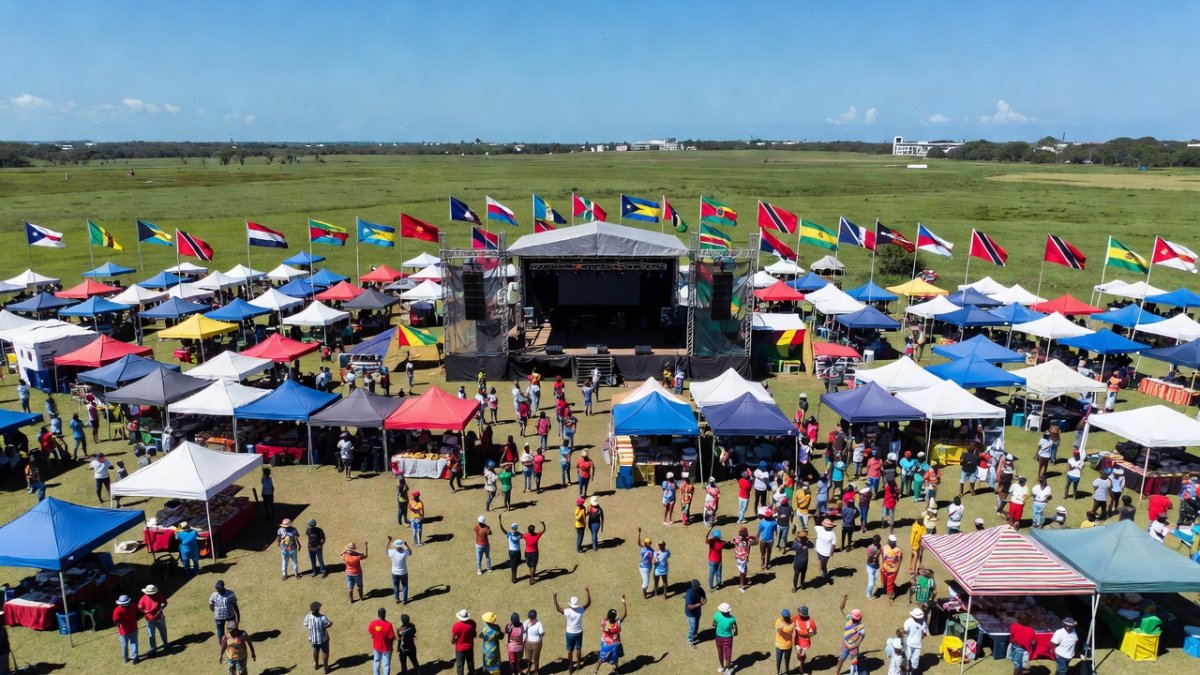
A Day Meant for Unity Turns Tense
Emancipation Day in Trinidad and Tobago has always stood as a moment to honour the abolition of slavery on 1 August 1834 and to reflect on the struggles of our ancestors. This year the main observance at the Lidj Yasu Omowale Emancipation Village in Queen's Park Savannah was meant to bring the community together in celebration and remembrance. Instead the absence of Prime Minister Kamla Persad-Bissessar created an atmosphere of disappointment and division that rippled through the crowd and beyond.
Emancipation Day carries deep meaning across the Caribbean, marking the moment when the British Empire ended legal slavery in 1834. In Trinidad and Tobago the date serves as a reminder of resilience and the long road toward dignity for people of African descent. Communities gather each year to celebrate survival while acknowledging the sacrifices that shaped our shared history and continue to influence how we view belonging in a multi-ethnic society.
The booing at the Emancipation Village reveals underlying tensions in Trinidad and Tobago politics, where cultural events often become spaces for expressing frustration with leadership. Such reactions highlight how racial and political divides can surface even on days meant for unity. Observers across the region note that these moments test the strength of our commitment to inclusive national identity.
What Unfolded at the Emancipation Village
Dr Asha Kambon, director of the Emancipation Support Committee of T&T, had to announce to the gathering that the Prime Minister was ultimately unable to attend. The news drew boos, cheers and shouts of "Thank God" from those present. Kambon moved quickly to calm the situation, reminding everyone of the non-partisan spirit that should guide the day. She spoke warmly about hospitality, saying "When we have a guest in our house, no matter which guest we have in our house and you know one thing about Emancipation is that it is not partisan. When we have a guest in our house and guests in our house, we treat them with respect the way we treat any guest in our house... Any guest is treated with the same respect. I know people have their own personal feelings and maybe they are thinking all sorts of thoughts, but what I ask you to do is hold those thoughts because a guest in our house is a guest that is well treated."
The Emancipation Support Committee has long organised these gatherings to foster cultural pride and community reflection. Its role in maintaining the Lidj Yasu Omowale Emancipation Village underscores a tradition of open participation that welcomes diverse voices while honouring African heritage. This approach helps preserve the day as a space for collective memory rather than partisan display.
Reactions from the crowd illustrate how political behaviour can intrude on cultural observances in Trinidad and Tobago. The mix of boos and cheers shows deep feelings about representation and respect. In a nation where two major parties often frame cultural participation differently, such incidents remind us that healing requires consistent dialogue across divides.
The Prime Minister's Direct Response
In a WhatsApp message to Guardian Media the Prime Minister clarified her position. She stated she never committed to attending that event and explained she had attended two African emancipation events on Thursday. She added she was spending the day with her family. The message continued that she was sorry "those persons who were eagerly waiting to insult and curse me were disappointed. They should not worry; there will always be another event where they may have the opportunity to hurl curses and insults at me." She also noted she attended two wonderful emancipation events on Thursday in PoS and San Fernando organised by the office of the Prime Minister and another by Minister Benjamin.
The Prime Minister's words reflect the challenges leaders face when balancing family time with public expectations during national commemorations. Her earlier attendance at events in Port of Spain and San Fernando demonstrates active engagement with Emancipation celebrations across the country. This pattern shows how officials often spread their presence to reach different communities during the holiday period.
Critics and supporters alike interpret such absences through the lens of longstanding racial politics in Trinidad and Tobago. The Prime Minister's reference to being criticised whether she participates or not points to the difficult position of leaders navigating expectations from various cultural groups. These exchanges reveal the ongoing work needed to build trust in a diverse society.
Ministers Step Forward in Defence
Minister of Works and Infrastructure Jearlean John defended the Prime Minister's record of participation. She pointed out the sold-out Culture Minister's programme in San Fernando and a big Emancipation lunch at the Diplomatic Centre that ran until 11 pm. John emphasised that the Prime Minister attended so many Emancipation celebrations and that the highlight was the programme the Honourable Minister of Culture had in San Fernando. Minister of Culture and Community Development Michelle Benjamin called the boos misdirected and urged focus on national cultural icons such as Ella Andall whose "freedom chants is what we march to." Andall is currently in St Ann's hospital and Benjamin asked for privacy and dignity for her and her family. Benjamin also praised the Prime Minister as a freedom fighter for Trinidad and Tobago who "is always here, always with us."
Ella Andall stands as a revered figure whose music and activism have inspired generations in the fight for cultural recognition. Her freedom songs continue to echo through Emancipation observances, reminding participants of the spiritual and artistic dimensions of liberation. The call for privacy during her hospital stay reflects the community's respect for icons who have given so much to national heritage.
Defence from ministers highlights how government officials seek to redirect attention toward positive contributions rather than controversy. By emphasising sold-out programmes and personal presence, they aim to show commitment to Emancipation values. This approach helps maintain focus on the day's deeper purpose amid political noise.
A Remark Sparks Further Political Tension
Former culture minister Randall Mitchell criticised the Prime Minister after she suggested the Opposition should invite Star Sabga and Jenna Hadeed to perform at future Emancipation celebrations. Mitchell called the remark "beneath the office." The Prime Minister had said "If the PNM MPs and their supporters don't want East Indians to participate in Emancipation events that's their democratic choice. Maybe next year the PNM could lobby UTT to invite Star Sabga and Jenna Hadeed for a spoken word performance instead." This comment came after a tassa performance and classical Indian dance at a University of Trinidad and Tobago event had already stirred debate about cultural participation.
The suggestion about inviting Indo-Trinidadian performers touches on sensitive questions of inclusion during African-centred celebrations. Tassa drumming and classical Indian dance represent rich traditions that enrich Trinidad and Tobago's cultural landscape. Debates around their place at Emancipation events show the delicate balance required when honouring specific histories while embracing the nation's diversity.
Criticism from the opposition underscores how remarks on cultural participation can quickly become flashpoints in Trinidad and Tobago politics. Both parties have supporters who feel strongly about representation at national events. These exchanges demonstrate the need for careful language when discussing shared spaces in a plural society.
Indian High Commission Adjusts Its Plans
The Indian High Commission in Port of Spain postponed its Indian Diaspora Day from 1 August to 8 August after the original date clashed with the national observance of Emancipation Day. The decision followed public criticism that 1 August is not simply a public holiday but a day dedicated to commemorating the abolition of slavery and honouring the struggles and sacrifices of enslaved Africans. The move highlighted how regional and diaspora events must carefully respect the deeper meaning of the date across the Caribbean.
The postponement illustrates the importance of cultural sensitivity when scheduling events that overlap with significant national commemorations. In Trinidad and Tobago, where African and Indian heritages form major pillars of identity, such adjustments help maintain harmony. Neighbouring Caribbean nations often watch how these matters are handled, recognising similar dynamics in their own multicultural settings.
Public response to the date clash shows growing awareness of Emancipation Day's unique significance beyond a simple holiday. Communities expect institutions to acknowledge the historical weight of 1 August. This awareness strengthens the day's role as a focal point for reflection on justice and equality throughout the region.
Looking Ahead to Healing and True Unity
These events show how Emancipation Day continues to test our commitment to unity in Trinidad and Tobago. The boos at the Emancipation Village, the Prime Minister's sharp response and the diplomatic adjustment by the Indian High Commission all point to ongoing tensions around race relations and political participation. With the United National Congress and the People's National Movement holding different views on cultural involvement the day reminds us that true emancipation requires ongoing dialogue and respect.
The Emancipation Support Committee has long stood for this inclusive spirit and the coming year offers a chance to rebuild that sense of shared purpose across our diverse nation. Its consistent work in organising village events helps create spaces where people can express feelings while upholding hospitality. Such efforts support the broader Caribbean goal of fostering unity without erasing distinct histories.
As we remember the sacrifices of 1834 and honour icons like Ella Andall the community must work to ensure future observances strengthen rather than divide us. Neighbouring islands look to Trinidad and Tobago for examples of how to navigate racial and political tensions during cultural commemorations. Through continued respect and open conversation we can move closer to the full promise of emancipation for all citizens.
By Sharon Sahatoo, Staff WriterThis article was produced with AI-assisted research and editorial support. Reporting is based on sources cited in the article.
What's Your Reaction?
 Like
0
Like
0
 Dislike
0
Dislike
0
 Love
0
Love
0
 Funny
0
Funny
0
 Wow
0
Wow
0
 Sad
0
Sad
0
 Angry
0
Angry
0
Caribbean Correspondent at Global1.News. Based in Port of Spain, Trinidad, covering Caribbean politics, economy, energy, climate, and culture. Amplifying the voices and stories of the Caribbean region.












Comments (0)