
Bangkok Salon Founder Shares Hair Protection Tips for Thailand's Heat and Indoor Routines
Bangkok Post's Fine Time series continues to celebrate aging with grace in Thailand, and the behind-the-scenes clip for its second episode offers practical hair care guidance from a Bangkok salon founder. The video, titled "Protect your hair outdoors and indoors," shares advice tailored to the country's tropical conditions and modern lifestyles.
Bangkok Post's Fine Time series continues to celebrate aging with grace in Thailand, and the behind-the-scenes clip for its second episode offers practical hair care guidance from a Bangkok salon founder. The video, titled "Protect your hair outdoors and indoors," shares advice tailored to the country's tropical conditions and modern lifestyles. Wiput "Tate" Jaruthamakorn, co-founder of Roof Hair Salon in the Sukhumvit area, draws on more than 20 years of experience to explain how daily habits protect hair health.
Bangkok Salon Founder Shares Hair Protection Tips for Thailand's Heat and Indoor Routines
Bangkok, Thailand — The behind-the-scenes video for the second episode of Bangkok Post's Fine Time series features Wiput "Tate" Jaruthamakorn explaining how to safeguard hair in Thailand's climate. At 39 years old and an architecture graduate who entered hairdressing despite family concerns over gender stereotypes, Tate has spent more than two decades building Roof Hair Salon in Sukhumvit. His insights connect directly to the Fine Time series' focus on respecting elders and maintaining confidence through the years.
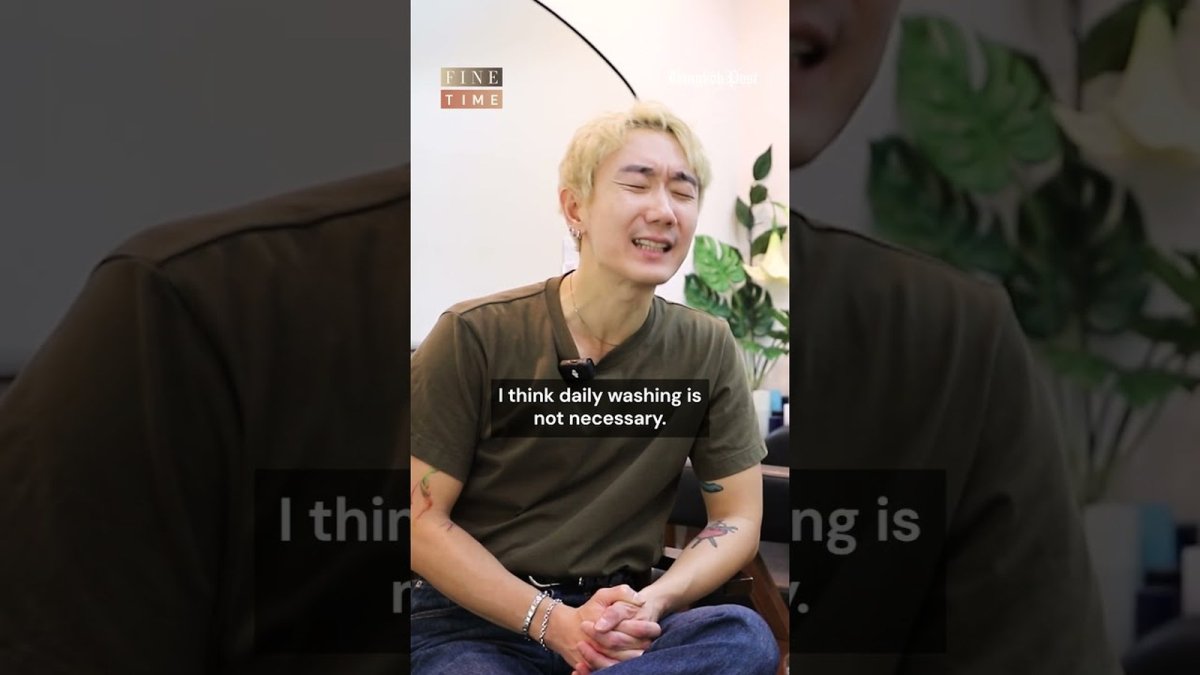
Protecting Hair in Thailand's Tropical Heat
Thailand's intense sun and urban pollution in Bangkok demand extra care for those who work outdoors. In the Sukhumvit district where Roof Hair Salon operates, construction crews, street vendors near busy markets, and motorbike taxi riders face relentless grime that clings to hair and scalp. UV rays speed up the natural deterioration of hair roots that occurs with age, leading to finer strands and faded colour on dyed hair, so Tate recommends wearing a hat or headscarf as a practical barrier and applying leave-on serums for added UV protection.
Frequent washing becomes necessary because of pollution, which means choosing a shampoo formulated for everyday use to avoid stripping the scalp. Workers on high-rises and vendors at open-air stalls across Bangkok find that this routine, paired with simple protective gear, keeps roots healthier without complex regimens. The advice aligns with the "Protect your hair outdoors and indoors" video's emphasis on real-world habits suited to local daily life rather than commercial ideals of ultra-smooth hair.
Indoor Lifestyles Change the Hair Care Rules
People who spend most of their time indoors follow different routines. Two to three washes per week suffice because the natural oil produced by the body moisturises the hair and scalp, so daily shampooing is unnecessary. If hair feels sticky from sweat or product residue, a simple rinse with water alone does the job, preserving the scalp's balance in the air-conditioned offices and condominiums common across Bangkok.
Air-conditioned environments create a stark contrast to the streets outside, where indoor workers experience less pollution but still contend with dry air that can strip natural oils. Remote workers, many based in Sukhumvit condominiums, gained more flexibility after the pandemic shifted professionals away from daily commutes and salon visits. Outdoor workers in the same city must wash more frequently due to pollution, while indoor professionals preserve moisture by washing less — a contrast that reflects broader patterns across ASEAN, where humidity and aging populations shape daily routines.
Washing and Drying the Right Way
Hair health begins with proper washing technique. Apply shampoo to the scalp where oil builds up, allowing it to run down the strands during rinsing. Follow every wash with conditioner to restore the scalp's pH, which turns mildly alkaline during washing as cuticles open to release built-up residue. Skipping conditioner leaves those cuticles open, causing long-term damage that many people mistake for volume.
When wet, hair is most vulnerable, so squeeze gently with a towel instead of rubbing. Even in Thailand's humid climate, air-drying is not advisable because a damp scalp can lead to bacteria build-up; blow-drying should focus on the scalp with moderate heat rather than the ends. Conditioner types matter too — those formulated for daily use help neutralise effects without weighing down the finer hair that comes with age. These steps prove vital for residents dealing with tropical moisture that traps dampness near the roots.
Hair Loss, Thinning, and Confidence in Later Years
Hair loss often accompanies aging, particularly for men with higher testosterone levels. Treating it early makes a difference, and modern hair transplants have improved in efficiency and become cheaper than they were ten years ago. Nutritious food supports the roots to create stronger, thicker hair, and shorter styles create the appearance of fuller hair — if the top is thinning, keeping the sides short helps create balance.
Dyeing or highlighting can provide a boost of confidence when waking to see grays, using modern products that reduce chemical risk through patch testing. "If colouring helps you feel confident when you wake and look in the mirror, go for it," Tate said. This approach suits Thailand's cultural respect for elders, allowing older adults to maintain personal style without following fleeting trends. Consulting a doctor early ensures tailored steps for those noticing thinning, helping men and women in urban Thailand feel empowered rather than resigned.
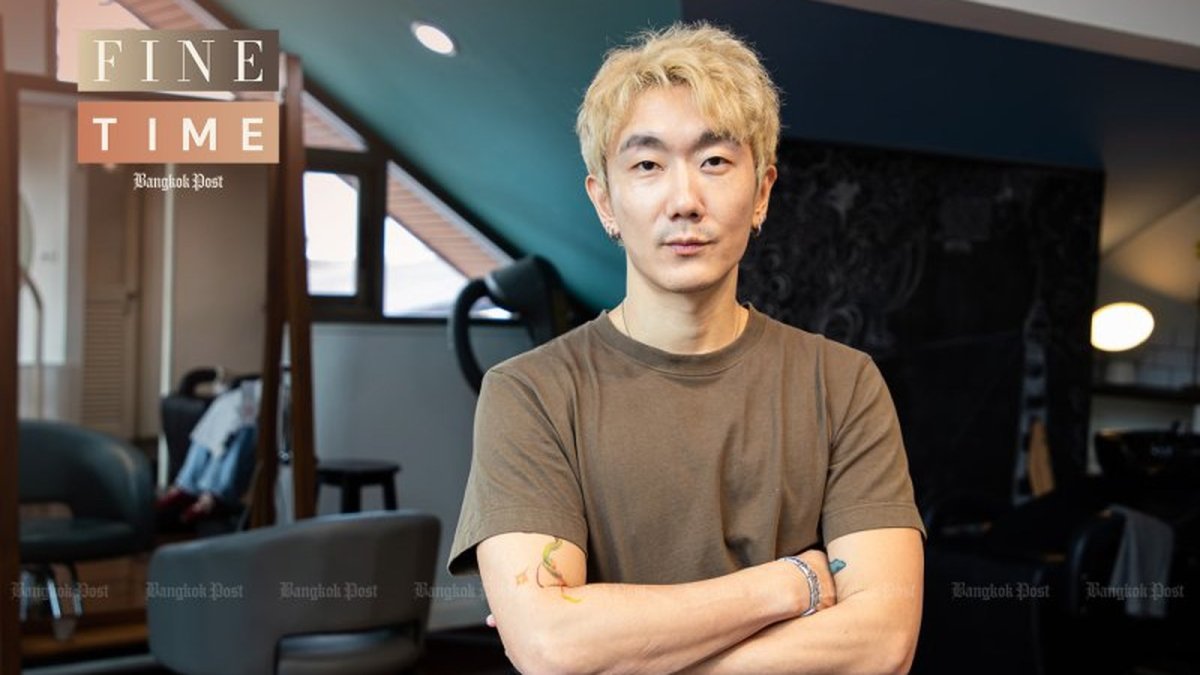
Thailand's Salon Culture and Community
Thailand's salon scene reflects respect for elders and community ties. Neighbourhood spots like Pimol Hair near Tao Poon Market, where owner Nong has served clients from kindergarten children to grandparents for 25 years, contrast with high-end mall salons. After the Purple MRT line opened, parking difficulties reduced foot traffic for such local shops, and post-Covid habits shifted many customers toward styling their own hair at home between visits.
Male hairdressers like Tate faced stereotypes that viewed the profession as women's work, with family questioning his choice despite his architecture background. Complex regulations requiring licences for handling hazardous chemicals add further layers for an industry that rarely appears on lists of occupations at risk from artificial intelligence. These realities shape a salon culture where respect for elders meets practical service in everyday communities, and the Fine Time series highlights this wisdom across Southeast Asia's similar climates.
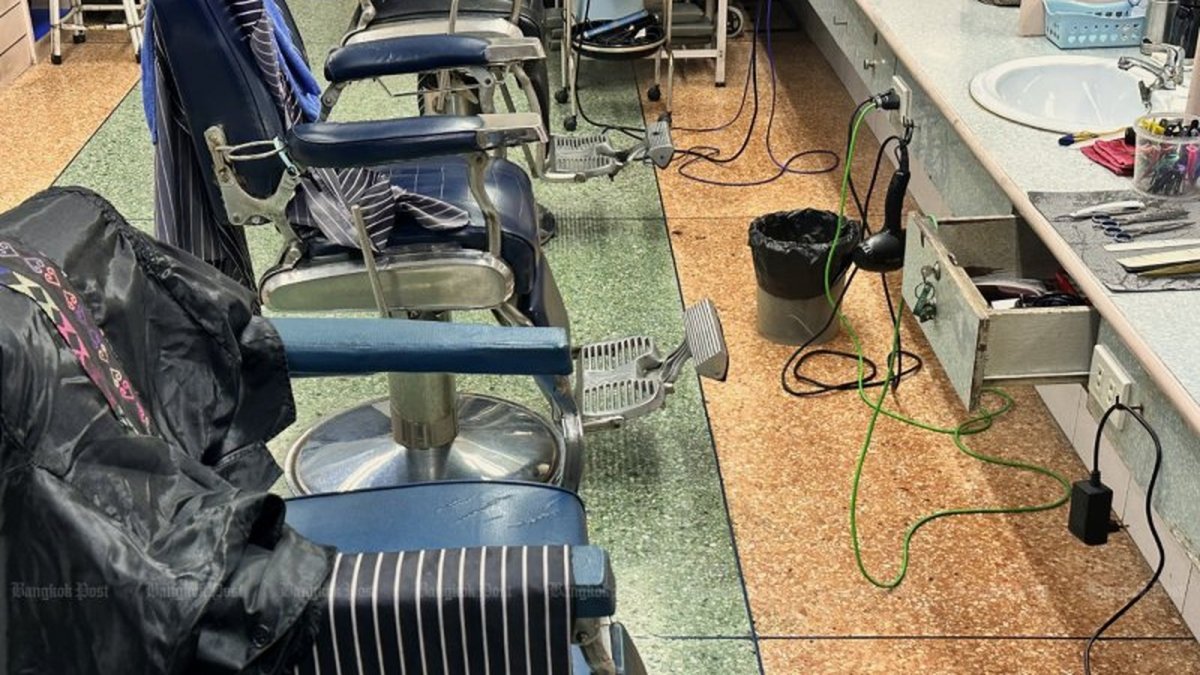
The contrast between neighbourhood salons and high-end venues in shopping malls reflects how Thailand's beauty industry serves different generations. Community salons remain a trusted source of affordable expertise, where a stylist who has known a family for decades can offer advice attuned to an individual's health and habits. For the wider region, where many Southeast Asian countries share Thailand's tropical heat and rapidly aging populations, these lessons on scalp care, UV protection, and gentle washing routines travel well beyond Bangkok's sois.
What to Watch For
Viewers can find the behind-the-scenes video on Bangkok Post's official YouTube channel. The tips emphasise that healthy hair suits personality and lifestyle rather than matching commercial ideals of ultra-smooth strands. Foundation habits such as good food, proper sleep, and regular exercise support hair from within, while treating the scalp like facial skin keeps roots hydrated as they change with age.
These insights from Wiput "Tate" Jaruthamakorn remind Thai audiences that small daily adjustments honour both personal well-being and the graceful aging celebrated in the Fine Time series. Community salons continue to play a central role in sharing such knowledge across generations, one haircut and one conversation at a time.
By Ann Srisawat, Staff Writer
This article was produced with AI-assisted research and editorial support. Reporting is based on sources cited in the article.
What's Your Reaction?
 Like
0
Like
0
 Dislike
0
Dislike
0
 Love
0
Love
0
 Funny
0
Funny
0
 Wow
0
Wow
0
 Sad
0
Sad
0
 Angry
0
Angry
0

Southeast Asia Correspondent at Global1.News. Based in Bangkok, covering Thai and Southeast Asian politics, economy, technology, and culture. Deep regional perspective on one of the world's most dynamic regions.












Comments (0)