
Bafana Bafana's 2026 World Cup Run and Key Lessons
The 2026 FIFA World Cup delivered its final verdict on July 19 when Spain defeated defending champions Argentina 1-0 after extra time at New York New Jersey Stadium in East Rutherford. Bafana Bafana etched their names into history by reaching the knockout rounds for the first time in four World Cup appearances. South African fans now weigh the lessons from a tournament that featured record African participation and persistent VAR disputes.
The 2026 FIFA World Cup delivered its final verdict on July 19 when Spain defeated defending champions Argentina 1-0 after extra time at New York New Jersey Stadium in East Rutherford. Bafana Bafana etched their names into history by reaching the knockout rounds for the first time in four World Cup appearances. South African fans now weigh the lessons from a tournament that featured record African participation and persistent VAR disputes.
Bafana Bafana's Breakthrough Exposes Both Progress and Pain in South African Football
Johannesburg, South Africa – August 2026 — The expanded 48-team tournament tested every nation under pressure, and South Africa's run under coach Hugo Broos revealed exactly where the game stands at home.
Bafana's Historic Breakthrough
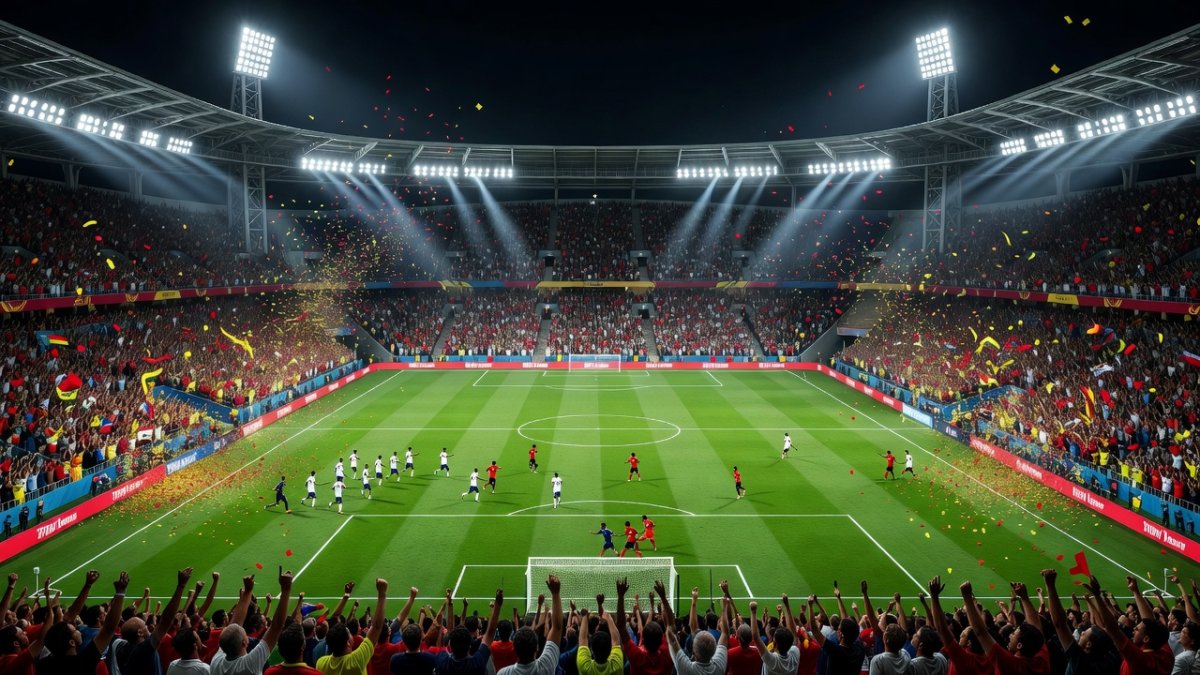
Bafana Bafana opened the tournament on June 11 with a 2-0 loss to co-hosts Mexico that included two red cards, after which African social media users responded with memes captioned "Mexico versus xenophobia" that referenced reports of violence in South Africa. On June 18 the team drew 1-1 with Czechia at Atlanta Stadium after a late penalty from Mokoena kept qualification hopes alive, and Thapelo Maseko scored the winner in a 1-0 victory over South Korea at Monterrey Stadium in Guadalupe, Mexico on June 24 to secure a round-of-32 berth before Canada ended the run with a 1-0 win on a late goal in Los Angeles on June 28. Sports Minister Gayton McKenzie stated: "It is with enormous pride and a heart full of gratitude that I congratulate Bafana Bafana on completing what has been the most extraordinary chapter in the history of South African football," adding that the pain of the late goal in Los Angeles will sting but no result can erase what the team gave the country over the past three weeks. This sequence of results marked the first time Bafana Bafana reached the knockout rounds of a FIFA World Cup in their fourth appearance after group-stage exits in 1998, 2002 and 2010 on home soil, and the campaign under Hugo Broos demonstrated that disciplined preparation could overcome early setbacks such as the red cards against Mexico and the late concession against Canada. The breakthrough carries particular weight because it arrived amid intense public scrutiny, with the memes highlighting how external social issues can intersect with on-field performance, yet the players responded by securing the vital draw against Czechia and the decisive win over South Korea that propelled them forward. South African supporters now recognise that the late goal in Los Angeles, while painful, does not diminish the broader achievement of advancing from a group that tested their resilience at every turn, and the minister's words underscore how this run has shifted national expectations toward sustained belief in the team's potential.
Africa's Record 10 Teams
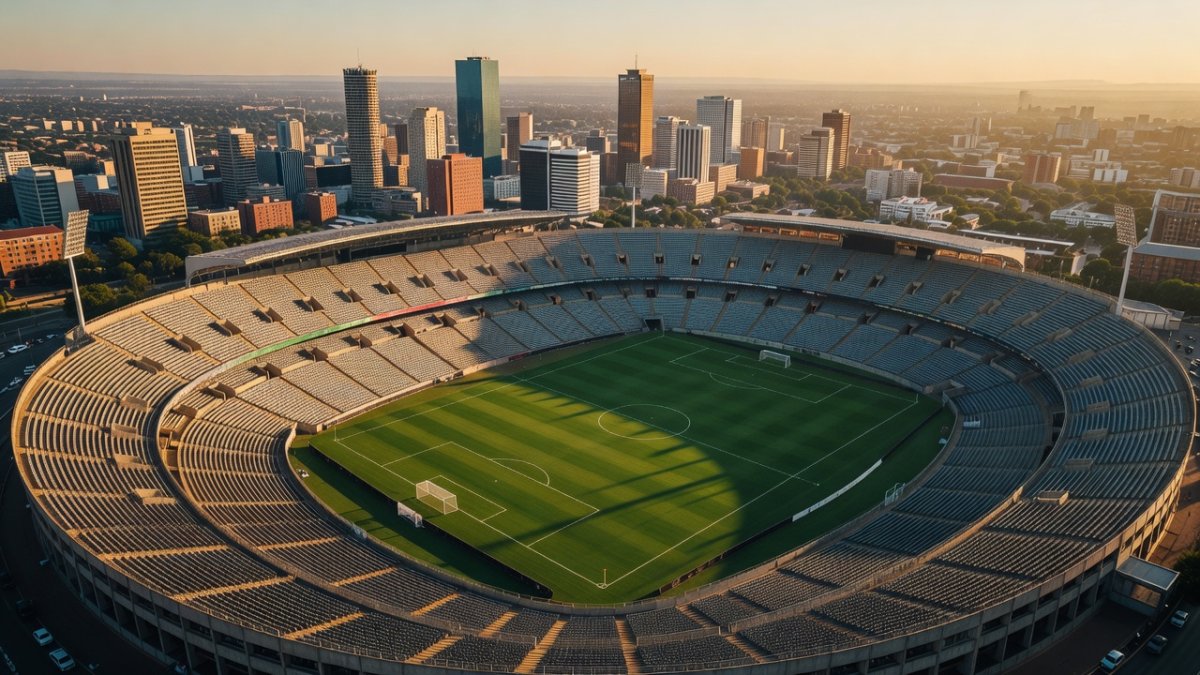
Ten African nations competed at the expanded tournament, the highest number ever, and Cape Verde reached the round of 32 in their debut before losing to Argentina at Miami Stadium on July 3. Their 40-year-old goalkeeper Vozinha made crucial saves against Spain and became a global figure, saying the run changed his life and could open doors for the next generation from the island nation, while the Cape Verdean achievement highlighted the strength of the country's diaspora communities and their cultural ties to the global game. Other African nations present alongside South Africa and Cape Verde added to the continent's strongest showing yet at the finals, and this collective presence illustrates how African football continues to grow on the world stage despite the challenges smaller nations face in sustaining such momentum. The record participation level allowed nations like Cape Verde to showcase tactical discipline and individual brilliance on a global platform, with Vozinha's performances serving as a reminder that experience and composure can elevate underdog sides even against established powers such as Spain. South African observers noted that the diaspora dimension of Cape Verde's success mirrors the potential for South African talent scattered across leagues abroad to contribute to future campaigns, and the overall African contingent demonstrated that expanded formats can create more pathways for emerging federations to gain valuable exposure. These developments reinforce the idea that consistent investment in youth and infrastructure across the continent can translate into deeper tournament runs, turning isolated breakthroughs into a broader wave of competitive progress.
VAR Controversies and the Refereeing Debate
VAR decisions shaped several outcomes, including Germany's penalty shootout exit to Paraguay amid ongoing disputes over interventions, and a Northeastern University study released on July 11 examined intervention rates across 34 teams and raised questions about whether certain sides received more favorable calls. These incidents forced South African supporters to confront how officiating technology affects smaller nations on the biggest stage, and the debate underscores the ongoing tension between technology and fairness across the tournament. Smaller federations now examine how consistent application of VAR can either level the field or create new imbalances that influence progression from group stages into knockouts. The study findings prompted discussions within South African football circles about the need for greater transparency in how interventions are applied, particularly when matches carry high stakes for nations still building their competitive depth. By highlighting disparities in call rates, the analysis revealed that technology alone does not guarantee equity, and South African fans saw parallels with their own experiences where marginal decisions can determine whether a historic run continues or ends abruptly. This scrutiny encourages federations to advocate for standardised training for officials and clearer protocols that protect the integrity of results for all participants, ensuring that the expanded tournament format does not inadvertently favour teams with greater resources to navigate the system.
Politics and the Beautiful Game
FIFA president Gianni Infantino scrapped a plan to sell stakes in competitions to private investors on August 1 after widespread opposition, and the tournament also featured visa controversies and direct links between matches and geopolitical tensions. South African fans saw once again that football governance decisions made in Zurich directly influence opportunities for Bafana Bafana and other African sides, and these governance shifts affect how resources flow to emerging nations and shape the broader landscape for future World Cup cycles. African stakeholders watch closely as decisions in Zurich continue to determine pathways for greater participation and competitive balance. The scrapped investment plan illustrated how external commercial pressures can threaten the autonomy of the game, prompting South African supporters to reflect on the importance of maintaining public oversight over tournament structures that directly impact their national team. Visa issues and geopolitical undercurrents further complicated travel and preparation for several sides, reminding observers that football does not exist in isolation from wider political realities. By monitoring these developments, South African football administrators gain insight into the levers that can either open or restrict access to international platforms, reinforcing the need for proactive engagement with global governance bodies to secure fair treatment and developmental support.
What Spain's Triumph Means
Spain claimed their second World Cup title with a 1-0 extra-time win over Argentina on July 19, and Ferran Torres scored the decisive goal in the 106th minute while Lamine Yamal celebrated the victory on the pitch. Kylian Mbappe of France finished with the Golden Boot after scoring 10 goals, and Lionel Messi could not overtake him in the final. The result underscored the gap that South African football must still close at the elite level, and Spain's second World Cup title echoed their 2010 success while the outcome reinforces how individual brilliance and team resilience combine to define champions in an expanded tournament format that tested depth across all 48 sides. South African analysts viewed the final as a benchmark for the tactical sophistication and squad depth required to compete at the highest level, noting that Spain's ability to manage extra time and deliver a late winner highlighted qualities that Bafana Bafana will need to cultivate through sustained domestic development. Mbappe's Golden Boot tally served as a reminder of the individual talent that can dominate expanded tournaments, yet the collective effort behind Spain's triumph showed that balanced team structures remain essential. For South African football, these lessons translate into a call for greater emphasis on match fitness, tactical flexibility and the nurturing of players capable of performing under the intense scrutiny of knockout stages.
South African Perspective: What Now for SA Football
Bafana Bafana's first knockout appearance gives SAFA concrete evidence that consistent preparation can produce results, and the run exposed gaps in the domestic calendar and the need for stronger grassroots pathways under the SA Sports Ministry. Transformation targets remain central, and the performances of players such as Thapelo Maseko and Mokoena show that targeted development can deliver players ready for high-stakes matches. Gayton McKenzie's public support signals political backing that must now translate into sustained funding for academies and youth structures, and South African football now stands at a crossroads where the lessons from 2026 can drive structural change that lifts the entire domestic game rather than remaining a one-off achievement. The breakthrough provides SAFA with tangible proof that strategic planning yields tangible rewards, yet the exposed shortcomings in scheduling and youth pipelines demand immediate attention to prevent future campaigns from stalling at similar stages. By prioritising transformation and channelling ministerial support into long-term academy investment, South African football can convert the momentum of this run into a foundation for repeated success, ensuring that emerging talents receive the structured environments needed to thrive on the global stage.
What to Watch For
South Africa must now build on the 2026 momentum through improved youth academies and clearer pathways into the national team setup, and the next AFCON cycle and 2030 qualifiers will test whether SAFA can maintain the standards set in the United States, Canada and Mexico. Fans expect the federation to use the McKenzie statement as a mandate for long-term investment rather than short-term celebration, and Bafana Bafana's historic run proved that South African football can compete when preparation meets opportunity, yet the late goal in Los Angeles and ongoing governance questions show the work still required to turn one breakthrough into sustained success. Continued focus on these areas will determine if the historic breakthrough becomes the foundation for sustained success or fades without deeper structural follow-through from the federation and ministry alike. The coming cycles offer a clear opportunity to embed the lessons of 2026 into everyday practice, from academy curricula to national-team selection processes, so that the progress achieved in North America evolves into a permanent elevation of South African football standards.
By Dante Williams, Staff Writer
This article was produced with AI-assisted research and editorial support. Reporting is based on sources cited in the article.
What's Your Reaction?
 Like
0
Like
0
 Dislike
0
Dislike
0
 Love
0
Love
0
 Funny
0
Funny
0
 Wow
0
Wow
0
 Sad
0
Sad
0
 Angry
0
Angry
0

Breaking News and Investigations Correspondent at Global1.News. Based in London, covering global breaking news, security, and investigative stories. Known for digging deeper and connecting the dots across continents.










Comments (0)