
Amravati NICU Fire Kills 3 Newborns: A Preventable Tragedy
Three newborns died when a fire broke out in the NICU of Amravati District Women's Hospital early Monday. With 39 infants admitted, six were shifted to a super-speciality hospital as Maharashtra ordered a probe into a possible ventilator explosion.
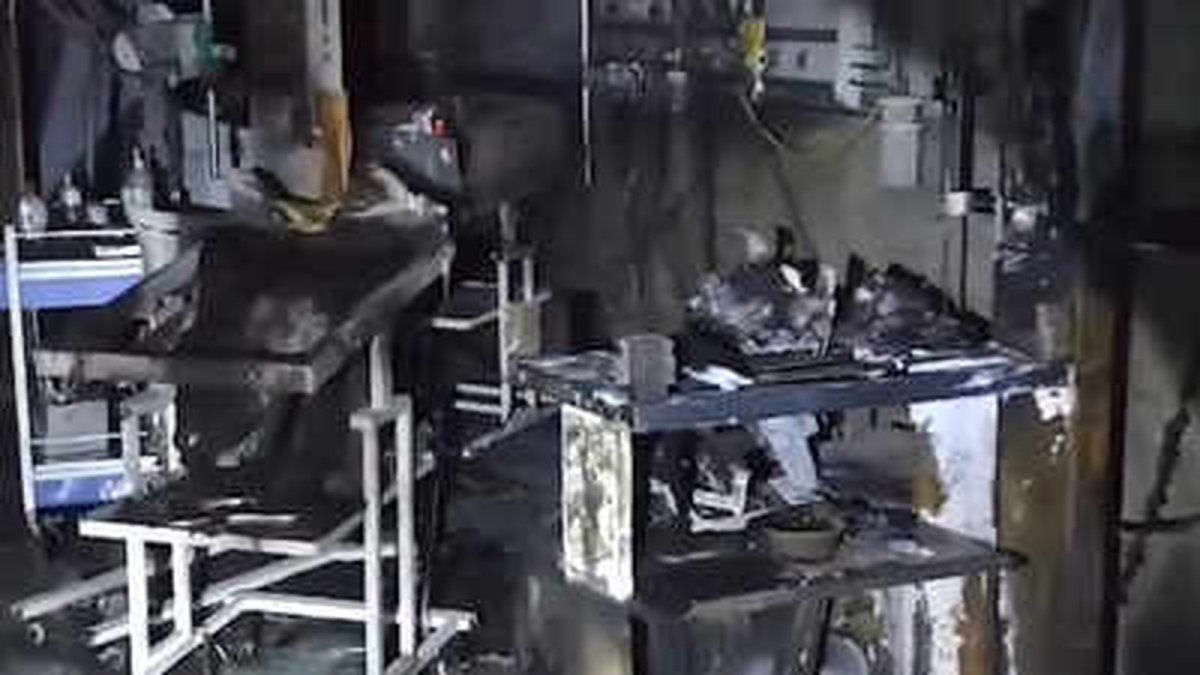
At approximately 3:30 am on Monday, August 24, 2026, a fire ripped through the Neonatal Intensive Care Unit (NICU) of the District Women's Hospital in Amravati, Maharashtra, killing three newborns and leaving six others fighting for their lives in referral facilities. The blaze, which erupted on the third floor of the hospital's newly constructed building, has reignited a painful national debate about fire safety in India's public healthcare infrastructure—a debate that has now visited the same hospital for the second time in four years.
Amravati NICU Fire: 3 Newborns Dead, 39 Admitted—A Preventable Tragedy Repeats Itself
Amravati, Maharashtra – August 24, 2026 — The tragedy unfolded in the pre-dawn darkness. With 39 newborns admitted across three rooms of the neonatal unit, the hospital's Sick Newborn Care Unit (SNCU) was stretched when preliminary information suggests an explosion in a ventilator may have sparked the fire. Zoom News reports that preliminary findings also point to a possible short circuit, though the exact cause has not been established and remains under investigation. What is certain is the grim toll: three infants, suffering severe burn injuries and smoke inhalation, were pronounced dead—a fact confirmed by Badnera MLA Ravi Rana.
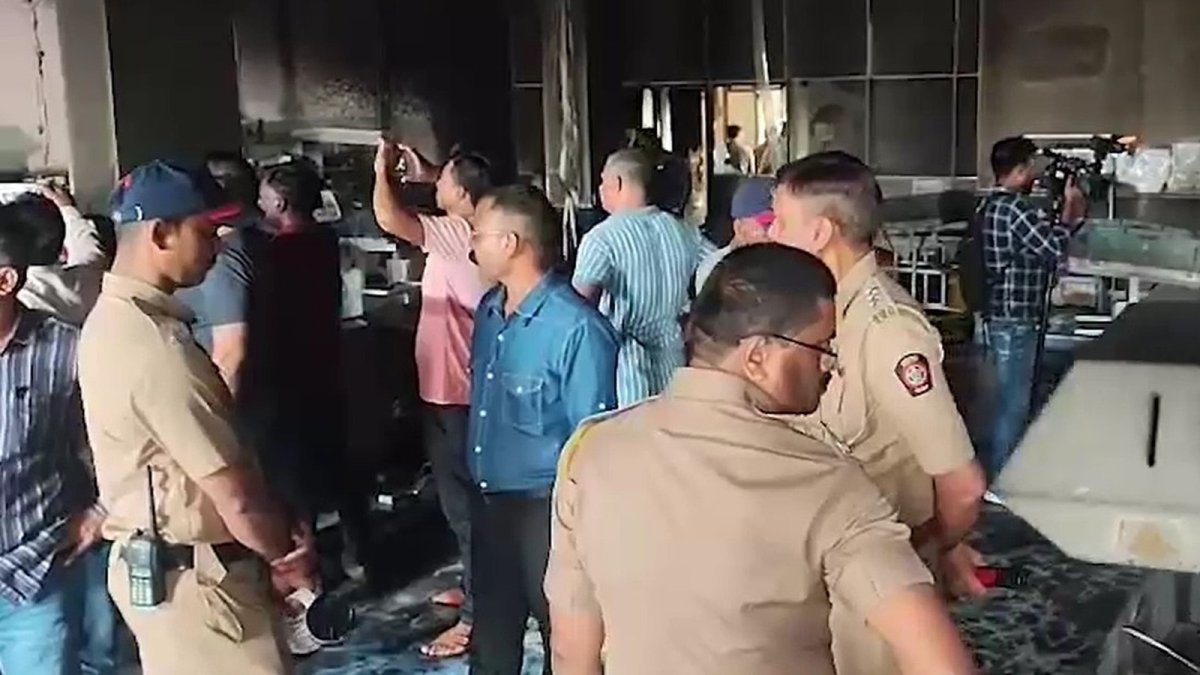
The Rescue Operation: Staff on the Frontline
In the chaotic minutes following the alarm, doctors, nurses, and hospital staff on duty initiated immediate evacuation and rescue efforts. Newborns were hastily removed from ventilators and moved to safer areas within the hospital complex. The fire brigade arrived shortly after the alarm was raised, but the damage was already done. Six other newborns were shifted to a super-speciality hospital for further treatment—with some reports indicating the Divisional Referral Hospital received four infants, one of whom is said to be critical. Their current condition has not been officially updated. District Civil Surgeon Dr. Vinod Pawar is overseeing the medical response, with some affected children admitted to PDMC Hospital. Former Amravati MP Navneet Rana also reached the hospital to assess the situation.
Government Response: Probe Ordered, Minister Assures Action
The political response was swift. Chief Minister Devendra Fadnavis was briefed about the incident, and the Maharashtra government has ordered a formal probe. State Revenue Minister Chandrashekhar Bawankule, who is in constant contact with the district administration, issued a statement that sought to balance accountability with assurance. "I have ordered a complete inquiry into this incident. Treatment of those who are injured is underway. They are being provided with all kinds of medical assistance, and facilities are being arranged so that they can recover soon," Bawankule said. He added, "The government stands firmly with the relatives of the deceased children, and the government and administration are providing complete assistance. I am in constant contact with the district administration and have given all necessary instructions." The hospital administration has initiated its own inquiry, with authorities expected to examine equipment and electrical systems inside the NICU, and to determine whether required fire-safety measures and emergency protocols were in place and followed.
A Haunting Precedent: The Same Hospital, The Same Ward, 2022
For the people of Amravati, this is not a new nightmare. On Sunday, September 26, 2022, a fire broke out in the NICU of this very same district women's hospital—also due to a short circuit in one of the ventilator machines. On that occasion, all 12 infants admitted were rescued unhurt and shifted to superspeciality and other hospitals. The 2022 incident was a near-miss that should have served as a warning. It did not. The recurrence of a ventilator-related fire in the same unit, in the same hospital, within four years, raises profound questions about whether the lessons of 2022 were ever institutionalized—or whether they were filed away and forgotten.
The Bhandara Shadow: A National Scar That Didn't Heal
This tragedy is not isolated. On January 9, 2021, during the Covid-19 pandemic, 10 newborns died in a fire at the NICU in the district hospital in Bhandara, Maharashtra. That incident triggered a national outcry and, as Deccan Herald notes, "Post that, the government came out with several measures to ensure that such incidents are not repeated." Yet, five years later, the same state is burying infants again. The Bhandara tragedy led to audits, guidelines, and promises. The Amravati fire of 2026 proves that the gap between policy and practice remains dangerously wide. The recurring nature of these hospital fire safety failures has sparked a national debate about administrative negligence and fire-safety enforcement in public hospitals. Zoom News has pointedly noted that recent fire incidents across hotels in multiple cities, claiming more than two dozen lives, have renewed questions about why safety enforcement in India so often follows tragedy rather than preventing it.
India's SNCU Network: A Lifeline With a Fatal Flaw
This tragedy strikes at the heart of India's declared national priority: newborn care. Under the National Health Mission, the government has built a network of Special/Sick Newborn Care Units (SNCUs) at district hospitals—12 to 20-bedded units with round-the-clock doctors and nurses. By 2016, 661 SNCUs had been set up across the country, covering 66 per cent of district hospitals, and the network has expanded significantly since. These units were designed to be the frontline defense against India's persistently high neonatal mortality rate, which remains among the world's highest, with a large share of under-5 deaths occurring in the first 28 days of life. The SNCU at Amravati was precisely such a unit—a place where the most vulnerable patients in the country, newborns fighting for survival, were supposed to receive intensive, life-saving care. Instead, on August 24, 2026, it became a death trap. The question that must be asked is not whether the SNCU network is a good idea—it is—but whether the equipment, electrical systems, and fire-safety protocols within these units are being maintained to the standards that the National Health Mission mandates.
Ventilators and Vulnerabilities: The Equipment Question
The preliminary focus on a ventilator explosion is deeply concerning. Ventilators are life-support machines, often running continuously, drawing significant electrical load. In a NICU, where multiple ventilators, monitors, and infusion pumps operate simultaneously, the electrical infrastructure must be robust, with redundant safety systems. The 2022 Amravati fire was caused by a short circuit in a ventilator. If the preliminary findings in the current incident point again to a ventilator or electrical fault, it suggests a systemic failure in equipment maintenance, procurement standards, or electrical load management across Maharashtra's district hospitals. The inquiry must examine not just what happened in the early hours of August 24, but why the recommendations from the 2021 and 2022 investigations were not implemented to prevent this recurrence.
The Human Cost: Beyond the Statistics
Behind the numbers—three dead, 39 admitted, six shifted—are families whose lives have been irrevocably shattered. The parents who entrusted their newborns to a government hospital, believing it to be a place of healing, have lost everything. For the six infants now fighting for their lives in referral hospitals, the coming days will be critical. The one infant reported to be in critical condition at the Divisional Referral Hospital represents a family in agonizing limbo. The Maharashtra government's promise of "complete assistance" must translate into not just compensation, but world-class medical care for the survivors and a transparent, time-bound investigation that names those responsible for any lapses.
The Bottom Line
Three newborns are dead in Amravati because a hospital NICU caught fire at 3:30 am. This is the second fire in the same unit in four years, and it follows a national tragedy in Bhandara that was supposed to change everything. India has spent more than a decade building its SNCU network—661 units by 2016, expanded since—to save its most vulnerable citizens, but infrastructure without maintenance is a hollow promise. The inquiry ordered by Chief Minister Devendra Fadnavis must go beyond identifying the immediate cause—whether a ventilator explosion or a short circuit—and examine the systemic failures that allowed a known hazard to persist. For the families of the deceased, for the parents of the six infants in critical care, and for the millions of Indians who depend on public hospitals, the question is stark: how many more newborns must die before fire safety in Indian hospitals becomes a reality, not a recommendation?
Disclosure: This article is based on verified reporting from India Today and multiple corroborating Indian news agencies.
— By Dr. Raj Patel, Staff Writer
This article was produced with AI-assisted research and editorial support. Reporting is based on sources cited in the article.
What's Your Reaction?
 Like
0
Like
0
 Dislike
0
Dislike
0
 Love
0
Love
0
 Funny
0
Funny
0
 Wow
0
Wow
0
 Sad
0
Sad
0
 Angry
0
Angry
0

India/South Asia Correspondent at Global1.News. Analytical voice with a background in science and health journalism. Based in New Delhi, covering Indian politics, education, healthcare, technology, and policy. Breaks down complex data into clear, actionable reporting.














Comments (0)