
Abdullah Ibrahim: Cape Jazz Legend Who Soundtracked Freedom Dies at 91
The world of jazz has lost one of its most luminous African voices. Abdullah Ibrahim, the South African pianist and composer whose 1974 masterpiece "Mannenberg" became an anthem of the anti-apartheid struggle, has died at the age of 91. His music, born in the streets of Cape Town and carried across the world through seven decades of exile and homecoming, leaves an indelible mark on the continent's cultural soul.
The world of jazz has lost one of its most luminous African voices. Abdullah Ibrahim, the South African pianist and composer whose 1974 masterpiece "Mannenberg" became an anthem of the anti-apartheid struggle, has died at the age of 91. His music, born in the streets of Cape Town and carried across the world through seven decades of exile and homecoming, leaves an indelible mark on the continent's cultural soul.
Abdullah Ibrahim: Cape Jazz Giant Who Soundtracked a Nation's Freedom Dies at 91
Cape Town, South Africa — The man Nelson Mandela once placed above Bach and Beethoven has fallen silent. Abdullah Ibrahim died peacefully in Germany, surrounded by family, after a short illness, his family announced earlier this week. Tributes poured in from presidents, musicians and fans across Africa and the world, honouring a career that turned the pain of apartheid into music of extraordinary beauty and resistance.
From District Six to the World Stage
Abdullah Ibrahim was born Adolph Johannes Brand in Cape Town in 1934 and grew up in the mixed-race area of District Six. He began playing piano at age seven under the influence of his mother and grandmother. His early years brought exposure to Khoi-San songs, gospel hymns, Cape carnival Klopse music, marabi, kwela and American jazz that shaped his distinctive sound from the start.
He made his professional debut at age 15 after attending Trafalgar High School. The young pianist co-founded the Dollar Brand Trio and soon joined the Jazz Epistles, the first Black South African band to record an album. The group featured Kippie Moeketsi, Jonas Gwangwa, Hugh Masekela, Johnny Gertze and Makaya Ntshoko.
The Jazz Epistles became a target of the apartheid government after the Sharpeville massacre in 1960. Their bold performances drew official scrutiny as the band pushed boundaries in a segregated society. Ibrahim's early work already carried the seeds of resistance that would define his later career.
District Six itself stood as a vibrant cultural hub where Cape Malay music mingled with classical influences and street rhythms. Young Brand absorbed these layers daily, turning them into a personal language on the keyboard. The neighbourhood's forced removals later echoed in his compositions.
By his late teens the pianist had already performed across Cape Town venues, building a reputation that reached beyond local circles. The Jazz Epistles album captured this moment before exile scattered the members. Their recordings remain landmarks in South African jazz history.
These formative years in Cape Town laid the foundation for a sound that blended township energy with deeper spiritual currents. Ibrahim carried District Six with him wherever he travelled, even after the neighbourhood's destruction under apartheid policies.
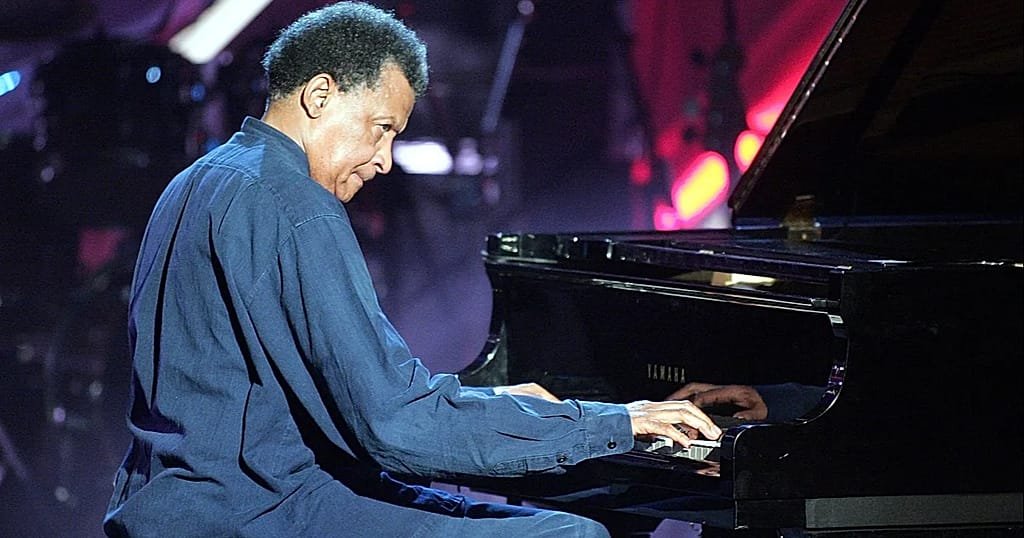
Exile, Ellington and the Making of a Global Sound
Ibrahim left South Africa in 1962 into exile and relocated to Switzerland. There he continued performing while navigating the uncertainties of life far from home. The move marked the beginning of decades spent building an international presence.
He was discovered by Duke Ellington in Zurich in 1963. This led to the release of Duke Ellington presents The Dollar Brand Trio, which opened doors in Europe and beyond. The encounter with Ellington proved pivotal for the young South African musician.
Ibrahim moved to New York and performed with the Duke Ellington Orchestra while studying at the Juilliard School of Music. In the city he interacted with John Coltrane, Pharoah Sanders, Don Cherry, Ornette Coleman and Cecil Taylor. These exchanges deepened his improvisational approach.
He married jazz singer Sathima Bea Benjamin in 1965 and they shared two children. The couple supported each other's artistic paths during years of travel and performance. Their partnership added vocal dimensions to Ibrahim's evolving work.
Ibrahim converted to Islam in 1968 and adopted the name Abdullah Ibrahim. This spiritual shift infused his music with new layers of reflection and discipline. The change coincided with a period of intense creativity in New York and Europe.
His compositions began blending African rhythms with jazz improvisation and spiritual depth, creating what became known as Cape jazz. The style carried echoes of his Cape Town roots while speaking to global audiences. Ibrahim's sound travelled from small clubs to major festivals across continents.
"Mannenberg": The Anthem of Resistance
Ibrahim returned temporarily to South Africa in 1973 and met record shop owner Rashid Vally at his Kohinoor Store in Johannesburg. Vally produced Underground in Africa and Mannenberg Is Where It's Happening, giving Ibrahim a platform back home. The meetings sparked one of the most significant recordings in South African music.
They recorded Mannenberg in 1974 with Basil Coetzee, Robbie Jansen, Monty Weber and Morris Goldberg. Basil Coetzee had been forcibly removed from District Six to the Manenberg township, bringing personal weight to the sessions. The track captured both celebration and loss in its buoyant, melancholy groove.
Mannenberg Is Where It's Happening sold more copies in 1974 and 1975 than any other South African jazz album before it. The tune became overtly political after being played at rallies and demonstrations across the country. Listeners recognised its evocation of township life and the pain of forced removals.
The recording session at the Kohinoor Store reflected the underground spirit of the era. Musicians worked with limited resources yet produced music that resonated far beyond the studio walls. Vally's support proved essential during a time of heavy censorship.
Mannenberg quickly moved from jazz circles into broader public consciousness. Families played the record at gatherings while activists adopted it as a symbol of defiance. The piece's simple yet powerful structure allowed it to travel across generations.
The album's success highlighted the hunger for authentic South African voices during apartheid. Ibrahim's return visit, though temporary, reconnected him with audiences who had followed his career from afar. Mannenberg stood as both artistic triumph and quiet act of resistance.
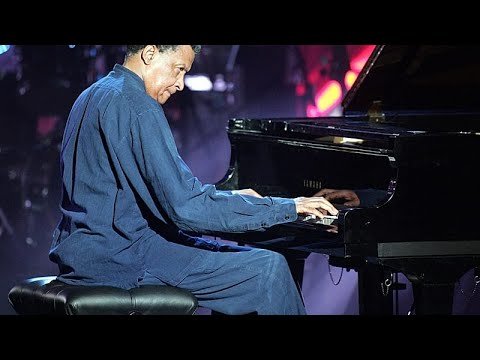
Homecoming: Mandela, the Inauguration and the New South Africa
Ibrahim spent decades in exile in New York and Europe before returning to South Africa after Nelson Mandela's release from prison. The homecoming allowed him to reconnect with the land that had shaped his earliest sounds. Performances in familiar venues carried renewed meaning.
He performed at the country's first democratic presidential inauguration in 1994. Mandela's famous praise followed when asked about Ibrahim: "Bach? Beethoven? We've got better." The remark captured the pride many South Africans felt toward the pianist's global achievements.
Ibrahim received the Order of Ikhamanga honour for his contributions to the nation. In 2019 he earned the Jazz Masters Award from the U.S. National Endowment for the Arts. He also held a black belt in karate and received the 2020 Spring Imperial Decoration from the Japanese government.
Even while based in Germany in his final years, Ibrahim remained deeply connected to his homeland. Regular visits and collaborations kept his music rooted in Cape Town rhythms. His presence continued to inspire younger generations of South African artists.
The inauguration performance marked a full circle from exile to national celebration. Ibrahim's music had accompanied the struggle and now sounded at the birth of democracy. Mandela's words underscored the cultural significance of that journey.
His later honours reflected recognition from both African and international bodies. The pianist accepted these awards with characteristic humility, always pointing back to the communities that nurtured his talent. South Africa claimed him as one of its own once more.
Tributes from Presidents, Musicians and Fans
President Cyril Ramaphosa expressed profound sadness and called Ibrahim an international icon and global citizen. Ramaphosa recalled the then-illegal benefit concert Ibrahim organised for the liberation movement after the 1976 youth uprising. The statement highlighted the pianist's quiet courage during difficult times.
ANC Secretary General Fikile Mbalula praised his journey from the rough streets of the Cape Flats to the great jazz halls of the world. The tribute noted how Ibrahim's path inspired countless young South Africans facing similar barriers. Mbalula's words resonated across political and cultural circles.
BBC Radio 3 dedicated a full episode of Jazz Record Requests to his work. The Wire magazine made archival pieces freely available online. These gestures allowed new listeners to discover Ibrahim's catalogue during the days of mourning.
Tributes arrived from across southern Africa recalling how Mannenberg soundtracked radio programmes and family memories in the 1990s. Listeners in Johannesburg, Durban and beyond shared stories of the track playing at weddings and community events. The music had become part of everyday life.
Musicians in Cape Town and Johannesburg organised impromptu gatherings to play his compositions. Fans posted recordings of Mannenberg on social platforms, creating virtual memorials. The outpouring showed the depth of connection Ibrahim maintained with audiences at home and abroad.
Statements from fellow artists emphasised his generosity as a mentor and bandleader. Many credited Ibrahim with opening doors for the next generation of African jazz musicians. His influence extended well beyond his own recordings.
What to Watch For: A Legacy That Keeps Playing
Ibrahim gave his final performance on home soil at the Cape Town International Jazz Festival in March 2026. The room fell completely silent for two long pieces and he received standing ovations. The concert served as a fitting farewell to South African audiences.
At a press conference ahead of that show he said: "The only thing that I have is breath, to say thank you, thank you, thank you." His philosophy remained simple yet profound: "There is no past. There is no future. There is only now." These words captured the mindfulness that guided his later years.
He released more than 70 albums over seven decades, including African Marketplace, Water from an Ancient Well and African Herbs. Reissues drew renewed attention, including the 1972 collaboration with Don Cherry and the 1988 Mindif soundtrack for Claire Denis's film Chocolat. These works continue to find new listeners.
Young African musicians from Dakar to Johannesburg continue to carry his sound forward. They draw on Cape jazz elements while adding their own regional flavours. Ibrahim's influence appears in contemporary Afrobeats, Highlife and Amapiano circles that echo his rhythmic innovations.
His catalogue offers entry points for those discovering South African jazz for the first time. Festivals across the continent now programme his compositions alongside newer works. The music bridges generations and borders in ways few artists achieve.
Ibrahim's life demonstrated how one musician's voice can embody an entire nation's aspirations. From District Six to global stages, his journey reflected Africa's creative resilience. The melodies he left behind will sound for decades to come.
By Amara Diop, Staff Writer
This article was produced with AI-assisted research and editorial support. Reporting is based on sources cited in the article.
What's Your Reaction?
 Like
0
Like
0
 Dislike
0
Dislike
0
 Love
0
Love
0
 Funny
0
Funny
0
 Wow
0
Wow
0
 Sad
0
Sad
0
 Angry
0
Angry
0

West Africa/Sahel Correspondent at Global1.News. Dakar-based journalist covering politics, security, climate, and development across Francophone and Anglophone West Africa. Tells the stories of a region undergoing profound transformation.














Comments (0)