
Ukraine Strikes Wildberries Warehouse as War Reaches Russia
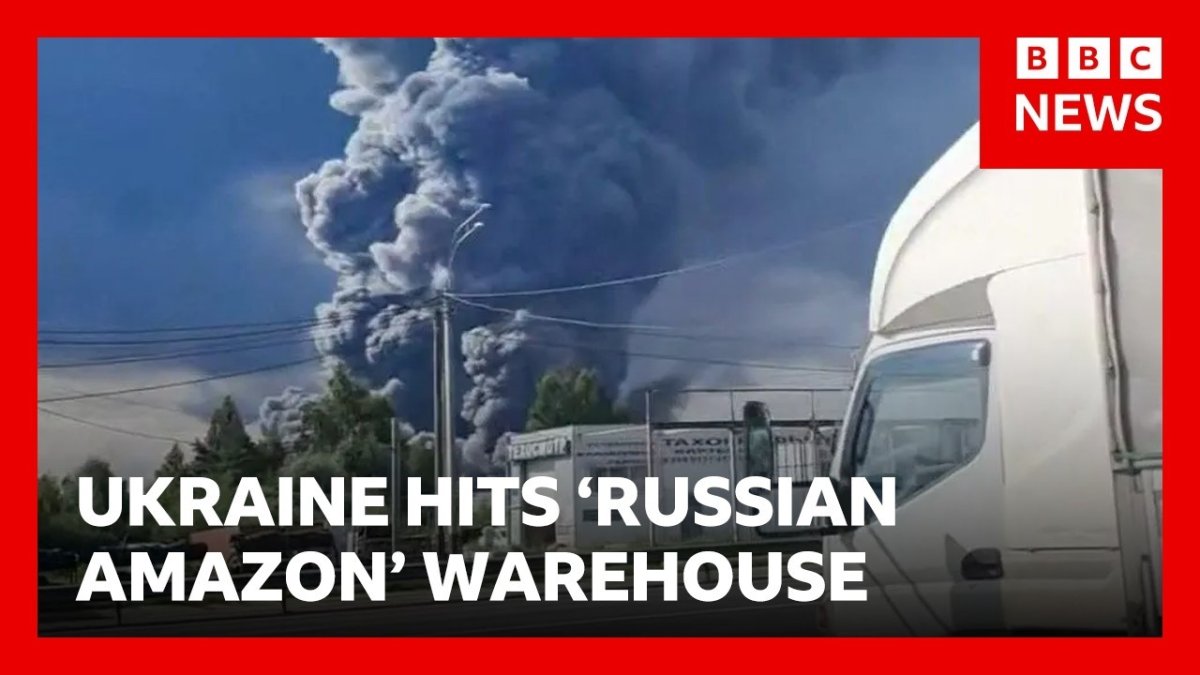
In a recent BBC News report, an apparent Ukrainian drone strike hit a warehouse belonging to Wildberries, Russia's largest online retailer, in the Vladimir region east of Moscow — the latest blow in a campaign Kyiv says is designed to bring the war home to Russia.
In a recent BBC News report, an apparent Ukrainian drone strike hit a warehouse belonging to Wildberries, Russia's largest online retailer, in the Vladimir region east of Moscow — the latest blow in a campaign Kyiv says is designed to bring the war home to Russia.
Ukrainian Drone Campaign Targets Wildberries Warehouses as War Reaches Russian Heartland
Moscow, Russia – 3 August 2026 — The strike on the Wildberries facility forms part of a sustained Ukrainian effort to disrupt logistics networks that Kyiv links to Russian military supply chains, while Russian authorities report mounting civilian impacts across multiple regions.
The Warehouse Strike: What Happened
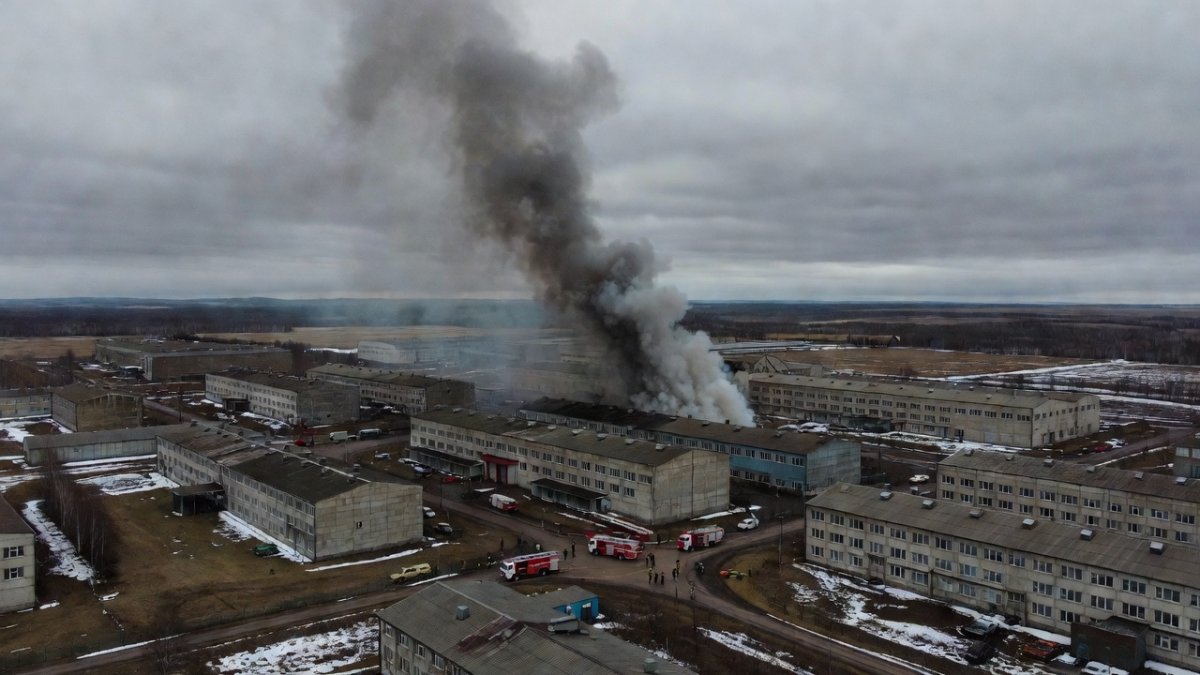
The drone strike on the Wildberries warehouse in Khryastovo on Sunday was captured on video authenticated by BBC Verify. The footage, filmed in the car park of the warehouse complex, shows a drone passing overhead before a blast and fire near the building. Vladimir region Governor Alexander Avdeyev confirmed that three people were injured in the attack and that residents in the vicinity were evacuated as a precaution. Wildberries stated that firefighters were immediately deployed to the scene to contain the blaze. The facility lies approximately 112 miles east of Moscow in the Vladimir region, placing it well within range of Ukrainian long-range drone operations.
BBC Verify authenticated the video as recent and confirmed it had not been manipulated using generative artificial intelligence tools. This verification adds weight to the visual evidence of the strike's timing and location. The incident marks the ninth verified Ukrainian strike on Wildberries sites since mid-July, according to BBC Verify tracking. Each attack has followed a similar pattern of targeting logistics infrastructure rather than purely military installations. Russian officials have not disputed the occurrence of the fire but have framed the broader campaign as indiscriminate aggression against civilian economic targets.
Local emergency services responded swiftly, though the extent of structural damage to the warehouse remains under assessment by company engineers. Wildberries operates one of the largest distribution networks in Russia, and disruptions at individual sites can ripple through supply chains serving millions of customers. The Khryastovo location handled significant volumes of goods destined for central Russian markets. Governor Alexander Avdeyev emphasised that authorities were coordinating with the company to support affected workers and restore operations where possible.
Why Wildberries? The Battlefield Behind the Marketplace
Ukraine describes the warehouses as legitimate targets because they provide the Russian military with drone components, navigation equipment and other gear. President Volodymyr Zelensky stated after earlier strikes at the end of July that Ukraine is quite justly bringing the war back home to Russia. Kyiv points to the availability of body armour and items with civilian and drone-production applications on the Wildberries platform as evidence of dual-use supply lines. Russian officials deny that the platforms serve military procurement needs and insist the sites function purely as commercial retail infrastructure.
Wildberries ranks as Russia's biggest online retailer and is frequently described as Russia's Amazon. The company accounts for just over 50 percent of all online orders placed in Russia. Founded in 2004, it employs about 48,000 staff across its operations. CEO Tatyana Kim stands among Russia's first female billionaires. The merged RWB group combining Wildberries with the advertising company Russ reached a valuation of about 12.6 billion dollars according to Forbes Russia in 2026. These commercial realities make the chain a visible symbol of Russia's consumer economy.
Business owners who rely on Wildberries for sales have voiced concerns that repeated strikes threaten their livelihoods. The platform supports tens of thousands of small merchants who lack alternative distribution channels. While Ukraine maintains the strikes target military-adjacent logistics, the economic fallout extends to ordinary traders and consumers who depend on timely deliveries. Russian authorities continue to reject any military connection and have not released evidence linking specific Wildberries shipments to defence contracts.
Nine Strikes and Counting
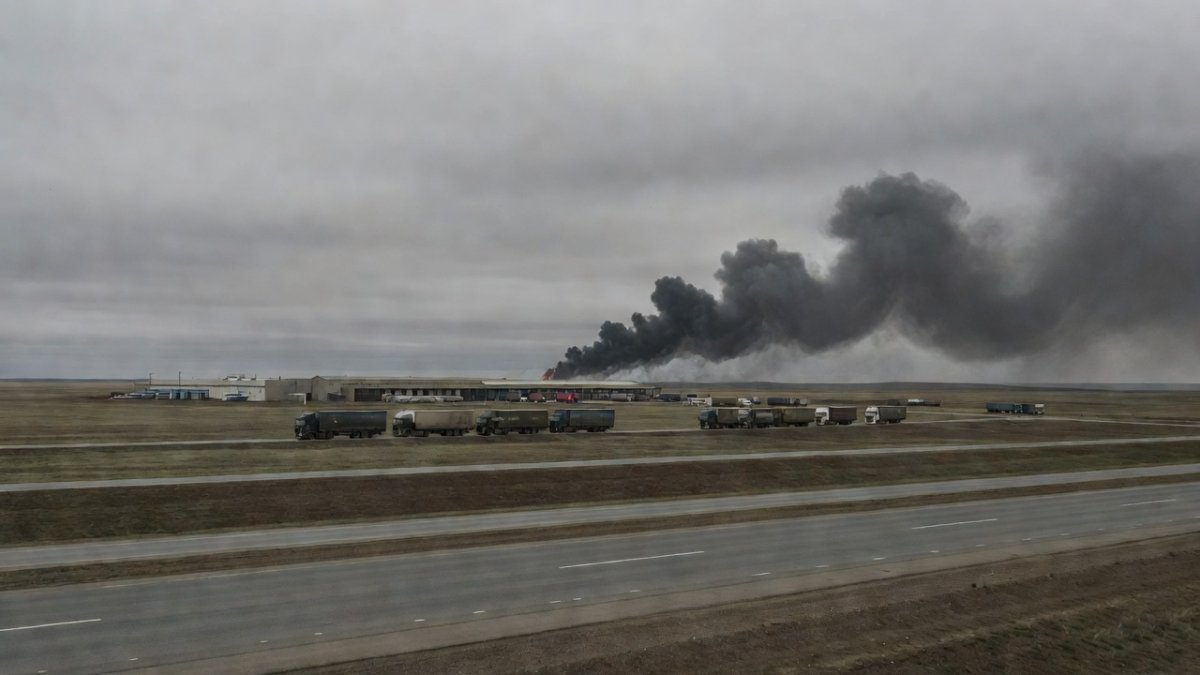
BBC Verify has tracked nine verified strikes on Wildberries facilities since mid-July. The sequence includes attacks on 18 July in Kotovsk, 20 July in Koledino, 22 July in Nevinnomyssk, another on 22 July in Krasnodar, 24 July in St Petersburg, 25 July in Yekaterinburg, 29 July in Ryazan, 2 August in Novosemeykino and the most recent on 3 August in Khryastovo. Each incident involved drone strikes followed by fires at warehouse complexes. The cumulative effect has reduced available logistics capacity across the network.
Research agency Data Insight reported that between 17 and 22 percent of Wildberries total logistics space had been affected by drone attacks by 2 August. This equates to between 893,000 and 1.15 million square metres of warehouse space damaged out of roughly 5.2 million square metres overall. Independent Russian outlet Vyorstka produced a higher estimate of approximately 27 percent using a different methodology. These figures illustrate the scale of disruption to one of Russia's primary e-commerce distribution systems.
Wildberries has paid over 40 million rubles in compensation to seriously injured personnel and families of those who died. The company also provided support to more than 97,000 small and medium-sized businesses in a second round of payments, following initial assistance to over 88,000 merchants. These measures reflect efforts to mitigate the human and commercial costs of the campaign. Company statements emphasise continued operations despite the losses.
The Weekend's Deadly Escalation
The weekend saw deadly exchanges across multiple fronts. On Saturday at least nine people were killed and dozens injured in Russian ballistic missile strikes on Kyiv, according to President Volodymyr Zelensky. Kyiv Mayor Vitali Klitschko reported that a residential building in the Shevchenkivskyi district was partially destroyed. Ukrainian drones sank a Russian-owned container ship in the Black Sea on Saturday, with Moscow stating that all 17 crew members were rescued.
On Sunday Ukraine said it had carried out overnight attacks on a major oil refinery and an airfield housing Russian strategic aviation in the Saratov region, about 600 kilometres from Ukraine's border. Russia reported that eight people were killed in Ukrainian strikes and that 635 drones were shot down or intercepted. Russia's defence ministry said its forces attacked two Ukrainian ports and two vessels in the Black Sea. Three people were killed by falling drone debris in Krasnodar Krai, according to Governor Veniamin Kondratiev, with 13 people including children injured.
Four people including a child were killed in Ukrainian strikes on Russia's Belgorod region, according to Governor Alexander Shuvaev, who said Kyiv launched 94 attacks in 24 hours. Three people were killed in Russian-occupied Crimea, according to the region's Russia-installed governor Sergei Aksyonov. Ukraine's general staff said 163 Russian drones were shot down, while Russia's defence ministry said it intercepted 131 aerial attacks from Ukraine. Russia's transport ministry established a special task force for the Azov-Black Sea basin over the tense situation in the Sea of Azov, a route used for about a quarter of Russian grain exports.
The Strain on Russia's Wartime Economy
BBC Russia editor Steve Rosenberg observed that to many Russians the war was something happening far away, but that perception is changing. Fuel shortages from refinery strikes and now Wildberries strikes are bringing the war closer to home for ordinary citizens. Some 209,000 small and medium-sized companies closed in the first quarter of 2026, according to business intelligence platform Kontur.Fokus, representing a 9 percent increase compared with the first three months of 2025. VAT rose from 20 percent to 22 percent in January, with extra funding earmarked for defence and some tax breaks removed.
Traders have posted viral complaints about losses sustained from the warehouse attacks. One woman wrote that she had lost one million roubles and was out of strength after her stock was destroyed. These personal accounts highlight the direct economic pressure on small merchants who use Wildberries as their primary sales channel. The psychological effect extends beyond immediate financial damage, as repeated strikes on familiar commercial sites make the conflict feel more immediate to the wider population.
Serhii Kuzan, chairman of the Ukrainian Security and Cooperation Centre, told the BBC that the strikes aim to disrupt Russian logistics and the supply of dual-use goods and sanctioned items to the Russian army, while also producing collateral economic and psychological effects on Russian society. Russian power structures face the challenge of protecting critical commercial infrastructure without acknowledging its potential military connections. The wartime economy continues to absorb these shocks, yet the cumulative impact on small businesses is becoming harder to ignore.
Analysis: Bringing the War Home
Analysts suggest the strategic logic of targeting civilian-facing logistics lies in the dual-use nature of many goods sold through platforms like Wildberries. This approach creates economic pressure while generating psychological impact on Russian society, where the war previously felt distant. The Kremlin's dilemma involves protecting a marketplace used by tens of millions of citizens while denying that it serves military purposes. Such targeting stretches air defences and forces difficult resource allocation decisions across vast territory.
This could indicate that both sides are escalating operations at a distance, with Ukrainian drones reaching deeper into Russian regions and Russian strikes continuing on Ukrainian cities. The fifth year of the war shows air defences on both sides under sustained strain. Ordinary Russians encounter the conflict through closed businesses, higher taxes and visible damage to familiar retail sites. These developments may gradually shift domestic perceptions of the war's costs.
The pattern of strikes on logistics hubs reveals an evolving phase of the conflict where economic infrastructure becomes a contested domain. Russian authorities maintain that such attacks constitute terrorism against civilian targets. Ukrainian officials frame them as necessary measures to degrade military supply capabilities. The resulting pressure on small enterprises and regional economies illustrates how the war increasingly touches daily life far from the front lines.
By Irina Volkov, Staff Writer
This article was produced with AI-assisted research and editorial support. Reporting is based on sources cited in the article.
What's Your Reaction?
 Like
0
Like
0
 Dislike
0
Dislike
0
 Love
0
Love
0
 Funny
0
Funny
0
 Wow
0
Wow
0
 Sad
0
Sad
0
 Angry
0
Angry
0

Russia/Eastern Europe Correspondent at Global1.News. Covering Russian politics, energy, security, and the shifting dynamics of the post-Soviet space. Provides clear-eyed analysis on one of the world's most opaque regions.













Comments (0)