
Trump Weighs New Iran Strikes as Hamas Signals Readiness to Disarm
The latest developments in the US-Iran confrontation and the Gaza conflict underscore the interconnected nature of Middle East security challenges, where shipping lanes, proxy actions, and Palestinian disarmament proposals intersect with broader Sunni-Shia rivalries and Gulf energy interests.
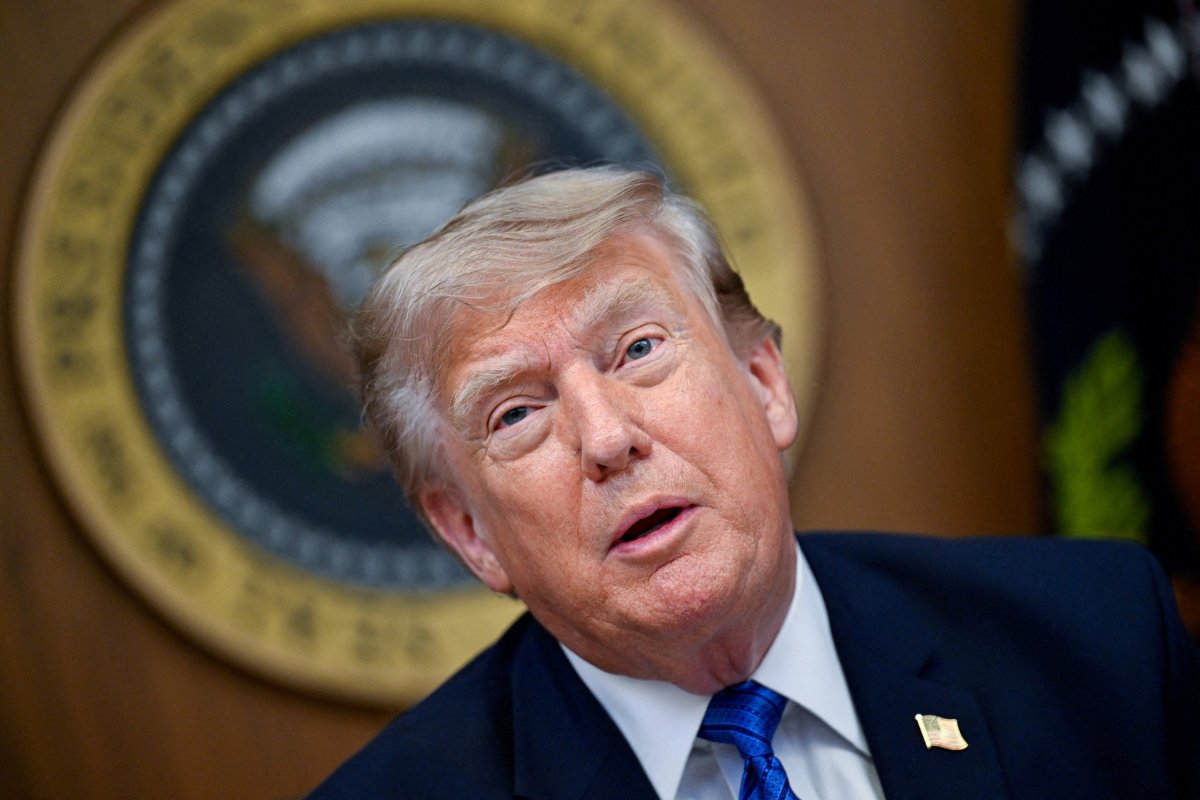
US Considers Additional Strikes on Iran
The White House warned that President Donald Trump is considering additional military strikes on Iran. Press secretary Karoline Leavitt stated that Iran violated a truce by attacking commercial shipping and killing American service members after agreeing to a memorandum of understanding with the United States.
Trump told reporters during a Cabinet meeting at Camp David that the US campaign against Iran is likely to continue. He said the United States wants to win and will hit Iran very hard until Tehran says it cannot take it anymore.
Washington's current posture echoes earlier rounds of confrontation in which limited strikes were paired with explicit demands for behavioral change, yet those episodes often produced only temporary pauses rather than lasting restraint. The administration's emphasis on visible leverage reflects domestic political calculations that reward demonstrations of resolve while Gulf allies quietly assess whether sustained pressure will reopen critical sea lanes or merely invite further asymmetric responses.
Regional capitals recall how past maximum-pressure periods reshaped investment flows and accelerated diversification plans; today's signals of renewed escalation therefore prompt renewed hedging by states that host U.S. forces yet remain exposed to retaliatory reach.
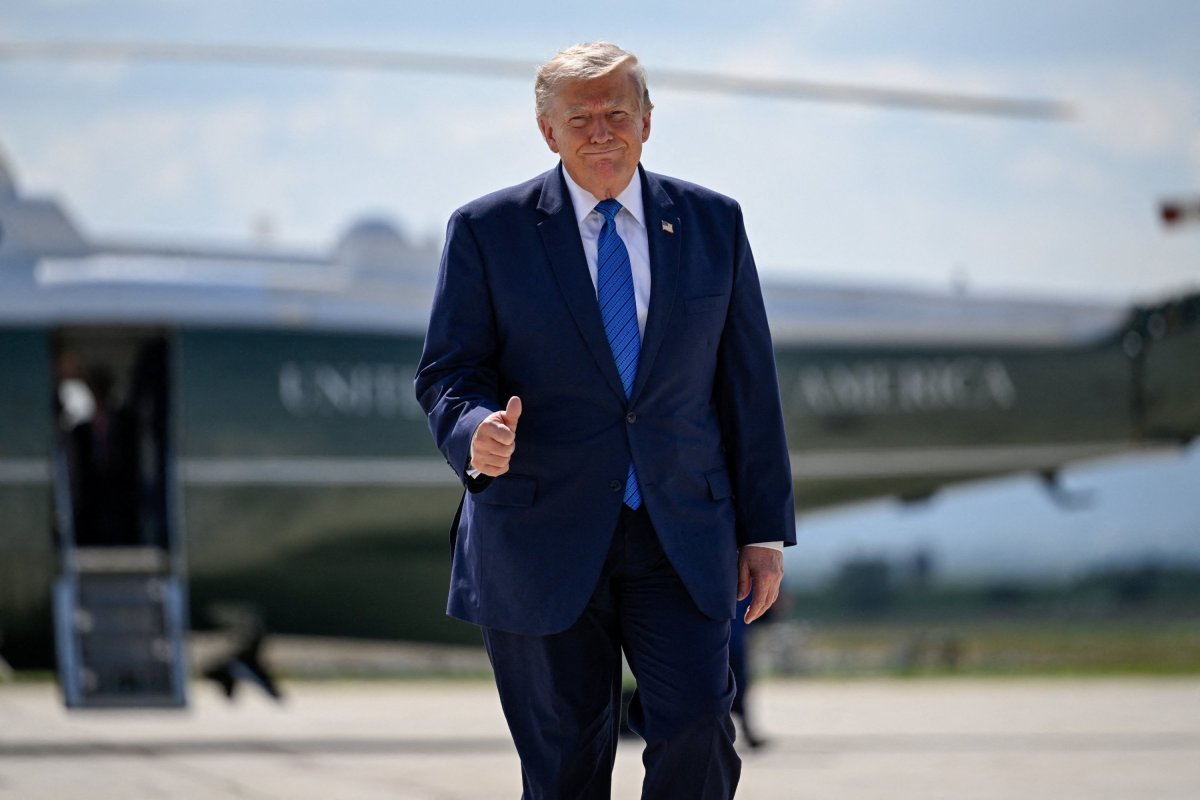 IRGC Targets Tankers in Strait of Hormuz
Iran's Revolutionary Guard claimed responsibility for striking two oil tankers attempting to pass through the Strait of Hormuz. Iranian state media reported that four additional tankers turned back. The continued disruption has intensified concerns over global energy supplies as the strategic waterway remains heavily affected.
These actions followed reports of no overnight US strikes, yet Iran expanded its military operations elsewhere in the region.
Any prolonged closure or high-risk transit through the Strait immediately affects roughly one-fifth of global crude movements, forcing Asian importers to consider longer routes around the Cape and raising insurance premiums that ripple through already tight tanker markets. OPEC+ members with spare capacity watch closely, aware that sudden supply shortfalls could test the cartel's ability to stabilize prices without reigniting inflation concerns in major economies.
Tehran's choice of tanker targets represents a calibrated attempt to impose economic costs on adversaries while avoiding direct strikes on U.S. naval assets that might trigger wider escalation.
Kuwait Intercepts Iranian Drones
Kuwait's Defense Ministry said its armed forces intercepted Iranian drones that entered Kuwaiti airspace after targeting several military facilities. Officials reported that falling debris caused material damage but no casualties. Iranian state media said the drone strikes targeted an air base in Kuwait in retaliation for US attacks carried out a day earlier.
Kuwait hosts American military forces and remains a key US ally in the Gulf, placing it directly in the path of the escalating exchanges.
The episode underscores how U.S. forward basing in the northern Gulf creates both deterrence value and vulnerability for host nations caught between Washington and Tehran. Kuwait's interception success demonstrates improving air defenses, yet the incident also highlights the difficulty of insulating civilian infrastructure when drones traverse populated corridors.
Similar patterns during the 1980s tanker war showed how even limited attacks on third-country territory can accelerate regional arms acquisitions and deepen security dependence on external patrons.
Hamas Announces Disarmament Readiness
Hamas announced it is prepared to begin disarming under a proposed agreement backed by the United States. The group said it would first surrender lighter weapons, while the handover of its heavier arsenal would depend on the establishment of an independent Palestinian state, a condition rejected by Israel's current government.
UN Secretary-General Antonio Guterres welcomed the announcement as the only encouraging development in a region gripped by escalating violence and urged all parties to fully implement the agreement.
The phased approach reflects Hamas's long-standing effort to trade military assets for political recognition, a calculus that has repeatedly collided with Israeli insistence on complete demilitarization before any territorial or governance concessions. Past cease-fire initiatives collapsed under similar sequencing disputes, leaving international monitors with limited leverage once fighting resumes.
Regional actors view the announcement as a potential opening, yet skepticism remains high given the absence of enforcement mechanisms that could survive renewed violations from either side.
Collapsed Cease-Fire and October Framework
The proposed disarmament forms part of a broader US-brokered cease-fire framework first announced last October. Under the plan, Hamas would surrender its weapons and transfer governing authority in Gaza to an independent Palestinian administration. In return, Israel would withdraw its forces while an international stabilization mission would oversee security.
Implementation has repeatedly stalled, with Israel insisting Hamas must fully disarm before any withdrawal and Hamas accusing Israel of violating cease-fire commitments through continued military operations.
Earlier attempts to link Palestinian statehood to verifiable disarmament foundered on mutual distrust and the absence of credible third-party guarantees, a pattern that now risks repeating amid heightened regional tensions. Arab states that once signaled openness to normalization with Israel are recalibrating timelines, wary that fresh violence could inflame domestic opinion and derail economic cooperation projects.
Turkey's parallel diplomatic outreach adds another layer of complexity, as Ankara seeks influence over any post-conflict arrangements without alienating either Washington or its own regional partners.
Strategic Calculations and Leverage
Trump seeks Iranian compliance on reopening the Strait of Hormuz and adherence to the cease-fire terms, using the threat of further strikes as leverage. Iran has responded with tanker attacks and drone operations to impose costs on US allies and disrupt energy flows.
Hamas aims to link full disarmament to statehood recognition, while Israel maintains that complete weapons surrender must precede any territorial concessions. These positions create a deadlock that prolongs the conflict.
Each actor's moves are shaped by awareness that escalation carries domestic political risks: for Washington, sustaining public support for open-ended operations; for Tehran, managing internal economic strains while projecting strength; and for Gulf capitals, balancing security ties with the United States against the need to avoid becoming primary targets. Israel's calculations remain anchored in preventing any reconstitution of Hamas capabilities near its borders.
Second-order effects include accelerated shipping rerouting that raises costs for energy importers in East Asia and reinforces Gulf states' urgency to diversify revenues away from volatile hydrocarbon transit routes.
Implications for Energy Markets and Alliances
Disruptions in the Strait of Hormuz raise risks for global crude oil and natural gas supplies, affecting economies far beyond the region. Kuwait's involvement highlights how Gulf states aligned with the United States face direct spillover from the Iran confrontation.
Violence continued in Gaza with Israeli airstrikes killing at least one Palestinian and injuring at least four others, including a child. The war, which began after Hamas' October 7, 2023 incursion that killed about 1,200 people and took 251 hostages, has since resulted in more than 73,000 Palestinian deaths according to Gaza's Health Ministry.
Prolonged Hormuz uncertainty could shift investment toward alternative supply corridors and accelerate Gulf economic diversification timelines already underway. Asian buyers, heavily dependent on Gulf crude, are exploring strategic stockpiling and long-term contracts that may outlast the current crisis.
These market pressures intersect with alliance dynamics, as GCC states weigh deeper security integration against the political costs of appearing too closely aligned with U.S. military actions.
By Malik Hassan, Staff WriterThis article was produced with AI-assisted research and editorial support. Reporting is based on sources cited in the article.
What's Your Reaction?
 Like
0
Like
0
 Dislike
0
Dislike
0
 Love
0
Love
0
 Funny
0
Funny
0
 Wow
0
Wow
0
 Sad
0
Sad
0
 Angry
0
Angry
0

Middle East Correspondent at Global1.News. Based in Beirut, covering politics, conflict, energy, and society across the Middle East. Brings context and depth to a region often reduced to headlines.










Comments (0)