
MPs' drinking culture in Parliament slammed in new report
A new report from the Institute of Alcohol Studies has condemned the entrenched drinking culture across the parliamentary estate, warning that free alcohol remains available from midday and has contributed to measurable harm including hospital admissions for stomach pumping...
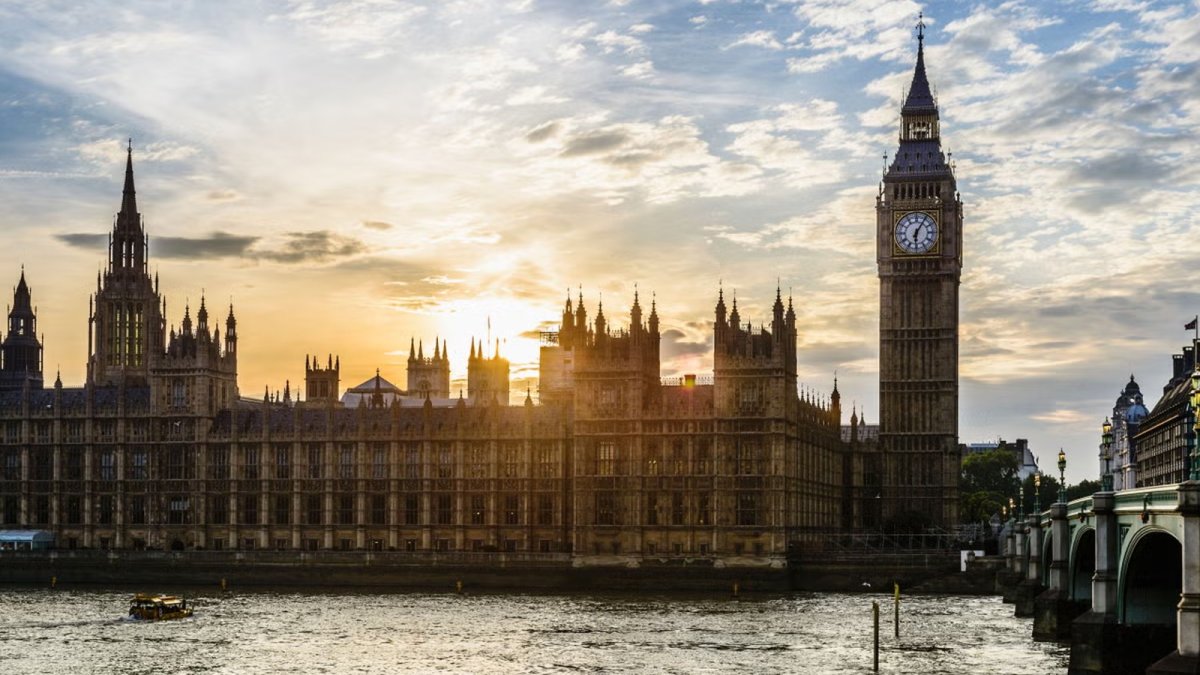
A new report from the Institute of Alcohol Studies has condemned the entrenched drinking culture across the parliamentary estate, warning that free alcohol remains available from midday and has contributed to measurable harm including hospital admissions for stomach pumping among MPs. The findings paint Westminster as an outlier among British workplaces, where the routine availability of drinks during working hours collides with the pressures of legislative life and leaves staff exposed to avoidable risks.
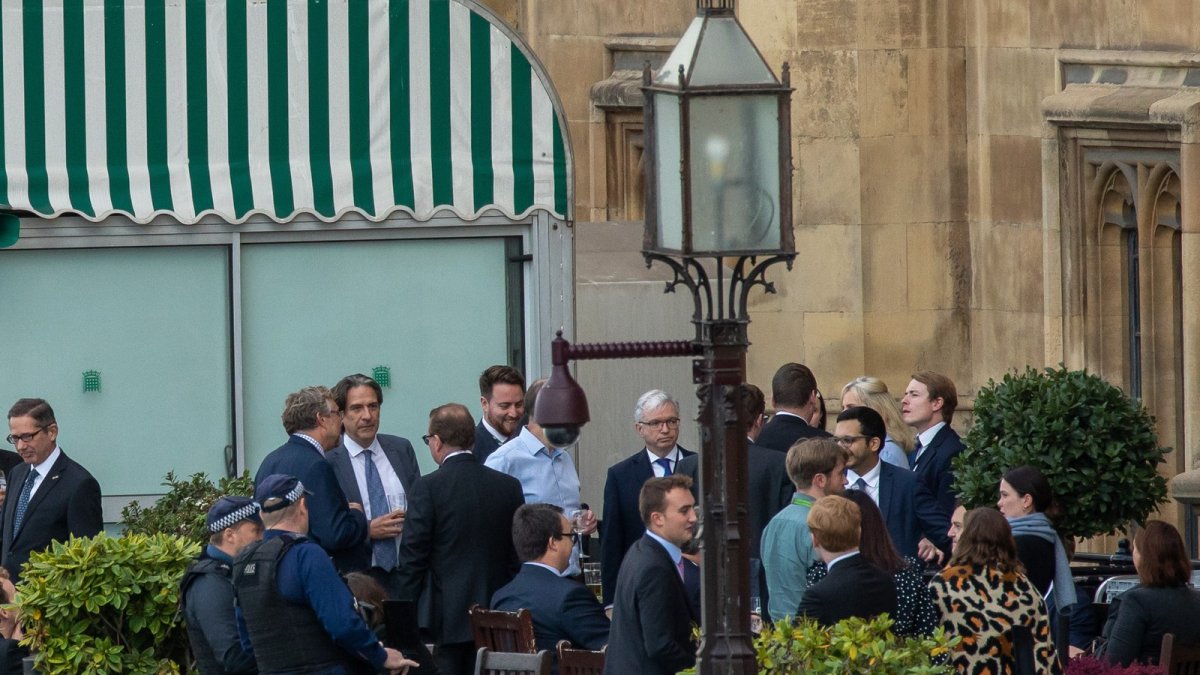
Alcohol Embedded in Westminster Life
The Institute of Alcohol Studies describes Parliament as Britain's last alcohol-soaked workplace, where drinks are offered at events from midday onwards despite a string of alcohol-related scandals. The report notes that loneliness among MPs, the need to socialise in order to meet ministers, and the routine serving of alcohol at daytime and evening functions all drive consumption in ways that would be exceptional in most other UK workplaces. One MP told researchers that meetings at noon routinely feature available alcohol, a practice unfamiliar from previous employment. Another observed that free alcohol at work events occurs only at Christmas parties elsewhere, while a third described the ability to start drinking from midday and consume large amounts as relatively freely available on the estate.
The IAS thinktank report stated that alcohol is embedded in professional life, networking, lobbying and socialising in ways that would be exceptional in most other UK workplaces. Parliament's long and unusual working hours, the loneliness many MPs experience being away from home, the pressures of the job and socialising in order to advance their careers can all act as catalysts for drinking. A fourth MP described events as a legitimised opportunity to drink alcohol, while a fifth said this routine provision of alcohol helps to create a casual attitude to drinking. The commercialisation of Parliament as an events venue was also identified in the latest report as contributing to the culture.
Survey Reveals Widespread Concerns
Researchers surveyed 24 MPs, 58 Westminster staff and 108 constituency office personnel. Forty-two per cent of MPs interviewed had been offered an alcoholic drink at a work meeting or event on a weekly basis in the previous six months, while 13 per cent said this occurred daily. Twenty-two per cent reported concerns about a colleague's drinking. The findings indicate that younger staff face heightened risks because of ingrained power dynamics and peer pressure to drink.
Nearly one in ten respondents described negative incidents linked to colleagues' alcohol consumption, including unwanted sexual attention, harassment and humiliation. The report added that the availability of alcohol was seen to encourage unhealthy behaviour in general, from affecting colleagues' sleep and stress levels to potentially normalising high-risk drinking. One MP referred to colleagues having had their stomachs pumped in hospital and going back into Westminster the following day. Findings of a survey of 190 MPs and their staff show Westminster's drinking culture endures, despite rising concern and a string of incidents, including an MP's researcher allegedly having had her drink spiked.
Power Dynamics and Vulnerable Staff
The report highlights how Parliament's long and unusual working hours, combined with the pressures of the job and career advancement through socialising, act as catalysts for drinking. One MP described events as a legitimised opportunity to consume alcohol, noting that this routine provision helps create a casual attitude to drinking. Green Party MP Hannah Spencer, elected at the Gorton and Denton byelection in February, faced a mixed reaction in April when she criticised the culture as unprofessional and worrying, pointing to cases of questionable and dangerous behaviour and remarking that alcohol could be smelt on colleagues between votes.
The report warns that younger staff face increased risks due to ingrained power dynamics and peer pressure to consume alcohol. Nearly 10 per cent of respondents experienced negative incidents due to colleagues' drinking, including unwanted sexual attention, harassment and humiliation. These patterns reflect the unique character of the parliamentary estate, where public access and events intersect with the daily routines of elected members and their teams.
The Human Cost of Routine Access
Drinking is commonplace and some MPs have had their stomachs pumped after consuming so much alcohol that they ended up in hospital, one disclosed. The report notes that the availability of alcohol encourages unhealthy behaviour in general, from affecting colleagues' sleep and stress levels to potentially normalising high-risk drinking. Concerns include MPs having their stomachs pumped and the easy accessibility of alcohol encouraging unhealthy behaviour and normalising high-risk drinking.
The IAS report concludes that Westminster remains a highly unusual workplace where alcohol is embedded in professional life. This reality stands in contrast to the standards expected in other public institutions, where clear boundaries around alcohol during working hours are the norm. The combination of real, measurable harm and limited routes for intervention leaves the estate exposed to recurring problems.
Calls for Policy Reform
The Institute of Alcohol Studies recommends limiting free alcohol provision to evening events and improving support for those experiencing alcohol problems. Katherine Severi, the organisation's chief executive, urged Westminster to restrict daytime availability as part of a renewed effort to address the issue. Labour MP Beccy Cooper, a former public health consultant, called the findings a wake-up call in her foreword to the report. She noted that 70 per cent of respondents either did not know or were unsure how to raise concerns about a colleague's drinking, describing the combination of real harm and no clear route to address it as a gap that must be closed.
Labour MP Cat Smith questioned why legislators should be permitted to vote on laws after drinking when surgeons and drivers face clear restrictions. She stated that if Parliament is serious about being a professional workplace, it must ask hard questions about practices like late night votes that sit alongside on-tap bars. Beccy Cooper suggested Parliament should draw up its first formal workplace policy on alcohol, highlighting the need for clearer procedures when concerns arise.
Parliament's Response and Existing Measures
A parliament spokesperson stated that everyone working on the estate had been reminded to use alcohol responsibly, while acknowledging that any changes to provision would ultimately be a matter for members to decide. The estate's unique character, including public access and events, was cited as a complicating factor. Westminster has introduced greater provision of no- and low-alcohol products and granted venue staff the right to refuse service to anyone intoxicated or likely to become so.
The parliament spokesperson added that the behaviour code makes clear that everyone should be treated with respect at all times, and those who choose to drink alcohol on the estate must do so responsibly. These measures represent incremental steps, yet the report suggests they fall short of the structural changes required to shift the prevailing culture.
Historical and Ongoing Issues
In 2023 the parliamentary independent complaints and grievance scheme found alcohol to be a frequent factor in its investigations into alleged misconduct. Its review of 30 cases between 2021 and 2022 concluded that drinking in the estate's bars led to intimidating behaviour such as shouting and swearing. Daniel Greenberg, the parliamentary standards commissioner, said in July 2023 that alcohol had contributed to behaviour problems and suggested the sale of alcohol on the estate be kept under review.
The History of Parliament oral history archive notes that MPs' drinking on the estate changed considerably between the 1960s and early 2010s. Former SNP MP Mhairi Black previously spoke out about Westminster's drinking culture after stepping down at the 2024 election. In November 2024 it was reported some MPs were encouraging Parliament's modernisation committee to curb drinking during working hours. The latest IAS findings indicate that further scrutiny from that committee and from the standards commissioner will be required if meaningful reform is to follow.
By Erica Thornton, Staff WriterThis article was produced with AI-assisted research and editorial support. Reporting is based on sources cited in the article.
What's Your Reaction?
 Like
0
Like
0
 Dislike
0
Dislike
0
 Love
0
Love
0
 Funny
0
Funny
0
 Wow
0
Wow
0
 Sad
0
Sad
0
 Angry
0
Angry
0

US Politics and Policy Correspondent at Global1.News. Based in Washington DC, covering American politics, policy, elections, and the courts. Knows how the system works and tells you what it actually means.













Comments (0)