
Mexico Suspends 2.6M Cell Lines After Registration Deadline
Mexico's first enforced cell phone registration deadline passed Aug. 15, suspending 2.6 million lines ending in 0. Recovery is possible: register via your carrier with CURP and INE, online or in person. More deadlines follow through Dec. 31.
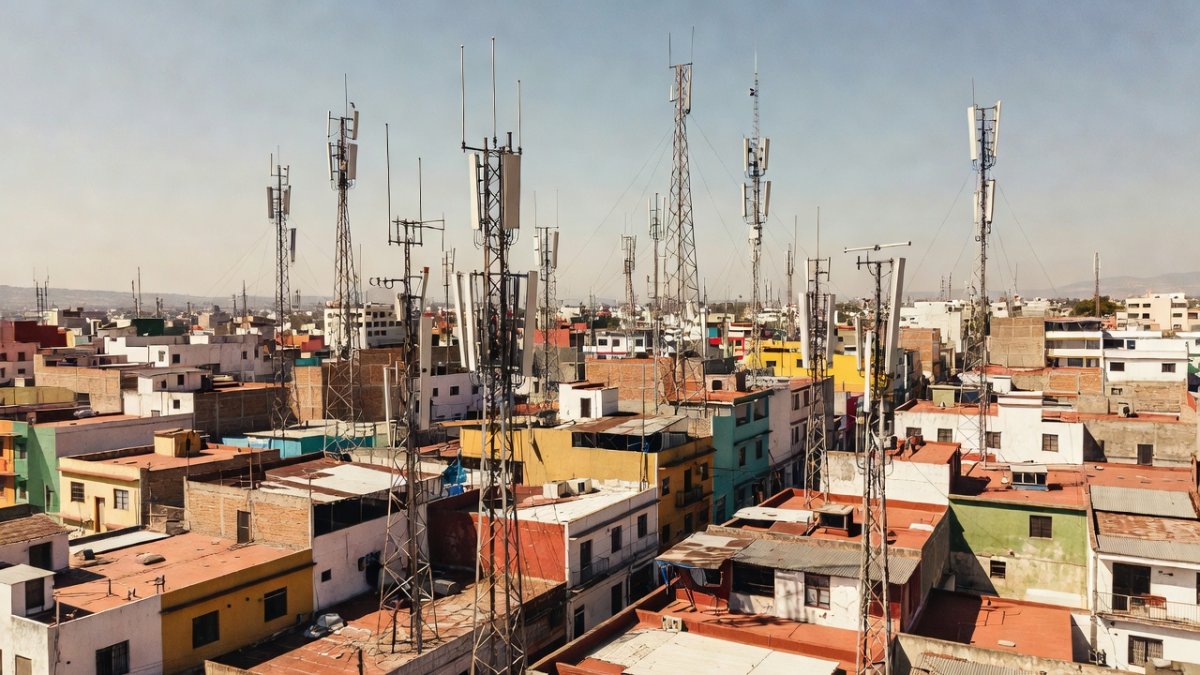
Mexico Suspends 2.6 Million Cell Lines After Registration Deadline
The first enforced deadline for mandatory cell phone registration in Mexico came and went on Aug. 15, 2026, and the aftermath has been anything but quiet. Approximately 2.6 million phone lines were suspended, prompting chaos and confusion for users whose now-unregistered phone numbers end in "0." From long lines at customer service centers in Mexico City to frustrated users across the country, the message is clear: this process is real, and it is changing how millions of Mexicans connect.
Mexico's Telecommunications Regulatory Commission (CRT) announced on Thursday, Aug. 20, that nearly 9.7 million users whose numbers end in "0" successfully registered their cell phones before the deadline. For those who didn't, the suspension of service has been a rude awakening. The good news, according to the CRT, is that your number is not lost. Of the roughly 2.6 million lines suspended, just over 2.3 million users had already managed to reactivate their phone service by Aug. 19, another 2.6 million mobile phones are expected to be reactivated in the coming days, and the CRT expects 2.5 million "unused" lines to be decommissioned entirely.
This is not a cancellation of your line — it is a suspension, and recovery is possible. But for many, the process has been anything but smooth: in Mexico City, users have reported waiting up to three hours at customer service centers to recover their service, often doing so "a regañadientes" (reluctantly).
Why the Government Mandated Cell Phone Registration
Since December 2025, the CRT has required that mobile phone lines be linked with the identity of their users. The process associates the phone number with the name and CURP (Unique Population Registry Code) of the user, and it began on Jan. 9, 2026. The government's stated goal is straightforward: eliminate anonymous and illicit use of chips and curb extortion, which is carried out up to 80% through calls.
For many Mexicans, extortion calls are not an abstract concept. The "burner" prepaid SIM cards have long been a tool for criminals to operate with impunity, and the government hopes that linking every line to a real identity will make it harder for them to hide.
The CRT has clarified that the process is not done by the government but directly with the phone companies, which only associate the name and CURP of the user to the cell number. They emphasize that no other data or image used during the linking process is retained. Still, privacy concerns remain. Joshua, a user who received a message that his line was suspended and went to the Telcel center at Eje Central and Madero, put it bluntly: "La verdad, yo no quería registrarlo. Siento que no sirve de nada. Nada más tienen nuestros datos." ("Honestly, I didn't want to register. I feel like it's useless. They just have our data.")
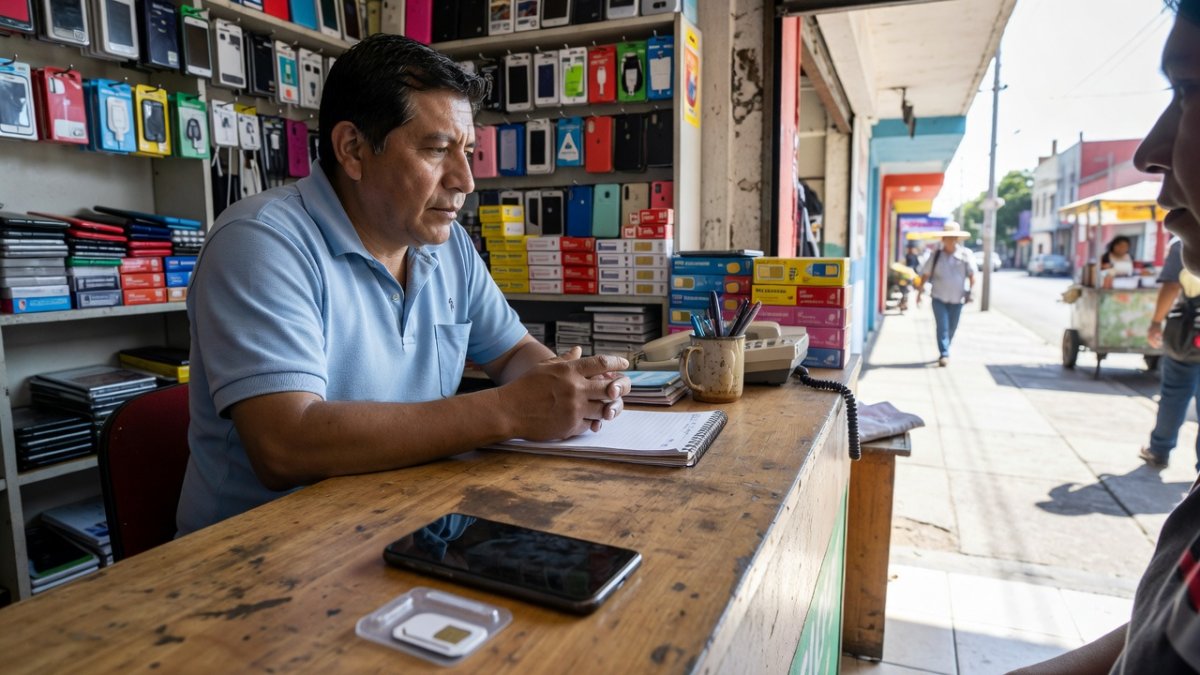
The Chaos of the First Deadline: Lines, Suspensions, and Frustration
The Aug. 15 deadline for numbers ending in "0" was always going to be a test. The CRT had originally established a June 30 deadline for all cell phones to be registered, but when it became apparent that a significant number of users would see their lines suspended, the deadline was extended. The new schedule is staggered by the final digit of your phone number, giving users more time but also creating a rolling wave of deadlines through the end of the year.
When the first cutoff arrived, the impact was immediate. In Mexico City, customer service centers saw lines forming before they even opened at 8 a.m., according to the newspaper La Silla Rota. Ana Juárez arrived at 11 a.m. at a Telcel customer center and took a little over three hours to recover her line, which she had refused to register. When she tried to make a call that morning, her company notified her her line was suspended. "Yo pensé que no me la iban a cancelar, pero me la suspendieron y yo necesito este número porque aquí tengo todos mis contactos de mis citas médicas." ("I thought they wouldn't cancel it, but they suspended it and I need this number because I have all my contacts for my medical appointments here.")
Her story is not unique. For older adults who depend on their phones for medical appointments, for small business owners, and for families who rely on prepaid lines to stay in touch, the suspension is more than an inconvenience — it is a disruption of daily life. Valentín went to reactivate his line after it was suspended Saturday. "No se me hace justo, yo no estoy de acuerdo. Pero si no te registran, te suspenden la línea." ("I don't think it's fair, I disagree. But if you don't register, they suspend your line.") He was only asked for his INE, waited a little over two hours in line, and more than 30 minutes at the window.
How to Reactivate Your Suspended Line
If your line has been suspended, the first thing to know is that your phone number has not been canceled. You can still recover your service by completing the registration process via your phone company. The process is free, and it can be done in two ways: online or in person.
To register online, you can go to your phone company's registration portal and verify your identity. Links to all providers' platforms can be found on the CRT website. You can also complete the process in person at one of your company's customer service centers, where staff is on hand to assist with the registration. Mexican mobile phone owners must provide a CURP and a valid official ID, such as the INE-issued voter ID. Foreigners must also register their phone lines, if they use a Mexican provider, by using the corresponding identity or immigration document, such as a resident visa or a passport.
Procedures vary slightly depending on the phone company. Once you complete the linking, companies must restore calls, messages, and mobile data. Suspended lines can still make calls to emergency numbers, citizen services, and their phone company. They will also continue to receive earthquake alerts, and they can be used to complete the registration process.
The Staggered Calendar: What You Need to Know
The official schedule to register cell phones now depends on the final digit of your phone number. If your phone number ends in "1," you must register by Aug. 31. If it ends in "2," your deadline is Sept. 15, and so on through the end of the year: 3 = Sept. 30, 4 = Oct. 15, 5 = Oct. 31, 6 = Nov. 15, 7 = Nov. 30, 8 = Dec. 15, 9 = Dec. 31.
Once the deadline for each termination passes, phone companies have 72 hours to suspend lines that have not been linked. If your number ends in "1," you have until Aug. 31 to complete the process, and if you don't, your service could be suspended by early September. The CRT has been clear: there will be no extensions. In its Aug. 20 report, the CRT said a total of 73.2 million lines — or 60.5% of the total lines expected to be connected in the country — were registered. By the end of the registration process, it expects a purge of around 25 million lines.
Estimates of how many lines could be affected have varied. Ernesto Piedras, director of The Competitive Intelligence Unit (The CIU), calculated that between 4 million and 8.7 million cell lines could be suspended on Aug. 15; the actual number was lower, but the measure, he warned, would test operators' technical capacity to identify and suspend only numbers that failed to register. Movistar has explained that during suspension, clients should enter their website, complete the vinculación, and then reactivate service. Benefits of contracted plans and packages retain their validity.
Privacy Concerns and the Road Ahead
The government's push to register all cell phone lines is not without its critics. For many users, the process feels invasive. Ana Juárez, who reluctantly registered, expressed a sentiment shared by many: "Me tuve que registrar, pero me siento vigilada. Ya tienen todo, mi nombre, mis fotos, mis huellas. Pero no tengo nada que perder." ("I had to register, but I feel watched. They already have everything, my name, my photos, my fingerprints. But I have nothing to lose.")
The CRT has tried to address these concerns by emphasizing that only the name and CURP of the user are associated with the cell number, and that no other data is retained. But for a population that has learned to be cautious with its personal data, trust is hard to come by. Not all users in the lines could register either: customer service centers are only accepting the INE and the passport as official ID. Jorge Martínez waited more than an hour but could not link his number because his INE was expired. "Pues ahora tengo que esperar hasta que me entreguen mi INE nueva." ("Now I have to wait until they give me my new INE.")
The road ahead is long. The CRT estimates that between 120 and 130 million lines could be registered by the end of the year, equivalent to about 85% of the total. For now, the focus is on the next deadline: Aug. 31 for numbers ending in "1." If you haven't registered yet, don't wait — register online if you can, or go in person with your INE and CURP. It's a small step, but it's one that will keep you connected.
This article was produced with AI-assisted research and editorial support. Sources: Mexico News Daily, La Silla Rota, El Momento, Imagen Radio, Grupo Animal, El Universal, Wired, LatinUS.
Tags: cell phone registration, CRT, CURP, INE, Telcel, Movistar, line suspension, reactivate line, extortion, mobile registration, Mexico, prepaid SIM
By Rosa Martinez, Staff Writer
What's Your Reaction?
 Like
0
Like
0
 Dislike
0
Dislike
0
 Love
0
Love
0
 Funny
0
Funny
0
 Wow
0
Wow
0
 Sad
0
Sad
0
 Angry
0
Angry
0

Latin America/Andes Correspondent at Global1.News. Based in Bogota, covering politics, environment, energy, and social movements across the Andean region. Passionate about environmental journalism and communities protecting their land.















Comments (0)