
Mexico Closes Militarized Schools After Dafne Zapata Death
Mexico Orders an End to Militarized Schools The Secretaría de Educación Pública has directed every state education authority to shut down schools operating under militarized models before the new school year begins.
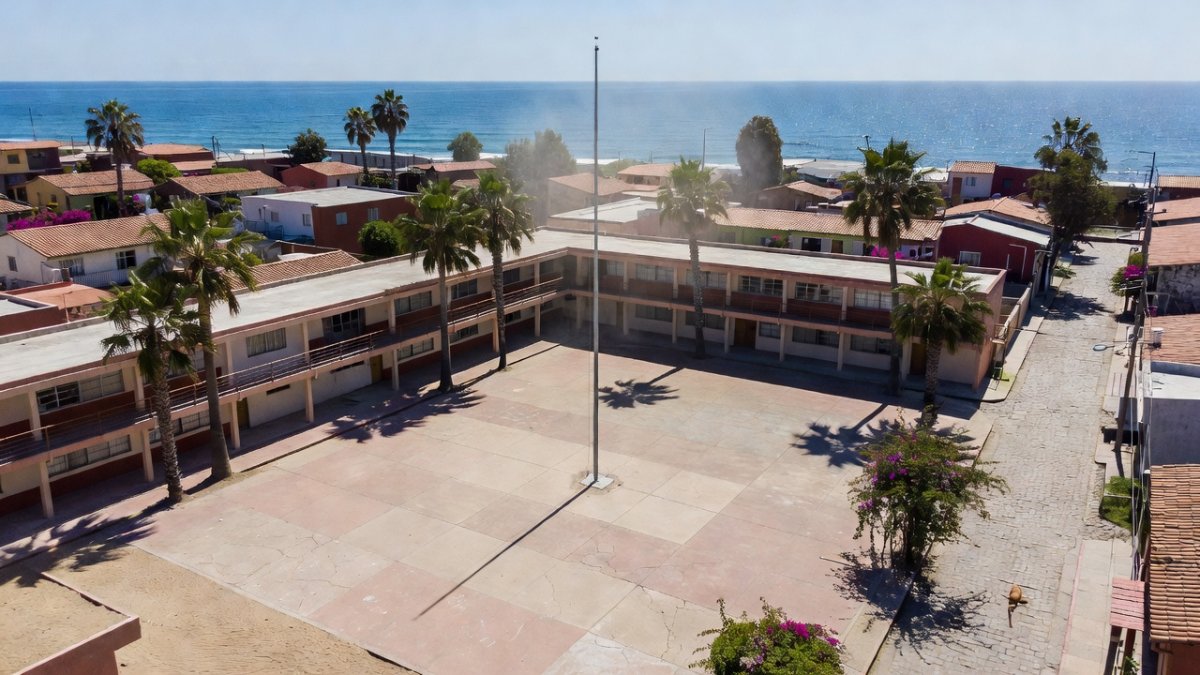
Mexico Orders an End to Militarized Schools
The Secretaría de Educación Pública has directed every state education authority to shut down schools operating under militarized models before the new school year begins. This decision comes after careful review of how such programs conflict with national education goals centered on human rights and peaceful learning. Families across Mexico now face questions about where their children will continue studies in a safer environment.
Secretary Mario Delgado Carrillo emphasized that military-style training belongs only to the armed forces and the Guardia Nacional. He noted that private academies using these methods lack proper oversight and can expose young students to unnecessary risks. The order applies to all institutions holding Recognition of Official Validity of Studies permits without a dedicated category for this approach.
State secretariats must now examine every authorization issued in their regions to ensure compliance by August 31. This review process involves checking permits for any mention of military or castrense modalities. Ordinary families in colonias and rural communities watch closely as authorities work to protect children from programs that may not align with humanist values.
President Claudia Sheinbaum voiced support during her mañanera, highlighting the need for education that builds a culture of peace rather than discipline through force. Her stance reflects ongoing efforts to strengthen the Nueva Escuela Mexicana across the country. Communities in Tamaulipas and beyond feel the ripple effects as schools prepare for change.
The Death of Dafne Zapata — What We Know
Dafne Zapata Quintos entered the Academia Militarizada Marina Doenitz in Ciudad Madero on July 13, 2026, for a summer program. Four days later, the 13-year-old lost her life while under the camp's care. Her family from Tamaulipas now seeks answers and justice in a case that has touched hearts nationwide.
The Fiscalía General de Justicia de Tamaulipas confirmed asphyxia as the cause through forensic examination. State prosecutor Jesús Govea Orozco shared details showing the death did not result from an accident. Authorities placed the investigation under the femicide protocol to address every aspect thoroughly.
Camp staff initially provided conflicting accounts that did not match medical findings. This discrepancy prompted deeper scrutiny by examiners and led to detentions. The community in Ciudad Madero mourns the loss of a young life cut short during what should have been a summer activity.
Governor Américo Villarreal assured the family that the state would pursue full accountability. Local residents gather in small groups to discuss how such programs affect children from working families. The tragedy highlights vulnerabilities faced by students sent to specialized camps far from home support networks.
False Reports and a Femicide Investigation
School officials at the militarized camp gave initial statements that later proved inaccurate according to forensic evidence. Medical examiners found clear signs that pointed away from accidental causes. This shift allowed prosecutors to classify the case properly under femicide guidelines.
An 18-year-old suspect identified as Danna Yanina 'N' was detained and charged in connection with the events. A teacher and the camp director also face charges following hearings at the Centro Integral de Justicia de Altamira. These steps mark the beginning of a formal legal process.
The investigation continues with attention to every detail surrounding the four days Dafne spent at the facility. Families in Tamaulipas express concern over how private programs operate without consistent checks. The case draws attention to broader questions about safety in educational settings across the state.
Community leaders call for transparency as the probe moves forward. Relatives and neighbors remember Dafne as a vibrant girl with dreams for her future. The femicide protocol ensures specialized handling that respects the gravity of violence against young women.
SEDENA's Distance and the SEP's Decision
The Secretaría de la Defensa Nacional stated on July 25 that it holds no authority to supervise private militarized schools. Officials clarified that their role focuses solely on official armed forces training. This position left oversight gaps that the SEP has now moved to close.
Secretary Delgado announced the nationwide order on July 29 after consulting with state education leaders. The directive requires that no institution offer services under militarized labels starting with the 2026-2027 cycle. Authorities view this modality as incompatible with core principles of respect and peace.
SEP guidelines stress that military education remains reserved for personnel formation by SEDENA alone. Private academies cannot replicate these structures without proper classification or supervision. Families in ejidos and indigenous communities welcome the clarity as they plan for their children's schooling.
The decision aligns with efforts to eliminate expressions of violence from educational spaces. State governments must now coordinate reviews of all existing RVOEs to prevent future issues. This coordinated approach aims to safeguard students in every region of the country.
More Than 60 Academies — How Militarized Schools Operated
Over sixty militarized academies functioned across Mexico with SEP-issued RVOE permits yet without specific regulatory categories. These programs often presented themselves as disciplined alternatives for families seeking structure. Many operated in states with limited oversight resources.
Parents in maquiladora communities and rural areas sometimes chose these options hoping for better discipline and future opportunities. The lack of standardized rules allowed wide variation in daily practices and safety measures. Students from diverse backgrounds attended sessions that mixed academics with military-style routines.
Without dedicated classification, inspectors faced challenges in evaluating compliance with national standards. The SEP now requires exhaustive checks of all permits to identify and address similar gaps. This review will help transition affected students smoothly into regular public or private schools.
Small business owners and teachers in affected areas discuss how the closures will reshape local education landscapes. The focus remains on ensuring every child receives formation rooted in humanist values rather than regimented drills. Communities prepare to support families navigating the upcoming changes.
What the Closure Means for Mexican Families and Students
Parents across colonias now search for new placements as militarized options disappear before August 31. Many worry about continuity for children already enrolled in these programs. State authorities promise assistance in finding suitable alternatives that emphasize peace and rights.
Students from indigenous comunidades and migrant worker families may face added travel or adjustment challenges during the transition. The SEP stresses that the Nueva Escuela Mexicana prioritizes emotional well-being alongside academics. Local educators stand ready to welcome new arrivals with supportive environments.
The policy change reflects a national commitment to protecting young people from potential harm in unregulated settings. Families in Tamaulipas and other states share stories of relief mixed with practical concerns about logistics. Community networks often step in to help during such shifts.
Teachers trained in humanist methods prepare classrooms that foster dialogue and respect. This approach aligns with broader goals of building a culture of peace throughout Mexican society. The closures mark a step toward consistent standards that benefit all students equally.
Reactions — From the Mañanera to Tamaulipas
President Sheinbaum reinforced the SEP decision at her daily mañanera, underscoring the importance of safe learning spaces. Her comments resonated with families who value education free from military influences. Supporters across political lines praised the focus on children's well-being.
In Tamaulipas, Governor Villarreal continues to coordinate with prosecutors on the ongoing investigation. Local organizations hold gatherings to honor Dafne and advocate for stronger protections. Residents of Ciudad Madero express hope that justice will bring some measure of peace to the grieving family.
Education advocates note that the move strengthens the legacy of reforms aimed at equity and human rights. Teachers' unions welcome the emphasis on peaceful formation over regimented training. Discussions in town halls highlight how ordinary Mexicans benefit when policies prioritize safety.
Media outlets and community radio stations carry stories of families adapting to the new reality. The national conversation centers on creating educational environments where every child can thrive without fear. This moment unites diverse voices around shared values of protection and opportunity.
What to Watch For — The August 31 Deadline
State education secretariats work through remaining weeks to complete reviews of all RVOE documents. Officials must confirm that no militarized programs remain active when classes resume. Families receive guidance on enrollment options through municipal offices and school districts.
The SEP continues monitoring compliance to prevent any unauthorized operations from emerging later. This vigilance helps maintain the integrity of the nationwide order. Communities in every region stay informed through official channels and local leaders.
Parents and students prepare for a school year focused on humanist principles and cultural connection. Activities tied to Día de Muertos and other traditions will find space in classrooms that value peace. The transition offers a chance to strengthen bonds between schools and the families they serve.
Watch for updates from the Presidencia and state governments as the deadline approaches. The emphasis remains on supporting every child in their educational journey with care and respect. Mexican society moves forward together toward safer, more inclusive learning for all.
Tags: militarized schools Mexico, Dafne Zapata, SEP closure, Tamaulipas, Sheinbaum, education safety, Nueva Escuela Mexicana, femicide investigation
By Rosa Martinez, Staff Writer
This article was produced with AI-assisted research and editorial support. Reporting is based on sources cited in the article.
What's Your Reaction?
 Like
0
Like
0
 Dislike
0
Dislike
0
 Love
0
Love
0
 Funny
0
Funny
0
 Wow
0
Wow
0
 Sad
0
Sad
0
 Angry
0
Angry
0
Latin America/Andes Correspondent at Global1.News. Based in Bogota, covering politics, environment, energy, and social movements across the Andean region. Passionate about environmental journalism and communities protecting their land.












Comments (0)