
Louisiana Child's Death From Brain-Eating Amoeba Highlights Global Threat India Knows Too Well
The death of an 8-year-old girl in Louisiana from a "brain-eating amoeba" infection has once again thrust a rare but nearly always fatal pathogen into the global spotlight.
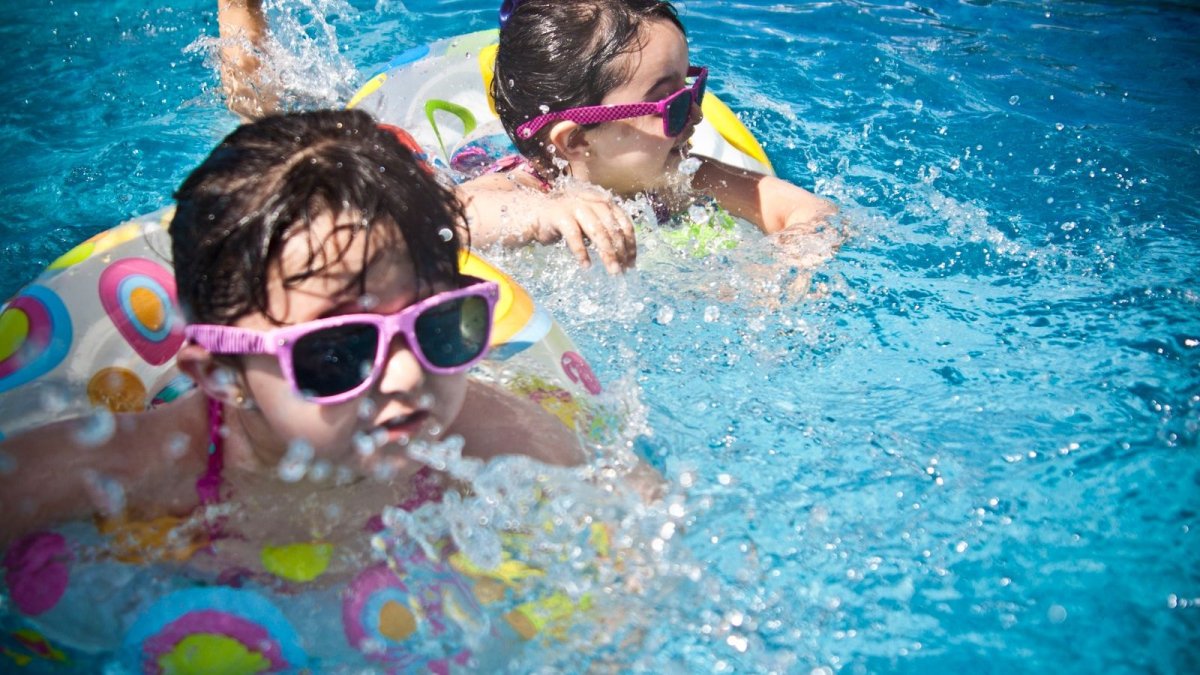
The death of an 8-year-old girl in Louisiana from a "brain-eating amoeba" infection has once again thrust a rare but nearly always fatal pathogen into the global spotlight. For India, which witnessed its own devastating outbreak in Kerala in 2025, this is not a distant tragedy but a stark reminder of a climate-driven threat that is moving northward and demanding urgent public health attention.
Louisiana Child's Death From Brain-Eating Amoeba Highlights Global Threat India Knows Too Well
New Delhi – August 24, 2026 — An 8-year-old girl from Ruston, Louisiana, died on Saturday, August 23, 2026, one day after celebrating her eighth birthday, from a Naegleria fowleri infection. The Louisiana Department of Health had announced the previous week that a resident had likely contracted the organism while swimming in Lake Claiborne, about 30 miles (48 kilometres) northwest of Ruston. The child, identified as Lillian Smart, had been hospitalised since August 15, 2026, with the infection, which health officials believe she contracted while swimming in the lake.

A Fulminant Infection With a 97 Percent Fatality Rate
Naegleria fowleri is a thermophilic (heat-loving), free-living protozoan found in warm freshwater and moist soil. It causes Primary Amoebic Meningoencephalitis (PAM), a fulminant and nearly always fatal infection of the central nervous system. The mechanism of infection is precise and unforgiving: contaminated water enters the nasal cavity — typically during swimming, bathing, or nasal rinsing — and the amoeba travels to the brain, usually via the olfactory nerve.
The clinical timeline is brutally short. Symptoms appear 1 to 12 days after infection, and death typically follows 3 to 7 days later. The fatality rate exceeds 97 percent, making it one of the deadliest known infections. In the United States, only four survivors have been reported from 154 known infections since 1962 — a survival rate of roughly 2.6 percent that underscores the pathogen's lethality.
Why the Louisiana Case Matters Beyond US Borders
The Louisiana case is not an anomaly but part of a documented epidemiological shift. Cases have increased in the midwestern United States since 2010, and increases in the maximum and median latitude of PAM case exposures show the organism is moving northward — a pattern directly linked to warming waters. As surface water temperatures rise due to climate change, the geographic range of Naegleria fowleri expands, putting previously unaffected populations at risk.
The epidemiological mechanics behind this shift are precise. Naegleria fowleri thrives in freshwater when temperatures climb above 25 to 30 degrees Celsius, and PAM infections peak precisely during the warm summer months when water bodies become natural incubators. The documented northward creep in the United States — visible in both maximum and median latitude of case exposures — is not a statistical quirk but a direct biological response to warming surface waters. What Louisiana experienced is simply the leading edge of a pathogen following its thermal comfort zone.
For India, the parallel is uncomfortable and direct. The subcontinent's tropical climate produces summer temperatures that regularly cross 40 degrees Celsius in many states, generating exactly the warm freshwater conditions the amoeba requires. Ponds, temple tanks, village wells, and unregulated swimming spots across the country are not peripheral risks; they are the precise ecological niches where this organism flourishes. The northward movement documented in America mirrors a global pattern — warming waters expand the pathogen's range, meaning regions historically considered low-risk are now exposed. Climate change is not a distant abstraction for Indian public health; it is actively redrawing the geography of waterborne disease within the subcontinent. What happened in Louisiana is a preview of what warmer summers mean for India's water bodies, and the country's public health infrastructure must treat it as such.

Kerala's 2025 Outbreak: A Case Study in Response
India's most significant encounter with this pathogen came in 2025, when Kerala faced a major outbreak of amoebic meningoencephalitis. The numbers were stark: at least 19 people died, and by October 2025 Kerala had recorded 153 laboratory-confirmed cases and more than 33 fatalities. The outbreak followed a 2024 pattern when Kerala reported 29 confirmed cases, mostly concentrated in its southern districts.
Kerala's first recorded PAM death came in Alappuzha in 2016, marking the state's entry into this epidemiological landscape. But the 2025 outbreak was different in scale and response. Kerala managed to save 24 patients by deploying aggressive treatment protocols and importing the anti-parasitic drug miltefosine. This intervention raised Kerala's PAM survival rate to about 24 percent — a dramatic improvement against a global fatality rate above 97 percent.
The Kozhikode Cluster and the Miltefosine Lesson
The outbreak's severity was most visible in September 2025, when two people including a three-month-old infant died from amoebic meningoencephalitis in Kerala's Kozhikode district. Patients were being treated at Kozhikode Medical College Hospital with medicines sourced from abroad, reflecting both the severity of the cases and the logistical challenges of procuring specialised anti-amoebic drugs in India.
The Kerala experience offers a critical lesson: early diagnosis and aggressive treatment, including miltefosine, improve survival odds. The state's 24 percent survival rate, while still low, is a quantum leap from the global baseline. This is not a matter of chance but of protocol — rapid diagnostic capacity, intensive care readiness, and access to imported therapeutics.
India's Silent Waterborne Menace: The Scientific Record
The threat is now firmly on India's scientific radar. Emerging cases of Naegleria fowleri infection in India were reviewed in a May 2026 paper in the Journal of Infection and Public Health, and a July 2026 review in the Journal of Parasitic Diseases called the amoeba "India's silent waterborne menace." These publications reflect a growing recognition that this is not a sporadic curiosity but a recurring public health challenge.
The most urgent gap is surveillance. PAM is not a notifiable disease in most Indian states, which means official counts almost certainly understate the true burden. The 153 laboratory-confirmed cases in Kerala by October 2025 were captured only because that state's health machinery was actively testing for the amoeba — a level of vigilance that is absent elsewhere. In most district hospitals, PCR testing for Naegleria fowleri is simply unavailable; the organism is typically identified only at tertiary centres or after death. Compounding this, PAM symptoms mimic bacterial meningitis, so initial treatment is often directed at the wrong pathogen, delaying the correct intervention until it is too late.
Kerala's experience with miltefosine offers the clearest lesson. Medicines had to be sourced from abroad for patients at Kozhikode Medical College Hospital — a procurement pathway that was improvised during the crisis rather than pre-positioned. That logistics chain must now be formalised nationally. The Indian Council of Medical Research and the Union Health Ministry should add PAM to the notifiable diseases list, build diagnostic capacity at medical colleges in warm-water states, publish a national treatment protocol built on the Kerala model, and run awareness campaigns ahead of the April-July peak season. Kerala proved the disease is survivable with the right protocol; the challenge is scaling that protocol beyond one state before the next summer arrives.
Prevention and Early Diagnosis: The Practical Imperative
For Indian citizens, the preventive measures are straightforward but require public awareness campaigns. The key is avoiding getting warm freshwater up the nose while swimming, bathing, or during religious and cultural practices involving water. Using nose clips when swimming in warm freshwater, avoiding stirring up sediment in shallow, warm freshwater, and using only boiled, cooled, or distilled water for nasal rinsing — including neti pots and similar practices — are essential safeguards.
For clinicians, the message is equally urgent. PAM presents with fever, headache, nausea, and altered mental status — symptoms that mimic bacterial meningitis. In any patient with a history of freshwater exposure and rapid neurological deterioration, PAM must be on the differential diagnosis. The Kerala experience shows that protocol matters: early diagnosis and aggressive treatment, including miltefosine, improve survival odds.
The Bottom Line
The death of Lillian Smart in Louisiana is a tragedy that resonates far beyond the United States. With a global fatality rate above 97 percent and a documented northward migration linked to warming waters, Naegleria fowleri is a climate-sensitive pathogen that demands a coordinated response. India, having faced 153 laboratory-confirmed cases and more than 33 fatalities in Kerala alone in 2025, cannot afford complacency. The Kerala model — aggressive treatment, miltefosine access, and rapid diagnosis — offers a template that must be scaled nationally. The amoeba is moving north; India's public health system must move faster.
— By Dr. Raj Patel, Staff Writer
This article was produced with AI-assisted research and editorial support. Reporting is based on sources cited in the article.
What's Your Reaction?
 Like
0
Like
0
 Dislike
0
Dislike
0
 Love
0
Love
0
 Funny
0
Funny
0
 Wow
0
Wow
0
 Sad
0
Sad
0
 Angry
0
Angry
0

India/South Asia Correspondent at Global1.News. Analytical voice with a background in science and health journalism. Based in New Delhi, covering Indian politics, education, healthcare, technology, and policy. Breaks down complex data into clear, actionable reporting.










Comments (0)