
Logan Wildfire Forces Evacuations Near Utah State University
A fast-moving wildland fire ripped through Logan, Utah, late Friday night and kept crews scrambling into Saturday as mandatory evacuations slammed down on neighborhoods right next to Utah State University. The blaze threatened structures in the Island area and beyond, turning a quiet summer evening into a scramble for safety. It is the latest reminder that the West's wildfire nightmare is far from over.
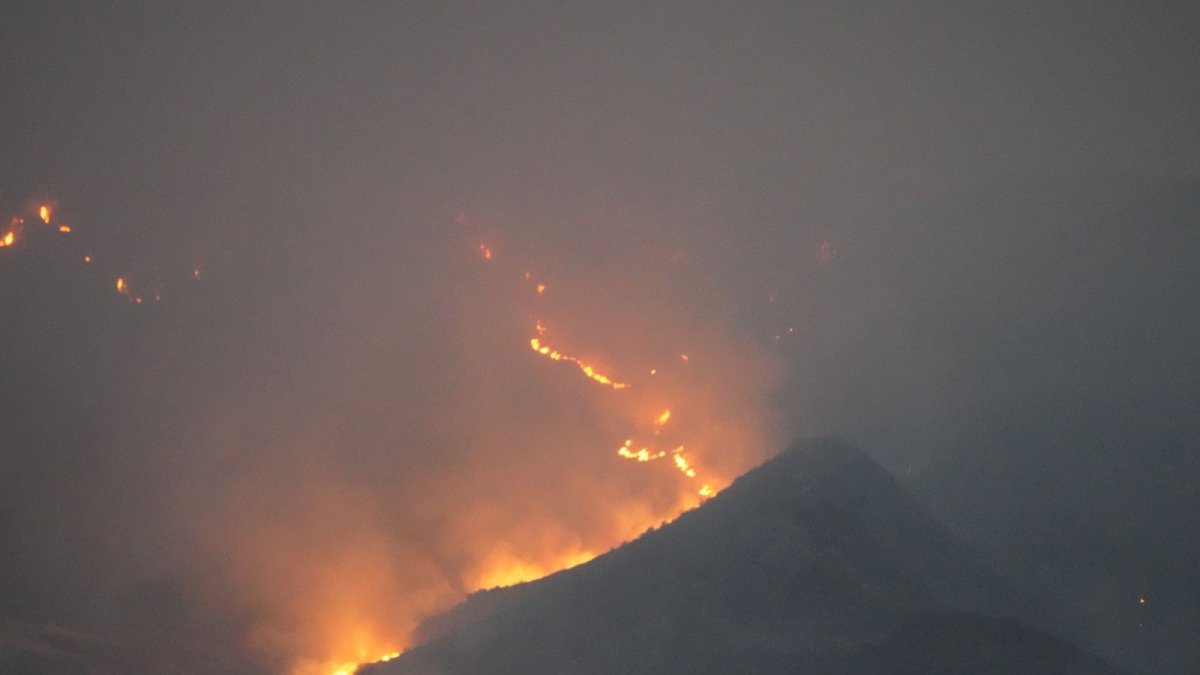
A fast-moving wildland fire ripped through Logan, Utah, late Friday night and kept crews scrambling into Saturday as mandatory evacuations slammed down on neighborhoods right next to Utah State University. The blaze threatened structures in the Island area and beyond, turning a quiet summer evening into a scramble for safety. It is the latest reminder that the West's wildfire nightmare is far from over.
Logan Wildfire Forces Evacs Near USU Campus
Logan, Utah — The fire started as a vegetation blaze that quickly earned the name USU Fire and forced residents out of their homes with almost no warning. What began with emergency texts and calls just before 11 p.m. Friday turned into an all-night fight that stretched through Saturday morning. Authorities treated it as a continuous incident threatening the same Canyon Road corridor near the university.
Friday Night Evacuation Timeline Unfolds
The trouble hit fast. Residents in the Island area and surrounding neighborhoods got urgent texts and phone calls ordering them to evacuate immediately due to a wildland fire. That alert went out just before 11 p.m. Friday as winds from the east began picking up. By midnight those winds were gusting hard, pushing the flames and creating an orange glow visible from Canyon Road.
Scanner traffic and people on the ground in the Cliffside area described a massive fire that may have already burned homes. Smoke poured across the area while the blaze was spotted near 1200 East at one point. Posts on Facebook pointed to flames north of Rudy's Greenhouse on the north side of Canyon Road. The speed caught everyone off guard.
Wildland-urban interface fires like this one spread rapidly when flames move from open vegetation straight into neighborhoods packed with homes, fences, and dry landscaping. East canyon winds accelerate that process at night because cooler air drains down the slopes and fans embers ahead of the main front, turning small starts into fast-moving walls of fire before residents can react. Utah State University sits right at the mouth of Logan Canyon, so any ignition on those slopes puts campus buildings and nearby housing in the direct path within minutes.
Logan City PD Issues 1-Mile Mandatory Order
At 11:20 p.m. the Logan City Police Department posted the clear directive on social media. A mandatory evacuation covered all residents within a 1-mile radius of 600 East and Canyon Road. The message told people to leave the area immediately and follow directions from emergency personnel. Do not call 911 for evacuation information unless you have an actual emergency, the post stressed.
The order hit the Island, Cliffside, Canyon Road, and Logan Canyon areas hard. Police scanner traffic showed officers actively clearing homes along 400 North between 400 East and 600 East. Reverse 911 calls were promised for updates, and authorities kept repeating that residents needed to move now.
A 1-mile mandatory radius in practice means every household inside that circle must leave immediately, often with police going door-to-door to confirm compliance and prevent re-entry. Reverse 911 systems work by automatically dialing registered phones with recorded instructions while wireless emergency alerts push texts to anyone in the zone, cutting through the chaos when cell networks get overloaded. Livestock owners in the area face extra pressure because trailers and feed must be loaded fast or animals left behind under the assumption responders cannot guarantee their safety.
Reports of Massive Fire and Possible Home Damage
Residents in the Cliffside area called it a massive blaze. Scanner traffic suggested some homes may have already sustained damage even as the night wore on. The fire spread between Canyon Road and 400 North, creating a distinct orange glow and heavy smoke that could be seen from multiple vantage points.
These details came straight from people on the scene and radio traffic, not official damage counts. The uncertainty only added to the urgency as families grabbed what they could and headed out. No one knew exactly how far the flames would push before crews gained control.
Canyon drainage winds often peak after dark, carrying embers across roads and into yards where they ignite roofs and decks long before the main flame front arrives. That pattern explains why even a modest vegetation fire can jump into structures so quickly in this terrain, leaving residents with almost no time to create defensible space once the wind shifts.
Emergency Response Sets Up Command and Shelter
Responders poured into the area fast. Officials established a primary command post near Herm's Inn to coordinate the multi-agency effort. An emergency shelter opened at an LDS church on 100 S. 600 East in the Island area for those forced from their homes. The Red Cross and local faith communities often assist with shelter operations during Cache Valley emergencies.
Updates were set to come through reverse 911 calls as the situation evolved. The focus stayed on clearing the zone and keeping everyone safe while firefighters worked the line. The response showed how quickly local agencies can move when a wildland fire threatens populated neighborhoods.
LDS church shelters in Utah typically open gymnasiums and cultural halls with cots, basic meals, and volunteer coordinators who track families through ward lists. These setups provide immediate refuge while reverse 911 continues pushing updates on road closures and re-entry times, keeping displaced residents connected without relying on overloaded 911 lines.
Saturday USU Fire Update Shows Ongoing Threat
By Saturday the same fire, now called the USU Fire, was reported in the 1400 block of Canyon Road. WatchDuty data put the size at approximately five acres as it continued burning near Utah State University. The incident remained active, with crews still battling the vegetation blaze that started the night before.
This was not a new start but the continuation of Friday night's event. The location in Cache County kept the same neighborhoods on edge. Officials treated the Saturday growth as part of the single evolving threat that began with those late-night evacuation orders.
Damage assessments will begin once the fire is contained enough for crews to walk the perimeter safely, followed by official containment percentages released through the same emergency channels that issued the original orders. Resource strain across the West in 2026 means engines and personnel may stay committed here for days, delaying full mop-up until larger incidents elsewhere release crews.
Utah and Western Wildfire Season Context
Utah is deep in another severe wildfire summer. Other active fires include the Rick Springs Fire in Logan Canyon that started Tuesday and closed a section of US-89, the East Promontory Fire in Box Elder County, and the Monroe Canyon Fire in central Utah that remains zero percent contained. The pattern matches what we saw last year when the governor declared a state of emergency.
Nationally the West is burning at a brutal pace. Oregon has already passed one million acres this season with 34 large wildfires still active. The Kaiser Canyon Fire in Washington has scorched more than 121,000 acres at just nine percent containment. Logan's fight is one more chapter in a regional crisis that shows no sign of easing.
The 2026 season has stretched firefighting resources thin nationwide, forcing agencies to prioritize populated areas like the USU corridor while smaller vegetation fires burn longer. That competition for engines and air support explains why even modest starts near towns can threaten homes before full containment lines are built.
A Cache Valley Accustomed to Wildfire Season
Cache Valley residents are no strangers to fire. Earlier this summer the Cache Valley Green Canyon fire burned near the mouth of Green Canyon on Saddleback Mountain in Logan, scorching approximately five acres near homes along 1900 North, according to Logan City Fire Marshal Craig Humphreys. The Sardine Fire near the mouth of Sardine Canyon on US-89/91 reached 80 percent containment after threatening the area, while the Rick Springs Fire in Logan Canyon scorched 50-70 acres after starting Tuesday July 28 and forced a section of US-89 closed with evacuations ordered in the Lewis M. Turner and Tony Grove areas.
These repeated ignitions along the same canyon corridors have trained local crews and residents to treat every vegetation start as an immediate threat to homes and roads. The pattern of east winds funneling flames downslope at night repeats year after year, turning small sparks into fast-moving fronts that demand instant evacuations and multi-agency coordination before dawn.
What Residents Must Do Right Now
If you are in the affected Logan area, follow every instruction from emergency personnel and do not return until the all-clear is given. Keep your phone charged and signed up for reverse 911 alerts so you get the latest updates without delay. Have your go-bag ready with medications, documents, and essentials in case the order expands.
Wildfire smoke can travel for miles, so residents with asthma or heart conditions should limit outdoor exposure, keep windows closed, run air purifiers, and check air quality monitors; anyone with breathing trouble should call their doctor or 911. Smoke from the USU Fire has already been visible across the area, and conditions can change quickly as the wind shifts.
Folks watching from elsewhere, this is the time to check your own wildfire plans. Know your evacuation routes, clear defensible space around your property, and stay informed through official channels. The season is long and these fires move fast when the wind picks up. Stay ready and look out for your neighbors.
Coming days will bring official damage assessments and updated containment numbers, but residents should keep go-bags packed and defensible space maintained until the all-clear arrives. Livestock owners need alternate boarding plans ready because trailers may not be allowed back into the zone immediately.
Stay informed through official channels: Logan City Police Department social media, reverse 911 alerts, and local outlets including the Herald Journal and Cache Valley Daily are the fastest ways to get accurate updates. Do not rely on unverified social posts for evacuation decisions.
By Jessica Ali, Staff Writer
This article was produced with AI-assisted research and editorial support. Reporting is based on sources cited in the article.
What's Your Reaction?
 Like
0
Like
0
 Dislike
0
Dislike
0
 Love
0
Love
0
 Funny
0
Funny
0
 Wow
0
Wow
0
 Sad
0
Sad
0
 Angry
0
Angry
0

Editor-in-Chief at Global1.News. Atlanta-based journalist who cuts through the BS and tells it like it is. Lead anchor, host, and the voice you hear when the spin stops and the truth starts.















Comments (0)