
LEGO Next to Cornflakes: Shufersal Enters the Toy Market - Is It Really Worth the Price?
Since last Thursday, shoppers at roughly 90 Shufersal branches across Israel — from Eilat in the south to Katzrin in the Golan Heights — have encountered an unusual sight alongside the produce and dairy aisles: colorful LEGO boxes.
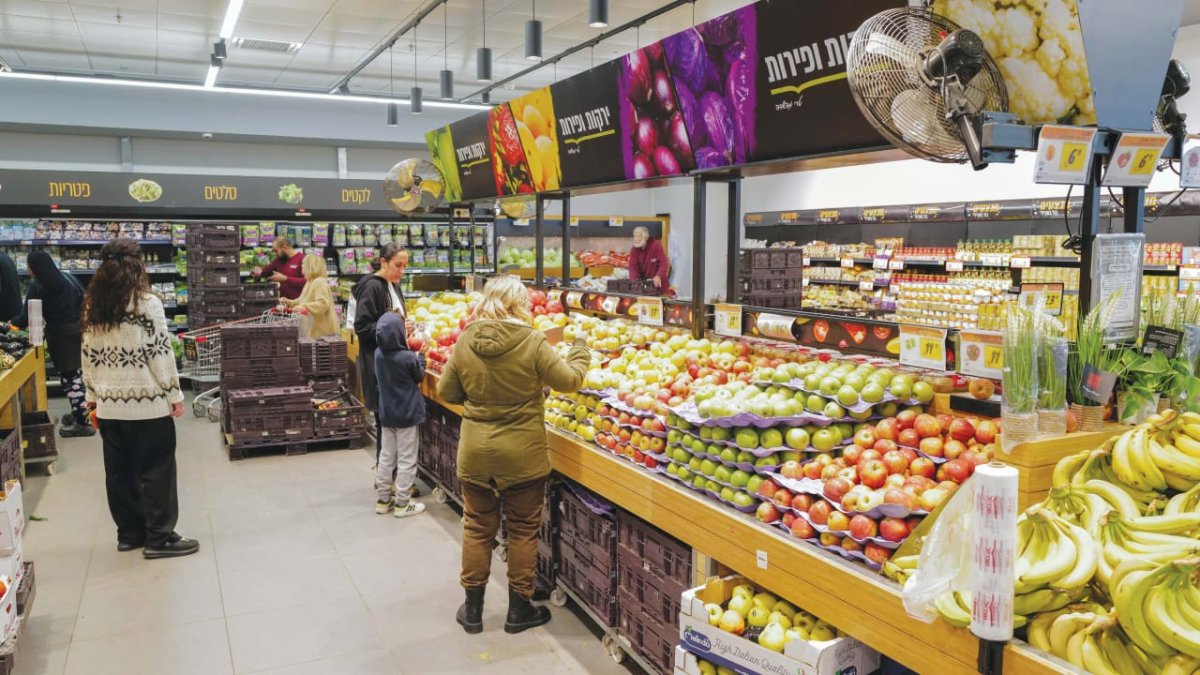
Since last Thursday, shoppers at roughly 90 Shufersal branches across Israel — from Eilat in the south to Katzrin in the Golan Heights — have encountered an unusual sight alongside the produce and dairy aisles: colorful LEGO boxes. The supermarket giant has launched a commercial partnership with the Danish toy brand, making sets available at selected Universe, Shufersal Deal, and Shufersal Sheli locations, as well as through Shufersal Online. For the first time, customers can add a LEGO set to their virtual cart and have it delivered alongside their milk, vegetables, and toiletries in a single shipment.
By Hannah Berg, Staff Writer
A New Chapter in Israeli Retail Competition
Shufersal's entry into the toy market marks a significant shift in how Israelis shop for children's entertainment and collectibles. The move is part of a broader trend in which traditional supermarkets are transforming into general merchandise retailers, competing not just on hummus and cottage cheese prices but on everything from electronics to toys. For decades, the Israeli consumer has been accustomed to separating their shopping trips: groceries at the supermarket, toys at dedicated stores like KSP or official brand outlets. That distinction is rapidly eroding. The partnership is particularly notable given LEGO's established sales structure in Israel. Officially imported LEGO products reach consumers through three primary channels: the official LEGO stores, the toy chain KSP, and now Shufersal. Beyond these, LEGO products are available at various toy stores and other retail chains, some supplied by the official importer and others through parallel imports. By joining the direct sales channels, Shufersal has positioned itself as a serious player in a market that was previously dominated by specialized retailers.Price Comparison: Where Does Shufersal Stand?
A price comparison conducted across the three platforms — Shufersal, KSP, and official LEGO stores — reveals that Shufersal offers the lowest price on three of the four sets examined. However, there is an important caveat: the products and prices were selected by Shufersal for the comparison, meaning the results do not necessarily indicate that the chain will be the cheapest across its entire LEGO selection. Still, the initial data suggests that the supermarket chain is serious about competing on price. The most dramatic gap was found in the LEGO LOVE set, model 31214. At the official LEGO store, this set sells for NIS 399, compared with NIS 238 at KSP and just NIS 229 at Shufersal. That represents a saving of NIS 170, or approximately 43%, compared with the official price, and NIS 9 compared with KSP. For Israeli consumers who have long complained about the high cost of imported toys, such a price difference is significant.More Savings on Popular Sets
The pattern continues with the LEGO Icons World Cup Ball set, model 43019. Shufersal sells it for NIS 349, compared with NIS 419 at KSP and NIS 499 at the official LEGO store. Customers purchasing this set at Shufersal will save NIS 150 compared with the official store price and NIS 70 compared with KSP. For a family buying multiple sets, these savings can add up quickly, especially during the back-to-school and holiday seasons when toy purchases spike. Similarly, the Ninja Figure Display set, model 71866, is priced at NIS 149 at Shufersal, compared with NIS 169 at KSP and NIS 179 at the official store. The consistent pattern of Shufersal undercutting both competitors suggests a deliberate pricing strategy designed to attract customers who might otherwise visit specialized toy retailers.The Exception That Proves the Rule
There was, however, one exception in the comparison. For the LEGO Remix Airplane, Truck, and Hovercraft set, model 60505, KSP offers a price of NIS 239, compared with NIS 249 at Shufersal. At the official LEGO store, the set is significantly more expensive at NIS 329. This exception demonstrates that while Shufersal is competitive on many items, it is not always the cheapest option. Consumers who are price-sensitive would be wise to compare prices across platforms before making a purchase, particularly for larger or more specialized sets. The fact that KSP managed to undercut Shufersal on at least one set suggests that the established toy retailer is not simply rolling over in the face of new competition. KSP, which has built its reputation on toy expertise and a wide selection, may be adjusting its pricing to remain competitive. This is good news for Israeli consumers, who stand to benefit from increased price competition in the toy market.A Broad Range for All Ages
The selection Shufersal is bringing to its branches is designed to appeal to a wide range of ages. Alongside LEGO DUPLO for younger children, the chain will offer LEGO City and LEGO Friends for school-age children, as well as LEGO Icons and LEGO Botanicals for adults — a category that has expanded significantly in recent years. According to the chain, new LEGO launches will reach its shelves simultaneously with their release in Israel, a promise that could make Shufersal a destination for collectors and enthusiasts who want the latest sets without waiting. The inclusion of adult-oriented lines like LEGO Icons and Botanicals is particularly strategic. In recent years, LEGO has successfully cultivated an adult fan base, with sets designed for display and relaxation rather than children's play. By stocking these lines, Shufersal is tapping into a demographic that might not otherwise visit a supermarket for toys but could be persuaded to add a set to their weekly grocery order.The Blurring Lines Between Supermarket and Retail
Shufersal's move represents another step in the blurring of the lines between the traditional supermarket and the increasingly broad retail chains seeking to sell customers almost anything that can fit into a physical or virtual shopping cart. This trend has been building for years in Israel, as supermarkets have expanded their non-food offerings to include clothing, home goods, electronics, and now toys. The logic is straightforward: the customer is already there, whether visiting a branch or browsing the website, and every additional product added to the basket increases its overall value. For Israeli retailers, this strategy makes particular sense in a market characterized by high competition and relatively small population. Rather than fighting for a larger share of the grocery pie, chains like Shufersal are looking to capture spending that would otherwise go to specialized retailers. The supermarket's advantage lies in its extensive distribution network, established customer base, and the convenience of one-stop shopping.The Power of the LEGO Brand
In LEGO's case, there is an added advantage for Shufersal: the brand is strong enough to attract customers specifically, particularly when its products are offered at prices lower than those they are accustomed to seeing at specialized stores. LEGO is one of the most trusted and recognized play brands in the world, with a loyal following that spans generations. For many Israeli parents, LEGO is not just a toy but a tradition, passed down from their own childhoods. The brand's appeal also extends to collectors and adult enthusiasts, who are often willing to pay premium prices for rare or exclusive sets. By offering LEGO products at competitive prices, Shufersal is positioning itself to capture this demand. The chain's ability to offer lower prices may stem from its purchasing power and distribution efficiencies, which allow it to negotiate favorable terms with the brand.What This Means for Israeli Consumers
For Israeli consumers, the entry of Shufersal into the toy market is likely to be a welcome development. The cost of living in Israel has been a persistent concern, and toys are often cited as an area where prices are significantly higher than in Europe or North America. The price comparison conducted for this article suggests that Shufersal's entry could help bring toy prices down, at least for LEGO products. However, consumers should approach the initial price data with some caution. The comparison was based on a limited selection of sets, and prices may vary across the full range of products. Additionally, the availability of specific sets at individual branches may be limited, particularly in smaller locations. Customers interested in a wide selection may still find the official LEGO stores or KSP to be better options, even if they come at a higher price.Shufersal's Official Statement
Shufersal stated: "We are delighted with our collaboration with LEGO, which will make one of the world's most trusted and recognized play brands accessible to the Israeli public, offering a wide range of products in branches and on Shufersal Online. We will continue working to bring added value to our customers." The statement reflects the chain's broader strategy of expanding its non-food offerings while maintaining its focus on customer value. The partnership also raises questions about the future of specialized toy retailers in Israel. If supermarkets can offer competitive prices on popular brands like LEGO, will consumers still make the trip to dedicated toy stores? The answer may depend on the breadth of selection and the level of expertise that specialized retailers can offer. For now, KSP and the official LEGO stores retain advantages in terms of product range and the ability to offer exclusive or hard-to-find sets.Looking Ahead
As Shufersal continues to roll out its LEGO partnership across more branches and expand its online selection, the impact on the Israeli toy market will become clearer. The initial price data is encouraging for consumers, suggesting that increased competition is already driving prices down. Whether this trend extends beyond LEGO to other toy brands remains to be seen, but the precedent has been set. For the Israeli retail ecosystem, this move is another sign that the lines between different types of retailers are continuing to dissolve. Supermarkets are no longer just places to buy food; they are becoming destinations for a wide range of consumer goods. As chains like Shufersal continue to expand their offerings, Israeli consumers are likely to benefit from greater convenience and more competitive prices across a broader range of products.This article was produced with AI-assisted research and editorial support. Sources: The Jerusalem Post
What's Your Reaction?
 Like
0
Like
0
 Dislike
0
Dislike
0
 Love
0
Love
0
 Funny
0
Funny
0
 Wow
0
Wow
0
 Sad
0
Sad
0
 Angry
0
Angry
0

Hannah Berg
Israel Correspondent at Global1.News. Based in Tel Aviv, covering Israeli politics, security, technology, and society. Provides balanced, deeply-sourced reporting on one of the most closely-watched regions in the world.















Comments (0)