
Kinshasa's Rumba Guardians: Preserving the Sound That Defined a Continent
Musicians and historians in Kinshasa are working to preserve Congolese rumba, a genre rooted in pre-colonial Africa, five years after UNESCO added it to the intangible cultural heritage list. This effort connects deeply with African cultural contexts from Dakar to Lagos, where traditional sounds face modern pressures yet continue to shape identity across the continent.
Musicians and historians in Kinshasa are working to preserve Congolese rumba, a genre rooted in pre-colonial Africa, five years after UNESCO added it to the intangible cultural heritage list. This effort connects deeply with African cultural contexts from Dakar to Lagos, where traditional sounds face modern pressures yet continue to shape identity across the continent. In the Democratic Republic of Congo, the work unfolds through concrete institutions and living practitioners who refuse to let the music fade.
Kinshasa's Rumba Guardians: Preserving the Sound That Defined a Continent
Kinshasa, Democratic Republic of Congo — A national museum now occupies the former home of Papa Wemba in the capital, an arts institute offers formal classes on the genre's history, and aging bandleaders at neighborhood venues keep the tradition alive through nightly performances. These efforts matter because rumba carries the rhythms and stories that have defined Congolese life for generations. The preservation work also speaks to wider African concerns about cultural continuity in rapidly changing cities.
Rumba's Roots: A Sound Older Than the Colony
Congolese rumba is a genre experts believe dates back to before European colonialism. It originated in the urban centres of Kinshasa and Brazzaville, the neighbouring capitals of the DRC and Republic of Congo. The ancient dance nkumba — meaning 'waist' in Kikongo — gave rumba its signature movement that still draws crowds to dance floors today.
Rumba is used for celebration and mourning, in private, public and religious spaces across Kinshasa. The genre took shape in the late 1930s in urban Congolese life as migrants brought village rhythms into growing city neighborhoods. These gatherings turned rumba into a shared language for expressing joy and grief alike.
Legendary figures include Grand Kallé (Joseph Kabasele) and Franco Luambo, leader of TPOK Jazz. Tabu Ley Rochereau is another rumba great whose classics are still covered by younger musicians at local bars. Their recordings from the mid-twentieth century remain reference points for anyone learning the style.
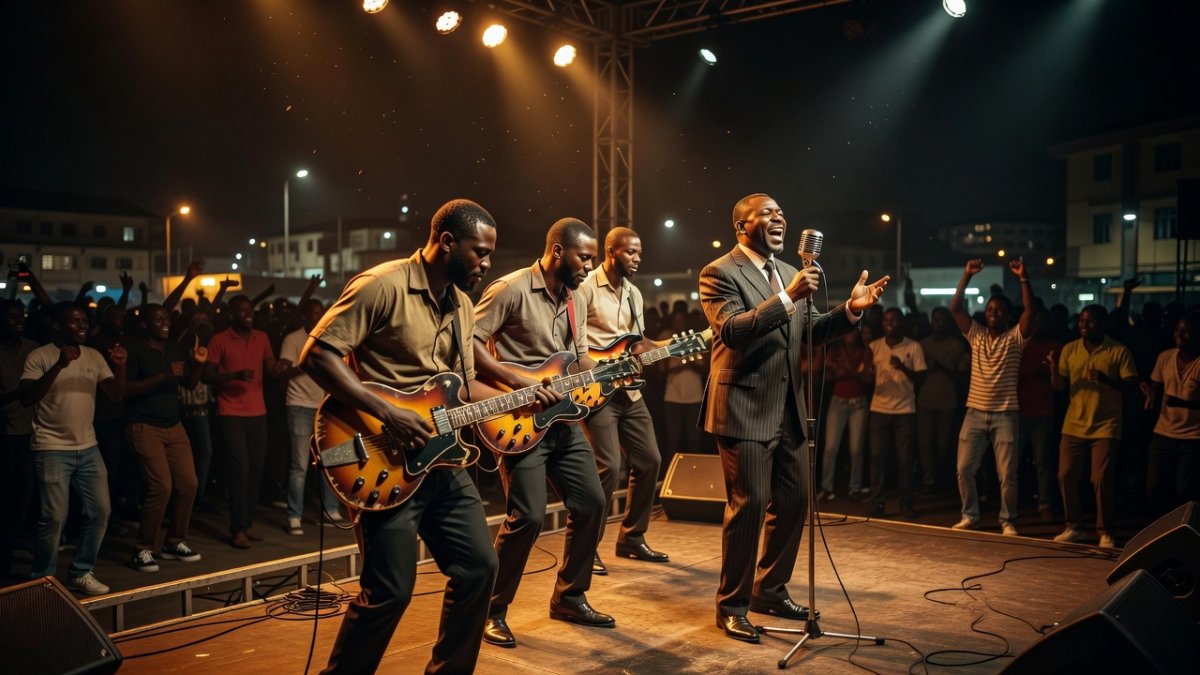
La Creche bar in Kinshasa has kept rumba tradition alive since 1984 with an orchestra playing classics by Franco Luambo, Tabu Ley Rochereau and Grand Kalle. Singer Albert Diasihilua at La Creche often reminds listeners that this is the home of authentic rumba. He has spent 50 of his 73 years performing and still takes the stage several nights a week.
The music's endurance in these venues shows how rumba functions as living memory rather than museum piece. Performers at La Creche pass songs directly to apprentices who learn the guitar lines and vocal harmonies by ear. This oral transmission has sustained the genre through decades of political and economic upheaval in Kinshasa.
Younger listeners who visit La Creche encounter the same nkumba movements that predate the colonial period. The bar's orchestra deliberately avoids modern amplification that might obscure the original guitar patterns. Such choices keep the focus on the music's core elements that originated in the late 1930s.
A Museum in Papa Wemba's Living Room
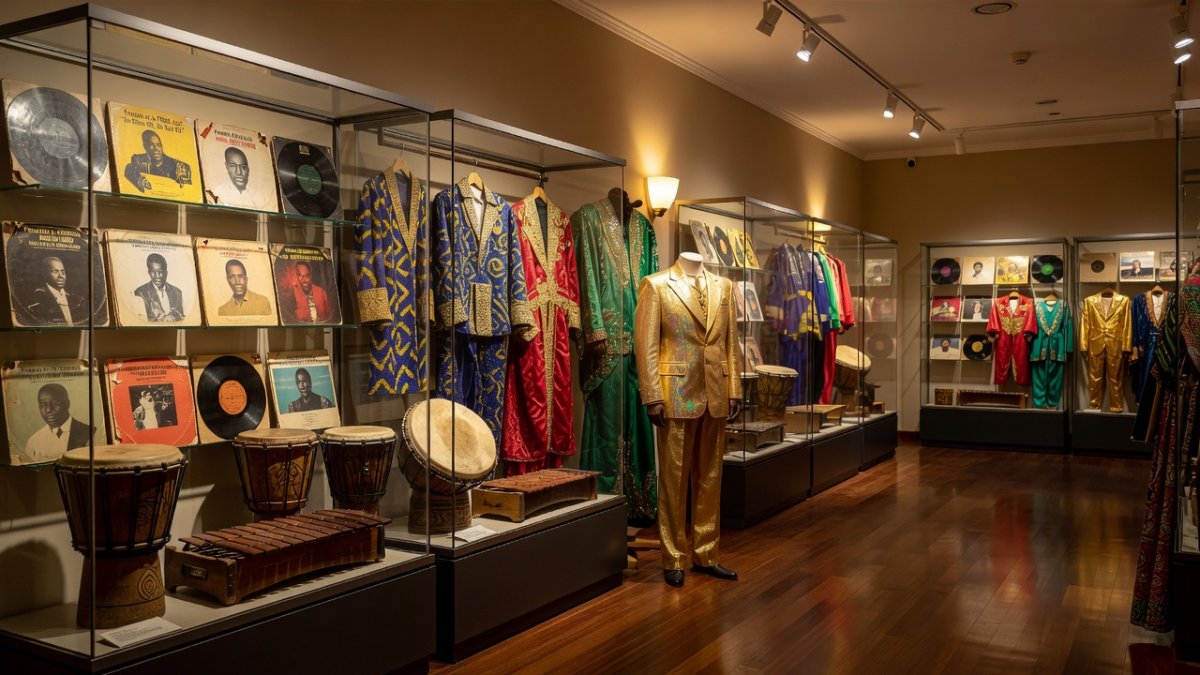
The National Rumba Museum officially opened its doors in the capital in December of this past year. The museum is housed in the former home of Papa Wemba, the "king of Congolese rumba," who died in 2016. Displays include clothes from Papa Wemba's famously flamboyant wardrobe and traditional Congolese instruments that visitors can examine up close.
Deputy director Glodi Nkiadiasivi says rumba is "under threat" of being forgotten by new generations. He explains that the museum exists so that artists, even centuries from now when they are no longer alive, can continue to preserve the objects used by these artists as a record that will allow us to tell future generations about the history of these artists. The institution therefore serves as both archive and classroom.
Around a hundred visitors have come to the museum so far. Most arrive through word of mouth from musicians who still live in the neighborhood. Staff members guide small groups through the rooms while explaining the significance of each displayed instrument and garment.
Nkiadiasivi adds that young people "do not understand its richness, they're more and more influenced by American, Nigerian and French songs." The museum counters this trend by hosting occasional live demonstrations that show how rumba guitar techniques differ from contemporary Afropop styles. These sessions attract students from nearby schools who leave with clearer appreciation for the genre's depth.
The modest attendance figures reflect limited publicity rather than lack of interest. Organizers plan to expand outreach once additional funding allows printed materials and school partnerships. The former Papa Wemba residence already draws steady foot traffic from musicians paying respects to the late star.
Traditional instruments on display include the likembe thumb piano and various drums that predate electric amplification. These objects illustrate how rumba evolved from acoustic village music into the urban sound heard across Kinshasa today. Curators rotate exhibits to highlight different eras of the genre's development.
The Generational Divide: Afropop, R&B and the Fear of Being Forgotten
In Kinshasa's hip bars, rumba has given way to a modern fusion of Afropop and R&B popularised by Fally Ipupa. Nkiadiasivi's observation that young people are increasingly influenced by American, Nigerian and French songs captures a broader shift visible in radio playlists and social media trends. This change creates tension between preservationists and artists seeking wider commercial success.
INA music teacher Christian Kayembe notes that "Congolese rumba has been influenced by many different styles. So when we talk about Grand Kallé and Franco, you can tell that it's really dance music. But today, when we talk about Fally Ipupa and Ferre Gola, you can tell that this music has been influenced by outside influences." His analysis helps students trace how external elements entered the tradition without erasing its core.
26-year-old guitarist Daniel Lukusa laments that "pure rumba is starting to get lost. Young people think they're adding special effects, when in fact they're cramping the style." Lukusa continues to study older recordings to keep his playing rooted in the classic approach he learned from veteran bandleaders.
The generational stakes extend beyond Kinshasa's nightlife. Families that once gathered to dance rumba at weddings now request newer tracks for their celebrations. This shift risks severing younger Congolese from the music that once accompanied both celebrations and mourning rituals.
Some musicians attempt to bridge the divide by incorporating rumba guitar lines into Afropop productions. These experiments receive mixed reactions from elders who fear dilution of the original form. The debate continues in rehearsal spaces and online forums where fans argue over authenticity.
Christian Kayembe encourages his students to master both traditional and contemporary approaches. He believes understanding the roots allows artists to innovate without losing the genre's identity. This balanced view guides the curriculum at the National Institute of the Arts.
Writing the Music Down: The Fight Against the Fleeting
The National Institute of the Arts (INA) was founded shortly after independence from Belgium in 1960. Since 2022, INA students can take classes in the history of Congolese rumba and the basics of musical theory. These courses represent the first systematic attempt to teach the genre within a formal academic setting in Kinshasa.
Professor and conductor Michel Lutangamo observes that "there are lots of very talented artists in the city, but they don't know how to read music because they learnt on the job." His classes therefore begin with basic notation before moving to rumba-specific arrangements. Students practice transcribing classic songs by ear before writing their own variations.
Ethnomusicologist Jean-Romain Malwengo warns that "rumba, like our other traditional music styles, is based on the oral tradition and therefore very fleeting. It could disappear at any moment. So the best way to preserve it is to write it down." His 15-year transcription project has preserved between 300 and 400 songs so far from television, radio and vinyl sources.
Malwengo says the work protects more than melodies. "It's our identity, it's a part of us." The transcribed scores now sit in the institute's library where researchers and performers can access them. This archive grows each semester as new students contribute additional transcriptions.
The project faces challenges from deteriorating source materials. Old vinyl records require careful handling, while radio broadcasts from earlier decades exist only on aging tapes. Students learn preservation techniques alongside music theory to safeguard these fragile documents.
Graduates of the program have begun teaching rumba notation in secondary schools across Kinshasa. This expansion spreads the written tradition beyond the institute's walls. The effort ensures that future generations can study the music even if oral transmission weakens.
From Kinshasa to the World: Rumba's Global Footprint
Rumba's journey from the banks of the Congo River to the world stage began with recordings that traveled through African trading networks. Its UNESCO intangible cultural heritage listing in 2021 became a source of intense national pride in both the DRC and Congo-Brazzaville. The recognition highlighted rumba's role in shaping continental music history.
The genre evolved into derivative forms including soukous and ndombolo that carry its rhythmic DNA across borders. These styles reached dance halls from Johannesburg to Accra and influenced musicians who adapted the guitar patterns to local tastes. Rumba's flexibility allowed it to absorb new elements while retaining its essential character.
Its influence on the wider African music landscape includes Senegal's own rich musical traditions. Senegalese artists have long drawn from Congolese rumba guitar lines when building their mbalax sound. This cross-pollination demonstrates how Kinshasa's innovations traveled westward and took root in new cultural soil.
Preservation efforts in Kinshasa therefore resonate across the continent where oral traditions face similar threats from globalization. Museums and music schools in other capitals watch the National Rumba Museum's progress for lessons that might apply locally. The shared challenge strengthens ties between African cultural institutions.
International tours by Congolese rumba ensembles continue to introduce new audiences to the genre's history. These performances often include explanations of the nkumba dance and its pre-colonial origins. Such educational components help global listeners appreciate rumba beyond its dance-floor appeal.
The UNESCO listing also opened doors for funding applications that support transcription and museum work. Organizers in Kinshasa now collaborate with researchers from European and American universities who study the genre's diaspora connections. These partnerships bring additional resources while keeping decision-making centered in the DRC.
What to Watch For
The museum's plans to draw visitors through guided tours, conferences and concerts aim to increase attendance beyond the current hundred visitors. These events will feature live performances by veteran musicians alongside lectures on rumba's historical development. Staff hope the programming will attract both local residents and international tourists interested in African music heritage.
The challenge of limited state funding remains significant, with less than one percent of the DRC government's budget devoted to culture. Organizers therefore seek private sponsorship and international grants to sustain operations. The modest resources have not stopped the museum from opening on schedule or beginning its public programs.
Singer Albert Diasihilua's plea at La Creche that "we cannot lose this music as we are on the way out" carries particular weight. He has spent 50 of his 73 years gigging and continues to mentor younger players at the bar. His generation sees the preservation work as a final responsibility before they pass the tradition onward.
The generational stakes for Congolese identity extend beyond music alone. Rumba carries narratives of urban migration, political resistance and everyday resilience that textbooks often overlook. Losing the music would mean losing one of the most accessible records of twentieth-century Congolese experience.
What the rumba preservation effort means for Africa's cultural inheritance becomes clearer each time a student learns to read a transcribed score or a visitor examines Papa Wemba's stage costumes. These concrete actions protect sounds and stories that have already traveled from Kinshasa to distant capitals. The work in the DRC offers a model for other nations facing similar pressures on their oral traditions.
Continued success will depend on sustained engagement from both government and civil society. If the museum and the National Institute of the Arts maintain their current momentum, rumba's core elements should remain available for future artists to study and reinterpret. That outcome would honor the musicians who kept the music alive through decades of change.
By Amara Diop, Staff Writer
This article was produced with AI-assisted research and editorial support. Reporting is based on sources cited in the article.
What's Your Reaction?
 Like
0
Like
0
 Dislike
0
Dislike
0
 Love
0
Love
0
 Funny
0
Funny
0
 Wow
0
Wow
0
 Sad
0
Sad
0
 Angry
0
Angry
0

West Africa/Sahel Correspondent at Global1.News. Dakar-based journalist covering politics, security, climate, and development across Francophone and Anglophone West Africa. Tells the stories of a region undergoing profound transformation.










Comments (0)