
Israeli Protesters Block Gaza Aid Trucks at Kerem Shalom
Israeli protesters from Gaza border communities blocked humanitarian aid trucks at the Kerem Shalom crossing on Tuesday, demanding a halt to the planned deployment of an international force before Hamas disarms. The UN calls Kerem Shalom the last remaining cargo crossing into Gaza.
In a recent Middle East Eye report, the fragile calm along the Gaza border was shown to be under renewed strain as Israeli protesters took direct action to block the last remaining lifeline for the enclave's two million residents. The demonstration at the Kerem Shalom crossing on Tuesday marked a significant escalation in domestic opposition to the internationally brokered peace process, with protesters demanding a halt to the deployment of a multinational force they say will tie the hands of their own military. The blockade, which prevented humanitarian aid trucks from passing, has raised urgent questions about the viability of a peace plan that was supposed to end two years of devastating war.
Gaza Aid Blocked as Israeli Protesters Rally Against ISF Deployment
Kerem Shalom Crossing, Israel-Gaza border – 26 August 2026 — The road at the Kerem Shalom crossing was blocked for hours on Tuesday by an emergency demonstration of Israeli citizens, halting the passage of humanitarian aid trucks into Gaza and disrupting the transit corridor used by vehicles and personnel of the incoming International Stabilization Force (ISF). The protest, staged outside the ISF base near Amitai Camp, brought together residents of the Gaza envelope communities, activists from the Tzav 9 movement, and members of the Otef Israel Forum, many of whom were present in their communities during the 7 October 2023 attacks. The demonstrators demanded that the entry of the ISF — the UN-mandated force tasked with governing and managing the Gaza Strip — be halted immediately, and that the enclave be fully demilitarised.
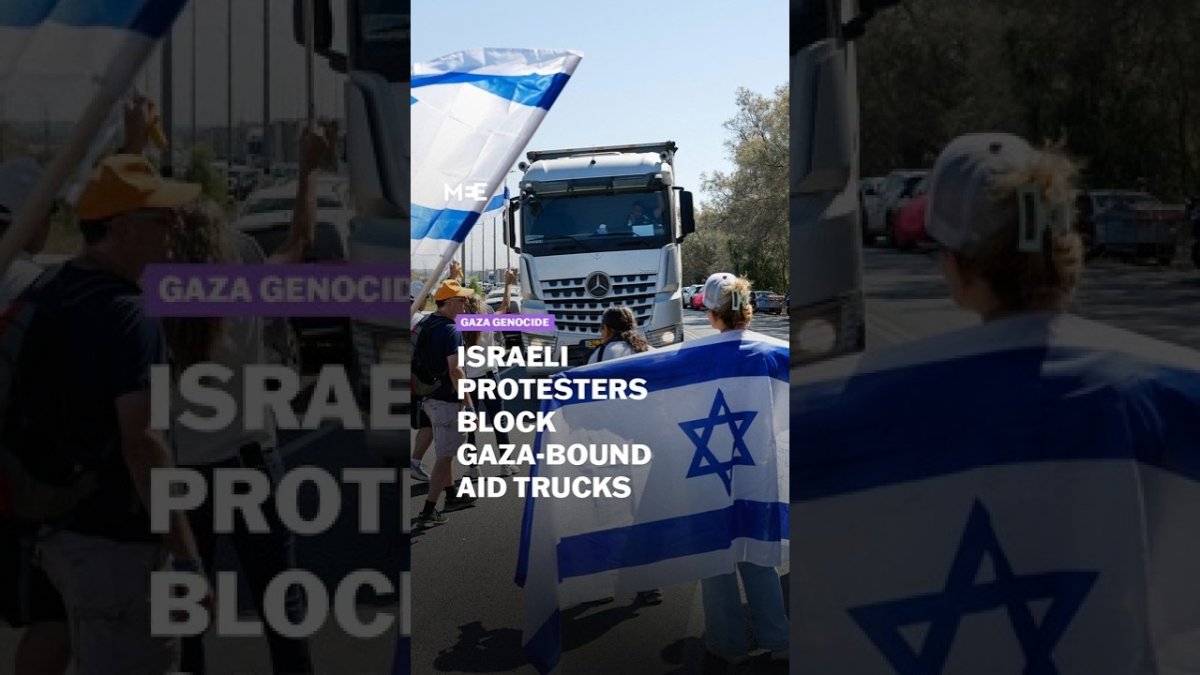
Protesters Vow to Stop 'Foreign Forces' at the Border
The scene at Kerem Shalom on Tuesday was one of raw emotion and deep-seated fear. For the protesters, the ISF represents not a path to peace, but a return to the vulnerabilities that led to the deadliest day in Israel's history. They assert that only an Israeli security force can prevent a repeat of 7 October, a sentiment captured in Tuesday's Jerusalem Post headline: 'Only the IDF can protect us': Gaza border residents protest deployment of Gaza force.
Reut Ben Haim, chairwoman of Tzav 9, articulated the protesters' core anxieties in stark terms. "We bring the sane voice from the ground. We see the concerning things happening in recent days, the kites that land by us, the IDF lookouts' warnings, and the entire time, our soldiers' hands are tied. Above all, we see the threat of foreign forces, who have already come here and will critically harm all of our security. We will stop the situation where foreign forces enter Gaza and tie the IDF's hands."
A Bereaved Father's Plea: 'The War Is Not Over'
Among the demonstrators was Oren Smadja, a bereaved father who recently joined Gilad Erdan's Unity Party. His presence underscored the personal toll that continues to drive opposition to the peace plan. "While my son is buried underground, they continue to revive Hamas, who are the greatest enemies of the State of Israel," Smadja said. "We see that kite terrorism is returning - and the state has no answers to this."
Smadja's words reflect a conviction held by many in the border communities that the October 2025 ceasefire and the subsequent peace plan have not delivered the security they were promised. "I believe they are returning to the old misconception. On October 7th, it was already proven that it doesn't work. We need to defeat Hamas with a heavy hand. The war is not over since we did not defeat Hamas," he added, his voice heavy with grief and resolve.
The International Stabilization Force: A Plan Under Siege
The ISF is the cornerstone of the Gaza peace plan agreed by Hamas and Israel in October 2025, which ended two years of devastating conflict. The force is part of US President Donald Trump's 20-point peace plan and is overseen by Trump's Board of Peace, which is monitoring the ceasefire. Israel's government approved the entry of the ISF into Gaza on 26 July 2026, with the force, to be staffed by 'friendly countries,' operating in areas outside Israel's military control.
However, the political landscape has shifted dramatically in recent days. On 20 August 2026, Israel's Prime Minister's Office denied reports that the political echelon had approved ISF entry, issuing a firm statement: "Israel has reiterated that there will be no reconstruction of any kind in Gaza before the complete disarmament of Hamas." This denial has created a confusing and volatile situation, with the government appearing to contradict its own earlier approval while protesters on the ground take matters into their own hands.
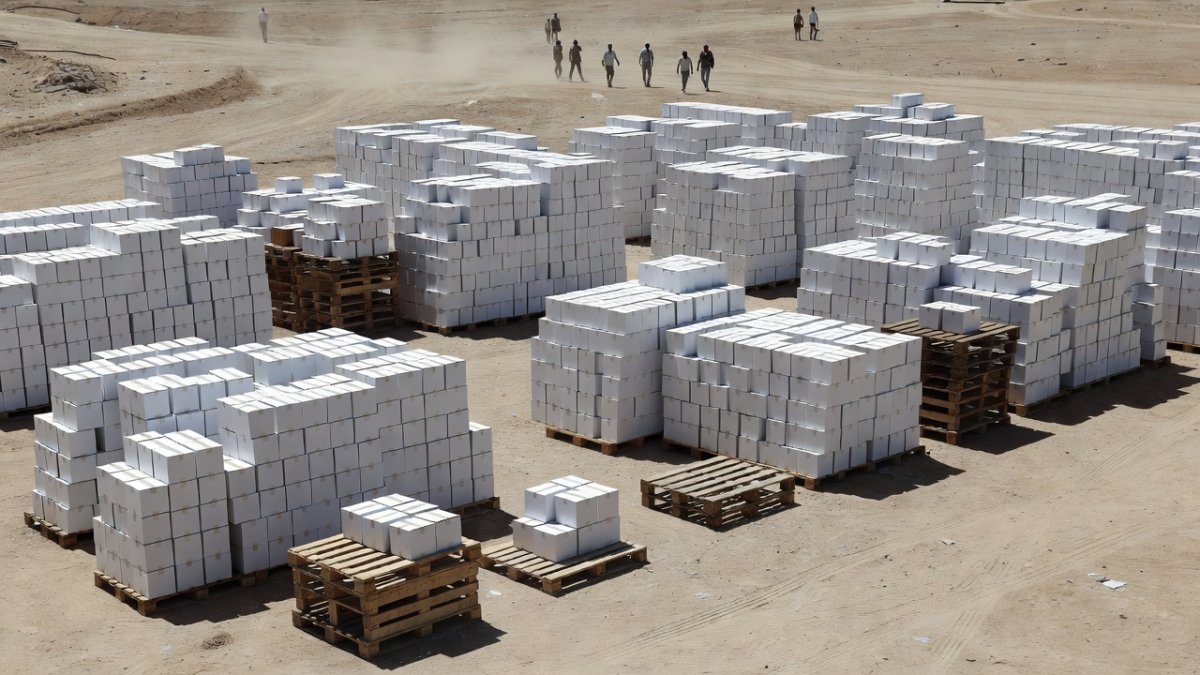
Humanitarian Lifeline at Risk: The Fragile Gains of the Ceasefire
The blockade at Kerem Shalom is not merely a political statement; it has immediate and potentially catastrophic humanitarian consequences. The UN has described Kerem Shalom as the last remaining cargo crossing into the enclave, making it the sole artery for food, medicine, and other essential supplies. The disruption of this corridor threatens to unravel the fragile improvements in food security that have been achieved since the ceasefire.
The stakes are starkly illustrated by recent history. Famine was reported in Gaza in August 2025 following two years of war in which Israel severely restricted the entry of food and attacks destroyed 87 per cent of cropland. After the October 2025 ceasefire, Israel allowed more humanitarian aid into Gaza, and food security improved. A July 2026 IPC analysis found that food security and child nutrition have improved across Gaza, largely due to a scale-up in humanitarian assistance and commercial traffic. However, the analysis warned that progress remains fragile and could quickly reverse without sustained access, funding, and recovery support.
UN Reports and the Toll of War
The human cost of the conflict continues to mount, even in the relative quiet of the ceasefire period. UNRWA Situation Report #232, dated 12 August 2026, recorded 1,258 fatalities and 4,295 injuries between the ceasefire announcement on 10 October 2025 and 9 August 2026. The report also noted that 393 UNRWA-associated colleagues have been killed since the start of the war, a devastating loss for the agency that serves as a lifeline for Palestinian refugees.
The OCHA reported in late July 2026 that the scale-up of assistance, enabled by improved access and reduced conflict intensity following the ceasefire, drove improvements in food security and nutrition. Yet, the blockade at Kerem Shalom threatens to reverse these gains overnight. Humanitarian workers on the ground have expressed deep concern that any sustained interruption to the aid flow could plunge the enclave back into the conditions that led to the 2025 famine.
Hamas, Mediators, and the Stalled Roadmap
The protest comes at a critical juncture for the peace process. Under the proposed roadmap, Hamas would give up its weapons in phases as Israeli forces withdraw from Gaza; the ISF would then work with a new Palestinian police force to take responsibility for security. However, Hamas has demanded that Israel adhere to the ceasefire and withdraw its forces from Gaza, and has disputed the sequencing of how to implement Trump's plan.
Turkey, Egypt, and Qatar have been trying to mediate an end to the conflict, but the path forward remains fraught with mistrust on all sides. The Israeli protesters' demand for full demilitarisation before any reconstruction clashes directly with Hamas's insistence on a phased withdrawal. Meanwhile, Al Jazeera's trending topics include Israel's ceasefire violations, indicating that the international community is closely watching Israel's compliance with the terms of the agreement.
Analysis and Implications
Tuesday's protest at Kerem Shalom represents a dangerous convergence of domestic Israeli politics and international diplomacy. The demonstrators, many of whom carry the trauma of 7 October, are not merely fringe elements; they represent a significant constituency within Israeli society that views the ISF as an existential threat to their security. Their ability to physically block the last aid crossing into Gaza gives them outsized influence over the peace process, effectively holding the entire enclave hostage to their demands.
For Palestinians in Gaza, the implications are dire. The blockade sends a chilling message that their lives and wellbeing remain secondary to Israeli domestic political considerations. The fragile gains in food security, hard-won through months of sustained humanitarian effort, could evaporate in a matter of weeks if the crossing remains blocked. The international community, which has invested significant political capital in the Trump peace plan, now faces the uncomfortable reality that the plan's success hinges on the cooperation of groups actively working to undermine it.
As the sun set over the Kerem Shalom crossing on Tuesday, the road remained blocked, and the aid trucks sat idle. The protesters, many of them still wearing the mourning ribbons of 7 October, showed no signs of relenting. For the people of Gaza, waiting on the other side of the fence, the message was clear: their fate remains inextricably linked to the unresolved traumas and political battles of their neighbours. The peace plan, once hailed as a historic breakthrough, now hangs in the balance, threatened by the very fears it was designed to address.
By Fatima Al-Rashid, Staff Writer
This article was produced with AI-assisted research and editorial support. Reporting is based on sources cited in the article.
What's Your Reaction?
 Like
0
Like
0
 Dislike
0
Dislike
0
 Love
0
Love
0
 Funny
0
Funny
0
 Wow
0
Wow
0
 Sad
0
Sad
0
 Angry
0
Angry
0
Gulf/MENA Correspondent at Global1.News. Based in Doha, covering Gulf politics, energy markets, diplomacy, and development across the Middle East and North Africa. Tracks the economic transformation of the Gulf states.












Comments (0)