
Israeli Army Rejects Katz Bid to Replace Top General
In a recent i24NEWS English report detailing the Israeli Army's rejection of Defense Minister Israel Katz's attempt to replace IDF Central Command chief Maj. Gen. Avi Bluth, the friction between Jerusalem's political echelon and the military's operational leadership in the West Bank emerges as a central concern for Israel's security establishment.
In a recent i24NEWS English report detailing the Israeli Army's rejection of Defense Minister Israel Katz's attempt to replace IDF Central Command chief Maj. Gen. Avi Bluth, the friction between Jerusalem's political echelon and the military's operational leadership in the West Bank emerges as a central concern for Israel's security establishment. The announcement, made on Channel 14's "The Patriots" program Sunday night, directly challenged the chain of command during an active counterterrorism operation. This episode underscores how domestic political calculations in the Knesset can intersect with IDF activities against terror groups in the West Bank. Observers in Jerusalem note that such public clashes risk amplifying existing strains within the security apparatus at a moment when operational tempo in the territory remains high.
Defense Minister Katz's Live TV Bid to Oust Central Command Chief Triggers IDF Rebuff and Coalition Strife
Jerusalem, Israel – August 4, 2026 — Defense Minister Israel Katz announced on live television that he intended to replace IDF Central Command chief Maj. Gen. Avi Bluth with Maj. Gen. Dado Bar Kalifa, head of the IDF Personnel Directorate, claiming the move followed a recommendation from Chief of Staff Lt. Gen. Eyal Zamir. The IDF Spokesperson's Unit immediately stated that Katz's remarks had not been coordinated with Zamir and that authority to remove senior officers rests solely with the chief of staff. Bluth learned of the planned replacement while leading an operational counterterrorism briefing in the West Bank, where he was reviewing plans to dismantle terror organizations with senior command officers and the IDF's West Bank Division.
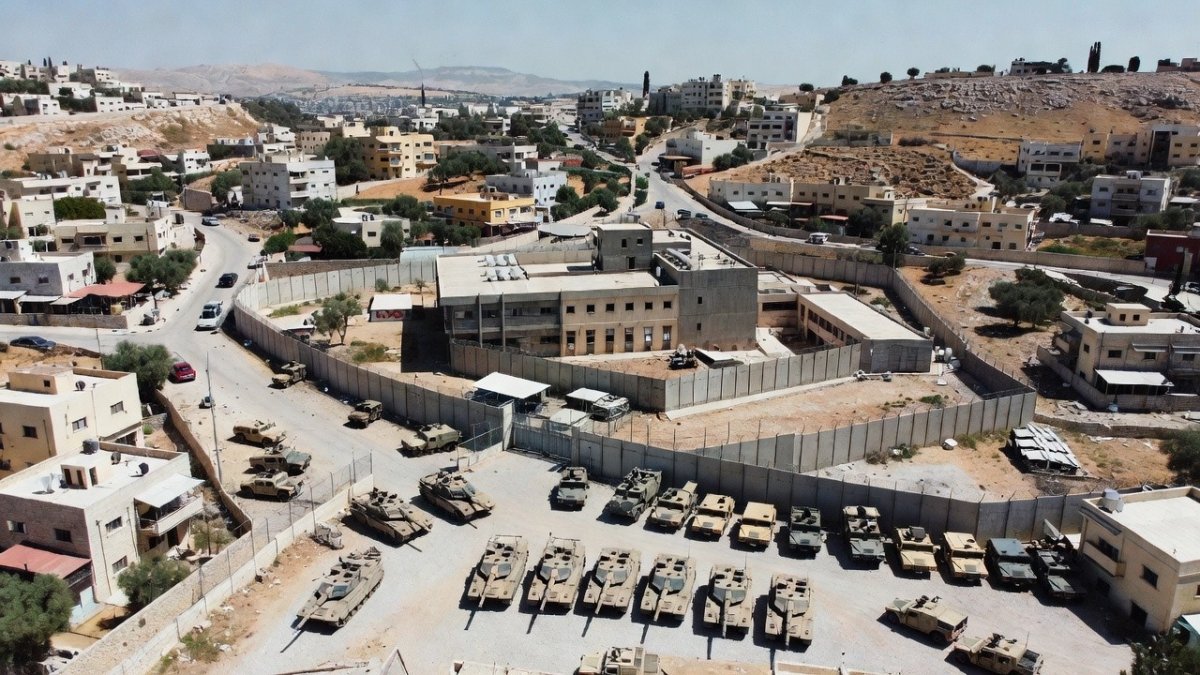
On the Ground: A Command Caught in the Crossfire
Bluth assumed the Central Command post in July 2024, succeeding a predecessor who served three full years, making the timing of Katz's announcement notably premature. Security officials confirmed that Bluth understood he remained in position, noting the general atmosphere in which such political interventions occur. Two weeks earlier, Katz had criticized Bluth over an administrative detention order against Tal Yinon Dardik, suspected of abusing Palestinians, after Bluth challenged aspects of the detention arrangement. The IDF clarified that the appeal concerned the alternative detention setup and order validity, filed before Katz announced the order would not be extended. Settler leaders in Beit El, including Shai Alon of the Beit El Local Council, defended Bluth, stating the move harmed the settlement enterprise and the fight against terrorism, while retired Brig. Gen. Ofer Winter noted that a defense minister does not fire a general on live television.
Central Command's headquarters in the West Bank operates under a layered structure that integrates regular IDF brigades with specialized counterterrorism units and Shin Bet coordination cells. This setup has evolved since the Second Intifada to handle both kinetic operations and administrative measures such as targeted detentions. Bluth's tenure has coincided with intensified efforts to map and disrupt Hamas infrastructure in areas adjacent to major settlement blocs, where intelligence sharing with local councils like Beit El plays a daily role in threat assessment.
Administrative detention procedures in the West Bank fall under military orders that require periodic judicial review by the IDF legal system, creating friction points when political figures intervene publicly. Bluth's earlier challenge to the Dardik order reflected standard internal checks designed to ensure compliance with both Israeli law and operational necessity. Such reviews often occur during active briefings, where commanders weigh immediate security needs against longer-term legal constraints imposed by the High Court of Justice.
Retired officers like Ofer Winter have highlighted how live television announcements bypass the customary quiet consultations between the Defense Ministry and the General Staff. These consultations typically involve the Prime Minister's military secretary and aim to maintain continuity during transitions. The premature nature of the announcement has prompted internal IDF discussions on safeguarding command stability amid ongoing operations near the separation barrier.
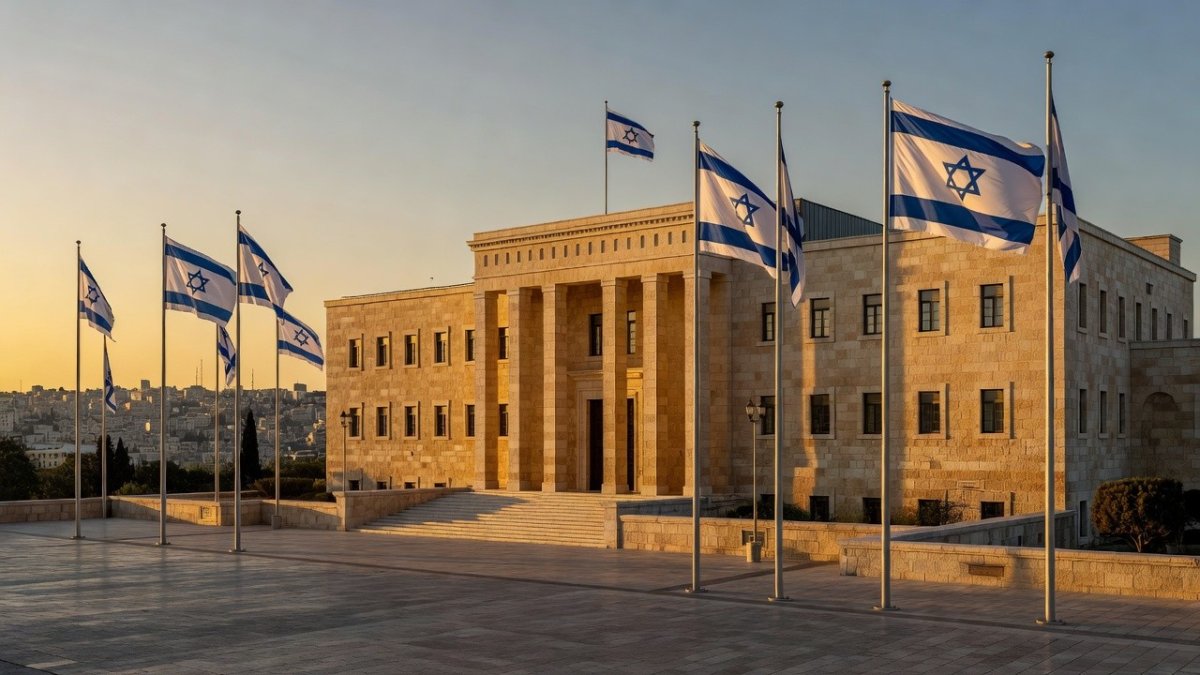
Regional Context
The dispute unfolds against persistent counterterrorism operations across the West Bank, where Central Command coordinates with the IDF's West Bank Division to target Hamas and other militant networks operating near settlements such as Beit El. Katz's intervention arrives as the IDF maintains heightened alert levels following recent incidents involving hilltop activists, with coalition voices like Otzma Yehudit lawmaker Limor Son Har-Melech accusing Bluth of prioritizing actions against pioneers over concentrated efforts against terrorism. These tensions reflect broader regional dynamics involving Palestinian Authority security coordination in parts of the West Bank and the spillover risks from Gaza operations that continue to influence IDF resource allocation in the territory.
West Bank Division units routinely conduct joint patrols with PA security forces in Area A under the Oslo framework, though coordination has fluctuated since October 2023. Central Command must balance these arrangements against the need to prevent militant groups from exploiting governance gaps in Areas B and C. Bluth's briefings often focus on disrupting smuggling routes that link West Bank cells to external financing networks.
Settlement communities such as Beit El maintain direct liaison channels with Central Command through dedicated security coordinators who relay real-time intelligence on suspicious activity. These channels have proven critical during periods of heightened tension, allowing rapid response to incidents involving both Palestinian militants and Israeli activists. Political criticism of Bluth has centered on perceived imbalances in enforcement priorities between these two threat vectors.
Resource allocation decisions at Central Command also account for the ongoing demands of Gaza operations, which draw engineering and intelligence assets away from the West Bank. This creates operational trade-offs that commanders must navigate daily, particularly when planning large-scale infrastructure dismantling missions. Katz's public remarks have added an additional layer of uncertainty to these already complex planning cycles.
Diplomatic and International Reactions
Former IDF chief of staff Gadi Eisenkot described the spectacle as an unprecedented low in relations between the political and military leadership, labeling it an improper and illegal act. Naftali Bennett of the Beyachad party stated that the government stands against its soldiers, while Yoaz Hendel called the announcement a disgraceful and irresponsible act exceeding Katz's authority, emphasizing that appointments of IDF major generals rest solely with the chief of staff. The timing, coming shortly before Likud primaries, prompted accusations that Katz leveraged the IDF for internal political campaigning, drawing criticism even from some coalition allies who called for his removal from the post.
Israeli law places senior officer appointments under the exclusive purview of the chief of staff, with the defense minister holding only advisory input through formal channels. Eisenkot's criticism draws on precedents from earlier governments where similar boundary-testing occurred but remained behind closed doors. Public breaches of this norm have historically triggered Knesset Foreign Affairs and Defense Committee hearings to reaffirm institutional guardrails.
Coalition partners from parties outside Likud have expressed concern that the episode could complicate legislative efforts on security-related bills currently before the Knesset. Bennett's remarks reflect a broader view among former defense officials that military leadership must remain insulated from electoral cycles. International observers monitoring the West Bank have noted the incident as a potential indicator of shifting civil-military dynamics ahead of any future policy shifts.
Analysis and What This Means
This episode reveals how personal and political rivalries within Israel's defense leadership can disrupt operational continuity at a time when Central Command faces daily decisions on administrative detentions and targeted operations against terror infrastructure. The IDF's swift public correction reinforces the institutional boundary that shields military appointments from direct ministerial override, preserving the chief of staff's autonomy established under Israeli law. For troops operating in the West Bank, the public airing of such disputes risks eroding morale during briefings like the one Bluth conducted, where focus must remain on dismantling networks rather than navigating Jerusalem politics.
Israeli Basic Law on the IDF establishes a clear hierarchy that subordinates the defense minister's role to that of the prime minister and the chief of staff in operational matters. This structure was designed to prevent precisely the type of unilateral public intervention seen in Katz's announcement. Commanders in the field rely on predictable lines of authority when authorizing sensitive actions such as home demolitions or extended detentions.
Morale impacts are particularly acute in units stationed near volatile flashpoints like the Jordan Valley corridor, where soldiers must maintain high readiness while political signals from Jerusalem remain mixed. Historical patterns show that visible rifts between ministers and generals have occasionally led to temporary pauses in certain administrative measures until clarity is restored. The current episode may prompt internal IDF directives reminding officers of their obligation to follow only lawful orders issued through proper channels.
Political Fallout and Institutional Strain
Katz later attempted to walk back the on-air announcement, yet the damage to civil-military relations persists as coalition partners weigh the implications for future appointments. The incident highlights vulnerabilities in the defense minister's role when public statements bypass the Prime Minister's Office and Foreign Ministry coordination channels typically used for sensitive security matters. Critics within the Knesset argue that such actions weaken Israel's deterrence posture by signaling internal divisions to adversaries monitoring IDF leadership stability from across the West Bank and beyond.
The episode leaves the IDF Central Command focused on its core mission of counterterrorism in the West Bank while political actors in Jerusalem navigate the aftermath ahead of primaries. Observers note that restoring clear lines of authority between the Defense Ministry and the General Staff will prove essential for sustaining operational effectiveness against evolving threats in the region.
Coalition dynamics within the current government have been tested by competing demands from parties focused on settlement expansion versus those prioritizing broader security coordination. Katz's move has accelerated internal debates over whether the defense portfolio should be subject to additional oversight mechanisms during periods of political campaigning. Future appointments to Central Command may now undergo more rigorous vetting to avoid similar public spectacles.
Longer-term institutional strain could manifest in reduced willingness among senior officers to accept politically sensitive postings without explicit written assurances from the chief of staff. This dynamic has appeared in past episodes of civil-military tension and tends to lengthen transition periods between commanders. Restoring trust will require deliberate steps by both the political and military echelons to reaffirm established procedures.
By Hannah Berg, Staff Writer
This article was produced with AI-assisted research and editorial support. Reporting is based on sources cited in the article.
What's Your Reaction?
 Like
0
Like
0
 Dislike
0
Dislike
0
 Love
0
Love
0
 Funny
0
Funny
0
 Wow
0
Wow
0
 Sad
0
Sad
0
 Angry
0
Angry
0

Israel Correspondent at Global1.News. Based in Tel Aviv, covering Israeli politics, security, technology, and society. Provides balanced, deeply-sourced reporting on one of the most closely-watched regions in the world.













Comments (0)