
Inside Ukraine's Underground Hospital: The Drone War's New Front
Channel 4 News has delivered a stark dispatch from the Ukrainian front line that lands with particular force in Britain, where the government’s 100-Year Partnership with Kyiv and the extension of Operation Interflex training now shape both defence budgets and household energy costs.
Channel 4 News has delivered a stark dispatch from the Ukrainian front line that lands with particular force in Britain, where the government’s 100-Year Partnership with Kyiv and the extension of Operation Interflex training now shape both defence budgets and household energy costs.
Channel 4 News Exposes Ukraine’s Underground Drone-War Hospital as Russian Losses Hit 2026 High
Kyiv, Ukraine – 3 August 2026 — A new Channel 4 News investigation filmed over 24 hours inside a secret field hospital shows Ukrainian medics treating a relentless flow of soldiers wounded by Russian FPV drones, while fresh figures confirm Russian forces suffered their bloodiest month of the year.
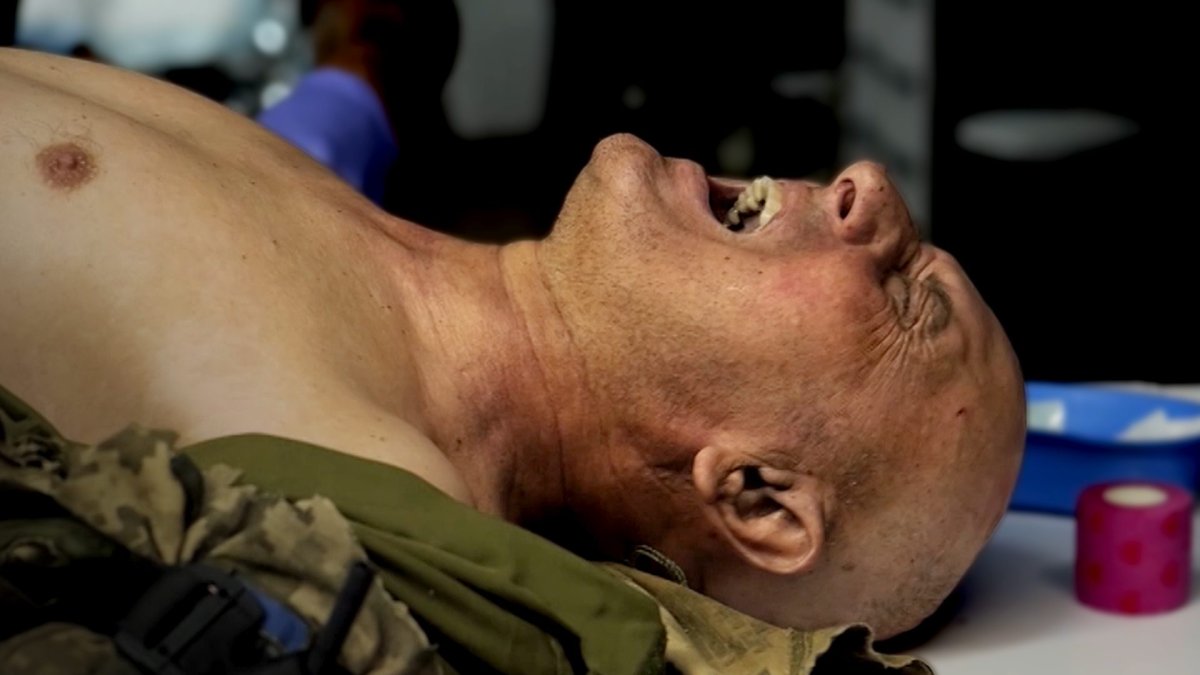
Twenty-Four Hours Inside the Secret Front-Line Hospital
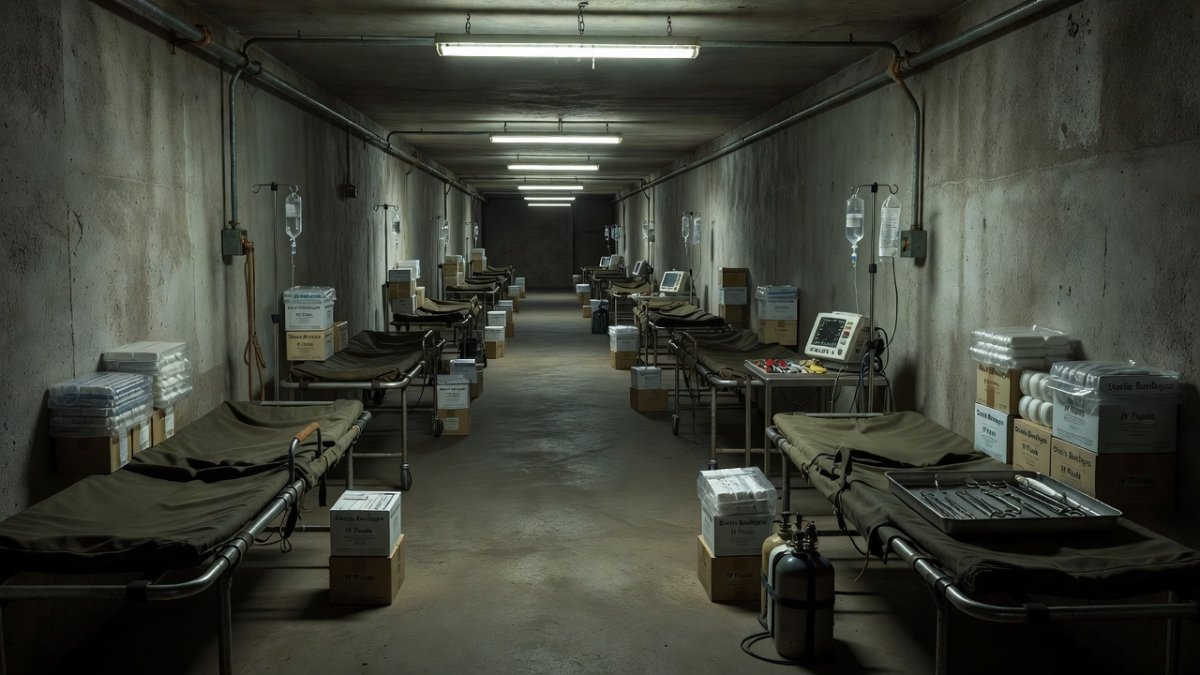
Foreign Affairs Correspondent Paraic O’Brien, with shoot and edit by Freddie Gower and local producer Dmytro Horyevoy, spent a full day and night in the underground facility. The team documented medics working under constant threat to stabilise soldiers brought in with injuries caused overwhelmingly by first-person-view drones. The report opens with an explicit warning that it contains graphic images of blood and injuries from the outset.
The footage captures the relentless pace inside the facility, where medics must contend with the immediate aftermath of drone strikes that leave little margin for error. Analysis of the dispatch shows how the confined underground setting amplifies the pressure on limited resources, forcing rapid triage decisions that echo challenges seen in other protracted conflicts. This intensity underscores the human cost borne by those delivering care close to active combat zones.
There are clear parallels with the training delivered under Operation Interflex, which now incorporates specialist medical modules to prepare Ukrainian personnel for precisely these patterns of trauma. The programme’s extension through the end of 2026 reflects recognition in London that such skills will remain essential as the conflict drags on, influencing how UK defence planners allocate resources across Scotland, Wales and Northern Ireland training sites.
Regional economic effects are already visible in the North of England, where defence contractors supporting the partnership face heightened demand for equipment that sustains these medical capabilities. The Channel 4 report therefore serves as a reminder that decisions taken in Westminster directly intersect with the daily realities of frontline survival.
Russian Losses Reach Highest Monthly Total of 2026
Ukraine’s General Staff reported on 1 August 2026 that Russia’s Armed Forces lost 42,860 personnel in July, the first time this year the monthly figure exceeded 40,000. June’s total stood at 39,290. Across the first seven months of 2026 the cumulative figure reached 238,650. The Critical Threats Project calculated that Russian forces absorbed an average of 353 casualties per square kilometre of territory seized in July, rising to 1,132 casualties per square kilometre in the most contested sectors.
These figures illustrate a grinding attrition that has forced Russian commanders to commit ever larger numbers of troops to incremental gains. The data from the Critical Threats Project highlights how contested sectors exact a disproportionate toll, suggesting that Ukrainian defensive tactics, including drone employment, are raising the price of each kilometre advanced. Such calculations feed directly into UK assessments of Russian sustainability over the coming winter months.
Within Britain the implications register in Treasury discussions over long-term defence spending commitments tied to the 100-Year Partnership. The political argument in constituencies across the North of England and the Midlands is that sustained industrial output — and the procurement that sustains it — protects both national security and regional employment.
The July totals reinforce the case for continued Operation Interflex investment, as higher Russian losses may prolong the conflict and increase the requirement for trained Ukrainian replacements. This dynamic keeps the economic ripple effects of the war visible in household energy bills across the United Kingdom.
FPV Drones Reshape the Pattern of Battlefield Wounds
Ukraine’s chief military surgeon has stated that the nature of injuries inflicted by FPV drones is reducing the percentage of wounded soldiers able to return to service. The Channel 4 report records hundreds of such cases arriving at the hospital, underscoring how both sides now deploy drone swarms that inflict precise, high-velocity trauma previously unseen at this scale.
The shift in injury profiles demands new protocols for evacuation and surgical intervention, with medics reporting that the velocity and fragmentation patterns of drone munitions complicate standard treatment pathways. Analytical reviews of the footage suggest that these changes are altering force regeneration rates on both sides, a factor that UK military planners are monitoring closely through liaison channels established under the partnership agreement.
In practical terms, the specialist medical training now embedded in Operation Interflex directly targets these evolving wound types, preparing Ukrainian instructors to disseminate updated techniques across units drawn from every region of Ukraine. British personnel involved in the programme, many based at facilities in England and Wales, are therefore contributing to a body of knowledge that may influence future NATO medical doctrine.
The economic dimension surfaces in procurement debates at the Ministry of Defence, where decisions on funding drone countermeasures and protective equipment affect supply chains stretching from the South West of England to Northern Ireland. The Channel 4 evidence therefore feeds into wider conversations about how Britain balances immediate support with long-term fiscal planning.
Ukraine’s Drones Strike 800 Kilometres into Russia
On 2 August Ukrainian drone attacks killed eight people inside Russia, striking a Wildberries warehouse in the Samara region roughly 800 km from Ukraine’s most advanced positions. The strikes followed Russian missile attacks and demonstrated Kyiv’s growing ability to reach deep into Russian territory despite the grave situation on the immediate front line.
These long-range operations illustrate Ukraine’s continued capacity to impose costs on Russian logistics and civilian infrastructure, even as frontline pressure remains intense. The choice of a major commercial warehouse as a target signals an intent to disrupt economic activity, a dimension that resonates with UK policymakers concerned about energy security and European supply chains.
Within Britain the strikes reinforce the argument in Parliament that sustained support through the 100-Year Partnership serves both humanitarian and strategic interests. There is a parallel argument in Scotland, where renewable energy interests point out that Ukrainian success in degrading Russian economic targets indirectly supports European efforts to reduce dependence on Russian hydrocarbons.
The episode also highlights the dual-use nature of drone technology now being taught in the specialist phases of Operation Interflex, where engineering and aviation modules prepare Ukrainian forces for precisely this form of deep-strike capability. Such training, delivered across multiple UK sites, underscores the partnership’s role in shaping the conflict’s technological trajectory.
What This Means for the UK
Operation Interflex, the UK-led multinational training programme, marked four years in June 2026 after preparing more than 63,000 Ukrainian personnel as infantry soldiers, leaders and instructors. The programme has been extended through at least the end of 2026 and now includes specialist medical, aviation, engineering and logistics modules. These skills directly address the complex trauma patterns documented in the Channel 4 report. The 100-Year Partnership signed by the UK and Ukraine commits both nations to sustained defence and non-military cooperation, influencing Ministry of Defence procurement decisions and long-term force posture. Potential lessons from Ukrainian battlefield care may inform trauma pathways at home, while elevated defence spending required to sustain the partnership continues to shape public finances and household budgets through energy security and industrial policy.
The partnership’s reach extends beyond Whitehall into regional economies, with defence contracts supporting jobs in the North of England and aerospace facilities in the South West. These investments are framed by ministers as essential to maintaining Britain’s credibility as a security partner while addressing domestic industrial resilience.
Across Scotland, Wales and Northern Ireland, local authorities are assessing how increased defence expenditure interacts with public service budgets, particularly in areas where energy costs remain sensitive to global market fluctuations linked to the war. The Channel 4 dispatch therefore arrives at a moment when British voters are weighing the trade-offs between international commitments and domestic priorities.
The Bottom Line — What Comes Next
The Channel 4 footage and the July casualty data together illustrate a conflict in which Ukrainian drone innovation has slowed Russian advances yet failed to halt them, while Russian drone swarms exact a mounting toll on Ukrainian forces. With Operation Interflex entering its specialist phase and the 100-Year Partnership now guiding UK planning, British support for Ukraine remains embedded in both military training and domestic preparedness for the longer war ahead.
Future developments will depend on whether the specialist training modules can offset the attrition rates visible in the hospital footage and casualty statistics. UK planners in London will continue to monitor these indicators as they calibrate the balance between immediate assistance and sustainable force posture.
Regional communities from the industrial heartlands of the North to the training grounds of Wales will feel the downstream effects through employment, energy policy and public spending choices. The dispatch from the underground hospital thus serves as both a record of present suffering and a prompt for British policymakers to consider the enduring costs of the partnership they have chosen to uphold.
By Erica Thornton, Staff Writer
This article was produced with AI-assisted research and editorial support. Reporting is based on sources cited in the article.
What's Your Reaction?
 Like
0
Like
0
 Dislike
0
Dislike
0
 Love
0
Love
0
 Funny
0
Funny
0
 Wow
0
Wow
0
 Sad
0
Sad
0
 Angry
0
Angry
0

US Politics and Policy Correspondent at Global1.News. Based in Washington DC, covering American politics, policy, elections, and the courts. Knows how the system works and tells you what it actually means.















Comments (0)