
Indigenous Protests Erupt as Milei Moves to Open Argentina's Land to Foreign Buyers
On August 2, 2026, hundreds of Indigenous activists and supporters filled the streets of Buenos Aires with banners declaring "La tierra no se vende" and "Argentina is not for sale," directly challenging a bill backed by President Javier Milei's government that seeks to dismantle long-standing limits on foreign rural land ownership. With a key Senate vote looming on August 6, the demonstration highlighted deep tensions over sovereignty, water resources, and ancestral territories across Latin A...
On August 2, 2026, hundreds of Indigenous activists and supporters filled the streets of Buenos Aires with banners declaring "La tierra no se vende" and "Argentina is not for sale," directly challenging a bill backed by President Javier Milei's government that seeks to dismantle long-standing limits on foreign rural land ownership. With a key Senate vote looming on August 6, the demonstration highlighted deep tensions over sovereignty, water resources, and ancestral territories across Latin America.
Argentina's Milei Administration Advances Land Deregulation Bill as Indigenous Protests Erupt Over Sovereignty and Ecosystem Risks
Buenos Aires, Argentina - August 3, 2026 — Indigenous communities and environmental advocates warn that proposed changes to rural land laws will accelerate foreign acquisitions in sensitive regions, threatening water supplies and traditional territories amid ongoing climate pressures.
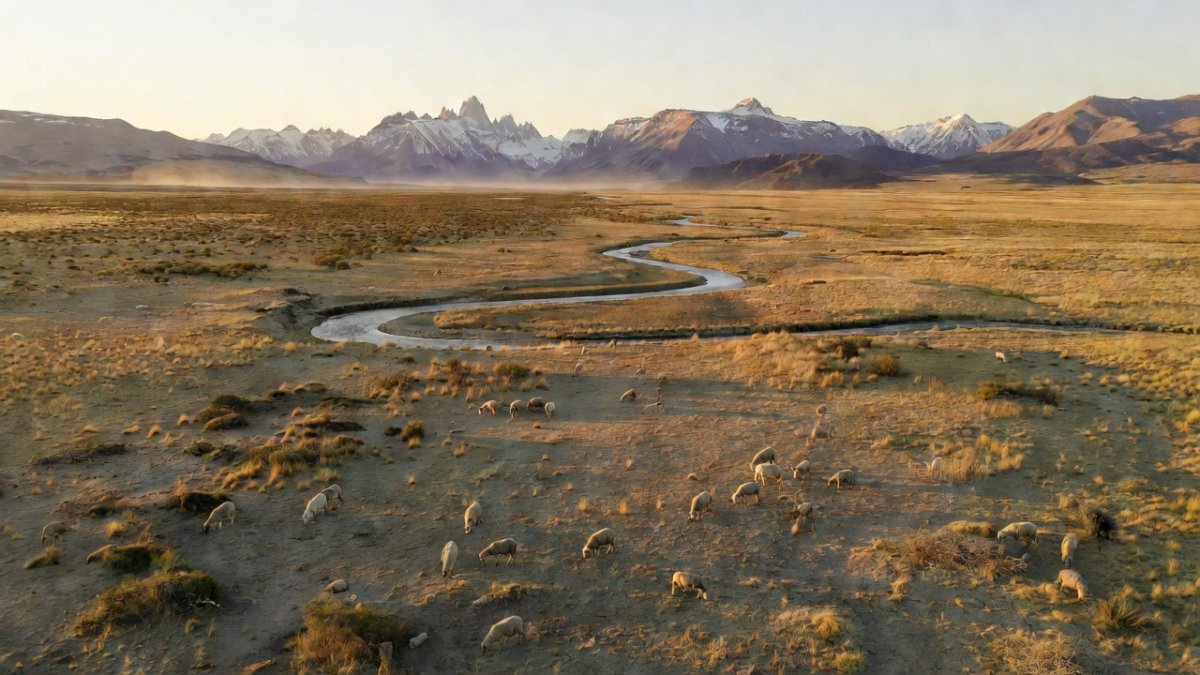
The Land Is Not for Sale: Buenos Aires Protests and the Senate Showdown
On August 2, 2026, hundreds of Indigenous activists and supporters protested in Buenos Aires against a bill supported by President Javier Milei's government that would remove limits on foreign ownership of rural land. Banners read "La tierra no se vende" ("The land is not for sale") and "Argentina is not for sale." Al Jazeera English covered the demonstration directly on August 2, 2026, posting video that captured the intensity of the gathering. A key Senate vote was scheduled for August 6, 2026, with political maneuvering around it, including President Milei's travel schedule to avoid a potential tie-breaking role by Vice President Victoria Villarruel. Opposition from Peronist/Unión por la Patria sectors, left-wing groups, some rural organizations, and nationalists framed the measure as a "ley vendepatria." Figures like Myriam Bregman and Lucía Cámpora spoke against it, issuing calls for further mobilizations around August 6. These protests underscore how the reforms intersect with broader Latin American struggles over resource control, where Indigenous voices emphasize that land sales erode collective rights and expose fragile ecosystems to unchecked extraction. The demonstrations drew attention to water security concerns, as foreign ownership often prioritizes commercial interests that deplete aquifers and alter hydrological cycles in arid zones. Activists linked the bill to historical patterns of dispossession across the continent, arguing that removing caps invites speculative capital into Patagonia and the Andean highlands. With the Senate vote days away, the mobilization signals sustained resistance from communities who view the land as integral to cultural survival and climate resilience rather than a commodity for international markets.
What the Reform Actually Changes
The law under reform, Ley de Tierras Rurales 26.737, was enacted December 2011 under President Cristina Fernandez de Kirchner after a 2008 scandal over large-scale foreign land purchases. It set a national cap of 15% of Argentina's total rural surface area that can be held by foreign individuals or private companies. The 2011 law also limited foreign owners to a maximum of 1,000 hectares in certain zones, required authorizations, prohibited or strictly controlled ownership by foreign states or state-controlled entities, and restricted purchases near borders and strategic areas, protecting water resources. Milei's sweeping December 2023 Decree of Necessity and Urgency (DNU 70/2023) deregulated dozens of sectors and repealed or weakened parts of Law 26.737, including protections that barred acquisition of recently burned land for 30-60 years to deter arson-for-land speculation. The new bill, "Inviolabilidad de la Propiedad Privada," promoted by the Milei administration with influence from figures like Domingo Cavallo and Federico Sturzenegger, eliminates the national 15% cap on rural land held by private foreign individuals and companies, removes the 1,000-hectare per-owner limit, shifts more regulatory power to the provinces, and maintains or strengthens prohibitions on foreign states, sovereign funds, and state-controlled companies that still require national and provincial authorizations. These shifts directly affect environmental safeguards, as loosened rules around burned areas could encourage land grabs in fire-prone Patagonian forests where water tables already face stress from monoculture plantations. By transferring oversight to provinces, the bill risks inconsistent protections for wetlands and river basins that sustain both Indigenous livelihoods and downstream agriculture across Latin America. Supporters claim the changes unlock investment without immediate threats, yet critics highlight how prior deregulation has already facilitated projects that intensify drought impacts and biodiversity loss in highland ecosystems.
Indigenous Territories Under Threat
Indigenous groups opposing the reforms include the Mapuche and other pueblos originarios, campesino organizations, and environmental and social organizations. They say it threatens ancestral territories, risks displacing native communities, facilitates land grabs in sensitive regions like Patagonia, and undermines sovereignty. Security Minister Patricia Bullrich has called certain self-proclaimed Mapuche groups, particularly the RAM (Resistencia Ancestral Mapuche), delinquents, usurpers, and a declared terrorist organization, blaming them for intentional fires, land occupations, and sabotage, with operations targeting leader Jones Huala. Fires in Parque Nacional Los Alerces in Chubut in early 2026 were explicitly linked to these groups by the government, though critics say Mapuche communities are often victims of fires and face raids afterward. These tensions reveal how land policy reforms intersect with climate vulnerabilities, as weakened ownership rules could accelerate displacement from territories already stressed by prolonged droughts and altered precipitation patterns. Mapuche and campesino voices across Patagonia stress that ancestral lands hold critical knowledge for sustainable water management, yet the bill's provincial shift may favor commercial interests that fragment habitats and reduce access to clean rivers. In Chubut and surrounding provinces, ongoing disputes over territory highlight the human cost of prioritizing foreign capital over community stewardship, where fires and subsequent policy responses compound risks to food security and cultural continuity. The opposition frames the legislation as an extension of extractive models that have historically marginalized Indigenous groups throughout Latin America, threatening not only sovereignty but also the ecological buffers these communities provide against intensifying climate extremes.
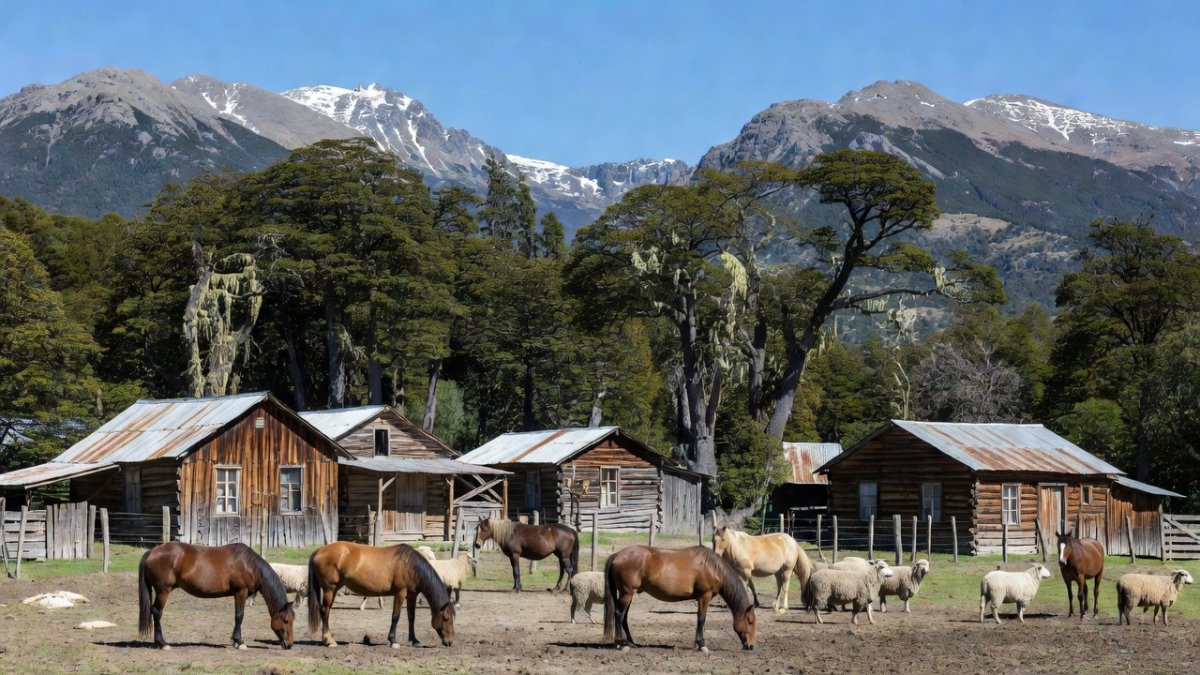
Patagonia's Fires, Water, and the Pinus Economy
In early 2026, major Patagonia wildfires burned tens of thousands of hectares in Chubut, Río Negro, and Neuquén, with some reports of fires lasting around 70 days. Causes included drought exacerbated by climate trends, human factors, and possible arson in isolated cases. Milei's austerity measures cut fire management and environmental budgets significantly, with figures cited ranging from 50-81% in some agencies, limiting prevention, response, and personnel. Post-fire effects included degraded water quality, with ash, sediments, and contaminants entering rivers and lakes, raising concerns for human consumption and ecosystems months later. Commercial forestry in Patagonia involves monocultures of fast-growing exotic species such as Pinus radiata and ponderosa pine, which use significantly more water than native Nothofagus forests or grasslands, lower water tables, and increase wildfire severity as they burn hotter, faster, and more uniformly in intense crown fires. These dynamics directly tie land ownership reforms to heightened environmental risks, as foreign buyers may expand plantation models that further strain already depleted aquifers in the region. Reduced budgets for fire response leave communities in Chubut and Neuquén more exposed, while post-fire water contamination threatens both Indigenous herding practices and broader agricultural systems across southern Argentina. The push to open rural land amplifies these pressures by potentially attracting investors who favor high-yield exotic species over native vegetation that better supports hydrological stability. In the context of Latin America's climate challenges, such changes risk locking in cycles of degradation that undermine long-term water security for millions dependent on Patagonian river systems.
The Lithium Pull: RIGI and the Salares
Argentina's RIGI (Régimen de Incentivos para Grandes Inversiones) provides long-term, often 30-year, tax stability, accelerated depreciation, and import duty exemptions for projects over around US$200 million in mining, energy, infrastructure, and forestry. It accelerated lithium and other mining projects with transnational capital. Argentina holds some of the world's largest lithium resources in the Lithium Triangle's high-altitude salt flats in Catamarca, Salta, and Jujuy. Brine extraction pumps saline groundwater into evaporation ponds, with water consumption ranging from hundreds of thousands to millions of liters per ton of lithium in arid, fragile high-Andean ecosystems. This affects local Indigenous communities engaged in small-scale herding and subsistence agriculture, as well as wetlands and species like flamingos. The land reform bill aligns with these incentives by easing foreign access to rural areas, potentially facilitating expanded operations that intensify groundwater depletion in already water-scarce zones. Indigenous groups in the salares have long documented how such extraction alters local hydrology and reduces availability for traditional uses, compounding vulnerabilities from climate-driven aridification. By removing national caps and hectare limits, the legislation could accelerate transnational projects under RIGI frameworks, shifting regulatory weight to provinces that may lack capacity to enforce environmental safeguards. Across the Lithium Triangle, these trends mirror broader Latin American patterns where foreign investment in critical minerals prioritizes export revenues over community water rights and ecosystem integrity, raising urgent questions about sustainable development in fragile highland environments.
What This Means for Latin America
Current foreign ownership of Argentine rural land is estimated at around 5-6% of the total, well below the 15% ceiling. About 13 million hectares were already in foreign hands before Milei's reforms, including holdings by the Benetton family and U.S. investors. Broader context shows that both previous governments, including Kirchnerist ones, faced accusations over deals with Chinese entities such as land in Neuquén, oil concessions, and areas linked to the Guaraní aquifer. These figures illustrate that the proposed reforms arrive against a backdrop of existing foreign presence that already influences land use patterns and water allocation in key regions. For Latin America as a whole, Argentina's shift signals potential ripple effects, as neighboring countries monitor how deregulation affects cross-border investment flows into shared ecosystems like the Andean cordillera and Patagonian steppes. Critics argue that maintaining prohibitions only on state entities while opening doors to private capital risks repeating historical patterns of resource extraction that have strained Indigenous territories and hydrological systems from the Amazon to the Southern Cone. The low current ownership levels suggest the original caps were not binding constraints, yet the bill's changes could normalize larger-scale acquisitions that prioritize short-term returns over long-term climate adaptation and community resilience across the continent.
The Bottom Line: What Comes Next
A key Senate vote was scheduled for August 6, 2026, with political maneuvering around it, including President Milei's travel schedule to avoid a potential tie-breaking role by Vice President Victoria Villarruel. Opposition from Peronist/Unión por la Patria sectors, left-wing groups, some rural organizations, and nationalists continues, with critics calling it a "ley vendepatria" and figures like Myriam Bregman and Lucía Cámpora speaking against it amid calls for further mobilizations around August 6. The government argues the reforms attract foreign investment, strengthen private property rights, and that provinces retain oversight, while supporters note the current low ownership levels of 5-6% show the cap is not a binding constraint. As the vote approaches, the outcome will shape whether Argentina deepens its integration into global land markets or preserves mechanisms that safeguard water resources and Indigenous territories amid escalating climate pressures. For communities in Patagonia and the Andean salares, the decision carries immediate implications for displacement risks and ecosystem health, echoing wider Latin American debates over sovereignty in an era of resource competition. The protests in Buenos Aires underscore that resistance remains organized, positioning the Senate showdown as a pivotal moment for balancing investment incentives against the imperative of protecting ancestral lands and hydrological stability for future generations.
By Elena Vasquez, Staff Writer
This article was produced with AI-assisted research and editorial support. Reporting is based on sources cited in the article.
What's Your Reaction?
 Like
0
Like
0
 Dislike
0
Dislike
0
 Love
0
Love
0
 Funny
0
Funny
0
 Wow
0
Wow
0
 Sad
0
Sad
0
 Angry
0
Angry
0

Latin America Correspondent at Global1.News. Based in Mexico City, covering politics, economics, energy, and culture across the region. Brings an on-the-ground perspective to stories spanning from the Rio Grande to Patagonia.












Comments (0)