
Crumbl Cookies and Dog Haus Bring American Chains to Mexican Cities
Crumbl Brings Weekly Cookie Flavors to Roma Norte The announcement came on June 29, 2026, when Crumbl revealed plans for its first Mexico store through a BusinessWire release. The location sits in Mexico City's Roma Norte, a colonia known for its cafes, galleries, and lively food scene. Late summer 2026 marked the opening, drawing immediate attention from residents and visitors a
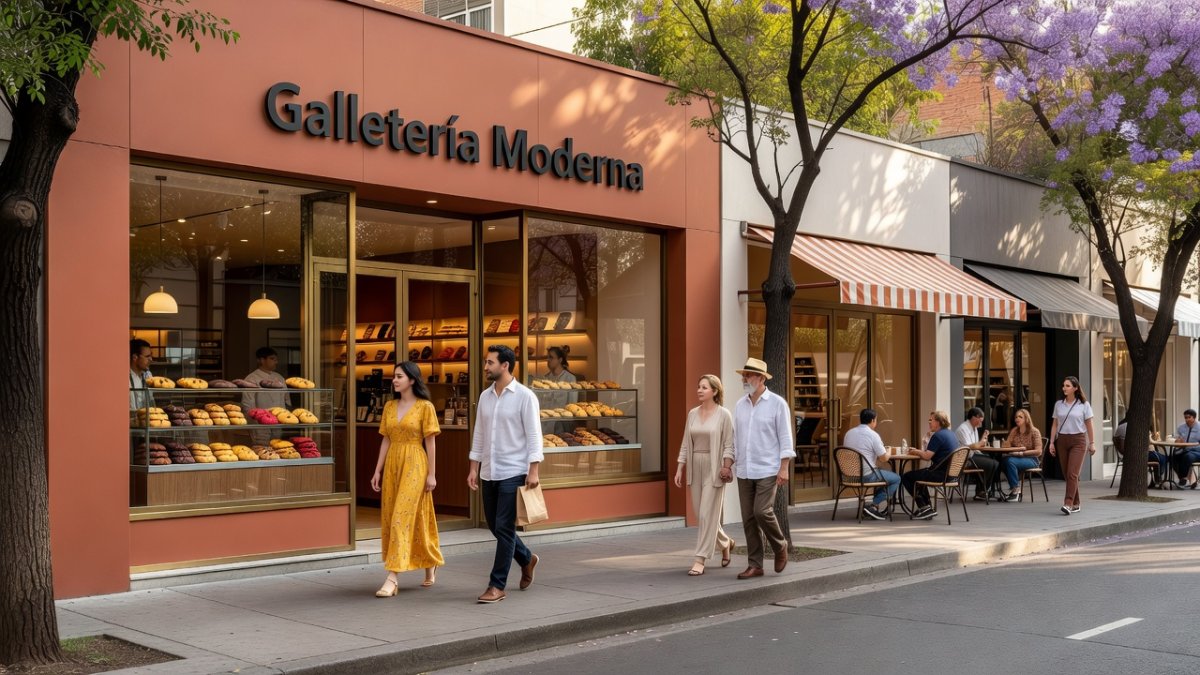
Crumbl Brings Weekly Cookie Flavors to Roma Norte
The announcement came on June 29, 2026, when Crumbl revealed plans for its first Mexico store through a BusinessWire release. The location sits in Mexico City's Roma Norte, a colonia known for its cafes, galleries, and lively food scene. Late summer 2026 marked the opening, drawing immediate attention from residents and visitors alike.
Crumbl operates as an American chain headquartered in Lindon, Utah, with a focus on cookies and desserts. Its model features six classic cookies alongside four rotating flavors each week. This approach has helped the brand build a following across the United States before venturing into new markets like Mexico.
Roma Norte's mix of historic buildings and modern eateries provides a fitting backdrop for the bakery. Families in the surrounding neighborhoods often gather in the area's plazas, and the arrival of a new dessert spot adds another option for weekend treats and celebrations.
Small business owners nearby have noted how such arrivals can draw foot traffic that benefits the entire block. Conversations in the colonia touch on how the chain might complement existing panaderías rather than replace them, especially for those seeking consistent weekly variety.
Mexico's consumer market draws interest from US chains because urban districts like Roma Norte already serve as hubs where residents balance daily routines with occasional treats. The area's established mix of cafes and galleries creates a setting where new dessert options can feel like natural additions to weekend gatherings.
Local food traditions centered on panaderías and mercados continue to shape how families approach these arrivals, with many viewing them as opportunities to explore variety while still supporting the neighborhood spots that anchor everyday life.
Opening Day Lines Highlight Community Interest
Mexico News Daily reported on July 31, 2026, that the Roma Norte debut created lines stretching to 800 people. Social media amplified the excitement, turning the opening into a local event that mixed curiosity with celebration.
Students and young professionals in the area often discuss new spots as places to meet after classes or work. The viral aspect of the launch encouraged many to join the wait, turning an ordinary afternoon into a shared neighborhood moment.
Workers from nearby offices found the event offered a break in routine, with some returning later once crowds eased. This pattern reflects how urban middle-class spending supports new dining experiences in growing city districts.
Residents weighing the change point to the peso’s relative strength as a factor attracting such brands. They see potential for jobs in the store while wondering how it fits alongside traditional Mexican bakeries that have served families for generations.
The strength of the peso has encouraged more US franchises to explore Mexican cities, where middle-class households increasingly seek convenient options that fit into busy schedules without replacing the comfort of familiar local routines.
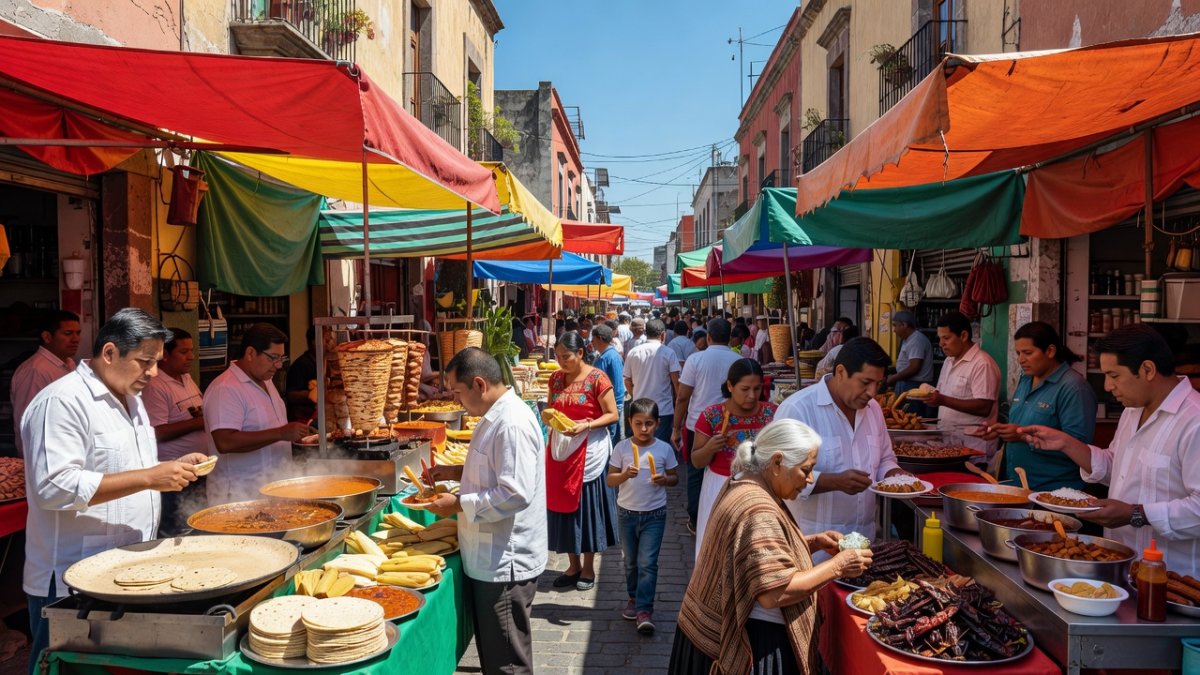
Dog Haus Plans Gourmet Hot Dogs in Mérida
California-based Dog Haus is set to open its first Mexico location in Mérida, Yucatán. This site represents the initial step in a plan for three Mexican outlets during 2026, with later spots scheduled for Mexico City and Tijuana.
The chain specializes in gourmet hot dogs and has built its reputation in the United States through creative toppings and quality ingredients. Mérida’s growing appeal to expats and remote workers creates a natural audience for this style of casual dining.
Local families in Mérida balance strong Yucatecan food traditions with interest in international options. Discussions among residents often center on how new arrivals might introduce flavors while respecting the region’s rich culinary heritage centered on markets and taquerías.
Community perspectives in the city highlight opportunities for tourism growth. Visitors drawn to the area’s history and cuisine could extend their stays when additional dining choices appear, supporting nearby vendors and service workers.
Mérida’s status as a pueblo mágico continues to attract tourists and expats who appreciate both its historic charm and its welcoming atmosphere, creating space for new casual dining spots that can complement the city’s existing food scene.
US Brands Expand Across Mexican Urban Centers
These developments form part of a wider wave of U.S. food brands entering Mexico, as noted in Mexico News Daily coverage. The peso’s strength and expanding urban middle-class spending have encouraged chains to test Mexican cities as new frontiers.
Broader Latin American trends show American fast-casual concepts exploring markets beyond their home base. In Mexico, this means neighborhoods like Roma Norte and cities like Mérida become testing grounds for concepts that blend novelty with everyday appeal.
Small business owners across these areas consider how competition might unfold. Some view the entries as chances to adapt their own offerings, while others focus on the steady demand for authentic local products that have long defined community life.
Students and families discuss the balance between global flavors and homegrown favorites. They recognize that such expansions can create entry-level positions, yet they also value preserving the character of mercados and family-run spots that anchor daily routines.
US franchise expansion trends in Latin America often follow patterns where brands test one or two cities first, allowing them to learn how local preferences shape daily choices in places where remittances and tourism also support steady consumer activity.
Effects on Jobs and Neighborhood Life
Job creation stands out as a key topic in conversations around these openings. New stores typically require staff for baking, service, and management, offering roles that fit into the schedules of young adults and part-time workers in the colonias.
In Roma Norte, the presence of an international bakery can increase foot traffic that helps nearby bookstores and galleries. Residents note this ripple effect as a positive for the local economy without overshadowing the established food culture.
Mérida’s expat community adds another layer, with remote workers seeking familiar comforts alongside traditional Yucatecan dishes. The planned Dog Haus site fits into this mix, prompting talks about how diverse options enrich rather than displace local dining habits.
Overall perspectives from families emphasize thoughtful integration. They appreciate variety while hoping the new chains source ingredients locally where possible, strengthening ties between international concepts and Mexican suppliers.
Neighborhood life in both Roma Norte and Mérida often revolves around shared spaces where new arrivals can add to the rhythm of daily errands, especially when they sit near tianguis and mercados that continue to draw families seeking fresh, familiar options.
Future Outlook for Food Scenes in Mexico
With Crumbl now operating in Roma Norte and Dog Haus preparing its Mérida launch, attention turns to the remaining two Dog Haus sites planned for 2026. These steps signal continued interest from U.S. franchises in Mexican markets.
Urban centers continue to evolve as places where global and local tastes meet. Community discussions focus on maintaining the warmth of neighborhood eateries even as new names appear on the streets.
The expansions reflect economic shifts that reward adaptability. Workers and small business owners alike consider how to respond, whether through collaboration or by highlighting unique regional specialties that no chain can replicate.
Looking ahead, these arrivals offer a chance to observe how Mexican cities absorb outside influences while staying rooted in their cultural strengths. Families across Roma Norte and Mérida will shape the outcome through their daily choices and conversations.
Community conversations across these cities often return to the idea that food scenes grow strongest when new options sit alongside the longstanding traditions that give neighborhoods their distinct character and sense of belonging.
Tags: Crumbl Mexico, Dog Haus Mérida, US food brands Mexico, Roma Norte, Mérida food scene, American franchises, Mexico City expansions
By Rosa Martinez, Staff Writer
This article was produced with AI-assisted research and editorial support. Reporting is based on sources cited in the article.
What's Your Reaction?
 Like
0
Like
0
 Dislike
0
Dislike
0
 Love
0
Love
0
 Funny
0
Funny
0
 Wow
0
Wow
0
 Sad
0
Sad
0
 Angry
0
Angry
0

Latin America/Andes Correspondent at Global1.News. Based in Bogota, covering politics, environment, energy, and social movements across the Andean region. Passionate about environmental journalism and communities protecting their land.














Comments (0)