
Mexico's Security Cabinet deals another blow to CJNG: 20 arrests, weapons, and a menagerie of seized assets
The Mexican government’s offensive against the Jalisco New Generation Cartel (CJNG) intensified this week with the announcement of a major multi-state operation that netted 20 alleged members of the criminal organization.
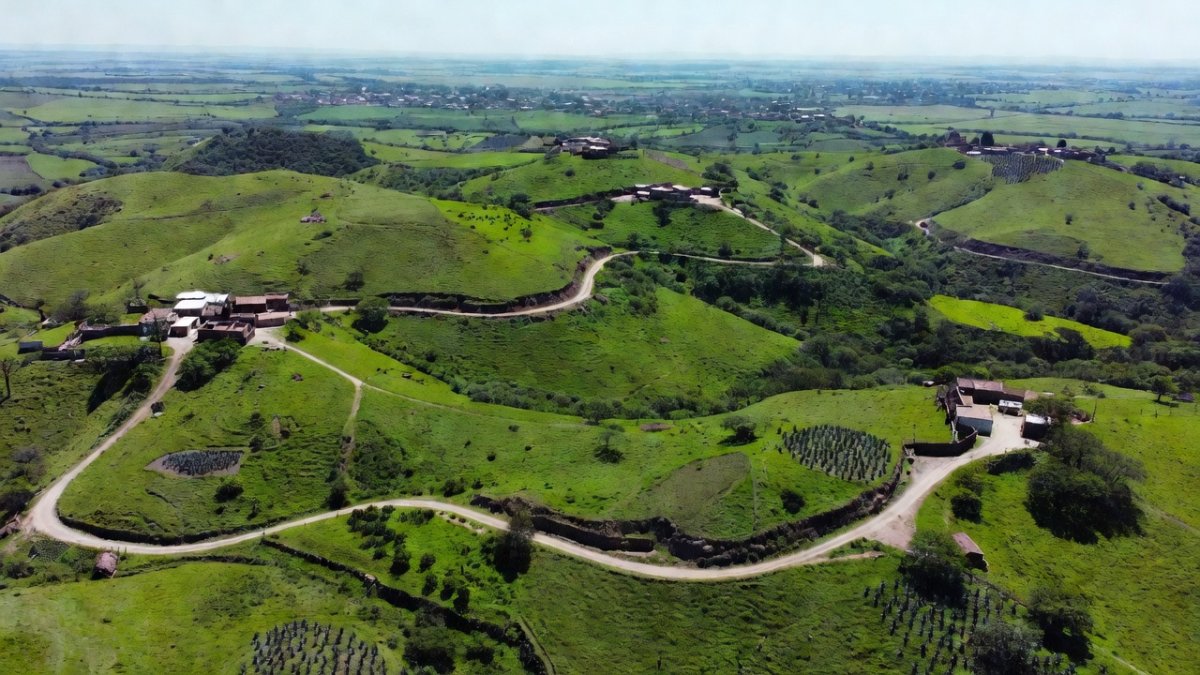
Mexico's Security Cabinet deals another blow to CJNG: 20 arrests, weapons, and a menagerie of seized assets
The Mexican government’s offensive against the Jalisco New Generation Cartel (CJNG) intensified this week with the announcement of a major multi-state operation that netted 20 alleged members of the criminal organization. Omar García Harfuch, head of the Secretariat of Security and Citizen Protection (SSPC), delivered the news during the morning press conference on Monday, August 24, 2026, detailing a coordinated effort that spanned three states and involved the full weight of the federal Security Cabinet. The arrests, which took place between August 21 and 23, 2026, were the result of simultaneous raids on 36 properties located in the states of Hidalgo, Jalisco, and Michoacán. This operation marks the second significant blow to the CJNG in less than a week, following a precision strike by the Mexican Army on August 19 that resulted in 12 more detentions. In total, federal forces have apprehended 32 alleged members of the cartel in a matter of days, signaling a sustained and aggressive push against one of the most powerful criminal entities in the Western Hemisphere. For residents of the affected regions, particularly the border zone between Jalisco and Michoacán, these operations represent more than just headlines. They are a tangible sign of the state’s presence in areas where, for years, the rhythm of daily life has been dictated by the shadow of organized crime. From the campesinos working the fields to the families in small ranchos like Tinaja de Vargas, the fear of extortion and violence has been a constant companion. This week’s arrests offer a glimmer of hope, though community leaders and analysts caution that the road to lasting peace remains long.A coordinated strike across three states
The operation was a textbook example of inter-agency cooperation, involving the SSPC, the Secretariat of National Defense (SEDENA), the Secretariat of the Navy (SEMAR), the Attorney General’s Office (FGR), and the National Guard. This joint task force executed search warrants at 36 locations simultaneously, a tactic designed to prevent suspects from fleeing or alerting one another. The geographic spread—from the central highlands of Hidalgo to the western states of Jalisco and Michoacán—demonstrates the extensive logistical network the CJNG relies upon. According to the details provided by García Harfuch, the haul from the raids was substantial. Security forces seized 10 firearms, including seven short-barrel weapons and three long-barrel rifles, along with magazines and cartridges of various calibers. More concerning for public health officials was the discovery of doses of substances with characteristics similar to fentanyl, methamphetamine, and marijuana. The synthetic drug trade, particularly fentanyl, has become a major focus of bilateral cooperation between Mexico and the United States, given its devastating impact on communities north of the border. The material seizures went beyond weapons and narcotics. Authorities also recovered 113 vehicles, a significant asset for a cartel that relies on mobility and logistics to move product and personnel. Cash, jewelry, communications equipment, a drone, and a drone jammer were also confiscated. The drone jammer is particularly notable, as it suggests the CJNG is adapting to surveillance tactics used by Mexican security forces, attempting to blind the eyes in the sky that have become crucial in modern counter-narcotics operations.
Exotic animals and the cartel’s ostentatious wealth
In a detail that underscores the flamboyant lifestyle often associated with high-level drug traffickers, the raids also uncovered a collection of wild and farm animals, including tigers and panthers, along with other animals and birds. These creatures were being kept in inadequate conditions of care, a situation that has now been brought to the attention of the relevant authorities. The presence of such exotic pets is a hallmark of the narco-culture that has permeated parts of Mexico, where displaying wealth and power often includes keeping dangerous animals as status symbols. The seizure of these animals raises questions about their welfare and future. Federal authorities will need to coordinate with environmental agencies to determine the best course of action, whether that involves relocation to a sanctuary or rehabilitation. For the communities in the areas where these properties are located, the sight of big cats being loaded into government vehicles is a surreal reminder of the strange world that operates alongside their everyday lives—a world of luxury vehicles, high-caliber weapons, and wild animals, all funded by the suffering caused by drug addiction. Beyond the animals, the sheer volume of vehicles and cash seized points to the financial muscle of the CJNG. The cartel, originally based in Jalisco, has expanded its reach across the country and into international markets. The DEA has long considered the CJNG one of the most powerful and violent drug trafficking organizations in the world, with a capacity for multi-tonnage trafficking of cocaine and methamphetamine into the United States. Striking at these financial and logistical assets is a core component of the current administration’s strategy.Connecting the dots: The August 19 operation in Michoacán
The August 24 announcement did not occur in a vacuum. It followed a precision operation on August 19, 2026, led by the Mexican Army (SEDENA), which resulted in the detention of 12 individuals in Michoacán. Those arrests took place at two properties in Tinaja de Vargas, in the municipality of Tanhuato, and Colesio, in the municipality of Ecuandureo. That earlier operation yielded an impressive cache of weaponry, including machine guns, nine long firearms, improvised explosive devices, motorcycles, drugs, a drone, and tactical equipment. A staggering 64 vehicles were also seized, one of which was armored. Among those detained on August 19 were two women identified by authorities as Marisol “N” and Lourdes “N.” They are believed to be the daughter and romantic partner, respectively, of Heraclio “N,” a regional CJNG boss in Michoacán and Jalisco known by the alias “Tío Lako.” The capture of family members is a significant psychological blow to the organization’s leadership and can often provide investigators with valuable intelligence about the boss’s movements and operations. It also sends a clear message that the state is willing to dismantle the entire support network of a criminal leader, not just the armed wing. The geographic focus on the border zone between Jalisco and Michoacán is strategic. This area has long been a contested territory, a corridor for drug trafficking and a battleground for influence between the CJNG and other criminal groups. For the small farming communities in this region, the constant presence of armed groups has led to displacement and fear. The recent operations, while significant, are part of a longer-term effort to reclaim this territory for the rule of law, a process that will require not just police action but also social investment and economic opportunities for the local population.García Harfuch’s strategy: Weakening capabilities, not just making arrests
In his Monday morning address, García Harfuch was careful to frame the operations within a broader strategic vision. He stressed that the purpose of the federal Security Cabinet’s actions is not merely to apprehend generators of violence, but to sustainably weaken the operational, logistical, and financial capabilities of criminal organizations. This language reflects a shift in doctrine that has been developing over recent years, moving away from a purely arrest-centric model toward one that seeks to dismantle the entire ecosystem that allows cartels to thrive. This approach involves targeting the supply chain: the precursor chemicals for synthetic drugs, the vehicles used for transport, the communication networks, and the financial flows that keep the organization running. By seizing 113 vehicles and a drone jammer, the state is directly impeding the CJNG’s ability to move goods and counter surveillance. By arresting family members and financial operators, it is disrupting the trust networks that are essential for a clandestine organization to function. The goal is to make it increasingly difficult and costly for the cartel to operate, forcing it into a defensive posture. For the Sheinbaum administration, which has continued the security strategy initiated under former President Andrés Manuel López Obrador, these results are a talking point. The policy of “abrazos, no balazos” (hugs, not bullets) has evolved into a more nuanced approach that combines social programs with targeted law enforcement. The emphasis on addressing the root causes of violence, such as poverty and lack of opportunity, remains, but there is a clear recognition that the state must also demonstrate its capacity to enforce the law and protect its citizens. These high-profile busts serve to bolster public confidence in the government’s ability to confront organized crime.What this means for communities and the road ahead
For the 20 detainees, their journey now leads to Mexico City. After their arrests, they were transferred in a Mexican Navy aircraft to the capital and placed at the disposal of the FGR. The Attorney General’s Office will continue investigations and expert examinations to build a solid case against them. It is crucial to remember, as the SSPC itself noted, that these detentions do not equal a sentence of guilt. The presumption of innocence remains a cornerstone of the Mexican justice system, and the accused will have their day in court. The impact of these arrests on the ground, however, is immediate. In the colonias and ejidos of Michoacán and Jalisco, the news of a major bust brings a mix of relief and anxiety. Relief that a source of violence has been temporarily silenced, and anxiety about who might step into the power vacuum. The CJNG is a resilient organization, and history has shown that the capture of mid-level leaders often leads to internal power struggles that can, in the short term, increase violence. The government’s challenge is to maintain pressure and ensure that the security gains are consolidated. Looking ahead, the focus must be on the long game. The seizure of fentanyl and methamphetamine is a victory in the public health battle, but the demand for these substances, both in Mexico and the United States, remains a powerful driver of the illegal market. The recovery of exotic animals and the dismantling of lavish criminal assets are symbolic wins, but they must be accompanied by efforts to strengthen local institutions, provide economic alternatives for young people, and build trust between communities and the authorities. The fight against the CJNG is far from over, but this week’s operations demonstrate a level of coordination and resolve that offers a measure of hope for a more secure future.Tags: CJNG, Omar García Harfuch, SSPC, SEDENA, SEMAR, FGR, Guardia Nacional, Michoacán, Jalisco, Hidalgo, fentanyl, methamphetamine, security cabinet, organized crime, Mexico arrests, Tío Lako, drug trafficking
This article was produced with AI-assisted research and editorial support. Sources: Mexico News Daily, SinEmbargo via Mexico Solidarity, Diario Puntual.
By Rosa Martinez, Staff Writer
What's Your Reaction?
 Like
0
Like
0
 Dislike
0
Dislike
0
 Love
0
Love
0
 Funny
0
Funny
0
 Wow
0
Wow
0
 Sad
0
Sad
0
 Angry
0
Angry
0
Rosa Martinez
Latin America/Andes Correspondent at Global1.News. Based in Bogota, covering politics, environment, energy, and social movements across the Andean region. Passionate about environmental journalism and communities protecting their land.












Comments (0)