
B.C. Conservatives win majority as US ambassador eases interference claims
In the latest Sunday Scrum broadcast, CBC Morning Live host David Common convened a panel of seasoned political observers to unpack two stories that could shape Canada’s political landscape in the coming months.
In the latest Sunday Scrum broadcast, CBC Morning Live host David Common convened a panel of seasoned political observers to unpack two stories that could shape Canada’s political landscape in the coming months. National Post parliamentary reporter Catherine Lévesque, Toronto Star journalist Ryan Tumilty and Globe and Mail columnist Gary Mason examined the surprise victory of the British Columbia Conservative Party, which secured a majority government, and the diplomatic shift after U.S. Ambassador Pete Hoekstra walked back earlier accusations that Canada had interfered in the American election. The discussion highlighted how provincial outcomes and cross‑border relations intersect with broader national concerns, from party dynamics on Parliament Hill to the perception of Canada’s role on the world stage.
Election night surprise: Conservatives clinch B.C. majority
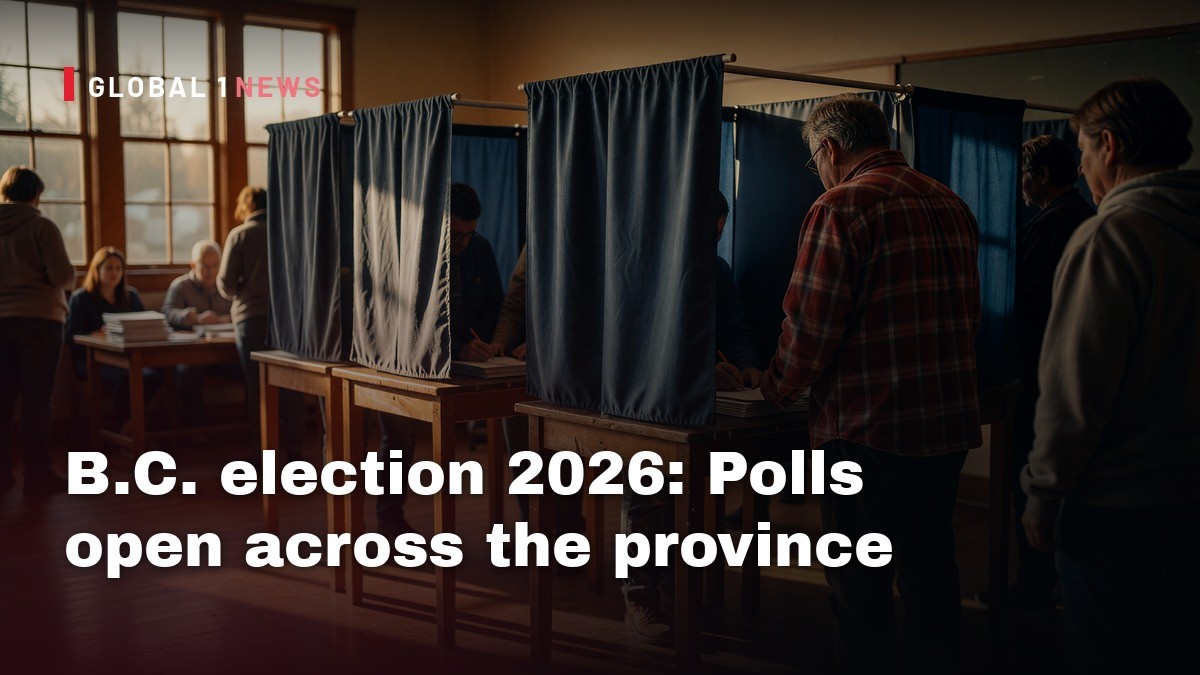
The panel began by confirming the headline that the B.C. Conservatives have emerged with a clear majority in the province’s latest election. While the exact seat count was not disclosed in the video, the consensus among the commentators was that the result marks a decisive swing away from the long‑standing Liberal‑NDP coalition that has governed much of the province in recent decades. Catherine Lévesque noted that the win reflects a growing appetite among B.C. voters for a centre‑right agenda that promises fiscal restraint and a more business‑friendly environment.
Ryan Tumilty added that the Conservative surge appears to be rooted in concerns over housing affordability and cost of living, issues that have dominated provincial politics for years. He suggested that the party’s messaging on reducing regulatory burdens and encouraging private‑sector development resonated with voters who feel squeezed by rising rents and property prices. The panelists agreed that the result could serve as a bellwether for other provinces where similar pressures are mounting.
Gary Mason, drawing on his experience covering federal politics, warned that a strong provincial Conservative government could influence the national conversation, particularly as the party now holds a clear mandate to implement its platform. He pointed out that the timing of the victory, coming just months before the next federal election, may embolden the federal Conservative caucus to push harder for policies that align with the B.C. government’s priorities, potentially reshaping the legislative agenda on Parliament Hill.
Implications for federal‑provincial relations
The panel turned to the practical consequences of a Conservative majority in B.C. for intergovernmental dynamics. Lévesque highlighted that the province’s new leadership is likely to seek greater autonomy over resource development, an area that has historically been a flashpoint between provincial and federal authorities. She noted that the Conservatives have historically championed expanded access to natural gas and oil projects, which could bring them into conflict with the federal government’s climate commitments.
Tumilty observed that the B.C. Conservatives may also press for reforms to the equalisation system, arguing that the province contributes more to the federal treasury than it receives in return. He suggested that this stance could spark a broader debate about fiscal federalism, especially as other provinces watch B.C.’s approach to balancing fiscal responsibility with social programmes.
Mason added that the new provincial government’s stance on Indigenous relations could also affect federal‑provincial collaboration. While the video did not detail the Conservatives’ specific policies, he inferred from the party’s traditional platform that there may be a push for more streamlined consultation processes with First Nations, potentially reshaping ongoing negotiations over land rights and resource projects. The panelists agreed that any shift in this area would need careful handling to maintain the progress made under recent reconciliation agreements.
U.S. ambassador Pete Hoekstra’s softened stance
Switching focus, the discussion addressed the diplomatic development involving U.S. Ambassador Pete Hoekstra. Earlier in the week, Hoekstra had suggested that Canada might have interfered in the United States’ electoral process, a claim that sparked a swift response from Canadian officials. However, in the Sunday Scrum segment, the ambassadors’ remarks were reported as having been walked back, with Hoekstra softening his earlier allegations.
Lévesque explained that the ambassador’s retraction came after a series of diplomatic engagements, including private briefings with senior officials from Global Affairs Canada. She noted that the shift signals a desire on the part of Washington to preserve the broader Canada‑U.S. partnership, especially as both countries navigate shared challenges such as energy trade, border security and climate policy.
Tumilty pointed out that the episode underscores the sensitivity of cross‑border relations, where accusations of interference can quickly inflame public sentiment. He observed that the ambassador’s initial comments had drawn criticism from opposition parties in Ottawa, who used the claim to call for a more robust defence of Canada’s sovereignty. The subsequent softening may therefore be seen as an attempt to defuse domestic political fallout while maintaining a constructive dialogue with the United States.
Domestic political reverberations of the interference claim
The panel examined how the brief flare‑up over alleged election interference could influence Canadian politics ahead of the next federal election. Mason argued that the incident gave opposition parties, particularly the Conservatives, a brief platform to question the Liberal government’s handling of foreign policy. He suggested that while the claim was quickly moderated, the episode may linger in the public consciousness, feeding narratives about external threats to Canadian democracy.
Lévesque added that the Liberal government’s response, which emphasized transparency and the integrity of Canada’s electoral system, was aimed at reinforcing public trust. She noted that the government’s swift diplomatic outreach to the United States helped contain the issue, but also highlighted the importance of maintaining vigilance against foreign influence, a concern that has grown in prominence since the 2022 cyber‑security inquiries.
Tumilty reflected that the incident may also affect Canada’s approach to intelligence sharing with its allies. He indicated that the episode could prompt a review of existing protocols to ensure that any perceived interference is addressed promptly and that Canada’s own agencies are equipped to detect and counter foreign meddling. The panel agreed that such measures would need to balance security imperatives with civil liberties, a recurring theme in Canadian public policy debates.
Policy priorities for the new B.C. government
Turning back to the provincial scene, the panel speculated on the policy agenda the B.C. Conservatives are likely to pursue now that they hold a majority. Lévesque suggested that the government will focus on tax reforms aimed at reducing the burden on small businesses and encouraging investment. She also mentioned that the party may seek to streamline permitting processes for infrastructure projects, a move that could accelerate development but also raise environmental concerns.
Tumilty highlighted housing as a central issue. He noted that while the Conservatives have pledged to increase supply, the specifics of how they intend to achieve this were not detailed in the broadcast. He warned that any policy that reduces regulatory oversight could face pushback from advocacy groups concerned about affordability and community impacts.
Mason raised the prospect of a more aggressive stance on resource extraction, particularly in the province’s northern regions. He explained that the Conservatives may look to capitalise on natural gas and lithium projects to boost the provincial economy, aligning with federal discussions on energy security. However, he cautioned that such initiatives would need to navigate the complex web of Indigenous rights, environmental assessments and market demand.
Looking ahead: national implications and public expectations
In concluding the Sunday Scrum, the commentators reflected on how the twin stories of a B.C. Conservative majority and a softened U.S. interference claim intersect with broader Canadian expectations. Lévesque underscored that Canadians are watching closely to see whether the new provincial government can deliver on its promises without compromising the province’s progressive social policies that have defined B.C. politics for years.
Tumilty stressed that the diplomatic episode with Ambassador Hoekstra serves as a reminder of the delicate balance Canada must maintain in its relationship with the United States. He noted that while the immediate tension has eased, the underlying issues of trust and mutual respect remain central to bilateral cooperation, especially as both nations confront shared challenges in energy transition and northern development.
Mason summed up the broader narrative: a province shifting rightward, a neighbour tempering accusations, and a federal landscape poised for potential realignment. He warned that the coming months will test the resilience of Canada’s political institutions and the ability of leaders at all levels to translate electoral mandates into policies that reflect Canadians’ values of fairness, inclusion and responsible stewardship of natural resources. As the story continues to unfold, Canadians can expect ongoing analysis from Global1.News as we track how these developments shape the country’s future.
By Alex Thompson, Staff Writer
This article was produced with AI-assisted research and editorial support. Reporting is based on the source material cited below. Sources: CBC News video report (25 October 2026); CBC News; Global1.News
What's Your Reaction?
 Like
0
 Dislike
0
 Love
0
 Funny
0
 Wow
0
 Sad
0
 Angry
0
Canada Correspondent at Global1.News. Based in Toronto, covering Canadian politics, energy, trade, and US-Canada relations. Provides the Canadian perspective on North American and global affairs.











Comments (0)