
Azerbaijan-Iran Media War Escalates as Tehran Blacklists AzTV
Iran blacklists AzTV; Azerbaijan bans Sahar TV and Mehr News under reciprocity. Escalations reflect 2026 war tensions, Israel-Azerbaijan alliance, Mossad reports, Nakhchivan strikes, and BTC pipeline threats.
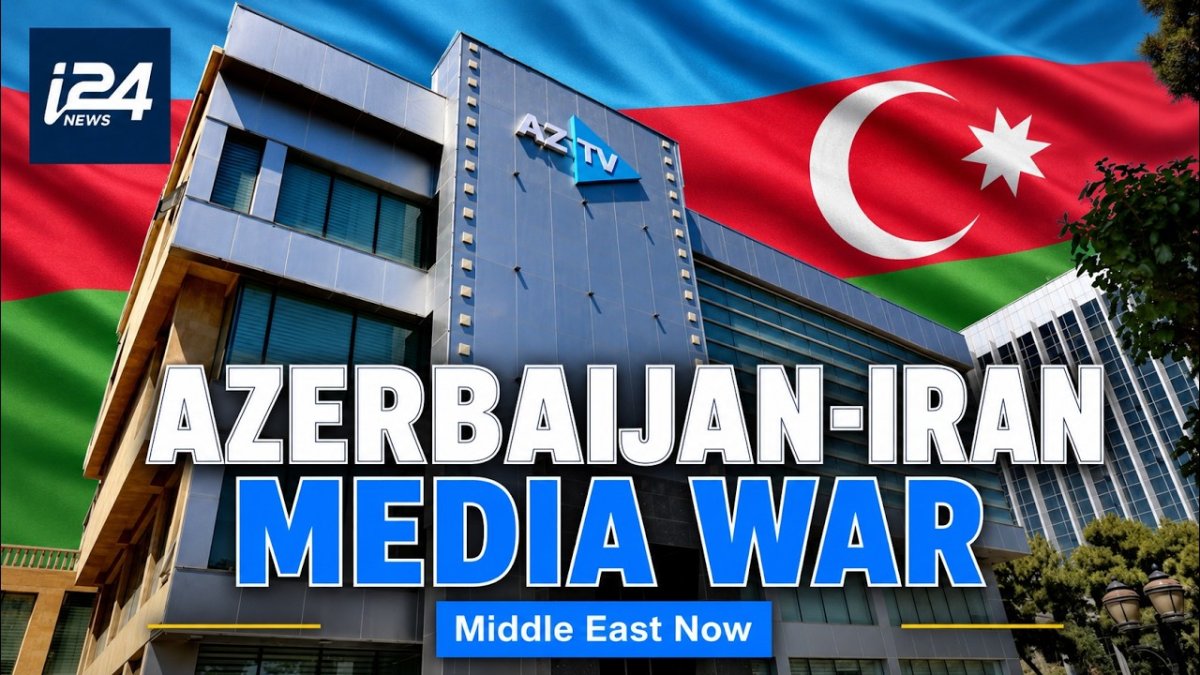
In a recent i24NEWS English report, the channel detailed how Azerbaijan's Media Development Agency hit back at Tehran after Iran's Intelligence Ministry placed Azerbaijan's state broadcaster AzTV on a list of “hostile media organizations.” The exchange — a 13 July blacklist answered by a reciprocal ban on two Iranian outlets in Baku — is the latest sign of how the information war is tightening alongside the military confrontation between Iran and Israel and its allies.
Azerbaijan-Iran Media War Escalates as Tehran Blacklists AzTV
Jerusalem, Israel — Azerbaijan has declared the activities of Iran's Sahar TV and Mehr News Agency illegal on its territory, retaliating under the principle of reciprocity after Tehran branded Azerbaijan's state television channel AzTV an “enemy media” organization. The move, announced by Baku's Media Development Agency in a statement this week, marks one of the sharpest public ruptures between the two neighbors in years — and it lands against the backdrop of a regional war in which Iran, Israel and the United States are already locked in direct confrontation.
Baku's Reciprocal Ban
On 27 July, Azerbaijan's Media Development Agency invoked Article 11.4 of the Law of the Republic of Azerbaijan “On Media” to declare the activities of Sahar TV and Mehr News Agency — as well as their representatives — unlawful within the country. Sahar TV is a channel of the Islamic Republic of Iran Broadcasting network that transmits in Azerbaijani and other regional languages, while Mehr News Agency operates as a state outlet close to the Iranian establishment. The regulator accused both of acting contrary to Azerbaijan's national interests and of conducting propaganda against the country's sovereignty, constitutional order, territorial integrity and national security.
MEDIA said it was “surprised” by Tehran's designation and stressed that Baku remains committed to protecting the professional activities of journalists. “Undoubtedly, while the Republic of Azerbaijan remains committed to protecting the professional activities of journalists, it also ensures the application of the principle of reciprocity,” the agency said. It called on all media organizations and journalists operating in Azerbaijan to refrain from any cooperation with the two Iranian outlets or their representatives, adding that international media cooperation “must be conducted solely on the basis of mutual respect and the professional independence of journalists.”
The legal mechanism is straightforward: Article 11.4 allows Azerbaijan to impose equivalent restrictions on journalists from any state that imposes special restrictions on Azerbaijani journalists registered in the national Media Register. Tehran's move triggered the clause automatically — a tit-for-tat that Baku framed as a defensive, rules-based response rather than an escalation it initiated.
Tehran's 'Hostile Media' Blacklist
Iran's designation of AzTV dates to a 13 July memo published by the Ministry of Intelligence, which listed the Azerbaijani state broadcaster among more than 40 media outlets, media personalities and social media pages viewed as hostile. According to IranWire, an exiled Iranian outlet that itself appears on the document, the vast majority of those named are associated with diaspora Iranians, Israel and the West.
The list includes Reza Pahlavi, the son of Iran's last monarch, Mohammad Reza Pahlavi, and a prominent critic of the Islamic Republic; Voice of America; and the BBC's Persian service. Tehran warned that cooperation with any listed entity — including sending them media or information — could lead to criminal prosecution inside Iran.
Why AzTV was singled out among South Caucasian outlets remains unclear. Azerbaijani media have noted Iranian reports suggesting the reasons may include what Tehran describes as the publication of false news contradicting national security, as well as AzTV's ties with Israel. AzTV is no marginal channel: it is Azerbaijan's oldest broadcaster, state-controlled and on air from Baku since 14 February 1956, and it carries weight as the official voice of the government in a country of more than ten million people.
The Israel-Azerbaijan Factor
The episode cannot be understood without the Israel-Azerbaijan axis, which has long been a source of friction between Baku and Tehran. Israel is a major arms supplier to Azerbaijan, and Azerbaijan supplies oil to Israel — a strategic partnership that has deepened over decades even as Baku cultivates ties with Iran, Russia and Turkey.
Iran has repeatedly accused Azerbaijan of hosting Israeli and Mossad operations on its territory, claims Baku consistently denies. A June CNN report, citing four sources familiar with the matter, said Israel secretly deployed Mossad spies, elite commandos and drone operators in Azerbaijan during the Iran war, with some forces positioned roughly 96 kilometers from Tabriz for intelligence gathering, drone operations and potential rescue missions — an effort that culminated in the assassination of IRGC Special Operations chief Rahman Moqadam. Azerbaijan's embassy in Israel denied the deployment report.
Separately, Israel announced the exposure of an Iranian terror network targeting Israelis abroad, with arrests by Azerbaijan over planned attacks on synagogues and the Israeli embassy. Those operations uncovered drone plots and intelligence-gathering activities, and Israeli reporting said the ringleaders were killed during the war. For Tehran, the message is clear: Baku sits on Israel's northern flank, close enough to matter.
Regional Context: War and Information
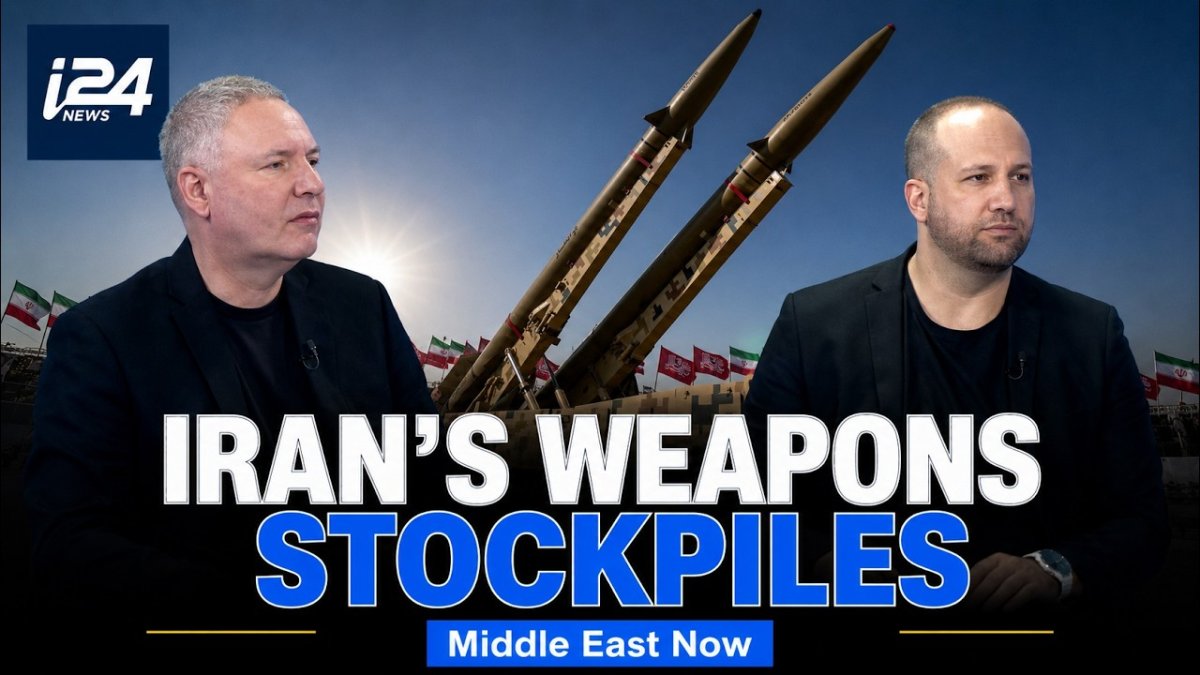
All of this is unfolding while US and Israeli strikes on Iran continue after roughly five months of active conflict. In recent days, President Donald Trump said the United States would hit Iran “hard,” and the IRGC claimed a retaliatory attack on Kuwait. Saudi Arabia, meanwhile, struck an umbrella paramilitary group with ties to Iran after Riyadh accused the Popular Mobilisation Forces of targeting its oil facilities. The region is bracing for further escalation on multiple fronts.
Azerbaijan has already felt the spillover. On 5 March, Baku reported that drones launched from Iran struck its Nakhchivan Autonomous Republic, damaging civilian infrastructure and injuring residents; Tehran denied involvement and suggested external actors were responsible. Iran has also repeatedly threatened the Baku-Tbilisi-Ceyhan oil pipeline, one of the Caucasus's most important energy arteries, amid friction over Azerbaijan's alleged hosting of Israeli operations.
In this environment, the media bans are not a sideshow. Iran's blacklist is part of a broader effort to control narratives as it fights a multi-front war, and Baku's reciprocal move signals that it will not quietly absorb pressure from Tehran — including pressure aimed at the journalists and audiences on its own territory.
Diplomatic and International Reactions
Azerbaijan's MEDIA agency framed the decision in strictly legal terms, leaning on reciprocity rather than ideology. The statement expressed “deep concern” over Iran's threats of criminal liability against individuals cooperating with listed organizations, and urged international media cooperation to proceed solely on the basis of mutual respect and journalistic independence.
Internationally, the episode has drawn attention largely as a symptom of the widening Iran conflict rather than as a standalone diplomatic crisis. Western capitals monitoring the war have focused on the military exchanges between Washington, Israel and Tehran, but the media dimension matters: the blacklist's inclusion of Voice of America and the BBC's Persian service means Tehran is simultaneously picking fights with Washington, London and its neighbors. For international journalists operating in the region, the practical consequence is a narrower, riskier information space.
Neither Baku nor Tehran appears interested in a complete rupture. The two countries share a long border, deep economic interdependence and a complicated history — including a significant ethnic Azerbaijani population inside Iran. The reciprocal bans are calibrated: they hurt, but they stop short of severing diplomatic or commercial ties.
Analysis and What This Means
For Israel, the episode underscores the continued utility of its partnership with Azerbaijan, even as Iranian accusations against Baku intensify. The Mossad deployment report, the counter-terror arrests and now the media spat all point to a relationship that functions under Iran's nose — and that Tehran is increasingly willing to confront openly.
For Azerbaijan, the calculation is delicate. Baku needs to reassure its own public and its international partners that it will not be pushed around, while avoiding a rupture with a powerful neighbor that could threaten its territory or its energy exports. Applying reciprocity — a defensive, legally grounded response — gives Baku room to maneuver: it escalates the message without closing the door.
The coming months will test whether media restrictions become a permanent fixture of the Iran-Azerbaijan relationship. As the war grinds on, expect more lists, more bans and more warnings aimed at journalists on both sides of the border. For readers in Israel and the region, the lesson is that in this conflict, the front line extends far beyond missile ranges — it runs through newsrooms, broadcasters and the information that citizens are allowed to see.
There is a domestic dimension too. Iran's list — which IranWire says sweeps in media outlets, individual personalities and social media pages — is aimed as much at silencing critics inside the Islamic Republic as at foreign broadcasters. For the many Iranians who rely on satellite channels and Persian-language services to learn what is happening in their own country, the blacklist is a reminder that Tehran's war is also a war on information. And for Azerbaijan, the ban on Sahar TV and Mehr means Iranian state media loses its licensed foothold in Baku at the very moment Tehran most wants to shape opinion across the border.
By Hannah Berg, Staff Writer
This article was produced with AI-assisted research and editorial support. Reporting is based on sources cited in the article.
What's Your Reaction?
 Like
0
Like
0
 Dislike
0
Dislike
0
 Love
0
Love
0
 Funny
0
Funny
0
 Wow
0
Wow
0
 Sad
0
Sad
0
 Angry
0
Angry
0
Israel Correspondent at Global1.News. Based in Tel Aviv, covering Israeli politics, security, technology, and society. Provides balanced, deeply-sourced reporting on one of the most closely-watched regions in the world.











Comments (0)