
Algeria Bus Tragedy: 25 Dead as Coach Plunges Into Ravine
At least 25 people are dead and dozens more injured after a passenger bus overturned into a ravine near the Algerian coastal town of Boumerdes, east of Algiers, on Friday — a tragedy that has plunged the country into three days of national mourning and reignited urgent questions about road safety across Afric
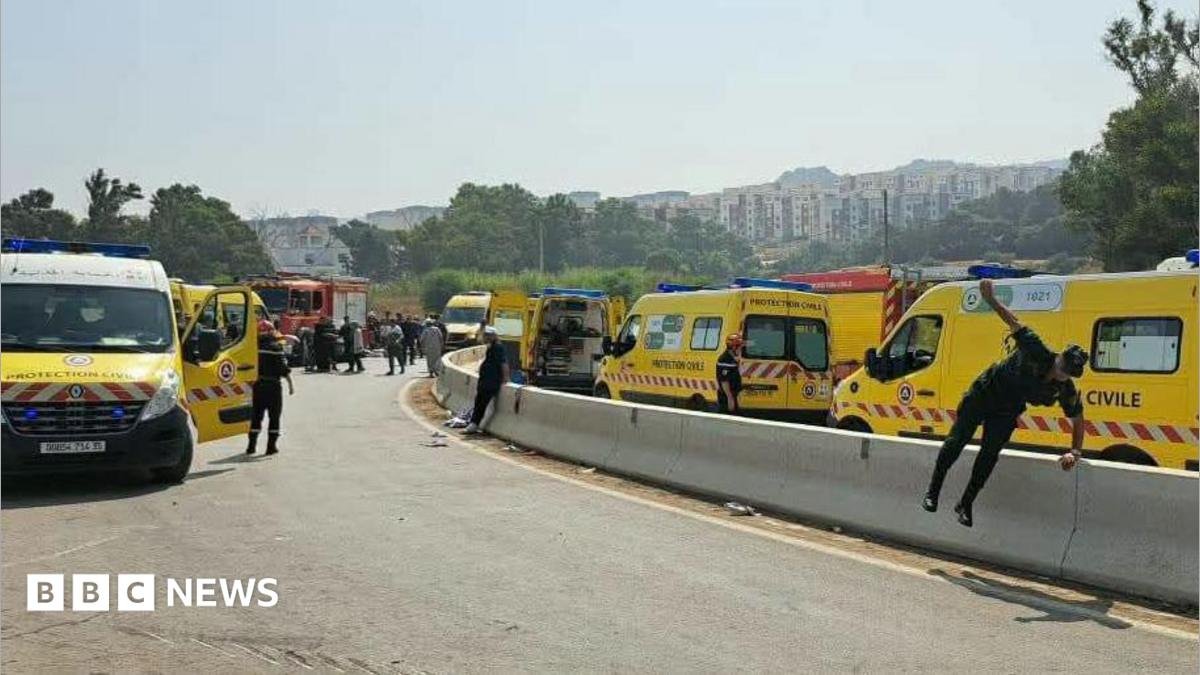
At least 25 people are dead and dozens more injured after a passenger bus overturned into a ravine near the Algerian coastal town of Boumerdes, east of Algiers, on Friday — a tragedy that has plunged the country into three days of national mourning and reignited urgent questions about road safety across Africa.
Algeria Bus Tragedy: 25 Dead as Coach Plunges Into Ravine
Boumerdes, Algeria — A routine journey between provinces ended in catastrophe on Friday morning when a passenger coach left the road and tumbled into a ravine, leaving families across the region grieving and investigators searching for answers.
The Crash Near Boumerdes
On Friday 31 July 2026, a passenger bus travelling from the eastern Setif province towards Boumerdes, a coastal town east of the Algerian capital Algiers, left the road and came to rest at the bottom of a steep ravine. Photographs released after the crash show the coach lying on its side — a stark image of how quickly a routine journey turned fatal on a route that families and workers use daily to move between provinces.
At least 25 people were killed and dozens more injured. Health Minister Mohamed Seddik Ait Messaoudene said the death toll had reached at least 27, with 39 people injured, two of them in critical condition, and warned that the number of fatalities could still rise. Reuters reported 44 injured. The civil defence department described the incident as the deadliest road accident in Algeria in recent years.
The cause of the crash has not yet been determined. For communities in Setif and the surrounding eastern provinces, the loss cuts through the daily fabric of travel that binds families and sustains livelihoods across Algeria's regions.
Rescuers and the Rush to Save Lives
Civil defence teams reached the site around 9:40 am local time and began the urgent task of pulling survivors from the overturned coach and the ravine below. The injured were quickly evacuated to nearby hospitals as emergency workers coordinated under difficult conditions, and officials credited the swift arrival of rescue services with preventing an even greater loss of life.
Witness Bilal Bensalem, speaking to AFP, described arriving to find some passengers already dead and others still alive amid severe injuries. "I found some people dead and others still alive. Some had their hands cut off, among other injuries," he said. His account captures the raw human toll of those first moments, when ordinary travellers became first responders in the chaos.
A passing motorist, Ryad Ferkioui, said he believed a dangerous turn in the road had been a contributing factor, offering an early perspective on the terrain investigators will now examine. For the survivors and their families, the road to recovery is only beginning.
A President's Grief, a Nation in Mourning
President Abdelmadjid Tebboune expressed "immense sorrow" over the loss of life and declared three days of national mourning. In a statement carried by state media, he pledged that "justice will strike with an iron fist, without the slightest leniency" once the investigation into the crash is complete — words that reflect both grief and a commitment to accountability in a country weary of repeated tragedies on its roads.
Prime Minister Sifi Ghrieb, who has held office since September 2025, visited the crash site personally and spoke with emergency service workers on the ground. His presence signalled the government's direct engagement with the aftermath and offered visible support to those managing the recovery effort.
Across Algeria, the mourning period provides space for collective reflection on road safety. Families in the eastern provinces and coastal towns alike share in the sorrow, while the demand for decisive action after the investigation echoes a wider call for lasting change in how transport safety is prioritised.
What Went Wrong: A Road Under Scrutiny
The civil defence department said it had not yet determined what caused the vehicle to leave the road. Photographs from the scene indicate the bus left the carriageway at a point where the terrain drops sharply into a ravine, and investigators are expected to examine vehicle condition, road design and driver actions as part of the formal inquiry.
Witness accounts point to the layout of the road itself as a possible contributing element. The route from Setif province passes through areas with varying road conditions that drivers navigate daily, and the dangerous turn identified by a passing motorist is likely to be a focus of the investigation.
Authorities have promised a thorough inquiry, but for the families awaiting news of loved ones, the answers cannot come soon enough.
A Recurring Tragedy on Algeria's Roads
Friday's crash is not an isolated event. In August 2025, a bus crashed near Algiers, killing 18 people. Four months later, in December 2025, 14 people died when a bus overturned in the southern Bechar region. Each incident has prompted renewed calls for better infrastructure and stricter enforcement of safety rules.
Algerian road safety authorities recorded 3,838 deaths and more than 37,000 injuries in traffic accidents in 2025 alone. They consistently identify human factors such as speeding and inattention as the main causes of crashes, pointing to the need for sustained public awareness alongside improvements in road design.
The repetition of such events places pressure on authorities to move beyond statements toward concrete change. For daily commuters and long-distance travellers who depend on buses, the 2025 toll is a reminder that road safety remains an urgent national concern tied directly to economic and social well-being.
Africa's Road Safety Emergency
Across the African continent, road traffic fatality rates remain disproportionately high. WHO data shows the Africa region carries the highest regional death rate — roughly double the global average — with low-income countries recording 24.1 deaths per 100,000 people compared with 9.2 per 100,000 in high-income nations. These disparities highlight how infrastructure gaps and enforcement challenges compound risks for ordinary citizens.
Road crashes are estimated to cost African economies between 3 and 5 percent of GDP each year, draining resources that could otherwise support development and public services. A recent bus crash in Ethiopia's northern Amhara region, which killed about 31 people travelling from Dessie to Addis Ababa, illustrates a continental pattern that extends well beyond any single country.
In Senegal and across the region, buses function as essential lifelines connecting families, markets and workplaces. The human cost behind the statistics fuels growing demands for safer roads and greater accountability from governments — a challenge that requires coordinated effort and recognition of the daily realities faced by travellers who keep communities linked.
Counting the Human Cost
Road safety remains a continental issue that touches daily life in countries such as Senegal, where buses serve as essential links for families travelling between cities and rural areas. Behind every statistic is a family mourning a relative, a household deprived of a breadwinner, a community disrupted.
Passengers rely on these services for work, education and family visits, making safer roads and stronger accountability essential demands from communities across Africa. The Boumerdes tragedy illustrates the urgent need for sustained investment in road infrastructure, enforcement and public awareness.
Improved safety measures would protect the many travellers who depend on buses as lifelines — reducing the repeated pain felt in Algeria and neighbouring nations, and honouring the lives lost on a Friday morning that shook a nation.
By Amara Diop, Staff Writer
This article was produced with AI-assisted research and editorial support. Reporting is based on sources cited in the article.
What's Your Reaction?
 Like
0
Like
0
 Dislike
0
Dislike
0
 Love
0
Love
0
 Funny
0
Funny
0
 Wow
0
Wow
0
 Sad
0
Sad
0
 Angry
0
Angry
0
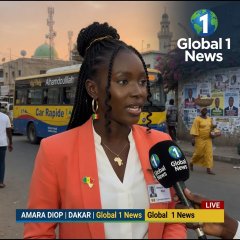
West Africa/Sahel Correspondent at Global1.News. Dakar-based journalist covering politics, security, climate, and development across Francophone and Anglophone West Africa. Tells the stories of a region undergoing profound transformation.










Comments (0)