
5 killed, 47 injured in RSF drone attack on university dormitory in Sudan: Doctors group
The latest drone strike on a university dormitory in El‑Obeid has left families mourning and a community grappling with the stark reality that education is no longer a safe haven in Sudan.
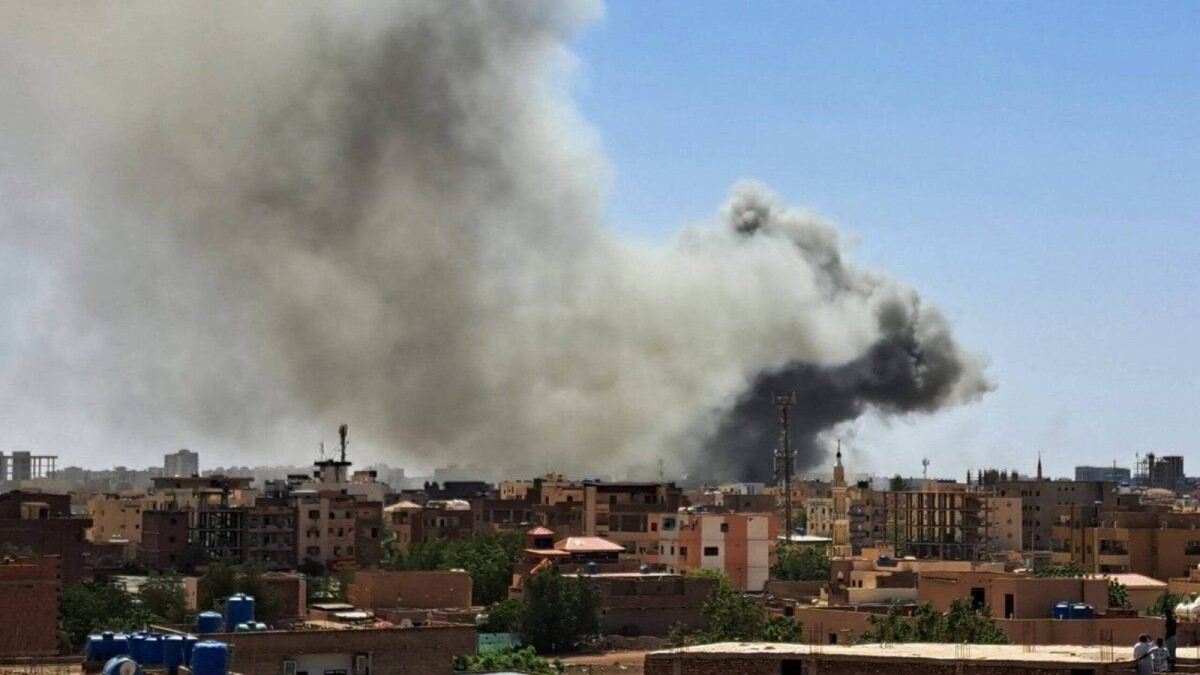
The latest drone strike on a university dormitory in El‑Obeid has left families mourning and a community grappling with the stark reality that education is no longer a safe haven in Sudan. According to the Sudan Doctors Network, five civilians were killed and 47 wounded when Rapid Support Forces (RSF) drones hit the Kordofan University residence on Wednesday. The attack joins a pattern of strikes on civilian infrastructure that has intensified since the conflict erupted in April 2023, raising urgent questions about the protection of civilians under international humanitarian law.
Human cost of the El‑Obeid strike
The immediate toll reported by the independent medical group underscores the personal tragedy behind the numbers. Five people lost their lives, and dozens more were left with injuries that will likely require long‑term care. Survivors, many of them students, now face not only physical wounds but also the psychological trauma of seeing their dormitory turned into a battlefield. Families are scrambling for medical assistance, while the university community mourns the loss of classmates and friends.
Beyond the direct victims, the strike reverberates through the wider civilian population of El‑Obeid. The city, already scarred by repeated drone attacks, now confronts another wave of fear and uncertainty. Residents worry that any public building—whether a school, hospital, or market—could become a target, eroding the sense of normalcy that a university campus once provided.
Pattern of attacks on civilian facilities
The Sudan Doctors Network described the dormitory strike as part of a broader campaign by the RSF against civilians and civilian facilities across the country. Earlier in September, the same medical group documented a drone assault on residential areas in El‑Obeid that killed two people and injured twenty. These incidents illustrate a worrying escalation in the use of unmanned aerial weapons against non‑military targets.
Human‑rights observers have repeatedly accused the RSF of deliberately targeting civilian infrastructure, a claim the paramilitary group has largely denied while asserting that its operations aim to “protect civilians.” The discrepancy between the RSF’s stated objectives and the reality on the ground fuels suspicion and deepens the humanitarian crisis.
International humanitarian law implications
Targeting student accommodation and educational facilities contravenes core principles of international humanitarian law, which obligates parties to a conflict to distinguish between combatants and civilians and to spare civilian objects from attack. The Sudan Doctors Network warned that the dormitory strike constitutes a serious violation of these rules, emphasizing that schools and universities are protected spaces under the Geneva Conventions.
When civilian structures are deliberately attacked, the responsibility to investigate and hold perpetrators accountable falls on the international community. The network’s call for the United Nations and human‑rights organisations to condemn such attacks reflects a broader demand for legal scrutiny and potential avenues for justice for victims.
Calls for accountability and humanitarian response
In the wake of the strike, the Sudan Doctors Network appealed to the United Nations, international humanitarian agencies, and human‑rights bodies to condemn the targeting of civilian infrastructure. They urged these entities to demand accountability from the RSF and to support an urgent medical response for those injured. The call highlights the critical need for external assistance in a health system already strained by years of conflict.
International actors have a role not only in documenting violations but also in facilitating the delivery of medical supplies, trauma care, and psychosocial support to affected communities. The network’s plea underscores that without coordinated humanitarian aid, the human cost of such attacks will continue to mount.
Impact on education and the future of Sudan’s youth
Attacks on university dormitories strike at the heart of Sudan’s future. When students cannot safely reside or study, the nation’s intellectual capital suffers. The loss of life and the pervasive fear of further strikes may deter enrollment, disrupt academic calendars, and force many young people to abandon their studies altogether.
Beyond the immediate disruption, the psychological scars of living under constant threat can have long‑term effects on a generation’s ability to contribute to peacebuilding and reconstruction. The targeting of education thus becomes a weapon not only against individuals but against the broader prospects for a stable and prosperous Sudan.
Regional dynamics and the broader conflict
The conflict between Sudan’s Armed Forces and the RSF, which began in April 2023, has already claimed tens of thousands of lives and displaced millions. The El‑Obeid drone strike is one episode in a war that has spilled across the country, affecting both urban centers and remote villages. The ongoing hostilities have drawn attention from neighboring states, with concerns about cross‑border implications and the potential for foreign interference.
While the RSF has not commented on the specific dormitory attack, its broader strategy appears to involve the use of drones to project power and intimidate civilian populations. This tactic complicates efforts to negotiate ceasefires or humanitarian corridors, as aerial attacks can be launched from a distance, reducing the risk to RSF forces while increasing civilian vulnerability.
Path forward: protecting civilians and rebuilding trust
To halt the cycle of violence against civilians, a multifaceted approach is required. Immediate steps include a robust international investigation into the El‑Obeid strike and other similar incidents, ensuring that violations of international humanitarian law are documented and prosecuted. Humanitarian agencies must be granted safe and unhindered access to provide medical care, mental‑health support, and essential supplies to affected communities.
Long‑term solutions hinge on a political settlement that addresses the root causes of the Sudanese conflict and guarantees the protection of civilian spaces, especially schools and hospitals. Only by reaffirming the principle that civilians are off‑limits in warfare can Sudan begin to rebuild the trust that has been shattered by years of bloodshed and drone strikes.
This article was produced with AI-assisted research and editorial support. Reporting is based on the source material cited below. Sources: Middle East Monitor; middleeastmonitor.com; Global1.News (02 October 2026).
By Fatima Al-Rashid, Staff Writer
What's Your Reaction?
 Like
0
Like
0
 Dislike
0
Dislike
0
 Love
0
Love
0
 Funny
0
Funny
0
 Wow
0
Wow
0
 Sad
0
Sad
0
 Angry
0
Angry
0

Gulf/MENA Correspondent at Global1.News. Based in Doha, covering Gulf politics, energy markets, diplomacy, and development across the Middle East and North Africa. Tracks the economic transformation of the Gulf states.













Comments (0)