
Tourist Plane Crash in Peru Kills All 13 Aboard
A tourist plane crashed near Peru's Nazca Lines on Saturday, killing all 13 aboard, including German, Spanish and Italian passengers. The Aerodiana Cessna from Pisco went down in Pueblo Viejo. Past crashes in 2022 and 2010 raise aviation safety questions for Latin American heritage tourism.
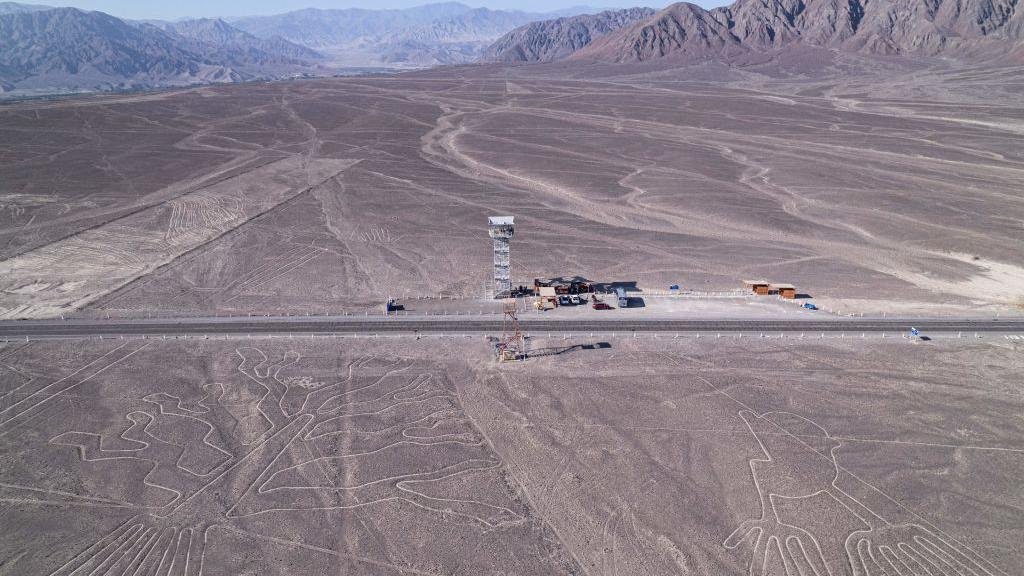
A tourist plane carrying 13 people crashed near the Nazca Lines in southern Peru on Saturday, killing everyone on board in a fiery accident that has once again highlighted the risks of sightseeing flights over one of the country's most iconic archaeological sites. The Cessna Caravan operated by Aerodiana went down shortly after takeoff from Pisco airport, scattering wreckage across a field in the Pueblo Viejo region. Officials from Peru's tourism ministry and local police confirmed the total loss of life, including tourists from Germany, Spain, and Italy. This latest tragedy revives concerns about aviation safety at popular heritage destinations throughout Latin America.
Nazca, Peru — The incident unfolded as the plane was conducting a routine overflight of the ancient desert drawings, prompting immediate responses from emergency services and raising questions for regional tourism operators.
The Crash Unfolds Near Pueblo Viejo
A small tourist plane crashed in the Pueblo Viejo region of southern Peru on Saturday around 13:00 local time, killing all 13 people on board. The aircraft, a Cessna Caravan C-208, had taken off from Pisco airport for a flight over the Nazca Lines archaeological site before going down in a field and bursting into flames. Peru's tourism ministry confirmed that everyone aboard died in the accident, with local police and firefighters responding immediately to the scene where smoke rose from the wreckage.
Eleven passengers and two pilots were on the flight when it lost contact with the control tower minutes after departure. Video from the scene shows emergency crews spraying water on the remains of the plane as authorities began recovery operations. The crash site lies near the city of Nazca on Peru's southern coast, a region that draws visitors from across Latin America and beyond to view the ancient desert drawings.
Regional tourism officials note that such flights form a key part of the local economy in areas like Nazca and Pisco, where small aircraft provide the only practical way to appreciate the scale of the heritage site. The incident has prompted immediate questions about aviation practices at popular heritage locations throughout Peru and neighboring countries.
Reuters video footage captured firefighters directing streams of water onto the charred fuselage while thick smoke billowed across the arid field near Pueblo Viejo. The images, broadcast within hours, framed the event as a sudden national tragedy that interrupted routine sightseeing tours and left families in Germany, Spain and Italy facing immediate loss without warning.
Local reports from RPP and Peru's state news agency spread the details rapidly on Saturday, describing how the plane departed Pisco airport and vanished from radar minutes later. This breaking-news cycle reached international outlets by evening, underscoring the vulnerability of tourists who board small aircraft expecting a brief, scenic flight over one of Latin America's most celebrated archaeological zones.
The Flight Path and Airline Involved
The Cessna Caravan C-208 departed Pisco airport on Saturday morning for the standard sightseeing route over the Nazca Lines but lost contact with the control tower shortly afterward, according to local outlet RPP. The plane, operated by the Peruvian airline Aerodiana, crashed in a field near Pueblo Viejo after the brief flight. Aerodiana has operated such tours for years, serving the steady stream of visitors to the UNESCO site.
Peru's state news agency and the tourism ministry both confirmed the aircraft details and the total loss of life. The airline issued a statement saying it would assess its flight schedule in accordance with directives from relevant authorities. Initial reports indicate the plane went down around 13:00 local time, with firefighters arriving quickly to manage the burning wreckage.
This type of short-haul tourist flight remains common across Latin American heritage destinations, from the Andes to coastal archaeological zones. Safety standards for these operations have drawn scrutiny in recent years as visitor numbers grow in countries like Peru, Chile and Bolivia.
Peruvian aviation authorities oversee small-aircraft operations through established regulatory frameworks that apply to carriers like Aerodiana, yet the frequency of overflights at remote sites such as Nazca continues to test those standards. Regional operators in southern Peru must balance high tourist demand with the technical demands of desert flying, where visibility and wind conditions can shift quickly.
Aerodiana's public response focused on cooperation with authorities rather than immediate resumption of schedules, a measured approach that mirrors statements issued by other Peruvian carriers after similar incidents. This pattern reflects broader efforts across Latin America to maintain public confidence in heritage tourism while addressing persistent questions about maintenance and pilot training for short sightseeing routes.
Nazca Lines as a Tourism Driver
The Nazca Lines constitute a UNESCO World Heritage site featuring ancient drawings of animals etched into the desert sand of southern Peru. Tourists routinely board small planes from Pisco and other nearby airports to gain an aerial perspective on the massive figures that cannot be fully appreciated from the ground. The site sits in the Nazca region, a key economic hub for the municipalidad and surrounding communities.
Peru's tourism ministry has long promoted these overflights as an essential experience for international visitors, contributing significantly to local employment in Nazca and Pisco. The drawings represent one of the most important pre-Columbian cultural assets in Latin America, drawing steady traffic even as safety concerns surface periodically.
Regional economies in southern Peru rely heavily on this heritage tourism, with hotels, guides and transport services in Pueblo Viejo and Nazca depending on consistent visitor flows. Any disruption from aviation incidents carries immediate consequences for families and businesses throughout the area.
The UNESCO designation, granted decades ago, elevated the Nazca Lines from a local curiosity to a global symbol of pre-Columbian engineering and astronomy. The geometric figures and animal shapes, visible only from above, continue to draw scholars and casual visitors alike, reinforcing Peru's position as a leading cultural destination in South America.
Overflights generate direct revenue for Aerodiana and indirect income for restaurants, lodging and craft vendors in Nazca and Pisco. Municipal leaders in the region have repeatedly highlighted how these flights sustain year-round employment in an area where agriculture alone cannot support the population, tying the site's preservation to the daily livelihoods of southern Peruvian families.
Past Incidents Raise Safety Concerns
This marks the latest in a series of crashes involving tourist planes over the Nazca Lines. In 2022 another small plane went down during a similar flight, killing seven people including two Chileans and three Dutch nationals. And in 2010, a plane operated by AirNasca crashed after flying over the site, resulting in six deaths that included four British tourists and two Peruvian crew members.
These repeated events have prompted ongoing discussions among Peruvian aviation regulators and tourism officials about the risks of operating small aircraft in the desert conditions around Nazca. The pattern underscores broader challenges for heritage tourism across Latin America, where aging fleets and remote landing strips sometimes intersect with high visitor demand.
Local police and municipal authorities in the Nazca region have monitored these incidents closely, recognizing their potential to affect Peru's reputation as a safe destination for cultural travel. The latest crash on Saturday has renewed calls for enhanced oversight of the companies conducting these flights.
The 2022 crash involved a similar sightseeing route and claimed lives from Chile and the Netherlands, prompting temporary reviews of flight protocols by Peru's tourism ministry. The 2010 AirNasca incident, which killed four British passengers and two Peruvian crew members, underscored the risks of repeated short overflights in desert conditions.
Over the years, aviation specialists have pointed to recurring factors such as mechanical issues and challenging wind patterns near Nazca as contributors to these accidents. The pattern has fueled calls from regional tourism boards in Peru, Chile and Bolivia for stricter certification requirements and fleet modernization to protect both international visitors and the local economies that depend on steady, safe access to these heritage sites.
What This Means for the Region
The crash near Pueblo Viejo highlights persistent gaps in oversight for small-plane tourism operations across Latin America, where Peru, Chile and Bolivia all manage similar flights over remote heritage sites with limited infrastructure. Aviation regulators must now weigh demands from operators like Aerodiana against the need for updated maintenance checks and pilot training standards that address desert wind shifts and high flight frequency.
Heritage tourism in Nazca and Pisco supports municipal economies that cannot rely solely on agriculture, yet repeated incidents risk deterring visitors from Germany, Spain, Italy and other markets who sustain hotels, guides and vendors in the region. Peru's tourism ministry faces pressure to coordinate with aviation authorities on protocols that preserve access to the Nazca Lines while protecting the daily livelihoods tied to safe overflights.
By Elena Vasquez, Staff WriterThis article was produced with AI-assisted research and editorial support. Reporting is based on sources cited in the article.
What's Your Reaction?
 Like
0
Like
0
 Dislike
0
Dislike
0
 Love
0
Love
0
 Funny
0
Funny
0
 Wow
0
Wow
0
 Sad
0
Sad
0
 Angry
0
Angry
0

Latin America Correspondent at Global1.News. Based in Mexico City, covering politics, economics, energy, and culture across the region. Brings an on-the-ground perspective to stories spanning from the Rio Grande to Patagonia.















Comments (0)