
The Future of Agritourism in the Virgin Islands
A new One Caribbean Television report examines how farm tours, digital booking platforms like Agritourism VI and events such as Agrifest are making US Virgin Islands agriculture a growing tourism draw across the Caribbean.
A new report published this week by One Caribbean Television is casting a spotlight on the quiet revolution taking root across the United States Virgin Islands, where the lines between farming, tourism and community wellness are blurring into a vibrant new economic sector. The report, titled "The Future of Agritourism in the Virgin Islands," examines the growing farm-tourism movement and its potential to reshape how the territory — and the wider Caribbean — thinks about food, travel and resilience.
Agritourism in the Virgin Islands: A New Frontier for Caribbean Food Security and Tourism
Charlotte Amalie, US Virgin Islands — The video report arrives at a pivotal moment. With the USVI tourism sector posting near-record visitor numbers and the region grappling with a stubbornly high food import bill, agritourism is emerging as a practical bridge between two of the Caribbean's most important industries. The movement is not just about selling produce; it is about selling the story of the land, the people who work it, and the sustainable practices that could define the region's future.
A Digital Marketplace Rooted in Community
At the heart of this movement is Agritourism VI, a digital platform and web app that has positioned itself as the curated marketplace for authentic farm experiences across the US Virgin Islands. The platform connects families, travellers and wellness seekers with toxin-free farm tours, hands-on activities, animal interactions and cultural events, all hosted by verified sustainable farms. Every participating farm is screened for safety, sustainable practices and quality, offering a layer of trust that is often missing in the informal tourism economy.
The platform's founders describe their mission as bridging "the gap between the land and the community," giving farmers a tangible way to diversify income while sharing their stories with a wider audience. Features include an experience marketplace, easy booking with digital waivers, host and experience profiles with photos and bios, and a feedback and community review system. An official mobile app is planned, and the platform already sells "Bless up the Farmer" apparel as merchandise — a small sign of the cultural pride behind the venture.
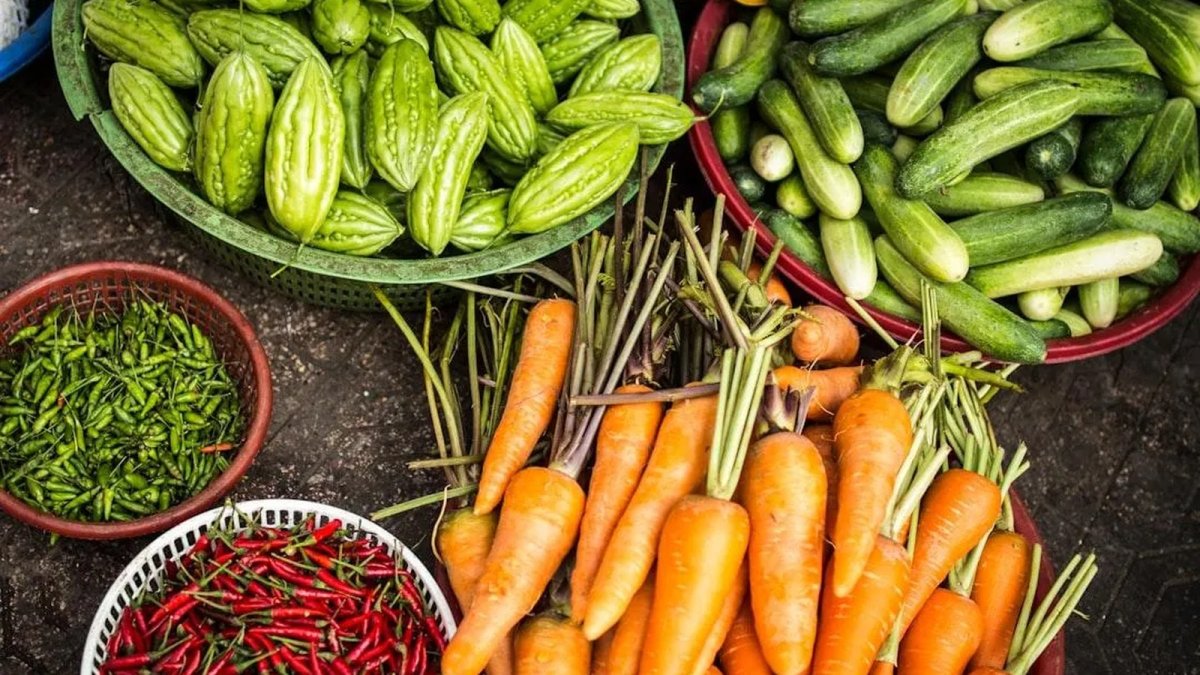
For Caribbean readers, the model feels familiar. It echoes the community-based tourism initiatives that have long been discussed at CARICOM tables but have often struggled to gain traction. What is different here is the digital-first approach — the modern traveller expects seamless booking and verified quality, not just a roadside stand.
Agrifest 2026: A Showcase of Resilience and Innovation
The momentum behind agritourism was on full display earlier this year at the 54th Annual Agriculture and Food Fair of the US Virgin Islands, held February 14-16 at the Rudolph Shulterbrandt Agricultural Complex on St. Croix. Under the theme "Agriculture and Technology: An Ideal Mix In 2026," the fair drew exhibitors from St. Croix, St. Thomas and St. John, alongside guests from Antigua, Barbuda, St. Kitts and Nevis, Guyana, St. Lucia and Grenada.
Admission was US$8 for adults, US$5 for children and US$6 for seniors, with the fair running daily from 9 a.m. to 6 p.m. and opening ceremonies at 10 a.m. on Saturday. Farmer of the Year awards were presented on the opening day, and entertainment included steel orchestras, bands, mokojumbies and cultural dancers — a reminder that Caribbean agriculture is as much about celebration as production.
Agrifest Board President and Commissioner of Agriculture Dr. Louis E. Petersen Jr. framed the theme in generational terms, saying it reflected "the importance of modern scientific innovations and their role in realizing maximum agricultural productivity for the benefit of all." He added that the interface between agriculture and technology is essential "for encouraging and attracting the younger generation to pursue careers in agriculture." The emphasis on drawing young people into farming is one that resonates across the Caribbean, where agriculture has too often been seen as a fallback rather than a first choice for the next generation.
Ridge to Reef Farm: A Model for the Eastern Caribbean
If there is a flagship for the agritourism movement in the USVI, it is Ridge to Reef Farm on St. Croix. The 140-acre certified organic farm and nature conservation site sits in the island's rainforest and describes itself as the premier agritourism destination in the Eastern Caribbean. With seven guest cabanas and two villas accommodating groups of up to 35, the farm has built a reputation that extends well beyond the territory's shores.
Its operations include a weekly community supported agriculture (CSA) programme, educational internships and apprenticeships, and the famous "Slow Down Dinner Experience" — a donation-based event that raises money for the Farm to School programme and a multi-farm CSA. The farm sells certified organic fruits and vegetables from two farms in Frederiksted, creating a direct link between production, tourism and community food security.
The Ridge to Reef model is instructive for the wider Caribbean. It demonstrates that a farm can be simultaneously a production unit, an educational facility, a tourism destination and a community anchor. That multi-functional land use is what small island developing states need as they confront climate change, supply chain disruptions and the challenge of feeding their populations.
Tourism Numbers Tell a Story of Opportunity
The timing of the agritourism push is no accident. The US Virgin Islands welcomed nearly 1 million airline passengers in 2025 through Cyril E. King Airport on St. Thomas and Henry E. Rohlsen Airport on St. Croix, along with nearly 1.83 million cruise passengers. The Department of Tourism projects approximately 927,000 airline passengers and about 1.96 million cruise passengers in 2026 — close to 3 million total visitors.
Commissioner of Tourism Jennifer Matarangas-King struck a measured tone when reflecting on the sector's performance. "The close of 2025 reflects the strength and discipline of the U.S. Virgin Islands tourism product," she said. "Our focus was on maintaining access, strengthening partnerships, and guiding growth in a way that aligns with our communities as we move into 2026." That emphasis on aligning growth with community interests is where agritourism fits naturally — it offers a way to channel tourism revenue directly into local hands.
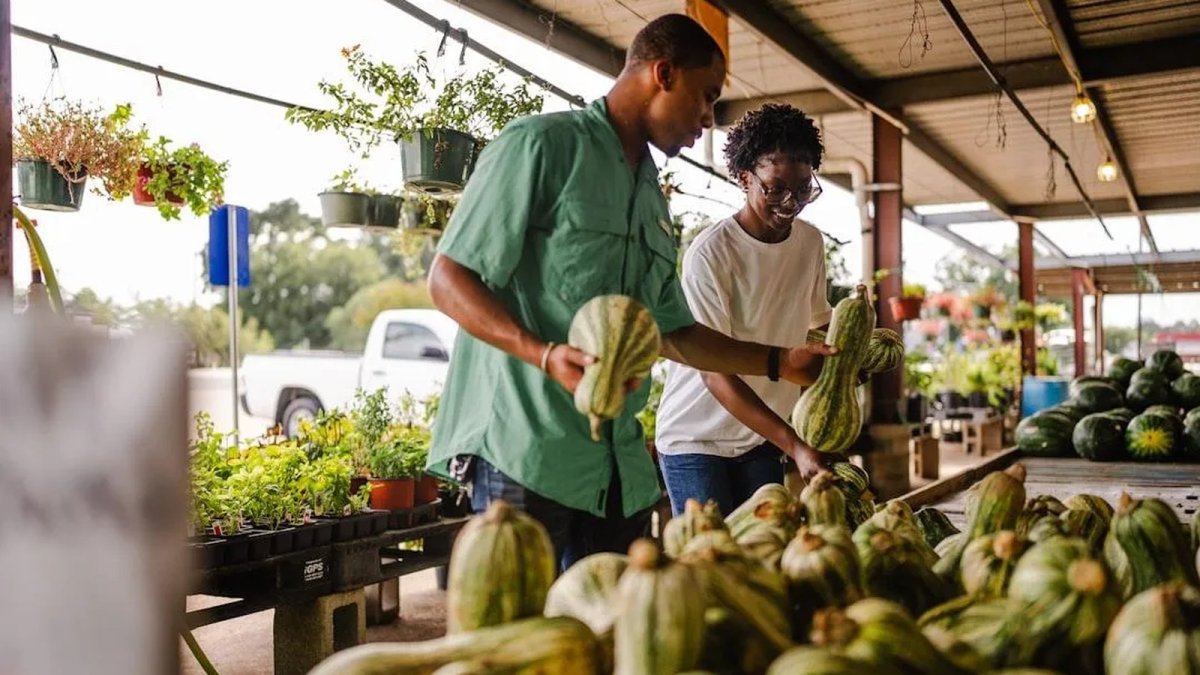
For the wider Caribbean, the USVI experience offers a template. The region's tourism sector has recovered strongly after the pandemic, but the benefits have not always reached the communities that need them most. Agritourism, done well, can change that calculus by creating direct economic linkages between visitors and local producers.
Institutional Support: VIDA and UVI
The institutional framework supporting this growth is taking shape. The Virgin Islands Department of Agriculture (VIDA) has been active in supporting the sector, offering Micro-Grants for Food Security of up to US$5,000 for farming, backyard gardening, livestock and beekeeping projects. VIDA also hosts Farmers Market Fun Day events on St. Croix, creating regular opportunities for producers to connect directly with consumers.
The University of the Virgin Islands (UVI), a public land-grant university founded in 1962, continues to support agricultural research and is closely involved with Agrifest and agricultural education. This combination of government support, academic research and grassroots entrepreneurship is the kind of ecosystem the Caribbean needs to reduce its food import bill and build economic opportunity in rural communities.
A Caribbean-Wide Relevance
The story of agritourism in the USVI resonates far beyond the territory's shores. CARICOM's 25 x 2025+5 food security initiative aims to significantly reduce the region's food import bill while promoting sustainable, locally driven food systems. The CARICOM E-Agriculture Strategy supports this through digital innovation — and Agritourism VI is a textbook example of how digital tools can connect producers with markets in ways that were unimaginable a generation ago.
Caribbean small island developing states face a familiar set of challenges: high food import dependence, climate vulnerability, and the constant pressure to diversify economies that have historically leaned heavily on tourism. Agritourism offers a way to address several of these challenges simultaneously. It creates new revenue streams for farmers, reduces the region's exposure to global food price shocks, and gives travellers a reason to stay longer and spend more.
There is also a diaspora dimension. Caribbean communities in the United States, Canada and the United Kingdom maintain deep ties to their home islands, and many are seeking meaningful ways to reconnect with their roots. Agritourism experiences — whether a farm tour, a cooking class or a wellness retreat — offer exactly that kind of connection. The "Bless up the Farmer" merchandise sold by Agritourism VI speaks to this cultural pride, turning a simple purchase into a statement of solidarity with the region's agricultural heritage.
Looking Ahead: Challenges and Promise
None of this is to suggest that the path forward is without obstacles. Agritourism requires significant investment in infrastructure, marketing and training. Farmers must learn to be hosts, and hosts must learn to understand the rhythms of farming. The seasonality of tourism can create cash flow challenges, and the vulnerability of small island agriculture to hurricanes and drought remains a constant threat.
But the foundations are being laid. The One Caribbean Television report captures a moment of genuine possibility — a moment when the USVI, and by extension the wider Caribbean, is beginning to see agriculture not as a relic of the past but as a cornerstone of a more resilient and equitable future. The numbers are encouraging, the institutional support is growing, and the entrepreneurial energy is palpable.
As the region moves deeper into 2026, the question is no longer whether agritourism has a future in the Virgin Islands. It clearly does. The question is how quickly that future can be built, and whether the rest of the Caribbean will be watching closely enough to learn from the experiment unfolding on St. Croix, St. Thomas and St. John.
This article was prepared with the assistance of AI tools and is based on the One Caribbean Television report together with public sources including Agritourism VI, the University of the Virgin Islands, the Virgin Islands Consortium and Caribbean Journal.
By Sharon Sahatoo, Staff Writer
This article was produced with AI-assisted research and editorial support. Reporting is based on sources cited in the article.
What's Your Reaction?
 Like
0
Like
0
 Dislike
0
Dislike
0
 Love
0
Love
0
 Funny
0
Funny
0
 Wow
0
Wow
0
 Sad
0
Sad
0
 Angry
0
Angry
0

Caribbean Correspondent at Global1.News. Based in Port of Spain, Trinidad, covering Caribbean politics, economy, energy, climate, and culture. Amplifying the voices and stories of the Caribbean region.














Comments (0)