
The Curator: 10 viral K-beauty products that will transform your skin
In recent weeks, social media platforms have been awash with videos touting the so‑called “glass‑skin” look and a host of Korean‑origin beauty products.
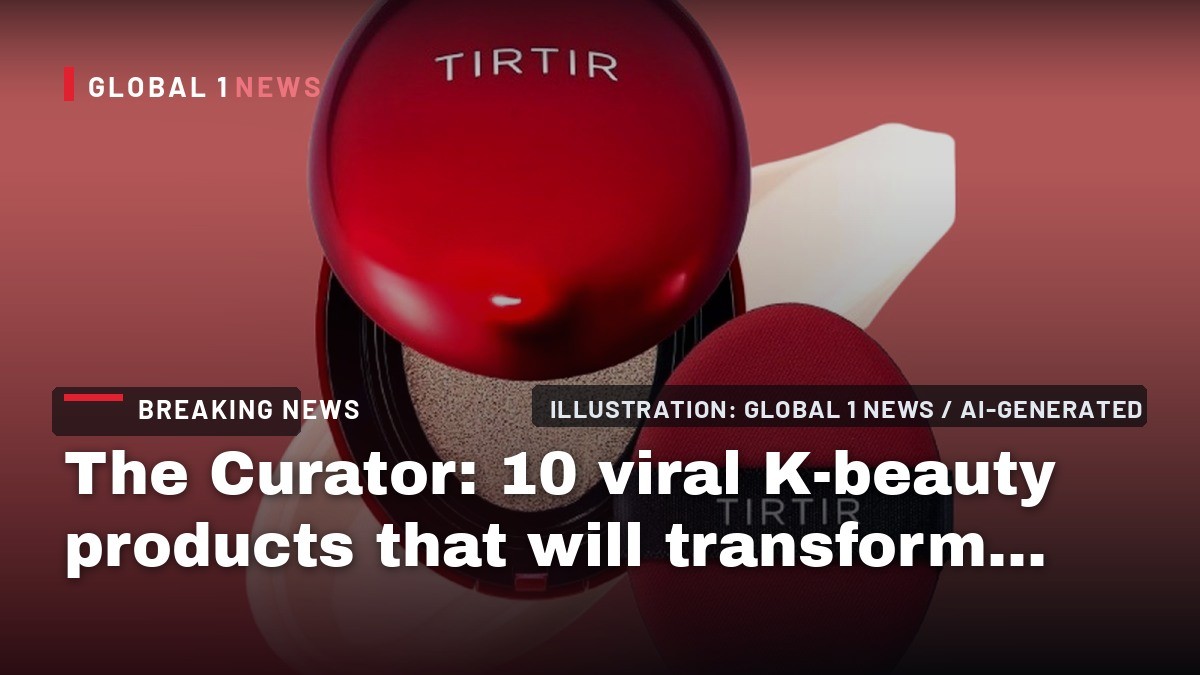
In recent weeks, social media platforms have been awash with videos touting the so‑called “glass‑skin” look and a host of Korean‑origin beauty products. The Curator, a Global News Canada feature that independently selects topics and products, has highlighted ten items that it says are currently viral. While the list itself is brief, the broader context of K‑beauty—its origins, its emphasis on multi‑step skin‑care routines, and its growing presence in North American markets—offers a useful lens for Canadian consumers who are navigating a crowded beauty landscape.
What is K‑beauty and why it matters to Canadians
K‑beauty, short for Korean beauty, refers to products that are manufactured in South Korea and the accompanying philosophy of skin‑care that underpins them. According to The Curator, the approach is not merely about individual items but about a ritual that prioritises hydration, brightening and the strengthening of the skin barrier. This focus on a healthy, “glass‑like” complexion resonates with many Canadians who are seeking alternatives to the more aggressive, often chemical‑heavy products traditionally marketed in North America.
The appeal of K‑beauty has been amplified by platforms such as TikTok, where short videos showcase viral trends like snail mucin serums and collagen masks. While the source material does not provide specific sales figures, the fact that The Curator feels compelled to list ten viral products suggests a noticeable level of consumer interest. For Canadians, especially those in provinces with harsh winter climates that can sap skin moisture, the emphasis on barrier‑supporting ingredients aligns with practical needs.
The evolution of a personal routine
The Curator’s author recounts a personal journey that mirrors a broader shift among consumers. The first encounter with a K‑beauty product occurred five years ago, during the pandemic—a period that saw many Canadians experiment with home‑based self‑care routines. The author describes moving from curiosity to “full‑on obsession” after experiencing improvements in dull skin. This anecdotal evidence underscores how the pandemic acted as a catalyst for many to explore more elaborate skin‑care regimens.
While the source material does not detail the specific products that sparked the author’s interest, it does highlight the central promise of K‑beauty: a transformation from dullness to a radiant, hydrated complexion. For readers, this narrative offers a relatable entry point, illustrating how a single product can lead to a broader adoption of multi‑step routines.
The multi‑step ritual explained
K‑beauty routines are renowned for their layered approach, often comprising double‑cleansing, toning, essence, serum, moisturiser and sunscreen, among other steps. The Curator summarises the core objectives of these steps as hydration, brightening and barrier reinforcement. In a Canadian context, where seasonal changes can challenge skin health, such a comprehensive routine may provide a structured way to address fluctuating environmental stressors.
The source material notes that the routine is “meant for every skin type,” a claim that positions K‑beauty as inclusive. This contrasts with some traditional Western products that are marketed toward specific skin concerns. For Canadian consumers, particularly those with sensitive or rosacea‑prone skin, the promise of a gentle, barrier‑focused regimen can be appealing, though the article does not provide clinical evidence to substantiate efficacy.
Viral products and their appeal
The Curator lists ten viral K‑beauty items, though only one is named in the excerpt: the Wella Professionals Ultimate Repair Miracle Hair Rescue, priced at $40. While this product is a hair‑care item rather than a skin‑care product, its inclusion reflects the broader trend of Korean‑origin brands expanding into adjacent categories. The presence of a price point suggests that at least some of these items are positioned in the mid‑range market, making them potentially accessible to a wide audience.
Beyond the single listed product, the article references “snail mucin” and “collagen masks” as examples of ingredients that have gained traction on TikTok. These ingredients have become shorthand for the K‑beauty aesthetic, signalling to consumers that a product aligns with the sought‑after glass‑skin look. While the source does not elaborate on the scientific backing of these ingredients, their popularity indicates a strong consumer‑driven demand.
Consumer considerations and cautions
While the enthusiasm for K‑beauty is evident, Canadian consumers should approach new products with a measured mindset. The Curator’s disclaimer that purchases made through links may generate a commission, and that product availability is subject to retailer terms, reminds readers that commercial interests can influence product promotion. Moreover, the article does not provide detailed ingredient analyses or dermatological endorsements, so individuals with specific skin conditions should consult health professionals before adopting new regimens.
Another practical consideration is the regulatory environment. Health Canada oversees cosmetics and skin‑care products, ensuring they meet safety standards. However, imported items, especially those sold through online marketplaces, may not always be subject to the same level of scrutiny. Canadians should verify that products are sourced from reputable retailers and comply with Canadian labelling requirements.
Connecting K‑beauty trends to Canadian markets
The rise of K‑beauty aligns with a broader diversification of beauty offerings in Canada. Major retailers in provinces such as Ontario and British Columbia have expanded their shelves to include Korean brands, responding to consumer demand for innovative, hydration‑focused products. This shift reflects a growing willingness among Canadian shoppers to explore international beauty philosophies, a trend that may influence domestic manufacturers to incorporate similar ingredients and rituals.
From a policy perspective, the increasing import of beauty products raises questions about trade and consumer protection. While the source material does not discuss these issues, the broader context suggests that Canadian regulators may need to monitor the influx of foreign‑origin cosmetics to ensure they meet safety standards, particularly as viral trends can accelerate product turnover.
Looking ahead: The future of K‑beauty in Canada
As the K‑beauty movement continues to evolve, its emphasis on barrier health and multi‑step care could shape future Canadian skin‑care habits. The Curator’s focus on viral products highlights the power of social media in driving consumer interest, a dynamic that is likely to persist. For Canadians, the key takeaway is to balance enthusiasm with informed decision‑making, seeking products that align with personal skin needs and that are sourced from trustworthy retailers.
In summary, while the source material provides a snapshot of ten viral K‑beauty items—most notably the Wella Professionals hair product—it also offers insight into the underlying philosophy that has captured the attention of many Canadians. By understanding the principles of hydration, brightening and barrier support, consumers can make more considered choices as they navigate the ever‑expanding world of beauty products.
This article was produced with AI-assisted research and editorial support. Reporting is based on the source material cited below. Sources: Global News Canada; globalnews.ca; Global1.News (12 September 2026).
By Alex Thompson, Staff Writer
What's Your Reaction?
 Like
0
Like
0
 Dislike
0
Dislike
0
 Love
0
Love
0
 Funny
0
Funny
0
 Wow
0
Wow
0
 Sad
0
Sad
0
 Angry
0
Angry
0

Canada Correspondent at Global1.News. Based in Toronto, covering Canadian politics, energy, trade, and US-Canada relations. Provides the Canadian perspective on North American and global affairs.















Comments (0)