
Moroccan Footballer Dies in Ceuta Swim Attempt: Faten Ben Omar El Azizi's Story
The death of 20-year-old Moroccan women's footballer Faten Ben Omar El Azizi while swimming from Fnideq toward Ceuta exposes the brutal edge of African football's European dream, where players chase contracts across borders that too often claim lives before careers begin.
The death of 20-year-old Moroccan women's footballer Faten Ben Omar El Azizi while swimming from Fnideq toward Ceuta exposes the brutal edge of African football's European dream, where players chase contracts across borders that too often claim lives before careers begin.
Moroccan Footballer Faten Ben Omar El Azizi Dies in Ceuta Migration Attempt as African Women's Game Confronts Border Realities
Casablanca, Morocco – August 2 — Faten Ben Omar El Azizi, who played for Maghreb Atletico Tetuan and previously represented Moghreb Tetouan, died attempting the roughly 5km swim from Fnideq, Morocco, to the Spanish enclave of Ceuta. Her family confirmed her Schengen visa received approval the same day she entered the water. Hundreds attended her burial in recent days.
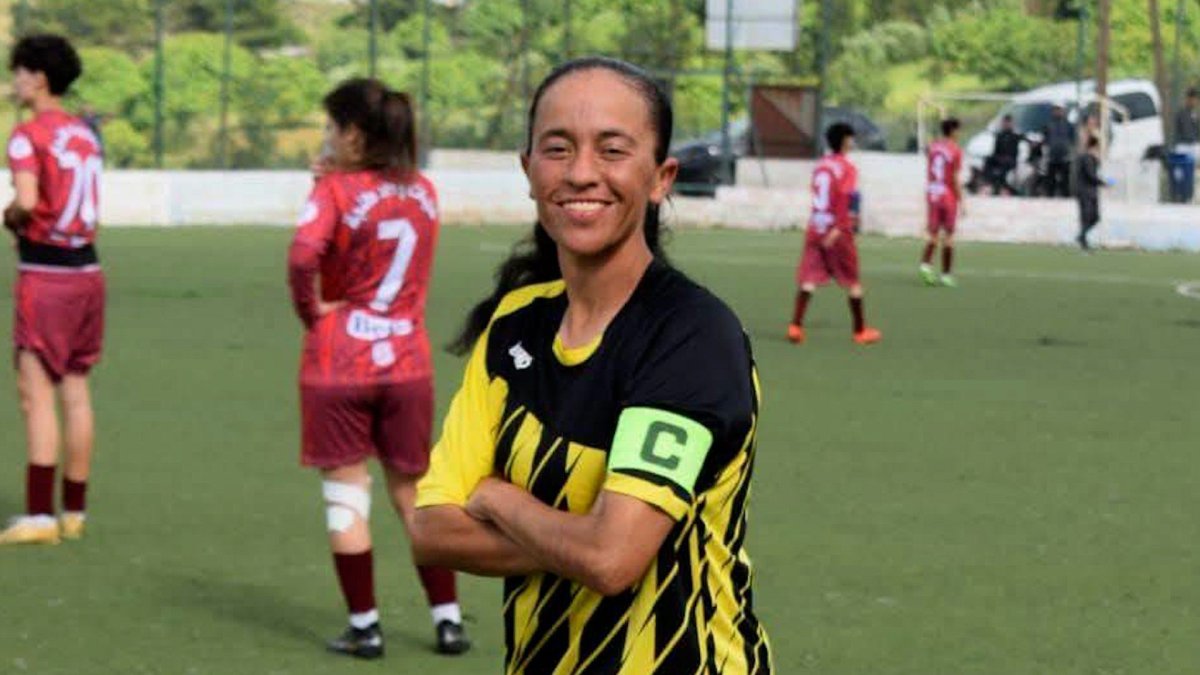
The Tragedy Itself
Faten Ben Omar El Azizi was 20 years old and a member of the Maghreb Atletico Tetuan women's team when she set out from Fnideq. She did not reach Ceuta. Her body was recovered among those washing ashore after the mass crossings that peaked around July 30.
Her family stated the Schengen visa approval arrived on the day she died. Hundreds of mourners gathered for her burial in recent days, marking the personal cost behind the numbers.
The 5km stretch of open Mediterranean water between Fnideq and Ceuta represents one of the most perilous short-distance crossings in the region, where strong currents and sudden weather shifts turn a seemingly manageable swim into a lethal gamble. Faten's case highlights how even approved Schengen visas arrive too late for those already in the water, underscoring the narrow window between hope and irreversible loss for young athletes from northern Morocco.
Ceuta's expanded morgue now holds 88 bodies, some recovered in advanced decomposition more than two weeks after the July 30 peak, a grim reminder that the official death toll of 72 undercounts the true human cost. Local authorities described the scene as a tragedy, with families across Tetouan and surrounding towns left to piece together final moments from fragments of news and community whispers.
This single loss ripples through Maghreb Atletico Tetuan's squad, where teammates now confront the reality that talent alone cannot guarantee safe passage to professional opportunities. The timing of her visa approval on the day she died adds a layer of cruel irony that football communities across Africa recognize all too well.
The Mass Crossing Crisis in Context
Over 60,000 people entered Ceuta in a single day at the peak of the crossings around July 30. Spain's Interior Ministry reported that approximately 25,000 people returned to Morocco voluntarily on Friday. The official Spanish death toll stands at 72, yet Ceuta authorities have recovered 88 bodies, with some in advanced decomposition arriving more than two weeks later.
Ceuta expanded its morgue capacity to 200 and currently holds 88 bodies. Ceuta President Juan Jesus Vivas described the deaths as a tragedy. Spain has since completed a 500-meter floating barrier at the Ceuta border.
Reports from El Pais indicate that deleted TikTok posts from anonymous accounts played a role in coordinating the mass movement, showing how social media can accelerate decisions with life-or-death consequences for entire communities. Morocco and Spain have since praised their joint efforts on managing returns, with Spanish officials calling Morocco's cooperation exemplary in the days following the peak crossings.
The floating barrier now stretches 500 meters along the Ceuta border, a physical symbol of tightened controls that does little to address the underlying economic pressures driving young people, including athletes, toward the water. Families in Fnideq continue to search shorelines for closure, while the voluntary return of roughly 25,000 people on Friday reveals the scale of immediate reversals after the initial surge.
These crossings expose the limits of short-term border measures when deeper regional inequalities remain unaddressed, leaving football clubs in northern Morocco to mourn members who saw Europe as the only viable next step in their careers.
The Football Community's Grief
Maghreb Atletico Tetuan issued a statement that Faten Ben Omar El Azizi was "not seeking fame or adventure, but a better life and a future across the border," adding that her dream was "shattered before it even began." The Moroccan Union of Professional Footballers, led by president Mustapha El Hadaoui, extended condolences to her family, teammates, Moghreb de Tanger, and the entire Moroccan football family.
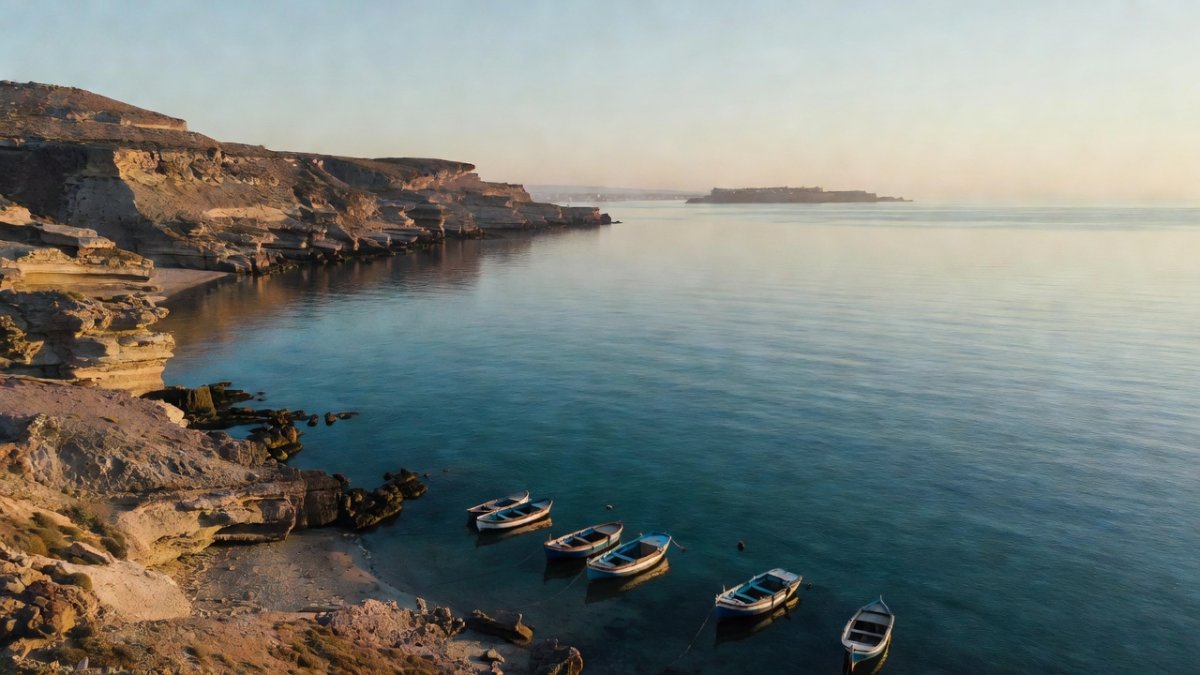
Mustapha El Hadaoui's public statement reached beyond Tetouan to include Moghreb de Tanger and the broader Moroccan football family, signaling how one player's death touches every level of the domestic game. Club officials emphasized that Faten sought stability rather than spotlight, a distinction that resonates with countless young women training in modest facilities across North Africa.
The Moroccan Union of Professional Footballers has called for greater awareness of safe migration channels, recognizing that many players view European leagues as the only route to professional contracts and financial security. Her former teammates at Maghreb Atletico Tetuan now train under the shadow of this loss, forced to balance grief with the ongoing demands of league play.
Condolences from across the Moroccan football community underscore the collective sense that Faten's potential, already recognized through her club career, represented a wider promise for women's football in the region that migration risks continue to threaten.
African Women's Football Context
Morocco's women's national team reached the Women's Africa Cup of Nations and became the first Arab or North African side to reach the knockout rounds at the 2023 Women's World Cup. Many players from across the continent still view European contracts as the clearest path to professional stability and higher competition levels.
The CAF Awards 2026 will take place in Lagos, Nigeria, an event that will again place the spotlight on the continent's top women's talents. The gap between domestic promise and overseas opportunity remains wide.
Morocco's historic run at the 2023 Women's World Cup and their hosting of the 2024 Women's Africa Cup of Nations have raised expectations for the Atlas Lionesses, yet the structural gap between domestic leagues and European opportunities persists for players outside the national team setup. European contracts continue to represent the clearest route to professional stability, medical support, and competitive minutes that local structures often cannot match.
The upcoming CAF Awards 2026 in Lagos will once again celebrate individual excellence, but the event also highlights how many talents never reach that stage because unsafe migration attempts cut careers short before they mature. Clubs and federations must confront the reality that ambition without verified pathways leaves players vulnerable to the same risks Faten faced.
Women's football across Africa continues to grow through grassroots programs, yet the pull of overseas moves remains intense for those who see limited domestic salaries and facilities as barriers to long-term careers.
The South African Perspective
South African fans know the same tension through Banyana Banyana's 2022 Women's Africa Cup of Nations triumph under Desiree Ellis and the steady flow of players such as Thembi Kgatlana and Andile Dlamini toward European leagues. SAFA and the MultiChoice Diski Challenge continue to build pathways at home, yet the pull of overseas moves remains strong for ambitious young women.
Transformation and grassroots work under SASCOC and the SA Sports Ministry gain urgency when stories like Faten's surface. Sport's role in national unity and social mobility carries extra weight when the alternative route to Europe turns fatal.
Banyana Banyana's 2022 Women's Africa Cup of Nations victory under Desiree Ellis demonstrated what sustained investment can achieve, with players like Thembi Kgatlana and Andile Dlamini securing moves to European leagues through structured development rather than desperate crossings. SAFA's partnership with the MultiChoice Diski Challenge has created visible domestic routes that keep talent inside the country longer.
SASCOC and the SA Sports Ministry continue to prioritize transformation and grassroots programs precisely because stories like Faten's reveal the human stakes when those pathways fall short. South African supporters understand that national pride and unity through sport depend on keeping young athletes alive and competing on safe pitches rather than in open water.
The contrast between verified overseas contracts earned through performance and the fatal risks taken by others forces every federation, including those in South Africa, to examine how they protect the next generation chasing the same professional dream.
Implications for Fans and the Sport
The human cost of migration dreams now sits inside African football's daily conversation. Clubs, federations, and agents carry responsibility to match ambition with safe, legal routes rather than leaving players to navigate dangerous crossings alone.
Football's social reach in townships, villages, and cities across the continent demands more than match-day inspiration. It requires structures that keep talent alive long enough to develop.
Clubs across the continent now face direct questions about how they guide young players toward verified contracts instead of leaving them to rely on informal networks that can lead to the Fnideq-Ceuta route. Federations must expand legal migration support programs if they hope to retain the talent that fuels national teams and domestic leagues.
The social power of football in South African townships and Moroccan coastal towns alike means the game carries responsibility beyond match days, requiring concrete investment in education, visas, and career planning that prevents another family from burying a 20-year-old athlete whose only mistake was believing Europe was reachable by any means necessary.
Fans across Africa recognize that the sport loses when its most determined talents never reach the professional stage they trained for, turning individual tragedies into collective calls for systemic change.
What to Watch For
Morocco-Spain migration diplomacy will shape the next phase of border management and player movement. Continued growth in African women's football will depend on how federations convert World Cup exposure into sustainable domestic leagues and verified overseas pathways.
The CAF calendar, including the 2026 Awards in Lagos, will test whether the continent can turn grief into coordinated action that protects the next generation of players chasing the same dream Faten Ben Omar El Azizi carried.
The loss of one young footballer from Maghreb Atletico Tetuan forces every South African supporter to ask how sport can better serve those who see it as the only exit from limited options. The game loses when its brightest talents never reach the pitch they trained to play on.
Diplomatic cooperation between Morocco and Spain on returns offers a model that could extend to player mobility frameworks, yet federations must still build domestic leagues capable of retaining talent long enough for safe transitions. The 2026 CAF Awards in Lagos will serve as a public test of whether continental bodies can translate World Cup visibility into tangible protections.
South African fans watching Banyana Banyana's continued progress will see parallels in the need for stronger grassroots-to-professional pipelines, ensuring that stories of shattered dreams give way to verified success on the pitch rather than in morgues far from home.
By Dante Williams, Staff WriterThis article was produced with AI-assisted research and editorial support. Reporting is based on sources cited in the article.
What's Your Reaction?
 Like
0
Like
0
 Dislike
0
Dislike
0
 Love
0
Love
0
 Funny
0
Funny
0
 Wow
0
Wow
0
 Sad
0
Sad
0
 Angry
0
Angry
0

Breaking News and Investigations Correspondent at Global1.News. Based in London, covering global breaking news, security, and investigative stories. Known for digging deeper and connecting the dots across continents.











Comments (0)