
Kanpur's Expired Chocolate Dump Sparks Food Safety Fears
In a disturbing display of public health vulnerability, a viral video from Kanpur, Uttar Pradesh, has captured a crowd scrambling to collect boxes of chocolates and toffees discarded by a factory after their expiry date. The incident, which occurred in the Panki Industrial Area, underscores a critical gap in India's food safety enforcement and public awareness, raising urgent questions about how expired products are disposed of and the risks they pose to unsuspecting consumers.
In a disturbing display of public health vulnerability, a viral video from Kanpur, Uttar Pradesh, has captured a crowd scrambling to collect boxes of chocolates and toffees discarded by a factory after their expiry date. The incident, which occurred in the Panki Industrial Area, underscores a critical gap in India's food safety enforcement and public awareness, raising urgent questions about how expired products are disposed of and the risks they pose to unsuspecting consumers.
Kanpur's Expired Chocolate Dump: A Public Health Time Bomb and the Regulatory Gaps That Allowed It
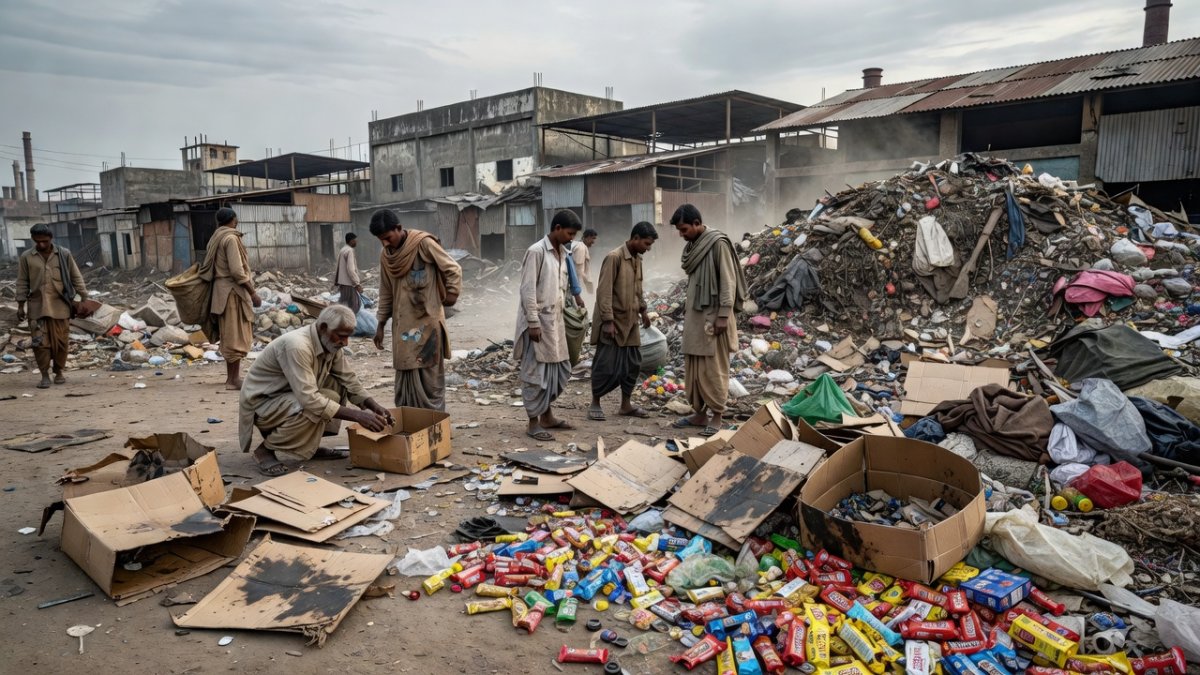
Kanpur, Uttar Pradesh – August 25, 2026 — A video that went viral on August 25, 2026, shows dozens of residents in Kanpur's Panki Industrial Area rushing to collect boxes of chocolates and toffees that had been dumped by a factory after their expiry date. The footage, reportedly recorded four days prior, reveals a crowd filling bags, sacks, and cartons with the discarded confectionery, many without checking the packaging details. When the person who filmed the video inspected the products, he found they had expired in 2024—a full two years prior—and his warnings to the crowd were ignored. Local reports claimed the chocolates had expired in 2024, though authorities have not yet independently verified these claims, and official confirmation of the incident remains awaited.
The Incident: A Truck, a Dump Site, and a Rush for Free Chocolate
The sequence of events, as pieced together from the viral video and the recorder's account, paints a stark picture of food safety failure. A truck loaded with chocolates arrived at a dumping site in the Panki Industrial Area, and within minutes, several boxes were unceremoniously dumped. The crowd, seemingly unaware or unconcerned about the potential health hazards, immediately descended upon the pile. The person who recorded the video said he was passing through the industrial area when he witnessed the scene, and his attempts to warn the crowd about the 2024 expiry date were met with indifference.
This incident is not an isolated anomaly but a symptom of a broader systemic issue. The Free Press Journal noted that the biggest concern is that products reportedly considered unfit for sale may find their way back into circulation, either through direct consumption or through informal resale channels. The fact that the chocolates had expired in 2024—potentially up to 24 months before the dumping—amplifies the risk, as the degradation of food products accelerates significantly beyond their stated shelf life. As of now, the Uttar Pradesh Food Safety and Drug Administration (FSDA) has not issued an official statement, and the factory responsible for the dump has not been identified, leaving a critical gap in accountability.
What Expired Chocolate Does to the Body
The health risks associated with consuming expired chocolate are not trivial, particularly when the product is two years past its expiry date. The primary concern is the potential growth of mold or bacteria, which can lead to food poisoning. Symptoms such as nausea, vomiting, diarrhea, and abdominal cramps can manifest within hours of consumption, and in severe cases, may require hospitalization. For vulnerable populations—children, the elderly, pregnant women, and immunocompromised individuals—the consequences can be far more severe, potentially leading to dehydration, organ stress, or secondary infections.
Beyond microbial contamination, expired chocolate poses chemical risks. The fats in chocolate can become rancid over time, producing off-flavors and compounds that, while not immediately toxic, can cause gastrointestinal distress. More concerning is the risk of mycotoxin contamination, specifically aflatoxins, which are known carcinogens that can develop in cocoa products stored improperly. The World Health Organization has long flagged aflatoxin exposure as a significant public health concern in tropical climates, where heat and humidity accelerate fungal growth. Consuming such contaminated products, even in small quantities, can contribute to long-term health risks, including liver damage. The fact that the crowd in Kanpur consumed these products without checking the packaging means they have unknowingly exposed themselves to these hazards.
The Regulatory Backdrop: FSSAI Rules on Expired Food
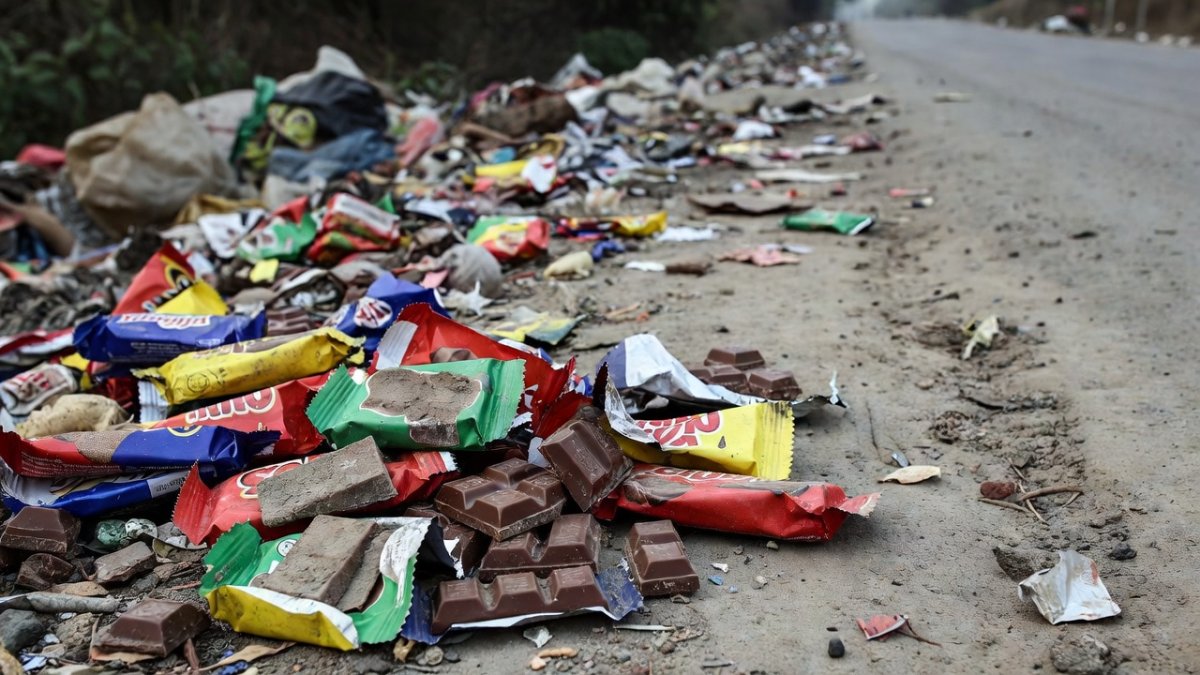
India's food safety framework, governed by the Food Safety and Standards Authority of India (FSSAI), has clear provisions for the handling of expired food products, yet enforcement remains a persistent challenge. The FSSAI has issued advisories explicitly prohibiting the dumping of seized or expired food products, including their packaging, in rivers, lakes, or open land. This directive came after multiple reports of rejected or expired food being dumped in open areas, creating contamination risks for soil, water, and public health. The Kanpur incident directly violates this advisory, highlighting a disconnect between regulation and on-ground reality.
The regulatory obligations extend beyond disposal. Under the Food Safety and Standards Act, 2006, specifically Sections 26 and 27, and the FSS (Licensing and Registration of Food Business) Regulations, 2011, Food Business Operators (FBOs) are required to ensure food safety by segregating and properly storing rejected, recalled, or expired products. Additionally, FSSAI mandates quarterly reporting on rejected and expired food items by licensed manufacturers, importers, repackers, and relabellers through its Food Safety and Compliance System (FoSCoS). This reporting mechanism is designed to track the volume of waste and ensure it is disposed of in an environmentally safe manner. In January 2026, FSSAI updated its enforcement guidelines for expired and near-expiry food products, signaling a push toward stricter oversight. Furthermore, in late August 2026, FSSAI issued 150 notices to major food and beverage companies, including Nestle, PepsiCo, and Coca-Cola, over advertising and label claims, demonstrating a heightened regulatory posture. Yet, the Kanpur incident suggests that these measures have not yet translated into robust local enforcement.
What This Means for India
The Kanpur chocolate dump is a microcosm of India's broader food safety challenges. It reveals a critical gap in the supply chain where expired products, instead of being systematically destroyed, are being disposed of in ways that allow them to re-enter the informal economy. The crowd's eagerness to collect the chocolates, despite the obvious risk, underscores a lack of consumer awareness about the dangers of expired food. This is particularly concerning in a country where food insecurity drives people to salvage discarded items, often prioritizing immediate need over long-term health.
For the Uttar Pradesh FSDA, this incident is a test of its enforcement capabilities. The state agency, operating under the FSS Act framework, is responsible for conducting inspections and ensuring compliance with food safety standards. The fact that a factory in the Panki Industrial Area could dump expired products in an open area without immediate detection suggests that surveillance and inspection mechanisms are either under-resourced or not being effectively deployed. The economic angle is equally significant: proper disposal of expired food—through incineration, composting, or industrial waste treatment—incurs costs that some FBOs may seek to avoid, leading to illegal dumping. This cost-cutting behavior, while saving money for the factory, imposes a public health burden on the community and a cleanup burden on local authorities.
Expert Perspectives
Public health experts and food safety professionals have long warned about the dangers of improper disposal of expired food products. Food safety experts emphasize that the segregation and proper storage of rejected products, as mandated by FSSAI, are not merely bureaucratic formalities but essential steps to prevent contamination and protect public health. The failure to comply with these regulations, as seen in Kanpur, represents a systemic breakdown that requires both stricter penalties and more frequent inspections. Doctors and nutritionists echo these concerns, noting that the consumption of expired confectionery, particularly by children who are often drawn to sweets, can lead to acute foodborne illness and, in cases of mycotoxin exposure, chronic health issues.
The general consensus among public health guidance is clear: expired food products, especially those past their expiry date by a significant margin, should never be consumed. The risks of mold, bacterial growth, and chemical degradation far outweigh any perceived benefit of salvaging the product. For the residents of Kanpur who collected these chocolates, the immediate advice is to discard them immediately and monitor for any symptoms of food poisoning. For the broader public, this incident serves as a stark reminder to always check expiry dates and to be wary of products sold at steep discounts or in informal settings, as they may be sourced from expired stock.
The Bottom Line
The Kanpur expired chocolate dump is more than a viral video; it is a data point in India's ongoing struggle to enforce food safety regulations. The incident highlights the urgent need for FSSAI and state agencies like the UP FSDA to strengthen oversight of industrial waste disposal, particularly for food products. It also underscores the importance of public education on the risks of consuming expired food, a message that clearly did not reach the crowd in Panki. As FSSAI continues to tighten its enforcement framework, including the 150 notices issued to major food companies in late August 2026, the focus must now shift to ensuring that such regulations are implemented at the local level, where the real risks to public health materialize.
For Indian citizens, the takeaway is twofold: vigilance in checking product labels and expiry dates, and a broader demand for accountability from food businesses. The factory that dumped these chocolates has, so far, escaped identification and sanction, but the incident has put a spotlight on the need for transparent and safe disposal practices. As the investigation into the Kanpur incident continues, one thing is certain—the cost of improper food waste disposal is not borne by the factory alone, but by the public health system and the unsuspecting consumers who pay the price. The question now is whether regulators will act decisively to prevent the next such incident, or whether this will remain another cautionary tale in India's food safety journey.
— By Dr. Raj Patel, Staff Writer
This article was produced with AI-assisted research and editorial support. Reporting is based on sources cited in the article.
What's Your Reaction?
 Like
0
Like
0
 Dislike
0
Dislike
0
 Love
0
Love
0
 Funny
0
Funny
0
 Wow
0
Wow
0
 Sad
0
Sad
0
 Angry
0
Angry
0

India/South Asia Correspondent at Global1.News. Analytical voice with a background in science and health journalism. Based in New Delhi, covering Indian politics, education, healthcare, technology, and policy. Breaks down complex data into clear, actionable reporting.















Comments (0)