
Japan's Defence Minister Rebuts 'New Militarism' Claims at Shangri-La Dialogue
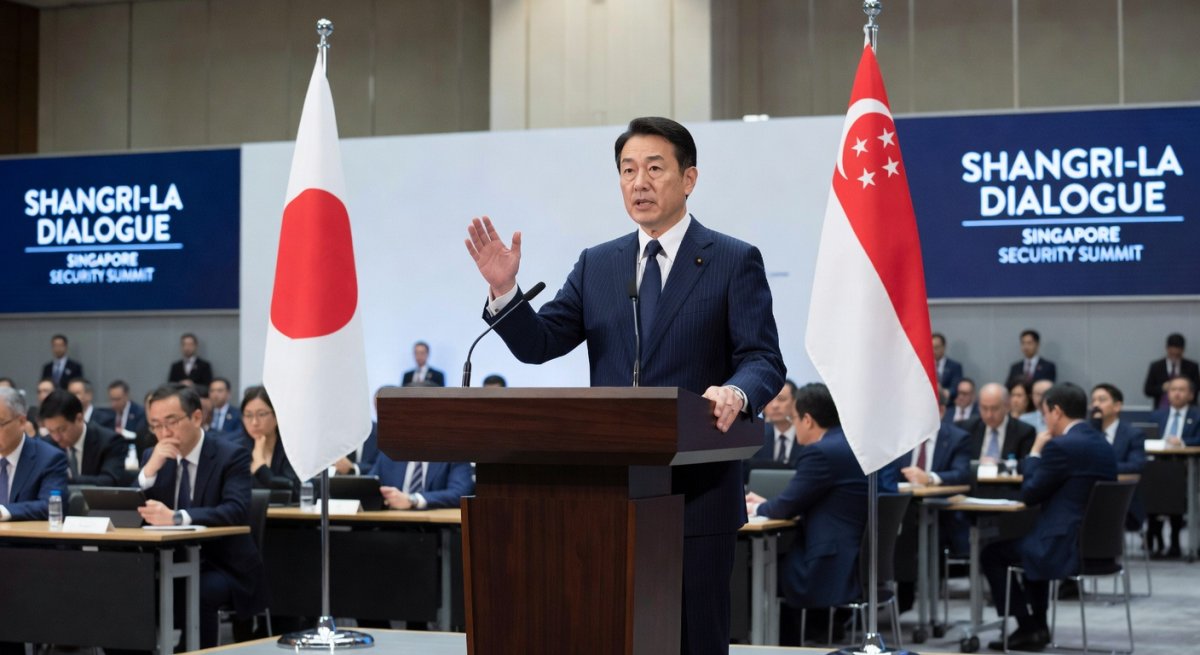
The Shangri-La Dialogue Exchange At the recent defense summit in Singapore, Japan's defense minister Shinjiro Koizumi directly countered statements from China's national defence ministry spokesman Jiang Bin. Koizumi described Beijing's accusations of Japanese "new militarism" as inaccurate, pointing instead to China's substantial military capabilities as a source of internation
The Shangri-La Dialogue Exchange
At the recent defense summit in Singapore, Japan's defense minister Shinjiro Koizumi directly countered statements from China's national defence ministry spokesman Jiang Bin. Koizumi described Beijing's accusations of Japanese "new militarism" as inaccurate, pointing instead to China's substantial military capabilities as a source of international concern. This exchange at the Shangri-La Dialogue highlighted ongoing verbal confrontations between the two nations over defense developments.
Japan's Defense Budget and Policy Adjustments
Under Prime Minister Sanae Takaichi, Japan has approved defense spending exceeding 9 trillion yen for the current fiscal period. The country has recorded consecutive annual increases in military allocations for twelve years, with plans to acquire surface-to-ship missiles and unmanned drones. These measures align with efforts to approach a two percent GDP target for defense expenditures while maintaining stated commitments to transparency in regional forums.
China's Position on Japanese Military Developments
China's national defence ministry has characterized Japan's actions as a gathering "grey rhino of a remilitarised Japan," urging collective international measures to address perceived neo-militarism. Beijing has linked these concerns to Japan's historical wartime conduct and recent policy shifts, including relaxed guidelines on arms exports and discussions around constitutional revisions to Article 9.
Historical Context in Bilateral Relations
Longstanding frictions between China and Japan originate from events during World War Two, including Japan's invasion of China. These historical elements resurfaced during the Singapore summit when a Chinese military representative inquired about potential apologies to affected nations. Koizumi responded by redirecting attention to current Chinese military expansion without sufficient transparency, rather than addressing the query directly.
Implications for East Asian Regional Security
The verbal exchanges at the Shangri-La Dialogue reflect deeper strategic competition in the region. Japan's stated readiness to consider self-defense measures in scenarios involving Taiwan has drawn criticism from Beijing, contributing to heightened diplomatic strains. Domestic protests in Japan against these policy directions indicate internal divisions that could influence the pace of military adjustments.
Broader Geopolitical Ramifications
Such developments carry consequences for stability across East Asia, particularly as both nations navigate overlapping security interests. Japan's emphasis on updating defenses to address new challenges occurs alongside China's continued increases in military capabilities. Observers note that sustained dialogue mechanisms will remain essential to managing these tensions without escalation.
By Prof. Marcus Chen, Staff WriterThis article was produced with AI-assisted research and editorial support. Reporting is based on sources cited in the article.
What's Your Reaction?
 Like
0
Like
0
 Dislike
0
Dislike
0
 Love
0
Love
0
 Funny
0
Funny
0
 Wow
0
Wow
0
 Sad
0
Sad
0
 Angry
0
Angry
0

World Politics Analyst at Global1.News. Based in Beijing, covering US-China relations, global trade, and geopolitical strategy. Brings deep analytical perspective to the power dynamics shaping international affairs.













Comments (0)