
Israeli Strike Kills Four-Year-Old in Gaza's al-Zawayda
An Israeli air strike on the town of al-Zawayda in central Gaza killed two Palestinians, including four-year-old Muhammad Abdel-Salam Taha, as strikes across the enclave continued despite the October 2025 ceasefire.
In a recent Middle East Eye report, the aftermath of an Israeli strike in al-Zuwayda, central Gaza, was documented, showing the death of a four-year-old child, Muhammad Abdel-Salam Taha, who was struck by shrapnel and later succumbed to his injuries in hospital. The strike, one of several across the Gaza Strip on Sunday, has once again cast a stark light on the fragile reality of the ceasefire that has been in place since October 2025. As the Israeli military issued warnings before the attack, the human cost of continued operations raises urgent questions about the protection of civilians under international law.
Gaza's Ceasefire Fractures as Child Killed in Central Strike
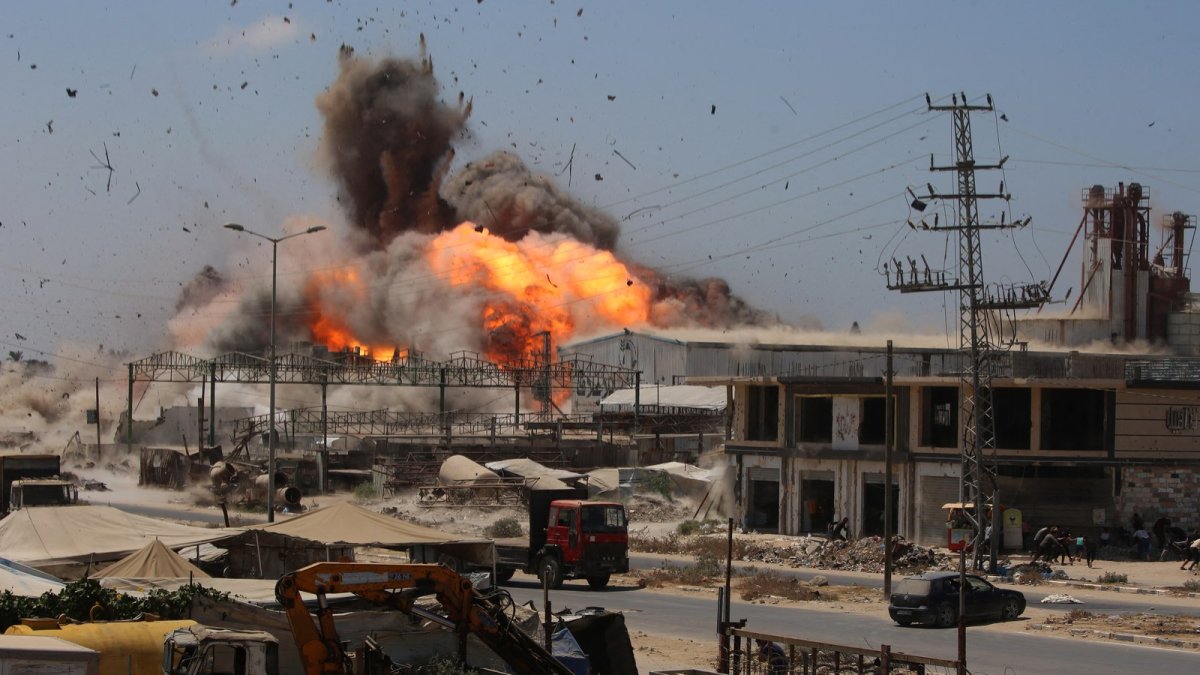
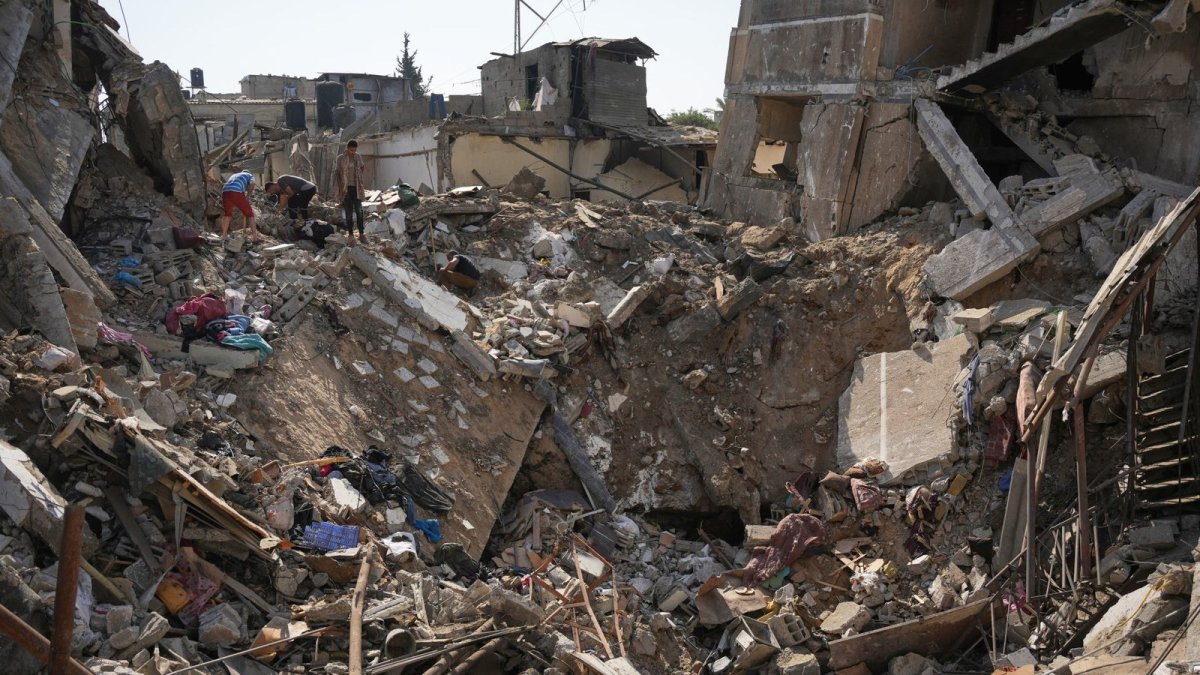
Gaza City, Occupied Palestinian Territories – 23 August 2026 — The town of al-Zuwayda, a cluster of residential blocks and warehouses in the central Gaza Strip, became the site of another tragedy on Sunday. According to Gaza's Civil Defence rescue service, an Israeli air attack killed two Palestinians, including four-year-old Muhammad Abdel-Salam Taha, and wounded several others. The strike, which residents said was preceded by an Israeli army warning to building owners to evacuate, reduced the structure to what witnesses described as "a pile of mangled steel and concrete." The child, hit by flying debris and shrapnel that spread for dozens of metres, was pronounced dead at Al-Aqsa Martyrs Hospital in Deir el-Balah, where the two killed and several wounded were taken.
A Warning, Then a Strike: The Reality of 'Precision' Warfare
The Israeli military said it was looking into the al-Zuwayda and Nuseirat strikes, a standard response that has done little to assuage the fears of residents. Abu Ahmed, a displaced Palestinian sheltering close to the building, told reporters: "There is no ceasefire, there is nothing... We want solutions, we want to live in peace." His words echo a broader sentiment across the enclave, where the U.S.-backed ceasefire that took effect in October 2025 has halted major fighting but failed to stop daily incursions, drone attacks, and artillery fire. The strike in al-Zuwayda, which WAFA, the official Palestinian news agency, reported targeted a warehouse, left six others wounded, several seriously, according to Civil Defence.
The use of advance warnings, while presented as a measure to reduce civilian harm, has become a grim ritual. Residents are told to leave, but with nowhere to go and little time, the warnings often prove insufficient. In this case, the shrapnel that killed young Muhammad spread over a wide area, striking those who had not left or who were sheltering nearby. The incident underscores a persistent pattern: even when the Israeli army issues warnings, the dense urban environment of Gaza means that civilian casualties remain a near-inevitable outcome of such strikes.
Sunday's Toll: Multiple Strikes Across the Enclave
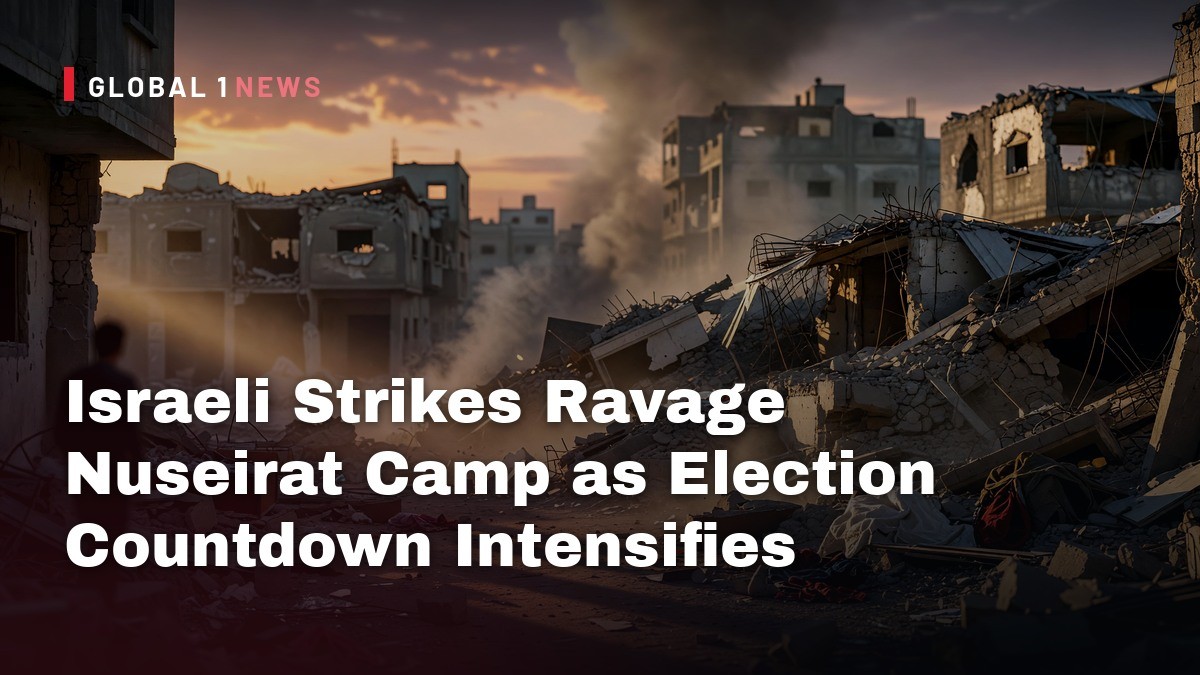
Sunday's violence was not confined to al-Zuwayda. In the nearby Nuseirat refugee camp, northeast of Deir el-Balah, a separate Israeli strike killed one Palestinian, bringing the central Gaza death toll to at least three. Further south, Israeli drone strikes in Khan Younis wounded seven people, who were transferred to Nasser Hospital, according to Al Jazeera's Maram Humaid. In al-Shujaiyya, east of Gaza City, an Israeli quadcopter attack wounded several people, including 33-year-old journalist Ezz el-Din al-Batsh, who was taken to al-Ahli Hospital. A separate strike near the Maghazi refugee camp along Salah al-Din Street killed one Palestinian and wounded two others, per WAFA.
The targeting of a journalist, once again, raises alarms about the safety of media workers in the Strip. Ezz el-Din al-Batsh is the latest in a long line of Palestinian journalists who have been killed or injured while documenting the war. According to the Committee to Protect Journalists, Gaza has become one of the deadliest places for journalists in recent history, with dozens killed since October 2023. The Israeli military has not publicly addressed the al-Shujaiyya attack, but the pattern of quadcopter strikes, which are often used for surveillance and targeted strikes, has been a persistent threat to civilians and first responders alike.
The Ceasefire's Fragile Architecture
The October 2025 ceasefire, brokered with U.S. support, was hailed as a turning point in the conflict. It halted major combat operations. Yet, more than 1,280 Palestinians have been killed in Gaza since the ceasefire took effect, according to Gaza's Ministry of Health, which Al Jazeera cites at 1,286. Israel says four of its soldiers have been killed in the same period. The disparity in casualties has fueled accusations from Hamas and human rights groups that Israel is using the ceasefire as a cover for continued military operations, while Israel maintains it is acting in self-defense against militant threats.
On Saturday, Israel struck and killed senior Hamas militant Sharif Al-Hasnat in Deir al-Balah, saying he was leading efforts to restore Hamas' "underground infrastructure." The killing came a day before Israel's Sunday warning, and after a situation assessment, after a situation assessment, Israel warned Hamas that it would intensify strikes and order civilians to evacuate areas if launches of balloons, drones, and kites from Gaza toward Israel did not stop immediately, per Prime Minister Benjamin Netanyahu's office. The warning, delivered in stark terms, suggests that the ceasefire's future is increasingly uncertain.
Kites, Balloons, and the Language of Escalation
The Israeli warning specifically referenced the launch of balloons, drones, and kites from Gaza, a tactic that has been used sporadically since 2018 to protest the blockade and, at times, to carry incendiary devices. Senior Hamas official Basem Naim dismissed the warning on X, writing that children launch the kites "in search of their innocent childhood amid the rubble." His response highlights the symbolic weight of these actions, which are often carried out by young Palestinians in a desperate attempt to reclaim a semblance of normalcy. For Israel, however, these launches are treated as security threats, and the military has repeatedly responded with strikes.
The kite and balloon launches have become a flashpoint in the fragile ceasefire. While they rarely cause significant damage, they provide Israel with a justification for continued military action. Human rights organizations have argued that the response is disproportionate, and that the use of live fire against those launching kites, often children, violates international law. The United Nations has repeatedly called for restraint on both sides, but the cycle of provocation and retaliation shows no signs of abating.
West Bank: A Parallel Crisis
While Gaza dominates the headlines, the West Bank is experiencing its own surge of violence. On Sunday, a 14-year-old Palestinian boy, Islam Ajjouri, was shot dead in the chest during an Israeli raid on Askar refugee camp near Nablus, according to Reuters and Al Jazeera, quoting a medical source. The Israeli military said it was looking into the incident. The killing of a child in the West Bank, where Israeli raids have become a near-daily occurrence, has drawn condemnation from Palestinian officials and human rights groups. Separately, an Israeli man was stabbed and wounded by a suspect believed to be a Palestinian man near Jericho, adding to the cycle of violence.
Settler violence continues unabated. The siege of Qusra, south of Nablus, entered its 15th consecutive day, with Israeli forces sealing the entrance to the village. In al-Mughayyir, northeast of Ramallah, Israeli forces sealed the village entrance, and in al-Maniya, east of Bethlehem, settlers uprooted olive and grape plantations. These actions, which human rights groups describe as part of a systematic effort to displace Palestinian communities, have been condemned by the international community but have not led to any meaningful change in Israeli policy. The ICJ's advisory opinion on the occupation, which declared it unlawful, remains a central legal reference, but its implementation is far from realized.
Analysis: The Unfinished Business of International Law
The events of Sunday, from the killing of a four-year-old in al-Zuwayda to the shooting of a teenager in Askar camp, underscore a grim reality: the ceasefire has not brought peace, and the protections afforded by international law remain theoretical for many Palestinians. The ICJ's findings on the occupation, which include the illegality of Israeli settlements and the need for reparations, have not been enforced. The International Criminal Court has issued arrest warrants related to the conflict, though none have been enforced, and the United States, Israel's closest ally, has continued to shield it from meaningful accountability at the Security Council.
For the people on the ground, the legal debates are abstract. What is concrete is the fear of another strike, the sight of another child's body being pulled from the rubble, and the knowledge that the world is watching but not acting. The warning from Israel to Hamas, and the dismissive response from Hamas, suggests that the ceasefire is on borrowed time. If the launches of kites and balloons continue, and if Israel follows through on its threat to intensify strikes, the region could slide back into full-scale war. The humanitarian situation in Gaza, already dire, would become catastrophic.
As the sun set on Sunday, the people of al-Zuwayda were left to bury their dead. The four-year-old Muhammad Abdel-Salam Taha was laid to rest, another name added to a list that has grown too long. His death, like so many before, was met with statements of regret from international actors and calls for restraint. But for the residents of Gaza, the words ring hollow. They are not asking for sympathy; they are asking for a future. As Abu Ahmed said, "We want solutions, we want to live in peace." Until the international community moves beyond statements and towards action, that peace will remain elusive, and the children of Gaza will continue to pay the price.
By Fatima Al-Rashid, Staff Writer
This article was produced with AI-assisted research and editorial support. Reporting is based on sources cited in the article.
What's Your Reaction?
 Like
0
Like
0
 Dislike
0
Dislike
0
 Love
0
Love
0
 Funny
0
Funny
0
 Wow
0
Wow
0
 Sad
0
Sad
0
 Angry
0
Angry
0
Gulf/MENA Correspondent at Global1.News. Based in Doha, covering Gulf politics, energy markets, diplomacy, and development across the Middle East and North Africa. Tracks the economic transformation of the Gulf states.










Comments (0)