
Israeli settler seen abusing 5 Palestinian children in Hebron
On Sunday evening a video emerged that starkly illustrates the daily reality of occupation for Palestinian families in the Hebron governorate. He points his weapon directly at five Palestinian children, whose faces register fear and confusion.
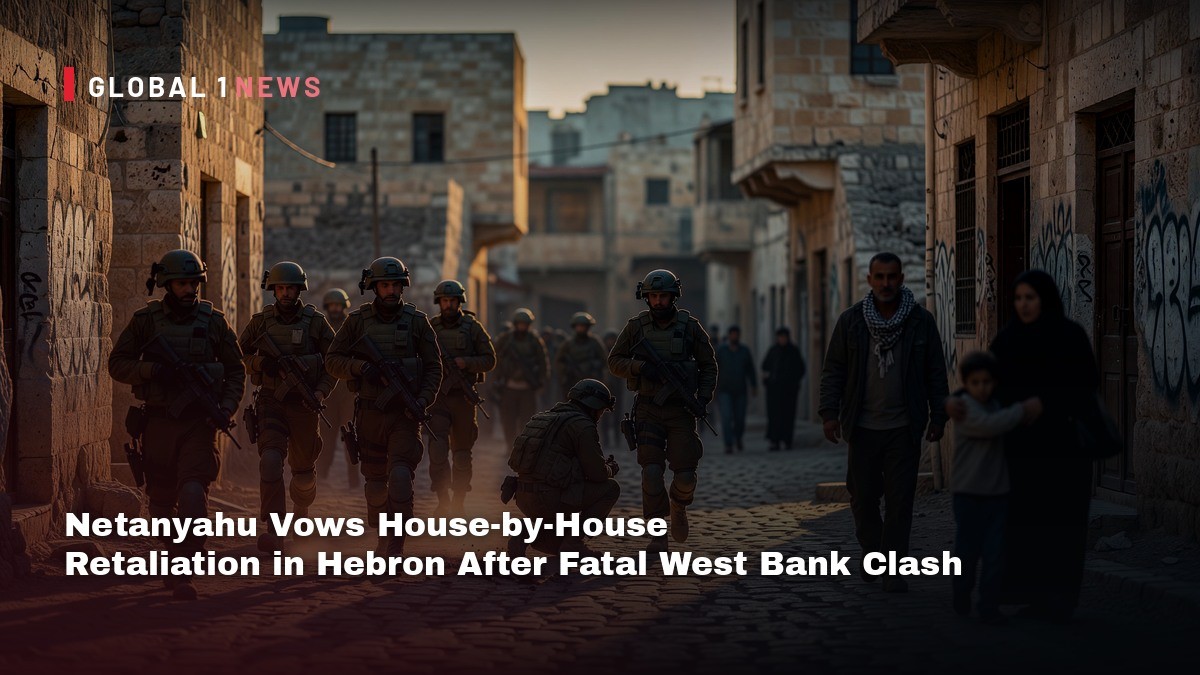
On Sunday evening a video emerged that starkly illustrates the daily reality of occupation for Palestinian families in the Hebron governorate. The footage, broadcast by the state‑owned Palestine TV, shows an armed Israeli settler standing beside a Palestinian home in Beit Ummar, pointing his weapon at five children, shouting commands and forcing the youngsters to raise their hands. The settler’s intimidation of the children follows a broader pattern of settler aggression that has intensified throughout 2026, underscoring the human cost of a conflict that is increasingly defined by the daily exposure of civilians—especially children—to armed intimidation and violence.
Witnessing the Abuse: What the Video Reveals
The video captures a chilling scene: a settler, armed and visibly aggressive, approaches a modest dwelling in Beit Ummar. He points his weapon directly at five Palestinian children, whose faces register fear and confusion. The settler shouts at them, demanding that they raise their hands in a forced gesture of surrender. The children comply, their small bodies trembling under the weight of the threat. The camera stays focused on the exchange, offering no commentary, yet the visual evidence is unmistakable—an armed individual using intimidation tactics against minors.
Palestine TV’s description of the incident adds context, noting that the settler had earlier threatened and detained a group of young men in the same village. While the video does not capture the earlier confrontation, the two incidents together illustrate a coordinated pattern of intimidation aimed at the entire community, not just isolated individuals. The absence of any immediate comment from Israeli authorities leaves the incident shrouded in impunity, reinforcing the sense that such actions often go unchecked.
The Broader Landscape of Settler Violence in 2026
August 2026 alone saw a staggering 628 attacks carried out by Israeli settlers across the occupied West Bank, including East Jerusalem, according to data from the Palestinian Colonization and Wall Resistance Commission. These figures, compiled from reports across the territory, indicate a sharp escalation in settler‑initiated violence. The attacks range from property damage and arson to physical assaults, and they frequently target civilian populations, disrupting daily life and eroding the sense of security for Palestinians.
The prevalence of such attacks is not an isolated phenomenon. In June 2026, fourteen UN special rapporteurs issued a warning about the “sharp rise in settler violence,” emphasizing that the support and complicity of the Israeli state in the occupied territories pose an existential threat to Palestinian communities. Their collective voice underscores the international legal dimension of the crisis: the systematic targeting of civilians, especially children, contravenes core tenets of international humanitarian law and the rights of children under the Convention on the Rights of the Child.
Human Impact: Children Caught in the Crossfire
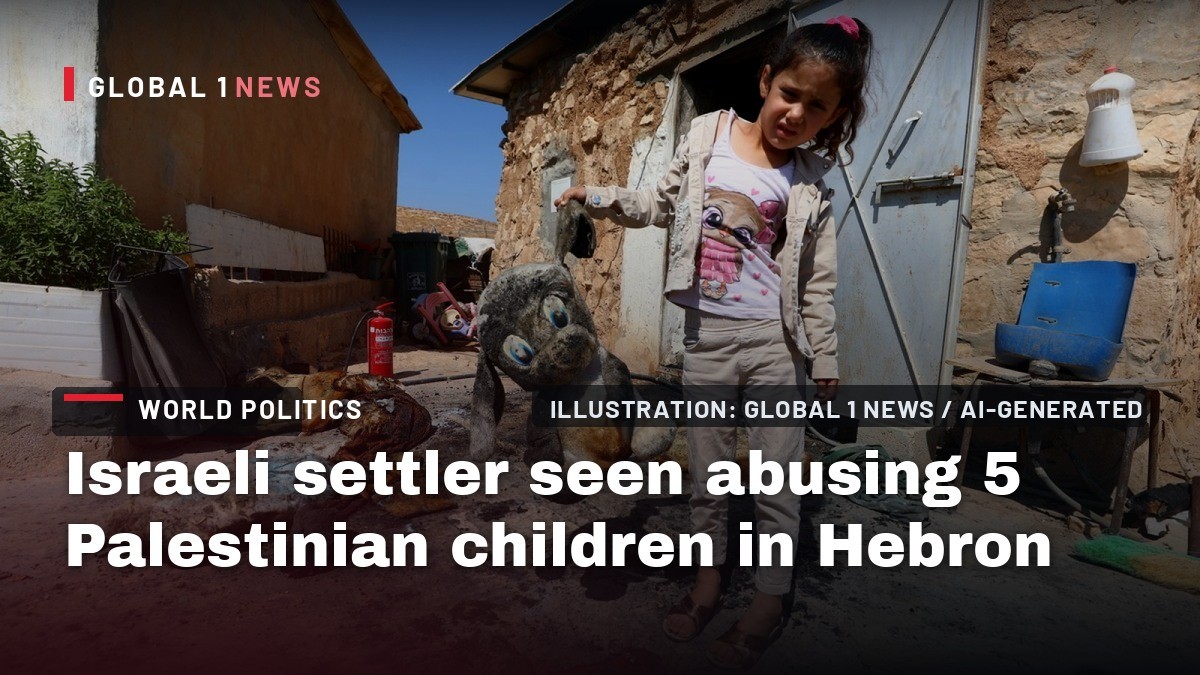
The image of a Palestinian girl clutching a burned stuffed toy outside a damaged home in the Khirbet al‑Tuba community, captured by Wisam Hashlamoun of Anadolu Agency on 6 August 2026, epitomizes the trauma endured by the youngest victims. The toy, singed by fire, symbolizes the loss of innocence and the pervasive sense of insecurity that pervades daily life. Such scenes are not isolated; they reflect a broader reality where children routinely witness or become direct targets of settler aggression.
Beyond the immediate fear, the psychological toll on children who experience such intimidation can be profound. Exposure to armed threats can lead to chronic anxiety, sleep disturbances, and long‑term emotional distress. When a child is forced to raise their hands under the barrel of a weapon, the act imprints a memory of powerlessness that can shape their perception of safety and justice for years to come.
Settler Demography and the Scale of Occupation
Official Palestinian data estimates that about 750,000 Israeli settlers reside in 194 settlements and 400 outposts across the occupied West Bank, including East Jerusalem. This demographic reality underscores the extensive footprint of settlement activity, which is widely regarded as illegal under international law, particularly the Fourth Geneva Convention’s prohibition on the transfer of an occupying power’s civilian population into occupied territory.
The sheer number of settlers and the proliferation of outposts create a dense network of civilian presence that is often accompanied by armed militias and security forces loyal to the settlement enterprise. This environment facilitates a climate where settlers feel emboldened to act with impunity, as illustrated by the recent incident in Beit Ummar. The presence of a settler armed and openly threatening children reflects a broader strategy of intimidation that seeks to assert dominance over Palestinian land and populations.
International Legal Context and Accountability Gaps
The actions captured in the video raise serious questions under international humanitarian law. The deliberate targeting of civilians, especially minors, constitutes a breach of the protections afforded to non‑combatants. Moreover, the use of a firearm to intimidate children can be interpreted as a form of collective punishment, which is expressly prohibited.
Despite these legal frameworks, the lack of an immediate response from Israeli authorities highlights a persistent accountability gap. The international community, including UN mechanisms and human‑rights bodies, has repeatedly called for thorough investigations and prosecutions of settler violence. Yet the pattern of delayed or absent official statements, as seen after the Beit Ummar incident, suggests a reluctance to confront the issue head‑on, thereby perpetuating a cycle of impunity.
Human Rights Advocacy and the Path Forward
Human‑rights organizations have long documented the impact of settler violence on Palestinian communities. The recent surge in attacks, as reported by the Palestinian Colonization and Wall Resistance Commission, reinforces the urgency of renewed advocacy. Civil‑society groups are calling for stronger protective measures, including the deployment of neutral observers and the enforcement of existing legal obligations by the Israeli state.
In addition to external pressure, there is a pressing need for internal mechanisms that can swiftly address incidents like the one in Beit Ummar. This includes establishing transparent investigative procedures, ensuring that perpetrators are held accountable, and providing reparations to victims. Without such steps, the trauma inflicted on children and families will continue to fester, deepening the humanitarian crisis in the occupied West Bank.
Conclusion: The Human Cost Behind the Numbers
The video from Beit Ummar is more than a fleeting clip; it is a stark reminder that behind every statistic on settler attacks lies a human story marked by fear, loss, and resilience. The image of five children forced to raise their hands under the threat of a weapon encapsulates the daily reality of occupation for many Palestinian families. As the year 2026 unfolds, the international community must translate its legal obligations and moral concerns into concrete actions that protect civilians, hold perpetrators accountable, and ultimately address the root causes of settler‑driven violence.
Only by centering the lived experiences of those most vulnerable—children, families, and whole communities—can a just and lasting solution be envisioned. The world must not allow the image of a burned stuffed toy or a child’s trembling hands to fade into the background of statistics; they must serve as a catalyst for renewed commitment to human rights, international law, and the dignity of all peoples living under occupation.
This article was produced with AI-assisted research and editorial support. Reporting is based on the source material cited below. Sources: Middle East Monitor; middleeastmonitor.com; Global1.News (14 September 2026).
By Fatima Al-Rashid, Staff Writer
What's Your Reaction?
 Like
0
Like
0
 Dislike
0
Dislike
0
 Love
0
Love
0
 Funny
0
Funny
0
 Wow
0
Wow
0
 Sad
0
Sad
0
 Angry
0
Angry
0
Gulf/MENA Correspondent at Global1.News. Based in Doha, covering Gulf politics, energy markets, diplomacy, and development across the Middle East and North Africa. Tracks the economic transformation of the Gulf states.










Comments (0)