
Israel-Lebanon Talks Resume in Rome as Beirut Marks 6 Years
In a recent i24NEWS English report, the United States confirmed that Israel and Lebanon will resume their next round of US-mediated talks in Rome from August 4 through 6, 2026, coinciding with the sixth anniversary of the Beirut port explosion. The discussions center on expanding pilot zones in southern Lebanon and advancing the full framework agreement reached after the March 2 outbreak of war between Israel and Hezbollah.
In a recent i24NEWS English report, the United States confirmed that Israel and Lebanon will resume their next round of US-mediated talks in Rome from August 4 through 6, 2026, coinciding with the sixth anniversary of the Beirut port explosion. The discussions center on expanding pilot zones in southern Lebanon and advancing the full framework agreement reached after the March 2 outbreak of war between Israel and Hezbollah. Italian Foreign Minister Antonio Tajani announced the Rome venue last week, with technical groups set to address border demarcation and security arrangements.
Israel-Lebanon Talks Resume in Rome as Beirut Marks Six Years Since Port Explosion
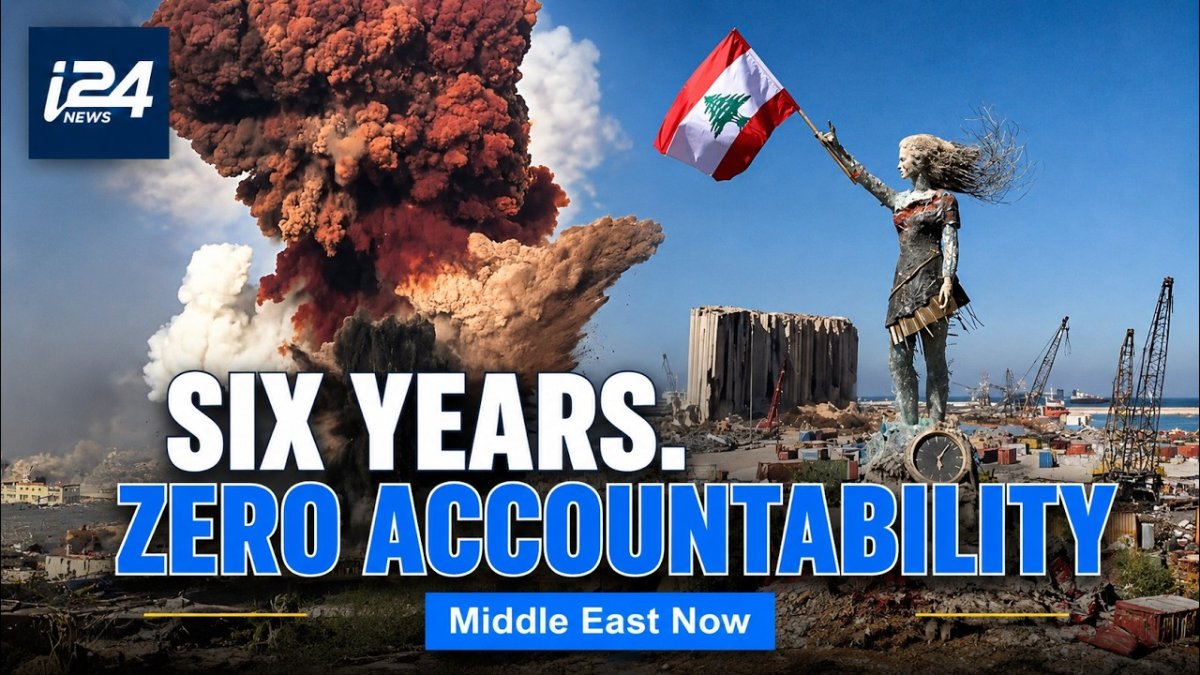
Jerusalem, Israel – August 3, 2026 — The United States State Department confirmed that technical teams from Israel and Lebanon will convene in Rome next week to build on the framework agreement that ended the war with Hezbollah. The sessions will focus on expanding two pilot zones where Israeli forces plan to withdraw, while addressing remaining border disputes and laying groundwork for a broader peace and security pact. This timing aligns with Beirut’s commemoration of the August 4, 2020 port explosion that killed more than 220 people and injured over 6,500.
US-Mediated Framework Advances in Rome
The State Department official speaking to AFP on condition of anonymity stated that the Rome talks will concentrate on full implementation of the framework agreement. Technical groups will examine ways to expand the pilot zone process, settle all outstanding border issues, and develop a comprehensive peace and security agreement. The official noted that experience from the initial zones will allow phased expansion across southern Lebanon.
These negotiations form part of Washington’s effort to institutionalize direct dialogue between Beirut and Jerusalem after months of indirect talks. The framework emerged from the war that began on March 2 between Israel and the Iran-backed Hezbollah, requiring an end to hostilities, Hezbollah disarmament, deployment of Lebanese troops south of the Litani River, and steady Israeli withdrawals.
The Rome sessions build directly on the 2022 maritime border demarcation agreement between Israel and Lebanon, which succeeded under similar US mediation and established a precedent for handling complex territorial questions through technical working groups. Italian officials, drawing on their long-standing UNIFIL troop contributions along the Blue Line, have offered to facilitate coordination between the parties on land-based arrangements. For communities in northern Israel such as Kiryat Shmona and Metula, progress here is viewed as essential to enabling the safe return of residents evacuated during the conflict that began on March 2.
Israeli diplomats emphasize that sustained American engagement remains critical, given Iran’s ongoing support for Hezbollah and the need to prevent any re-establishment of military infrastructure near the Galilee border. The technical focus on pilot zones allows both sides to test verification mechanisms before broader implementation.
Israeli Withdrawals and Ground Realities in the South
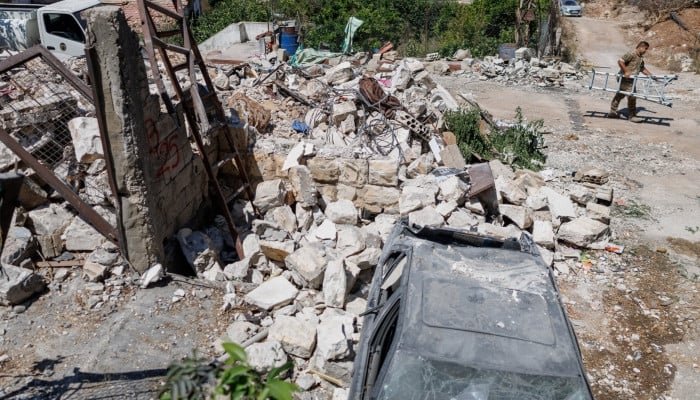
Lebanon’s army on Sunday condemned ongoing Israeli military operations in the south, claiming these actions block full Lebanese troop deployment under the framework deal. Beirut has recorded intermittent Israeli strikes and artillery shelling despite the overall lull in fighting. Israeli officials maintain that such operations target remaining Hezbollah infrastructure that violates the agreement’s terms.
The pilot zones represent the first concrete test of phased Israeli withdrawal. Under the framework, Lebanese forces must secure areas vacated by the IDF to prevent Hezbollah re-infiltration. The Rome technical sessions will assess results from these zones before authorizing further pullbacks.
Israeli security assessments stress that withdrawals from the pilot zones can only proceed once Lebanese army units demonstrate effective control, a standard informed by past experiences with UNIFIL monitoring along the border. Residents of evacuated northern communities continue to condition their return on verifiable steps that keep Hezbollah forces away from the frontier, underscoring the direct link between Rome outcomes and daily life in the Galilee.
Beirut Port Explosion Anniversary Renews Calls for Accountability
On Monday, Lebanese President Joseph Aoun urged the judiciary to issue the long-awaited indictment in the Beirut port explosion case. Aoun stated that the investigating judge’s indictment has become a necessity that can no longer be delayed, emphasizing that justice requires revealing the full truth and holding negligent officials accountable regardless of position.
The August 4, 2020 blast was triggered by a fire in a warehouse storing tons of ammonium nitrate fertilizer that had been kept haphazardly for years despite repeated warnings. No one has been held accountable six years later, leaving victims and families still demanding justice. In March, a judicial official told AFP that Judge Tarek Bitar had completed his probe involving some 70 defendants, including politicians, security officials, and civil servants.
Partial reconstruction of the port and adjacent neighborhoods six years later continues to symbolize the broader institutional weaknesses that also hinder Lebanese army deployment south of the Litani River. International stakeholders, including the United States and European partners, have linked progress on accountability to wider efforts at stabilizing Lebanon’s economy and security structures ahead of the Rome talks.
UN Resolution 1701 and Maritime Precedent
The current framework builds on UN Security Council Resolution 1701 from 2006, which stipulated that no armed groups other than the Lebanese army and UNIFIL may operate south of the Litani River. Israel and Lebanon already reached a maritime border demarcation agreement in 2022 under similar US mediation. The Rome talks aim to translate these principles into land-based security arrangements.
Israeli security officials view successful implementation as essential for preventing Hezbollah from rebuilding military capabilities near the border. The phased pilot zone approach allows the IDF to monitor Lebanese army performance before completing withdrawals from additional areas.
UNIFIL’s established presence along the Blue Line provides a monitoring template that Rome negotiators are examining for adaptation to the new pilot zones, though Israeli officials have repeatedly called for clearer enforcement mechanisms. The 2022 maritime precedent demonstrated that US-brokered technical agreements can produce durable results even amid regional tensions involving Iran and its proxies.
Regional Security Implications for Israel
Israeli policymakers see the Rome round as a critical step toward reducing the threat from an Iran-backed group operating along the northern frontier. Successful expansion of the pilot zones would demonstrate that the framework can deliver tangible security gains without requiring full-scale military re-engagement.
At the same time, the talks occur against the backdrop of wider Middle East tensions. Any progress in Rome could influence diplomatic calculations involving other actors, including the Palestinian Authority and regional states monitoring Hezbollah’s disarmament trajectory.
Israeli leaders have framed the entire campaign that began on March 2 as necessary to restore security for northern border communities, making the Rome implementation phase a direct test of whether diplomatic tools can achieve what military operations initiated. Continued Iranian backing for Hezbollah remains the central variable that could either support or undermine the emerging arrangements.
Lebanese Internal Pressures Ahead of Rome
Lebanese political factions remain divided over Hezbollah disarmament, yet pressure on Beirut has intensified ahead of the Rome meetings. President Aoun’s recent engagement with US President Donald Trump in Washington underscored American expectations that Lebanese authorities enforce the framework’s security provisions.
Lebanese army deployment south of the Litani River remains incomplete, partly due to the security concerns cited by Beirut. The technical discussions in Rome will need to address coordination mechanisms that allow Lebanese forces to operate without interference while satisfying Israeli requirements for verified withdrawals.
Lebanon’s ongoing economic crisis has left state institutions, including the army, under-resourced for sustained operations in the south, a reality that Rome participants must factor into any timeline for phased Israeli withdrawals. France and other EU partners have joined US calls for full Resolution 1701 implementation, adding external leverage on Beirut’s internal debates.
By Hannah Berg, Staff Writer
This article was produced with AI-assisted research and editorial support. Reporting is based on sources cited in the article.
What's Your Reaction?
 Like
0
Like
0
 Dislike
0
Dislike
0
 Love
0
Love
0
 Funny
0
Funny
0
 Wow
0
Wow
0
 Sad
0
Sad
0
 Angry
0
Angry
0
Israel Correspondent at Global1.News. Based in Tel Aviv, covering Israeli politics, security, technology, and society. Provides balanced, deeply-sourced reporting on one of the most closely-watched regions in the world.













Comments (0)