
Iran Conflict Intensifies After US-Iran MOU Collapse, Raising Stakes for Israel
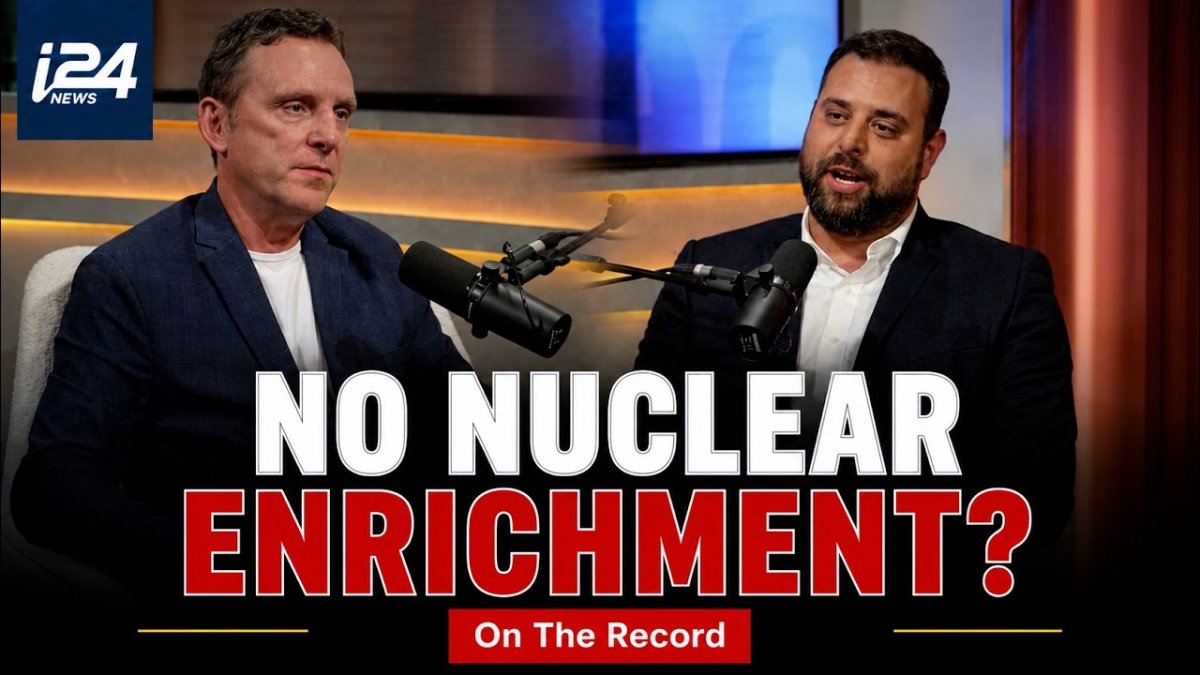
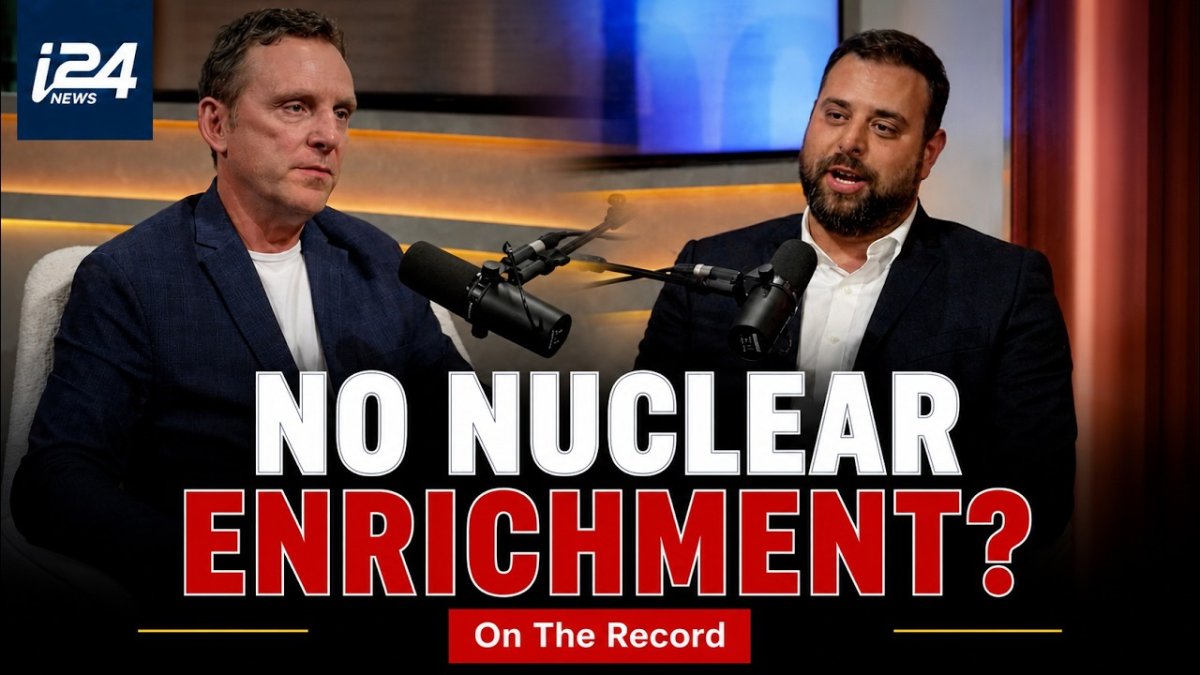
In a recent i24NEWS English "On The Record" interview, FDD CEO Mark Dubowitz outlined how the collapse of the US-Iran memorandum of understanding has returned both sides to direct military operations, with immediate consequences for Israel's security and the broader Middle East energy routes.
In a recent i24NEWS English "On The Record" interview, FDD CEO Mark Dubowitz outlined how the collapse of the US-Iran memorandum of understanding has returned both sides to direct military operations, with immediate consequences for Israel's security and the broader Middle East energy routes. Dubowitz emphasized that Iran's nuclear advances and the ongoing Strait of Hormuz blockade since February 28 now place the region in uncharted territory, directly threatening Israeli population centers and Gulf shipping lanes. The interview comes as US Central Command conducted fresh strikes on Iranian Revolutionary Guard Corps targets this week.
Iran Conflict Intensifies After US-Iran MOU Collapse, Raising Stakes for Israel
Jerusalem, Israel – July 31, 2026 — The breakdown of the June 17 memorandum between President Trump and Iranian President Masoud Pezeshkian has triggered renewed US strikes on IRGC facilities and Iranian missile responses across Jordan, Kuwait, and Iranian provinces. Mark Dubowitz told i24NEWS that the failure stems from Iran's July 8 ship attacks in the Strait of Hormuz and Israeli operations in southern Lebanon, which Tehran cited as justification for reclosing the waterway on June 20. These events have kept Israel on war footing since the February 28 launch of Operation Epic Fury, with Home Front Command coordinating daily air defense responses to missile threats.
July 30 CENTCOM Strikes Target IRGC Command Centers
US Central Command executed a two-hour wave of strikes on July 30 that hit dozens of IRGC military command centers, missile storage sites, and drone facilities in Iran. Iranian state media reported three injuries on Qeshm island, explosions in Khuzestan province, and the deaths of three IRGC members in Zanjan. Jordan recorded incoming missiles for a second consecutive day while Kuwait stated that an Iranian strike killed one person. Separate drone attacks set fires aboard two natural gas vessels at Egypt's Damietta port, according to maritime risk firm Ambrey. These actions followed Tehran's targeting of a US base in Jordan and mark the first US strikes in more than five days.
The tit-for-tat cycle has accelerated sharply in recent weeks. Earlier US-Saudi coordinated strikes inside Iraq killed 20 fighters and six Iranian advisers, prompting Tehran to launch retaliatory missiles toward Jordan and Kuwait. CENTCOM officials stated that the latest operations have diminished immediate threats to commercial shipping and to Gulf Arab countries, though they cautioned that Iranian proxy networks remain active. Israeli defense planners view these exchanges as a direct extension of the broader campaign that began with Operation Epic Fury, forcing the IDF to maintain heightened alert levels along the northern border and in the south.
June 17 MOU Terms and Rapid Breakdown
The June 17 memorandum outlined a 14-point framework that included an Iranian enrichment moratorium, IAEA snap inspections, sanctions relief, and eased Hormuz transit in exchange for an end to the naval blockade. The agreement collapsed after Iran struck multiple commercial ships on July 8 and cited Israeli strikes in southern Lebanon as grounds for reclosing the strait on June 20. Pakistani Foreign Ministry spokesperson Tahir Andrabi stated that Islamabad continues to work to return all parties to negotiations. Dubowitz noted in the i24NEWS interview that the interim truce never addressed Iran's dispersed nuclear supply chains at Natanz, Fordow, and Isfahan.
The 14-point framework had envisioned phased sanctions relief tied to verifiable limits on enrichment and renewed IAEA access. The sequence of breakdown unfolded rapidly: a Hezbollah-linked ceasefire took hold on June 19, only for Iran to reclose the strait the following day. July 8 ship strikes then triggered fresh US responses. Mediators including Pakistan's Tahir Andrabi and Qatari officials shuttled between capitals, yet Tehran refused to restore the original terms once Israeli operations in southern Lebanon resumed. Israeli officials assessed that the diplomatic window had closed before any meaningful verification of Iranian nuclear sites could occur.
Strait of Hormuz Blockade Disrupts Global Energy Supplies
Iran has maintained the Strait of Hormuz blockade since February 28 through sea mines, ship boardings, and attacks on merchant vessels, cutting off roughly 25 percent of world seaborne oil trade and 20 percent of LNG shipments. Brent crude surpassed $100 per barrel on March 8 and peaked near $126, producing the largest monthly oil price increase in history. The International Maritime Organization reported on April 21 that approximately 20,000 mariners and 2,000 ships remain stranded inside the Persian Gulf. The US Navy imposed a blockade on Iranian ports from April 13 to May 29, and Operation Project Freedom escort missions began on May 4 before pausing on May 6. These disruptions have raised shipping insurance costs and forced rerouting that affects daily fuel prices in Israel and Europe.
An April 8 temporary ceasefire briefly eased tensions, yet the Islamabad Talks collapsed days later. The US naval blockade from April 13 to May 29 and the launch of Operation Project Freedom on May 4 underscored Washington's determination to keep the waterway open. On June 27 the Joint Maritime Information Center widened the recommended transit route, but roughly 20,000 mariners remain stranded. Attacks have claimed the lives of at least 17 seafarers, underscoring the human toll. Higher fuel costs have already reached Israeli consumers and European markets, while global energy stakes remain acute: China receives one-third of its oil through the strait, and Europe depends on Qatari LNG shipments that now face prolonged delays.
The human and economic toll has compounded daily as war-risk insurance premiums spike to levels that make many voyages unprofitable without state subsidies, while rerouting around the Cape of Good Hope extends transit times by two to three weeks and inflates costs passed directly to Israeli households and European industries. With 17 seafarers killed since the crisis began, shipping firms now weigh crew safety against contractual obligations, prompting some governments to offer hazard pay or evacuation support. Amid these LNG shortfalls, Israel's eastern Mediterranean gas fields have gained prominence as a stable alternative, enabling expanded exports to Europe that partially offset Qatari disruptions and reinforce Israel's position as a reliable energy partner in a volatile market.
IAEA Loses Access as Iran's Nuclear Stockpile Grows
Since February 2026 the IAEA has lost physical access to Iran's nuclear sites at Natanz, Fordow, and Isfahan. Director General Rafael Grossi warned that the large stockpile of near-weapons-grade enriched uranium combined with denied inspector access constitutes grave concern and presents greater nuclear risk than before the war. Former IAEA safeguards head Olli Heinonen stated that satellite imagery cannot detect research at unknown locations and that supply chains have been deliberately dispersed. Pentagon assessments indicated that earlier US strikes in June 2025 set the program back only a few months. Dubowitz told i24NEWS that these developments leave Israel facing an Iranian nuclear threshold capability without reliable verification mechanisms.
Grossi has repeatedly highlighted the absence of inspectors and the risk posed by Iran's growing stockpile. Heinonen has stressed that satellite imagery alone cannot track activities at unknown locations, leaving critical gaps in Western assessments. The June 2025 strikes delayed the program by only months, according to Pentagon reviews. A threshold capability would give Tehran the option to assemble a weapon on short notice, presenting Israel with stark choices between preemptive strikes, strengthened deterrence, and renewed diplomatic efforts.
What Dubowitz's Assessment Means for the Region
Mark Dubowitz's warnings underscore that Iran's nuclear threshold status and the Hormuz blockade together create a strategic environment in which limited military exchanges can rapidly escalate. For Israel and the Gulf states, the assessment points to the need for sustained intelligence sharing and coordinated maritime defenses while keeping diplomatic channels open through mediators such as Qatar and Pakistan. The humanitarian strain on Lebanon from cross-border fighting compounds regional instability, as displaced families and damaged infrastructure test Beirut's fragile governance and raise the risk of renewed Hezbollah-Israel clashes.
Israeli Security Posture and Regional War Risks
Israel has remained at war with Iran since February 28, facing repeated missile and drone salvos while preparing for elections amid active threats to polling stations. The IDF and Home Front Command have integrated air defense operations into daily civilian routines across Tel Aviv, Jerusalem, and the north. Gulf states have increased coordination with Israeli intelligence on maritime security, while mediators including Qatar and Pakistan attempt to prevent wider escalation. The war has already produced more than 7,000 deaths and 37,000 injuries across Iran and Lebanon, according to El Pais reporting. Dubowitz assessed that any further Iranian closure of the strait or nuclear breakout attempt would force Israel into direct strikes on remaining IRGC and nuclear infrastructure.
Daily life in Israel now revolves around Home Front Command alerts, frequent sirens, and rapid movement to shelters. Iron Dome, Arrow, and David's Sling batteries operate around the clock to intercept incoming threats. The election campaign unfolds under the shadow of these missile barrages, while Gulf-Israel intelligence coordination has deepened to track Hezbollah and Iraqi militia movements. With the MOU in ruins and military operations resuming, Israeli officials now weigh options for preemptive action against both the nuclear program and Hormuz threats while regional mediators struggle to restore talks; the coming weeks will determine whether limited strikes remain contained or expand into a multi-front conflict involving Hezbollah, Iraqi militias, and direct Iranian missile barrages on Israeli cities, especially as election-day threats force additional Home Front Command deployments around polling stations.
As Israelis head to the polls, the Home Front Command has issued detailed guidance on shelter access near polling stations to protect voters from potential missile strikes, while the security cabinet held emergency sessions to assess the war's conduct and calibrate responses. The persistent missile threat has reshaped the entire campaign, pushing candidates to confront the trade-offs between preemptive military action and diplomatic engagement through channels like Qatar and Pakistan, with public opinion now centered on whether deterrence or negotiation offers the surer path to lasting security.
By Hannah Berg, Staff Writer
This article was produced with AI-assisted research and editorial support. Reporting is based on sources cited in the article.
What's Your Reaction?
 Like
0
Like
0
 Dislike
0
Dislike
0
 Love
0
Love
0
 Funny
0
Funny
0
 Wow
0
Wow
0
 Sad
0
Sad
0
 Angry
0
Angry
0
Israel Correspondent at Global1.News. Based in Tel Aviv, covering Israeli politics, security, technology, and society. Provides balanced, deeply-sourced reporting on one of the most closely-watched regions in the world.










Comments (0)