
Fire at nursing home in Chile kills 16 residents
In the early hours of Friday night, a tragic blaze erupted at the El Edén nursing home in Chile’s Araucanía region, claiming the lives of at least sixteen elderly residents.
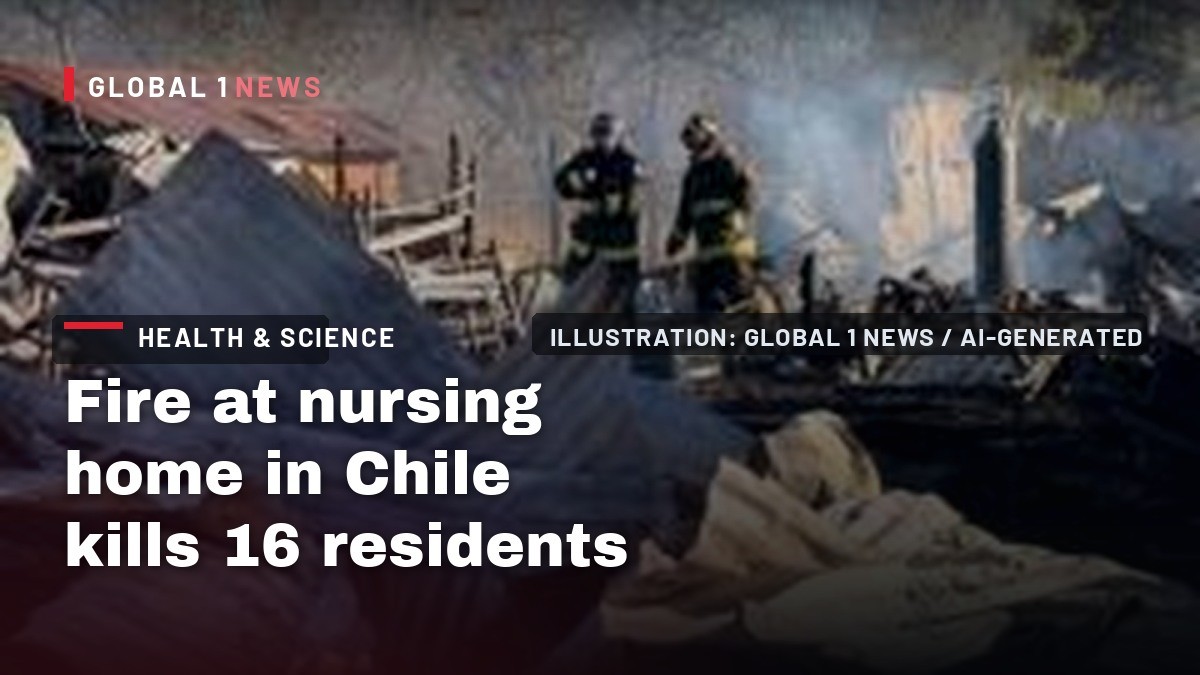
In the early hours of Friday night, a tragic blaze erupted at the El Edén nursing home in Chile’s Araucanía region, claiming the lives of at least sixteen elderly residents. The fire, which ignited shortly after 22:30 local time, quickly engulfed the facility’s corrugated metal roof, forcing a frantic evacuation of ten other occupants. As the flames were finally subdued by dawn, the scene left a community reeling, a grieving nation, and a government forced to confront the stark realities of long‑term care oversight in a country already grappling with an aging population.
The human toll of the El Edén fire
The loss of sixteen seniors in a single incident marks one of the deadliest nursing home disasters in recent Chilean memory. Families of the victims have been left to mourn in shock, while the ten survivors who were rescued now face the trauma of having watched their peers perish in a blaze that could have been prevented. Local mayor Jacqueline Romero described the event as “a situation that fills our souls with great sorrow and pain,” underscoring the deep emotional impact on the community of Araucanía.
Beyond the immediate grief, the incident raises pressing questions about the safety of vulnerable populations in institutional settings. The elderly residents, many of whom rely on the care facility for daily assistance, were suddenly thrust into a life‑threatening emergency that highlighted gaps in emergency preparedness, fire safety protocols, and structural integrity of the building itself.
Official response and investigation
Prosecutor Jorge Granada, who has been assigned to lead the investigation, emphasized that the cause of the fire remains unclear at this stage. Authorities have therefore focused on gathering forensic evidence, interviewing staff, and reviewing maintenance records to determine whether negligence, equipment failure, or another factor sparked the inferno. The investigation is being conducted under the watchful eye of the national justice system, with the prosecutor pledging full cooperation from all relevant agencies.
President José Antonio Kast swiftly announced a nationwide review of nursing home conditions, signaling a political commitment to scrutinize the sector’s regulatory framework. In his statement, Kast promised to collaborate with the justice system to “clarify what happened, determine where failures may have existed in oversight or prevention, identify what alerts were raised and what actions were taken in response to them.” This pledge reflects a broader governmental concern about the adequacy of safety standards across the country’s long‑term care facilities.
Firefighting and emergency operations
Firefighters arrived on the scene shortly after the blaze broke out, battling the flames that had already consumed the roof’s corrugated metal sheets. The fire was not fully extinguished until early Saturday morning, a timeline that underscores the challenges faced by emergency crews when confronting structures built with combustible or poorly maintained materials. Even after the flames were doused, crews continued to clear debris and dismantle the collapsed roofing, a painstaking process that delayed the full assessment of the damage.
Police units established a cordon around the nursing home to ensure public safety while investigators and emergency responders worked. The presence of law enforcement also helped to preserve the site for forensic analysis, preventing contamination of evidence that could be crucial in determining the fire’s origin.
Regulatory landscape for Chilean nursing homes
The tragedy at El Edén arrives at a moment when Chile’s long‑term care sector is under increasing scrutiny. Existing regulations mandate basic fire safety measures, but enforcement has historically been uneven, especially in more remote regions like Araquanía. The president’s call for a comprehensive review suggests that current oversight mechanisms may be insufficient to guarantee the safety of residents nationwide.
Critics have long argued that many facilities operate with limited resources, leading to deferred maintenance and inadequate emergency planning. The fire’s rapid spread through the metal roof—a material that can act as a heat conduit—highlights potential shortcomings in building standards and the need for stricter compliance checks, particularly concerning fire‑resistant construction materials.
Community impact and the road to healing
For the families of the victims, the loss is immeasurable. Local authorities, including Mayor Romero, have pledged support, offering counseling services and assistance with funeral arrangements. The community’s response has been one of solidarity, with neighbors and local organizations rallying to provide meals, transportation, and emotional support to those directly affected.
Beyond immediate aid, the incident has sparked a broader conversation about how Chilean society values its elderly. The outpouring of grief and anger reflects a collective demand for better protection of those who have contributed to the nation’s development throughout their lives. As families mourn, they also call for accountability, urging the government to translate promises into concrete actions that safeguard other nursing homes from similar catastrophes.
Comparative perspective: regional challenges in elder care
Chile is not alone in confronting the complexities of an aging population. Across Latin America, many countries grapple with underfunded long‑term care systems, aging infrastructure, and regulatory gaps that leave vulnerable seniors at risk. While each nation’s context differs, the underlying issues—insufficient oversight, resource constraints, and the need for robust emergency protocols—are common threads that bind the region’s elder‑care challenges.
The El Edén fire thus serves as a stark reminder that tragedies in one country can illuminate systemic vulnerabilities throughout the continent. Regional cooperation on best practices, shared training for emergency responders, and cross‑border dialogues on building standards could help mitigate future disasters. Such collaborative efforts would align with a broader Latin American push for stronger social protections, especially for those who have historically been marginalized.
Looking ahead: policy implications and preventive measures
President Kast’s announced review will likely focus on several key areas: the structural integrity of nursing home facilities, the adequacy of fire detection and suppression systems, and the effectiveness of staff training in emergency response. Recommendations may include mandatory installation of fire alarms, regular safety drills, and stricter penalties for non‑compliance with fire codes.
In the longer term, the tragedy may catalyze legislative reforms aimed at improving funding for elder‑care institutions, ensuring that they can afford necessary upgrades and maintain safe environments. Civil society groups, already vocal about the need for better protections, are expected to monitor the review’s outcomes closely, advocating for transparent implementation of any new standards.
Ultimately, the loss of sixteen lives at El Edén is a painful chapter in Chile’s history, but it also offers a painful catalyst for change. By confronting the systemic failures that allowed such a tragedy to unfold, Chile can set a precedent for the region, demonstrating that the safety and dignity of its seniors must be a non‑negotiable priority.
This article was produced with AI-assisted research and editorial support. Reporting is based on the source material cited below. Sources: BBC News Latin America; bbc.co.uk; Global1.News (13 September 2026).
By Elena Vasquez, Staff Writer
What's Your Reaction?
 Like
0
Like
0
 Dislike
0
Dislike
0
 Love
0
Love
0
 Funny
0
Funny
0
 Wow
0
Wow
0
 Sad
0
Sad
0
 Angry
0
Angry
0

Latin America Correspondent at Global1.News. Based in Mexico City, covering politics, economics, energy, and culture across the region. Brings an on-the-ground perspective to stories spanning from the Rio Grande to Patagonia.















Comments (0)