
Suspected Lakurawa terrorists flee as troops storm workshop in Sokoto
In the early hours of September 11, 2026, troops from the 8 Guards Task Force launched a decisive raid on a modest motorcycle repair workshop in Kware town, within the Kware Local Government Area of Sokoto State.
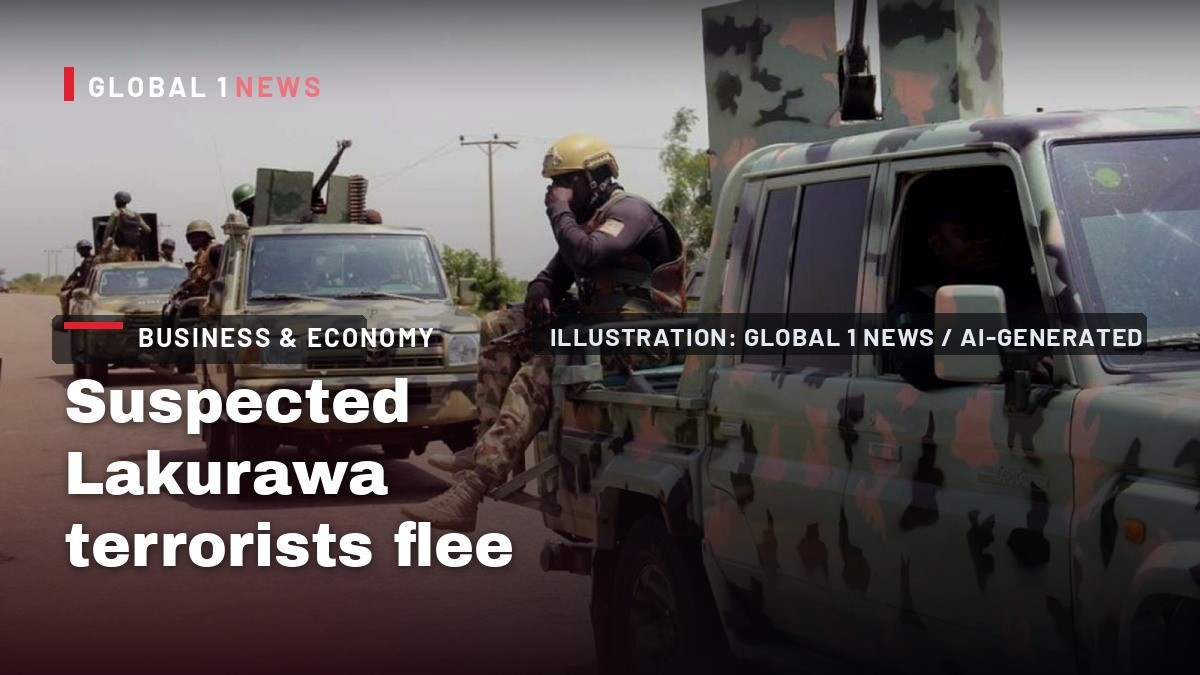
In the early hours of September 11, 2026, troops from the 8 Guards Task Force launched a decisive raid on a modest motorcycle repair workshop in Kware town, within the Kware Local Government Area of Sokoto State. The operation, timed at approximately 10:05 a.m., was prompted by intelligence indicating that the workshop was being used by suspected members of the Lakurawa terrorist group to service the two‑wheelers that facilitate their movements across the north‑western frontier. As the security forces approached, the suspects fled, abandoning the motorcycles they had been repairing. The recovered bikes were seized for further forensic examination, while the hunt for the fleeing militants continues.
Background to the Lakurawa Threat in Northwestern Nigeria
The Lakurawa group, a loosely organised network of armed actors, has been linked to a series of attacks on transport routes and rural communities in the Sahelian belt of Nigeria. Their modus operandi often relies on fast, maneuverable motorcycles, enabling rapid strikes and swift retreats across the porous borders of Sokoto State. Over recent years, security agencies have noted a pattern of the group exploiting small workshops and informal repair yards as logistical hubs, a tactic that complicates conventional counter‑insurgency measures.
Analysts such as Zagazola Makama have highlighted the strategic importance of disrupting these logistical nodes. By targeting repair facilities, the security forces aim to cripple the group’s mobility, limiting their capacity to launch raids and to transport weapons. The recent raid in Kware thus fits within a broader operational framework that seeks to dismantle the support infrastructure that sustains insurgent activity in the region.
The Raid on the Kware Workshop: What We Know
According to a post shared on the social media platform X by security analyst Zagazola Makama, the 8 Guards Task Force, stationed at a Forward Operating Base in Kware, executed the raid at about 10:05 a.m. on September 11. The task force acted on actionable intelligence that identified the workshop as a repair hub for motorcycles believed to be used by Lakurawa operatives. As the troops advanced, the suspects became aware of the approaching force and fled the premises, leaving behind two motorcycles.
Makama reported that the security personnel recovered the abandoned motorcycles and transported them to a secure location for further investigation. The recovery of the bikes provides a tangible link to the group’s operational capabilities and offers forensic experts an opportunity to examine any modifications, serial numbers, or other identifiers that could trace the vehicles back to specific cells or supply chains.
Operational Implications of Seizing the Motorcycles
The confiscated motorcycles represent more than mere transport assets; they are potential repositories of intelligence. By examining the mechanical condition, repair logs, and any concealed compartments, investigators can uncover clues about the group’s logistical networks, funding streams, and possibly the identities of the operators. Such forensic analysis is a critical component of the broader counter‑terrorism strategy, allowing security agencies to move from reactive raids to proactive disruption of supply lines.
Moreover, the seizure sends a clear message to local communities and potential sympathisers that the state is vigilant and capable of striking at the heart of insurgent support structures. This psychological dimension is essential in a region where the line between civilian and combatant can be blurred, and where community cooperation can significantly enhance security outcomes.
Continuing Efforts to Apprehend the Fleeing Suspects
While the raid successfully secured the motorcycles, the primary suspects managed to escape. Security personnel have intensified surveillance and offensive operations in the surrounding areas of Kware, employing both ground patrols and aerial reconnaissance to track movements and intercept any attempts by the militants to regroup. The ongoing pursuit underscores the fluid nature of insurgent tactics, where evasion and rapid relocation are common responses to sudden security pressure.
Local law enforcement agencies, in coordination with the task force, are also engaging community leaders to gather intelligence on the whereabouts of the fleeing individuals. Such community‑based approaches are vital in regions where formal intelligence networks may be limited, and where trust between civilians and security forces can be a decisive factor in locating elusive suspects.
Broader Security Dynamics in Sokoto State
Sokoto State, bordering the Republic of Niger, has long been a corridor for cross‑border smuggling and militant movement. The state’s vast, semi‑arid landscape provides ample cover for insurgent groups, while the porous frontier complicates the enforcement of national security mandates. In recent months, the federal government has bolstered its presence in the region, establishing forward operating bases and task forces such as the 8 Guards to conduct targeted operations.
The Kware raid is part of a series of engagements aimed at curbing the spread of extremist activity across the north‑west. By focusing on logistical nodes, the security apparatus is attempting to degrade the operational tempo of groups like Lakurawa, thereby reducing the frequency and severity of attacks on civilians and commercial transport routes that are vital for the regional economy.
Community Impact and the Path Forward
The immediate aftermath of the raid has left the residents of Kware town with mixed feelings. On one hand, the removal of the workshop’s illicit use is a relief, promising greater safety for the community. On the other, the presence of armed troops and the potential for further clashes can generate anxiety. Local authorities have urged residents to remain calm and to cooperate with security forces, emphasizing that community vigilance is essential for sustaining the gains achieved through such operations.
Looking ahead, the success of the Kware operation will be measured not only by the recovery of the motorcycles but also by the ability of security forces to apprehend the fleeing suspects and to dismantle any remaining support structures. Continued investment in intelligence gathering, community outreach, and inter‑agency coordination will be crucial for translating tactical victories into lasting stability for Sokoto and the broader north‑western region.
Regional Implications and the Fight Against Insurgency
The raid in Kware underscores a shifting paradigm in Nigeria’s counter‑insurgency approach: targeting the logistical lifelines of militant groups rather than solely focusing on direct combat. This strategy aligns with broader regional efforts across the Sahel, where neighboring countries are also confronting armed groups that exploit mobility and informal networks. By disrupting the repair and maintenance of motorcycles, Nigeria contributes to a collective security architecture that seeks to choke off the operational capabilities of insurgents across borders.
As the investigation into the seized motorcycles proceeds, the findings will likely inform future operations, guiding task forces on where to concentrate resources and how to anticipate the adaptive tactics of groups like Lakurawa. The continued vigilance of security forces, combined with community cooperation, offers a hopeful trajectory toward diminishing the threat posed by insurgent networks in the north‑west and safeguarding the lives and livelihoods of Nigerians across the region.
This article was produced with AI-assisted research and editorial support. Reporting is based on the source material cited below. Sources: Daily Post Nigeria; dailypost.ng; Global1.News (13 September 2026).
By Sarah Okafor, Staff Writer
What's Your Reaction?
 Like
0
Like
0
 Dislike
0
Dislike
0
 Love
0
Love
0
 Funny
0
Funny
0
 Wow
0
Wow
0
 Sad
0
Sad
0
 Angry
0
Angry
0

Africa Correspondent at Global1.News. Based in Lagos, covering politics, business, technology, and culture across the continent. Focused on telling African stories beyond the headlines — the innovation, entrepreneurs, and communities shaping the region's future.















Comments (0)