
Strait of Hormuz Reopening Takes Shape as Iran, Oman Push Mine-Clearance Plan and Trump Warns of 'Zero Tolerance'
The Strait of Hormuz, the narrow waterway that carries roughly one-fifth of the world's oil and liquefied natural gas, is emerging as the central theater of a high-stakes diplomatic and military confrontation. Six months after the U.S.
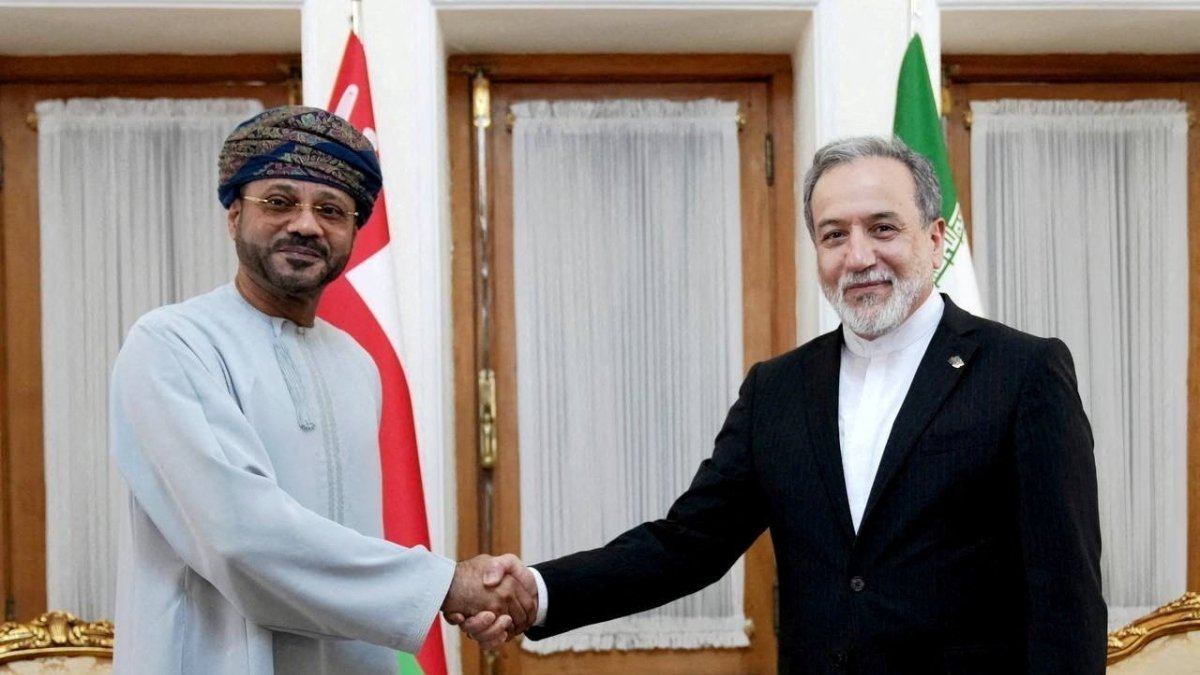
The Strait of Hormuz, the narrow waterway that carries roughly one-fifth of the world's oil and liquefied natural gas, is emerging as the central theater of a high-stakes diplomatic and military confrontation. Six months after the U.S. and Israel launched attacks on Iran that triggered a full-blown blockade, a fragile but tangible movement toward reopening the strait is underway. Tuesday's simultaneous developments—a Tehran meeting between Iranian and Omani foreign ministers to discuss a phased navigation framework, and a blunt warning from U.S. President Donald Trump that all mines have been cleared and new ones will be met with destruction—underscore both the urgency and the fragility of the effort.
The diplomatic push reflects a rare convergence of interests. Tehran needs revenue and relief from crippling sanctions; Washington wants to stabilize global energy markets and demonstrate control over a critical chokepoint; and Oman, the region's perennial mediator, is seeking to prevent a full-blown economic catastrophe on its doorstep. Yet the path forward remains littered with obstacles, not least the deep mutual distrust between Washington and Tehran and the unresolved question of who will ultimately administer the strait.
The Tehran Talks: A Phased Framework Takes Shape
The discussions in Tehran between Omani Foreign Minister Badr Al-Busaidi and his Iranian counterpart, Abbas Araghchi, produced a joint statement that was notably specific for a region accustomed to vague diplomatic communiqués. According to the state-run Oman News Agency, the two ministers held "constructive" talks on developments surrounding the strait and considered a phased framework intended to provide a practical basis for further negotiations.
The core of the proposal is twofold: the establishment of a temporary joint navigation corridor through the strait, and a cooperative mine-clearing operation to make that corridor safe for commercial traffic. The statement indicated that technical talks would continue on establishing a permanent shipping corridor and determining how navigation through the strait would be administered in the future. These negotiations will also address information sharing, maritime traffic management, and the provision of navigation and security services—all critical components for a waterway that has been effectively closed to normal commerce for months.
The fact that Iran and Oman, which sit on opposite sides of the strait, are leading this effort is strategically significant. Iranian officials had previously indicated that the geographical coordinates of a proposed route had been agreed upon, suggesting that the technical groundwork has been laid even as the political framework remains under negotiation. The joint statement also stressed the importance of consultations involving other Gulf coastal states, a nod to the reality that any lasting arrangement will require broader regional buy-in.
Washington's Zero-Tolerance Line
While the Tehran talks were underway, President Trump delivered a stark message from Washington that framed the reopening of the strait in terms of American military dominance. In a post on his Truth Social platform, Trump declared that all mines in the international waters of the Strait of Hormuz had been cleared or detonated, and warned that any vessel attempting to lay new mines would be "immediately and systematically destroyed."
Trump emphasized a "zero tolerance policy" on mine placement, asserting that Washington is using Space Force technology to monitor "every square inch" of the strategic waterway. His reference to "Pickaxe Mountain and the already destroyed three other nuclear sites" appears to be a pointed reminder to Tehran of the cost of continued defiance—a reference to the February attacks that targeted Iranian nuclear infrastructure.
The juxtaposition of these two narratives is striking. On one hand, the U.S. is signaling that it has already achieved the military objective of clearing the strait and will enforce that outcome with overwhelming force. On the other, Iran and Oman are engaged in a diplomatic process that presupposes a more negotiated, collaborative approach to the waterway's future. The tension between these two tracks—unilateral enforcement versus multilateral negotiation—will likely define the coming weeks.
A Chokepoint Under Siege
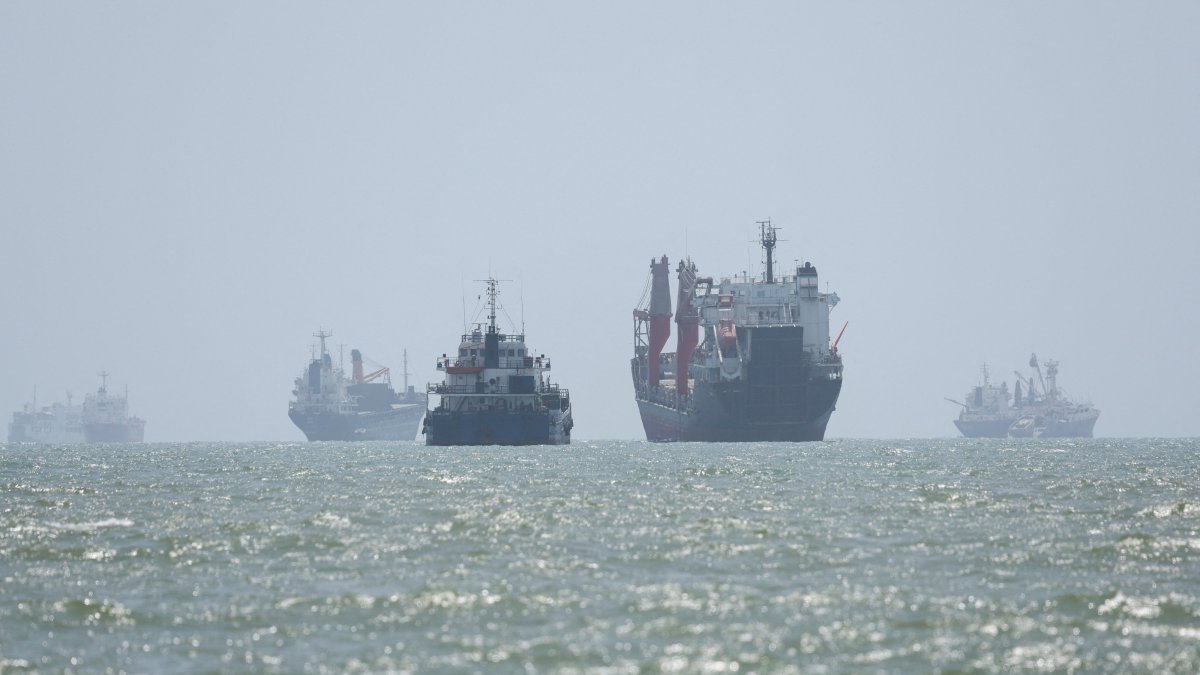
To understand the stakes, one must recall how the strait became a battleground. On February 28, the U.S. and Israel launched coordinated attacks on Iran, prompting Tehran to blockade the waterway in retaliation. Washington responded with a naval counter-blockade on Iranian ports, effectively strangling Iran's economy while simultaneously disrupting the flow of energy to global markets.
The result has been a logistical nightmare for the international community. Shipping through the strait remains severely disrupted, with insurance premiums skyrocketing and many carriers refusing to transit the waterway altogether. The narrow passage normally handles about one-fifth of global oil and liquefied natural gas exports, making its closure a direct threat to energy security for importers in Asia, Europe, and beyond.
The blockade has also created a peculiar strategic stalemate. Iran cannot export its oil due to the U.S. naval counter-blockade, but the U.S. cannot fully reopen the strait without addressing Iranian security concerns. The mine-clearing operation, while a necessary first step, is only one component of a much larger puzzle that includes naval de-escalation, sanctions relief, and the restoration of commercial confidence.
Tehran's Conditions: Leverage and Demands
Iran has been explicit about what it wants in exchange for a full reopening of the strait. Tehran has maintained that a complete restoration of navigation depends on Washington meeting several key demands: ending its naval blockade, lifting oil sanctions, and releasing frozen Iranian assets abroad. These are not minor concessions; they strike at the heart of the U.S. maximum-pressure campaign that has crippled Iran's economy for years.
From Tehran's perspective, the strait is its most potent source of leverage. By controlling access to the waterway, Iran can inflict pain on global energy markets in a way that no other single actor can. The blockade has already rattled markets, and any sustained closure would have catastrophic consequences for the global economy. Iran is betting that this leverage will force Washington to make concessions that it has so far refused to consider.
However, the Trump administration's posture suggests that it believes it can reopen the strait through military means alone, without conceding on sanctions or the naval blockade. The "zero tolerance" language and the Space Force monitoring are designed to project an image of total control. Whether this approach can succeed in the face of Iranian resistance remains an open question. Iran has demonstrated a remarkable capacity for asymmetric warfare, and the threat of new mine-laying operations—even if they are detected and destroyed—could keep the strait in a state of perpetual insecurity.
Oman's Balancing Act
In the midst of this confrontation, Oman has emerged as the indispensable intermediary. Muscat has long played a role as a neutral broker in regional conflicts, maintaining diplomatic channels with both Tehran and Washington. Its geographic position, straddling the strait's southern shore, gives it a direct stake in the waterway's fate and a credibility that other Gulf states lack.
The Omani foreign minister's visit to Tehran is a testament to the trust that both sides place in Muscat. The joint statement's emphasis on consultations with other Gulf coastal states suggests that Oman is working to broaden the framework beyond the Iran-Oman bilateral track. This is a delicate balancing act: Oman must reassure its Gulf neighbors, particularly Saudi Arabia and the UAE, that any arrangement will not simply hand control of the strait to Iran, while also convincing Tehran that the framework is not a vehicle for U.S. domination.
Oman's role also reflects a broader shift in Gulf diplomacy. The smaller Gulf states are increasingly seeking to hedge their bets, maintaining relationships with both Washington and Tehran to avoid being caught in the crossfire of great-power competition. Oman's mediation efforts are a model for this approach, even as the larger Gulf powers watch warily from the sidelines.
Energy Markets and the Global Stakes
The reopening of the Strait of Hormuz is not merely a regional issue; it is a global economic imperative. The disruption of shipping through the strait has already had profound effects on energy markets, with prices fluctuating wildly in response to each new development. Insurance premiums for tankers transiting the region have soared, and many shipping companies have rerouted cargoes through longer, more expensive alternatives.
For energy importers in Asia—particularly China, Japan, and South Korea—the stakes are existential. These countries rely heavily on Gulf oil and LNG, and any prolonged closure of the strait would force them to seek alternative suppliers at significantly higher costs. The economic fallout would extend far beyond energy prices, affecting manufacturing, transportation, and consumer goods across the globe.
The phased framework proposed by Iran and Oman offers a glimmer of hope for market stabilization. If a temporary navigation corridor can be established and mine-clearing operations proceed, commercial traffic could begin to resume, albeit under conditions of heightened security. However, the market's confidence will depend on the durability of any arrangement. A corridor that is subject to sudden closure or renewed mine-laying would do little to reassure insurers or shipping companies.
Regional Implications: Stability or Continued Conflict
The outcome of the Hormuz negotiations will have profound implications for the wider region. A successful reopening of the strait could pave the way for broader de-escalation between Washington and Tehran, potentially easing tensions across the Middle East. It could also strengthen the hand of Gulf states that favor diplomacy over confrontation, and provide a template for resolving other disputes in the region.
Conversely, a failure to reach an agreement could plunge the region back into crisis. The threat of renewed conflict looms large, particularly given the bellicose rhetoric emanating from both Washington and Tehran. Turkish President Recep Tayyip Erdogan's comments on Tuesday, in which he slammed Israeli Prime Minister Benjamin Netanyahu for seeking to perpetuate bloodshed and instability, serve as a reminder that the wider regional war is far from over. Erdogan declared that Turkiye would not allow Netanyahu's "bloody scenarios" to be carried out, and that Ankara's efforts to promote regional peace were disrupting plans built around conflict and violence.
The reopening of the Strait of Hormuz is thus not just a technical or economic issue; it is a test of whether the region's leaders can move beyond the cycle of retaliation and toward a more stable, cooperative order. The diplomatic movement on Tuesday offers a fragile hope, but the path ahead remains treacherous. The world will be watching closely to see whether the phased framework can survive the political and military pressures that threaten to tear it apart.
By Malik Hassan, Staff WriterThis article was produced with AI-assisted research and editorial support. Reporting is based on sources cited in the article.
What's Your Reaction?
 Like
0
Like
0
 Dislike
0
Dislike
0
 Love
0
Love
0
 Funny
0
Funny
0
 Wow
0
Wow
0
 Sad
0
Sad
0
 Angry
0
Angry
0
Middle East Correspondent at Global1.News. Based in Beirut, covering politics, conflict, energy, and society across the Middle East. Brings context and depth to a region often reduced to headlines.











Comments (0)