
American tourist found dead alone in Patong hotel room
On 4 October 2026, a quiet tragedy unfolded in the bustling heart of Patong, Phuket, when the body of an American visitor was discovered alone on a hotel bed.
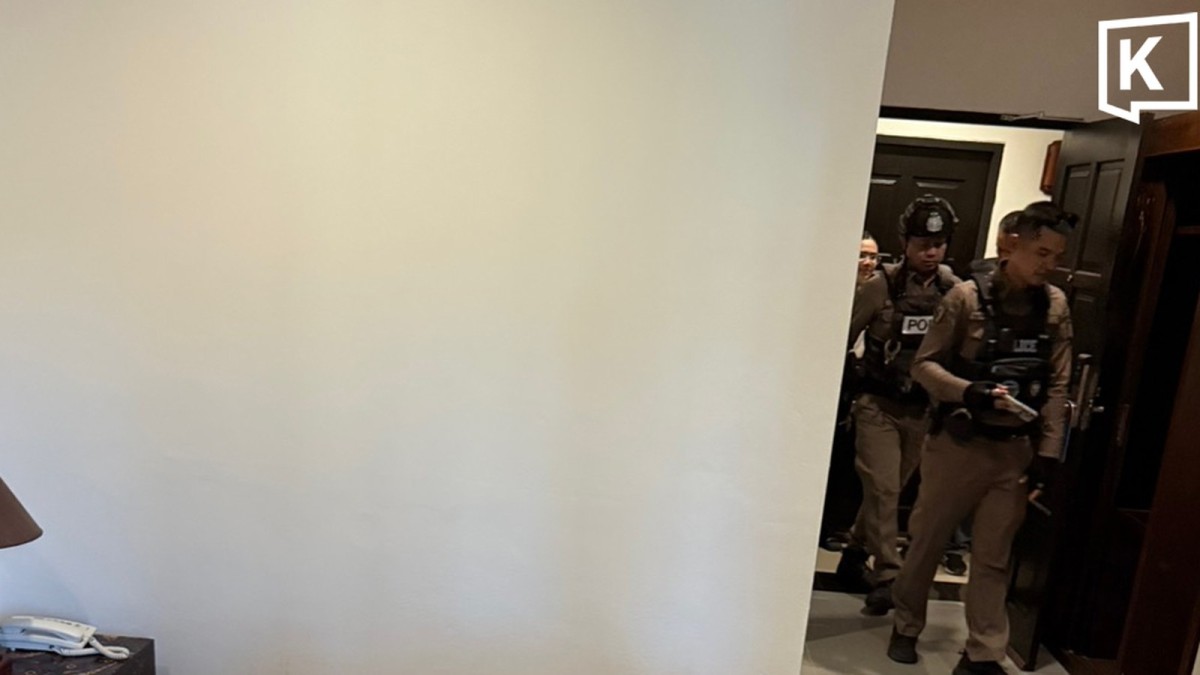
On 4 October 2026, a quiet tragedy unfolded in the bustling heart of Patong, Phuket, when the body of an American visitor was discovered alone on a hotel bed. The man, identified as 35‑year‑old Smith Gray Allen, was found lying on the mattress in a room on Rat‑U‑Thit 200 Pi Road, a street that runs through the lively Kathu district. Local police responded promptly, but the cause of death remains under investigation, leaving both the tourist community and the local residents with unanswered questions.
Discovery and Police Response
At approximately 14:00, Deputy Investigation Inspector Pol. Lt. Sakwanat Damcha‑om received a call reporting a foreign tourist found dead inside a hotel room. She, along with other officers, proceeded to the site after informing Patong Police Station chief Pol. Col. Korakrit Khankrue. Their swift arrival underscored the routine vigilance of Thai law enforcement in tourist‑heavy areas, where safety and swift action are essential to maintaining confidence among visitors.
The officers found Mr. Allen lying on the bed, with no signs of a struggle or forced entry. Initial checks indicated that the room had not been ransacked, and no other individuals were present. This careful observation helps preserve the integrity of the scene, a practice that aligns with Thailand’s broader commitment to thorough, respectful investigations.
Identification and Immediate Actions
Police quickly identified the deceased as Smith Gray Allen, an American national aged 35. The identification process relied on standard procedures, likely involving passport verification and cross‑checking with hotel records, though the source does not detail those steps. Allen had been staying at the hotel alone, and his scheduled checkout date coincided with the day his body was discovered, adding a poignant note to the timeline.
Following identification, investigators collaborated with an on‑duty doctor to examine the body and document the scene. Photographs and a crime‑scene map were taken, ensuring a clear record for later forensic analysis. This collaborative approach reflects Thailand’s practice of integrating medical expertise into early investigative stages, a method that respects both the deceased and the need for accurate evidence.
Transport and Medical Handling
After the preliminary examination, the body was transferred by Kusoldharm Phuket rescue workers from the Patong unit to the mortuary at Vachira Phuket Hospital. Kusoldharm, a local emergency response organization, often assists in such situations, providing trained personnel to handle remains with dignity and care. Their involvement highlights the community’s role in supporting official procedures during unforeseen incidents.
The mortuary at Vachira Phuket Hospital serves as a central hub for handling deceased individuals in the province, ensuring that all necessary medical and legal protocols are observed. While the source does not specify the exact handling steps, the standard practice includes confirming identity, preserving the body, and preparing it for eventual autopsy or release to the family.
Diplomatic Coordination
Thai authorities promptly contacted the United States Embassy to notify Mr. Allen’s relatives and arrange the necessary procedures for his remains. This diplomatic outreach is a routine part of handling foreign nationals who pass away abroad, reflecting Thailand’s respect for international protocols and the importance of clear communication with foreign governments.
The embassy’s involvement ensures that the family receives timely information and assistance, from consular support to guidance on repatriation. Such coordination also reassures other travelers that, should the unexpected occur, there are established channels to address their needs with compassion and efficiency.
Community Reflections
Patong, known for its vibrant nightlife and bustling streets, is also a place where local residents and business owners rely heavily on tourism. Incidents like this reverberate through the community, prompting reflections on safety, hospitality, and the responsibilities that come with welcoming guests from around the world. Many Thai hosts view the well‑being of their visitors as a moral duty, rooted in the Buddhist principle of compassion (karuṇā).
In the weeks following the discovery, local shopkeepers and hotel staff often share quiet prayers for the departed, a practice common in Thai culture when confronting loss. These gestures, while simple, embody the deep sense of community that underpins daily life in Phuket and across Thailand.
Legal and Investigative Outlook
While the cause of death remains under investigation, Thai police have emphasized that no signs of foul play were evident at the scene. The absence of forced entry and the lack of other individuals in the room suggest a scenario that may involve natural causes or personal health issues, though definitive conclusions await forensic results.
Thai law mandates a thorough autopsy in such cases, especially when a foreign national is involved. The findings will be crucial for both legal clarity and for informing the family about the circumstances surrounding Mr. Allen’s passing. Until the autopsy report is released, speculation will remain, but the investigative process follows established protocols designed to uncover the truth with diligence.
Broader Implications for Tourism
Phuket continues to be a top destination for travelers seeking sun, sea, and cultural experiences. Incidents like this, while rare, remind both authorities and visitors of the importance of health preparedness, especially for those traveling alone. Local health services, including the Phuket International Medical Center, often advise tourists to carry necessary medications and to stay aware of personal health conditions.
Thai tourism officials regularly emphasize that the island’s infrastructure, from medical facilities to emergency response teams, is equipped to handle a range of situations. The collaborative response to Mr. Allen’s case—police, medical staff, rescue workers, and diplomatic channels—demonstrates the multi‑layered support system in place, reinforcing Thailand’s commitment to the safety and well‑being of all who set foot on its shores.
This article was produced with AI-assisted research and editorial support. Reporting is based on the source material cited below. Sources: Khaosod English; khaosodenglish.com; Global1.News (05 October 2026).
By Ann Srisawat, Staff Writer
What's Your Reaction?
 Like
0
Like
0
 Dislike
0
Dislike
0
 Love
0
Love
0
 Funny
0
Funny
0
 Wow
0
Wow
0
 Sad
0
Sad
0
 Angry
0
Angry
0

Southeast Asia Correspondent at Global1.News. Based in Bangkok, covering Thai and Southeast Asian politics, economy, technology, and culture. Deep regional perspective on one of the world's most dynamic regions.














Comments (0)