
Mokuena: Jeandré can become a Bok … but
Springbok fans have been buzzing ever since the Bulls’ Jeandré Rudolph turned heads with a season of standout performances. Yet, as Mokuena points out, the journey does not end at the Bulls’ training ground.
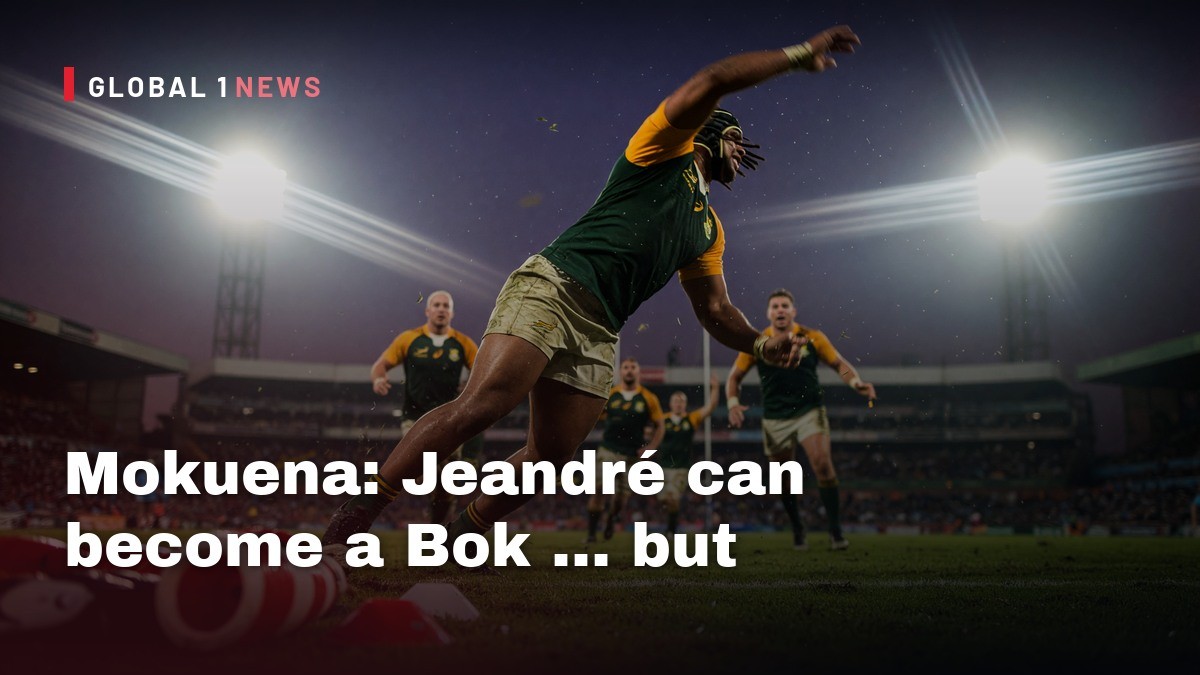
Springbok fans have been buzzing ever since the Bulls’ Jeandré Rudolph turned heads with a season of standout performances. The 32‑year‑old loose forward has been lauded by former coach Jonathan Mokuena as “definitely good enough” for the green and gold, yet the path to a Springbok cap remains anything but clear. As the Nations Championship looms and Rassie Erasmus weighs his options, the debate over Rudolph’s place in the national squad has taken on a life of its own, echoing the broader conversation about depth, experience and transformation in South African rugby.
From Varsity Cup hero to Bulls stalwart
Rudolph’s rise is rooted in a partnership that began at North‑West University, where Mokuena first coached the young forward during the Potch side’s Varsity Cup triumph in 2016. That victory, celebrated for its blend of raw talent and disciplined play, marked the start of a trajectory that would see Rudolph become a mainstay in the Bulls’ loose‑forward brigade. Over the past year, his form has been described as “impressive,” a testament to his consistency in a demanding position that requires both physicality and tactical acumen.
For a player who has spent his professional life in the heart of South African rugby, the transition from university champion to provincial powerhouse is a familiar story. Yet, as Mokuena points out, the journey does not end at the Bulls’ training ground. The next step—earning a Springbok jersey—requires navigating a field crowded with talent, experience and the ever‑present question of how best to blend youth with seasoned campaigners.
The competition that defines a generation
The loose‑forward pool for the Springboks is currently described as “packed with quality,” a phrase that captures both pride and frustration for players like Rudolph. Alongside him sit the likes of Evan Roos, Vincent Tshituka and Hacjivah Dayimani—each a name that has been floated as a potential Bok. Mokuena’s observation that these players are “good enough for the Springboks” underscores the depth that South Africa enjoys, but also highlights the brutal reality of selection: talent alone does not guarantee a test debut.
Adding to the mix is the anticipated return of Kwagga Smith from injury, a player whose versatility and experience have long made him a fixture in the Springbok loose‑forward rotation. With Smith’s comeback, the competition tightens further, forcing coaches to weigh the benefits of fresh form against the reliability of proven performers. The presence of André Esterhuizen, capable of covering both centre and flank, adds another layer of strategic flexibility that could influence selection decisions.
Rassie Erasmus’s selection philosophy
At the centre of the debate sits coach Rassie Erasmus, whose approach to squad building has often blended a focus on form with a strategic eye on long‑term development. Mokuena admits uncertainty about whether Erasmus will call up Rudolph “just because he’s playing good rugby,” suggesting that the coach’s criteria extend beyond current performance. This hints at a broader selection philosophy where consistency, fit within the game plan and perhaps even age and future potential are weighed against raw form.
Rasmus’s track record shows a willingness to give opportunities to emerging talent, yet also a cautiousness when it comes to disrupting a cohesive unit. In the context of the upcoming Nations Championship, where every test carries weight, the coach may lean towards players with established international experience, especially in a role as pivotal as loose forward. This strategic calculus could see Rudolph, despite his impressive domestic displays, remain on the periphery for now.
The mindset that fuels a challenger
Beyond the technical and tactical considerations, Mokuena highlights a personal attribute that sets Rudolph apart: a relentless desire to prove doubters wrong. “He is someone who likes proving people wrong,” the former coach notes, emphasizing a mental toughness that has become a hallmark of South African rugby culture. This fire‑brand mentality resonates with fans who cherish the underdog narrative, especially when it aligns with the broader story of transformation and perseverance in the sport.
Such a mindset can be a double‑edged sword. While it drives a player to push boundaries and seize opportunities, it can also clash with a coach’s desire for squad harmony and adherence to a defined game plan. For Rudolph, the challenge will be to channel that inner drive into performances that not only dazzle domestically but also fit seamlessly into the Springbok system, should Erasmus decide to give him a chance.
Implications for the Bulls and the domestic game
The Bulls, as one of South Africa’s premier franchises, stand to benefit from having a player of Rudolph’s calibre recognized at the national level. A Springbok call‑up would elevate the profile of the team, inspire younger players within the Bulls’ development pathways, and potentially attract greater sponsorship and fan engagement. Conversely, the possibility of losing a key loose forward to international duty could test the depth of the Bulls’ squad, especially if injuries to other forwards arise during the season.
From a broader perspective, Rudolph’s situation underscores the importance of nurturing talent across the provincial system. The fact that a player who emerged from a university competition can now be in contention for the national team highlights the strength of South Africa’s grassroots pipelines. It also serves as a reminder to provincial unions that sustained investment in player development can yield national‑level contenders, reinforcing the symbiotic relationship between club and country.
The transformation narrative and future prospects
Transformation remains a central theme in South African sport, and rugby is no exception. While the source material does not explicitly discuss Rudolph’s background in this context, his journey from university champion to potential Springbok reflects the pathways that transformation policies aim to broaden. The inclusion of players like Rudolph, alongside peers such as Roos, Tshituka and Dayimani, signals a growing pool of talent that cuts across traditional demographics.
Looking ahead, even if Rudolph does not earn a cap in the immediate Nations Championship, his continued form and mental resilience keep him in the conversation for future tours and World Cup cycles. The “incredibly tough” competition among loose forwards ensures that any player aspiring to wear the green and gold must maintain high standards year after year, a challenge that Rudolph appears well‑equipped to meet.
What South African fans can expect
For the supporters who line the stands at Loftus Versfeld and tune in from townships and suburbs across the nation, the Rudolph story offers a blend of hope and realism. The excitement of seeing a home‑grown talent praised by a respected coach like Mokuena fuels optimism, while the pragmatic assessment of selection hurdles grounds expectations. As the Nations Championship approaches, fans will watch closely to see whether Erasmus’s squad selections reflect form, experience or a blend of both.
In the end, the narrative of Jeandré Rudolph is emblematic of South African rugby’s current era: a depth of talent that challenges selectors, a culture that values grit and determination, and a fan base that lives for the drama of the unknown. Whether he dons the Springbok jersey this season or continues to battle for a spot, his journey will remain a point of reference for aspiring loose forwards across the country, reminding them that the road to the top is as much about mindset as it is about skill.
This article was produced with AI-assisted research and editorial support. Reporting is based on the source material cited below. Sources: SARugbyMag; sarugbymag.co.za; Global1.News (22 October 2026).
By Dante Williams, Staff Writer
What's Your Reaction?
 Like
0
 Dislike
0
 Love
0
 Funny
0
 Wow
0
 Sad
0
 Angry
0

Breaking News and Investigations Correspondent at Global1.News. Based in London, covering global breaking news, security, and investigative stories. Known for digging deeper and connecting the dots across continents.











Comments (0)