
Netanyahu Warns America of Unseen Iranian Threat Amid Regional Power Shifts
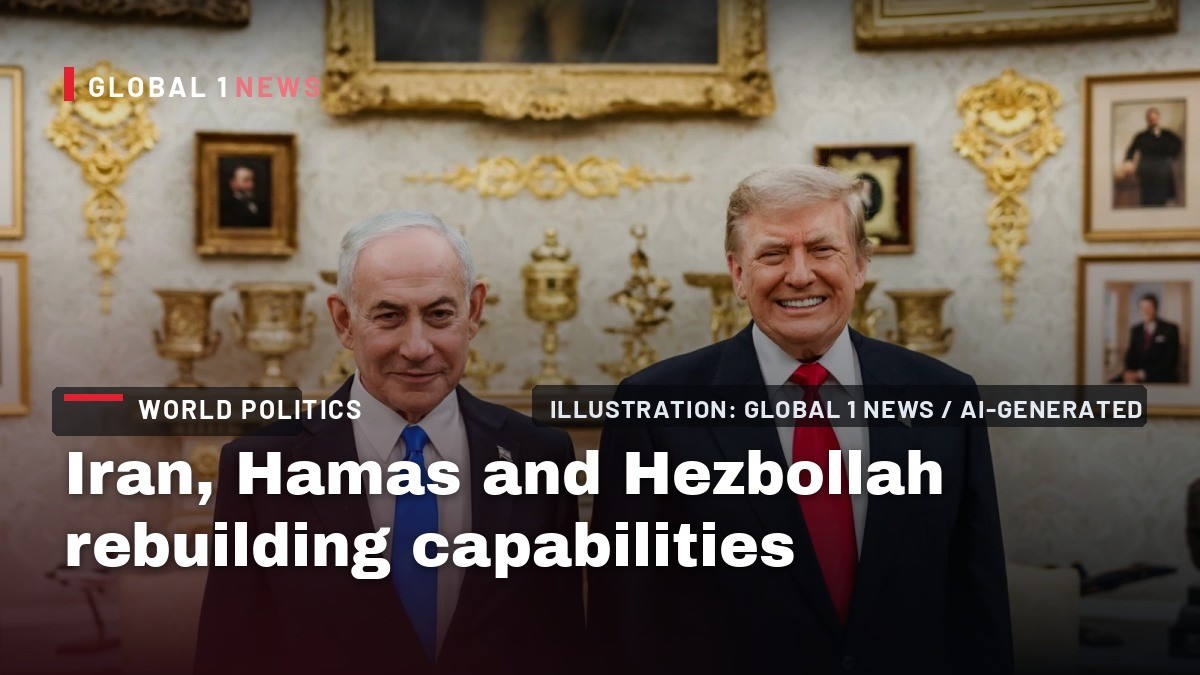
In a JNS TV panel broadcast on 20 October 2026, Israeli Prime Minister Benjamin Netanyahu delivered a stark warning that the United States lacks a clear understanding of Iran's evolving strategic intentions.
In a JNS TV panel broadcast on 20 October 2026, Israeli Prime Minister Benjamin Netanyahu delivered a stark warning that the United States lacks a clear understanding of Iran's evolving strategic intentions. The discussion, moderated by Emily Schrader and joined by Emmy‑award winning journalist Stella Escobedo, indigenous rights activist Ateret Shmuel, and JNS commentator Ruthie Blum, linked Tehran's expanding missile program to broader regional dynamics involving Hezbollah, Hamas and the looming electoral cycles in both Israel and the United States. The panel also turned to unrest in France, suggesting that political turbulence in Europe may compound the challenges facing Western democracies. This article unpacks the key points raised in the report, situating Netanyahu’s alarm within the on‑the‑ground realities of the Middle East and the political calculations shaping Israel’s security posture.
Iran’s Renewed Missile Ambitions and Regional Re‑Armament
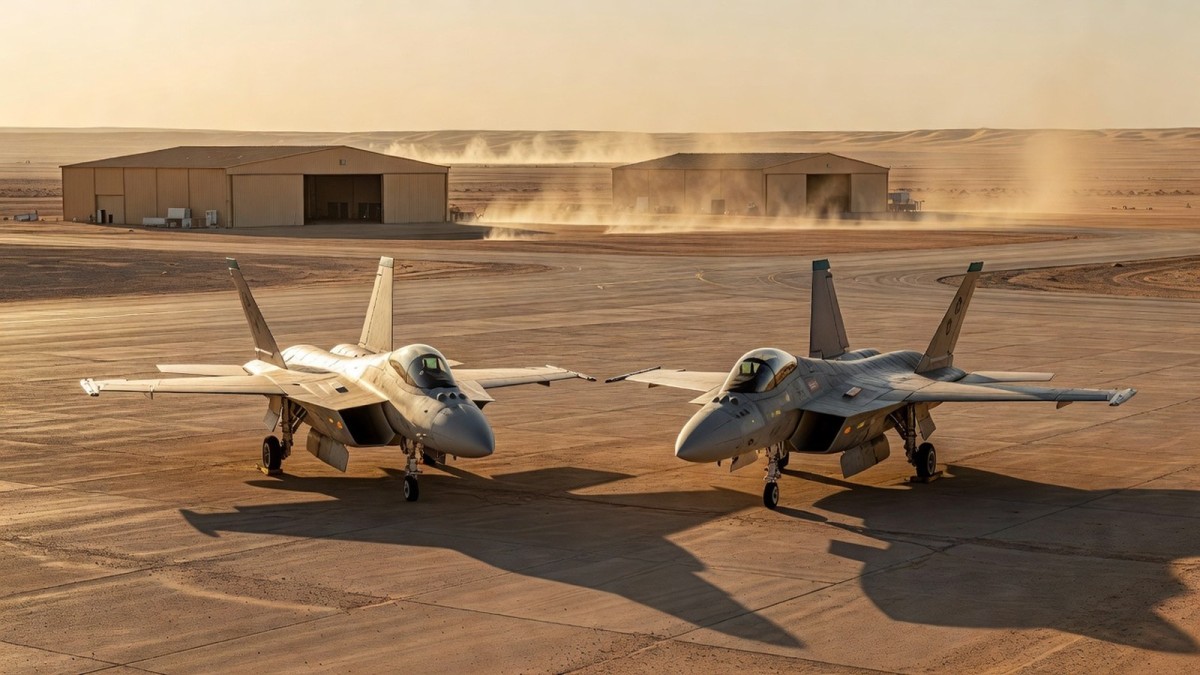
The JNS TV segment highlighted Iran’s concerted effort to rebuild its missile capabilities after years of sanctions and diplomatic pressure. According to the discussion, Tehran is pursuing longer‑range and more accurate systems, a development that directly threatens Israel’s strategic depth and, by extension, U.S. interests in the region. While the video did not specify exact numbers, the panel emphasized that the expansion is part of a broader pattern of re‑armament that includes both Hezbollah in Lebanon and Hamas in Gaza.
Stella Escobedo, drawing on her recent visit to Gaza, noted that the rebuilding of capabilities is not limited to conventional weaponry. She described a “network of supply lines and technical expertise” that is being shared across the axis of resistance, suggesting a coordinated effort to offset Israeli military superiority. This observation underscores the interconnected nature of Iran’s regional strategy, where missile development serves both deterrence and as a bargaining chip in negotiations with the United States and Israel.
Netanyahu’s warning, as reported, hinges on the premise that the United States may be underestimating the speed and scope of Iran’s missile program. The panel argued that a misreading of Tehran’s intentions could leave American cities vulnerable, a point that resonates with ongoing U.S. concerns about missile threats to civilian populations. The implication for Israeli security policy is clear: Israel must maintain robust intelligence and missile defense readiness while urging its ally to recognize the growing danger.
Hezbollah’s Role in the Expanding Threat Landscape
Hezbollah was identified in the video as a critical partner in Iran’s regional calculus. The panel described the Lebanese militia as actively receiving advanced weaponry and technical support, enabling it to enhance its own missile arsenal. This development raises the stakes for Israel’s northern border, where Hezbollah’s rocket capabilities have historically been a flashpoint for conflict.
Ateret Shmuel, speaking from an indigenous rights perspective, linked Hezbollah’s empowerment to broader questions of regional stability. She argued that the militia’s strengthened position not only threatens Israel but also destabilizes Lebanon’s fragile political balance, potentially drawing the country into a larger confrontation. This observation aligns with Israeli intelligence assessments that any escalation along the northern front could force Israel to divert resources from other security fronts.
The panel’s discussion suggested that Hezbollah’s growing firepower is part of a coordinated Iranian strategy to pressure Israel on multiple fronts. By bolstering both Hezbollah and Hamas, Tehran creates a “two‑front dilemma” for Israeli planners, complicating the IDF’s operational calculations and stretching Israel’s missile defense systems. Netanyahu’s warning to the United States therefore reflects a broader Israeli concern that a single, unchecked Iranian strategy could overwhelm regional deterrence mechanisms.
Hamas’ Rebuilding Efforts and the Gaza Front
Stella Escobedo’s firsthand account from Gaza painted a picture of a militant organization in the midst of reconstruction. According to her observations, Hamas is receiving material and technical assistance that enables it to replenish its rocket stockpiles and improve tunnel networks. The panel emphasized that these efforts are part of a larger Iranian‑led initiative to restore the capabilities of all anti‑Israeli groups.
Ruthie Blum highlighted that Hamas’s rebuilding is occurring against a backdrop of political uncertainty in Israel, with elections looming for both Prime Minister Netanyahu and President Trump in the United States. The timing, she suggested, could embolden Hamas to test Israeli defenses, anticipating a possible shift in diplomatic focus away from the Gaza front. This dynamic creates a strategic calculus for the Israeli government: whether to pre‑emptively address Hamas’s capabilities before the electoral season intensifies.
The panel also noted that the rebuilding of Hamas’s arsenal has implications for civilian security in southern Israel. The increased range and accuracy of rockets could threaten larger population centers, prompting the IDF to consider adjustments to its Iron Dome deployment and civil defense protocols. Netanyahu’s warning to America, therefore, is intertwined with Israel’s own concerns about protecting its citizens from an evolving Hamas threat.
Electoral Pressures in Israel and the United States
The JNS TV report connected the regional security challenges to the domestic political calendars of Israel and the United States. Netanyahu, facing a critical election, is portrayed as urging swift action to counter Iranian ambitions before political debates dominate the agenda. The panel argued that a perceived “wait‑and‑see” approach could be politically costly for leaders who must demonstrate decisive security leadership.
Emily Schrader pointed out that President Trump’s upcoming election also shapes the American response to Iran. The panel suggested that U.S. policymakers may be reluctant to commit to a robust stance on Iran while campaigning, potentially leaving a strategic vacuum that Tehran could exploit. This interplay of electoral cycles creates a window of opportunity for Iran to advance its missile program with reduced external pressure.
Both Israeli and American political leaders, according to the discussion, must balance the immediate security imperatives with the long‑term diplomatic strategies that will define their post‑election agendas. Netanyahu’s public warning serves a dual purpose: it signals to the Israeli electorate that he remains vigilant on security, while also urging the United States to recognize the urgency before the next election cycle potentially reshapes U.S. policy.
Unrest in France and the Broader Western Context
The video also turned its lens to Europe, describing widespread demonstrations in France that signal a shift in the cultural and political landscape. The panel linked these protests to a growing sense of political extremism, suggesting that Western societies may be confronting internal divisions that distract from external security threats.
Ateret Shmuel argued that the unrest in France reflects a broader challenge for the West: maintaining cohesion while addressing both domestic grievances and foreign policy pressures. She warned that a fragmented European response could weaken collective security mechanisms, such as NATO, that have historically deterred Iranian aggression. This context, she noted, adds urgency to the calls from Israel and the United States for a coordinated approach.
Ruthie Blum added that the French demonstrations underscore a “changing cultural landscape” that could influence how European governments perceive threats from Iran, Hezbollah and Hamas. If public opinion in Europe becomes more inward‑focused, the willingness to support robust sanctions or military assistance to Israel may wane, potentially altering the strategic balance in the Middle East.
Implications for Israeli Security Policy and Future Outlook
Summarising the panel’s analysis, the JNS TV report presents a picture of a region in flux, where Iran’s missile ambitions, the re‑armament of Hezbollah and Hamas, and political turbulence in the West converge to create a complex security environment. Netanyahu’s warning to America, as highlighted in the broadcast, reflects a broader Israeli assessment that the window for decisive action is narrowing.
From an Israeli perspective, the IDF must prepare for a multi‑front scenario that includes longer‑range missiles targeting major Israeli cities and the potential for coordinated attacks from Hezbollah in the north and Hamas in the south. Strengthening missile defense systems, enhancing intelligence sharing with the United States, and maintaining diplomatic pressure on Iran are identified as priority actions.
Finally, the panel’s discussion underscores the importance of timing. With elections looming in both Israel and the United States, the ability of leaders to act decisively on Iran’s missile program may be constrained by domestic political calculations. As the region watches, the balance between political prudence and security imperatives will shape the next phase of Israel’s defence posture and its relationship with its key ally, the United States.
By Hannah Berg, Staff Writer
This article was produced with AI-assisted research and editorial support. Reporting is based on the source material cited below. Sources: JNS TV video report (20 October 2026); JNS TV; Global1.News
What's Your Reaction?
 Like
0
 Dislike
0
 Love
0
 Funny
0
 Wow
0
 Sad
0
 Angry
0
Israel Correspondent at Global1.News. Based in Tel Aviv, covering Israeli politics, security, technology, and society. Provides balanced, deeply-sourced reporting on one of the most closely-watched regions in the world.










Comments (0)