
Iraq seeks to host talks between Iran and Gulf States in Baghdad
In a region where diplomatic dead‑ends often translate into human suffering, Iraq’s latest overture to bring Iran and the Gulf states together under one roof carries a weight that extends far beyond political posturing.
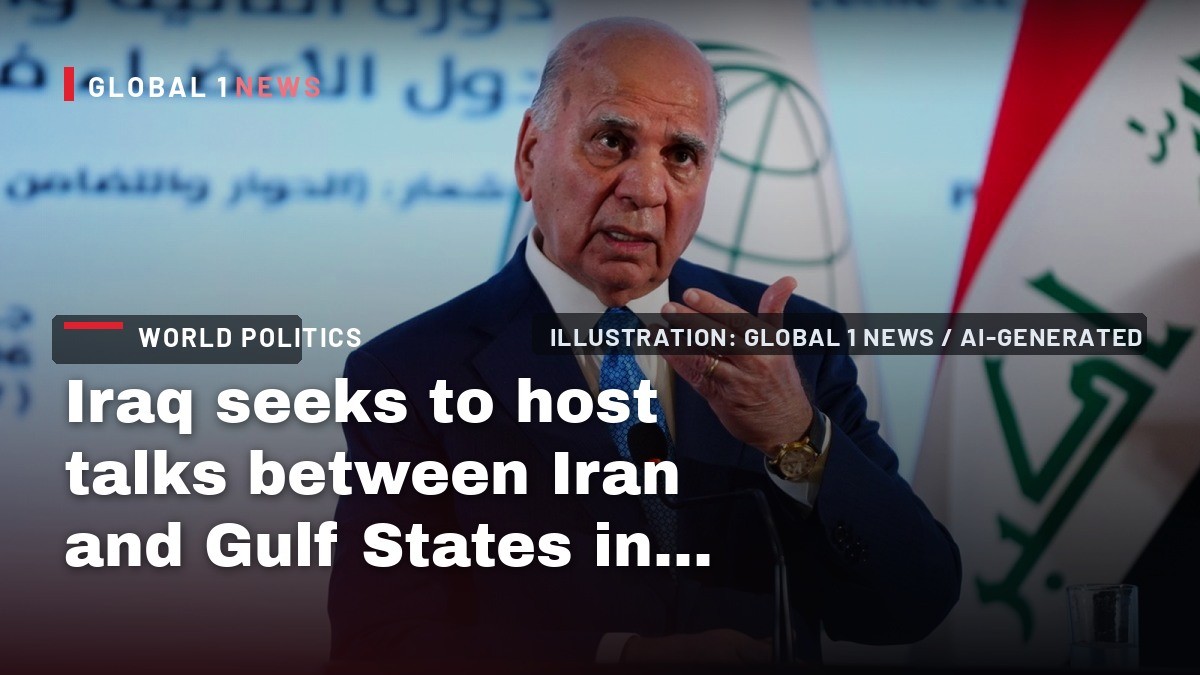
In a region where diplomatic dead‑ends often translate into human suffering, Iraq’s latest overture to bring Iran and the Gulf states together under one roof carries a weight that extends far beyond political posturing. Iraqi Foreign Minister Fuad Hussein announced on 18 October 2026 that Baghdad is preparing to host a meeting between Tehran and the Gulf monarchies, a step he framed as part of broader efforts to narrow differences and bolster regional stability. The proposal emerged at the close of the 52nd session of the Organisation of Islamic Cooperation (OIC) Council of Foreign Ministers, a gathering that underscored the human‑rights dimension of Middle Eastern disputes and highlighted Iraq’s ambition to serve as a conduit for dialogue.
Context of the initiative
The call for a Baghdad‑based dialogue arrives against a backdrop of heightened tensions that have already disrupted everyday life for millions across the Gulf and beyond. Security concerns in the Gulf and the strategic Strait of Hormuz—through which a substantial share of the world’s oil passes—have intensified, threatening not only commercial shipping but also the livelihoods of coastal communities that depend on maritime trade. The OIC’s own statements, issued during the same ministerial session, linked maritime security to broader regional conflicts, underscoring how geopolitical rivalries ripple into the daily realities of fishermen, port workers, and families whose economies hinge on safe navigation.
In a joint statement dated 25 August 2026, Oman and Iran explicitly connected the safety of the Hormuz corridor to the “recent regional conflicts,” calling for consultations among Gulf‑bordering states. This acknowledgment of shared vulnerabilities sets a human‑rights‑focused premise for any diplomatic effort: without secure sea lanes, the basic right to an adequate standard of living is jeopardised for countless citizens.
Fuad Hussein’s diplomatic outreach
Speaking to reporters after the OIC council concluded, Hussein emphasized that Iraq is maintaining “ongoing communications between Iraq, the Gulf states, and Iran aimed at bringing their perspectives closer together.” While he did not disclose the exact format or level of representation that the proposed Baghdad meeting would entail, the very act of positioning Iraq as a neutral facilitator signals a willingness to bridge divides that have historically manifested in proxy conflicts and humanitarian crises.
Hussein’s remarks were delivered alongside a meeting with Iranian Foreign Minister Abbas Araghchi on the sidelines of the OIC session. Their discussion, according to the Iraqi Foreign Ministry, focused on “regional developments and prospects for peace,” reinforcing the notion that Iraq seeks to translate high‑level diplomatic gestures into concrete steps that could eventually ease the suffering of civilians caught in the crossfire of state rivalries.
The OIC’s role and the Baghdad Declaration
The 52nd OIC Council of Foreign Ministers, hosted by Baghdad on 17‑18 October 2026, concluded with the adoption of the “Baghdad Declaration.” Although the full text of the declaration is not reproduced in the source material, its adoption by representatives of 55 member states signals a collective endorsement of dialogue as a cornerstone of the organisation’s agenda. Hussein highlighted that the Palestinian issue remained a central focus throughout the meetings, reflecting the OIC’s broader commitment to human‑rights concerns that intersect with the Gulf’s security dynamics.
OIC Secretary‑General Ismail Ould Cheikh Ahmed pledged to work with Iraq to ensure the implementation of the session’s decisions. This commitment suggests that any forthcoming Baghdad talks between Iran and the Gulf states will not occur in isolation but will be embedded within a larger framework of OIC‑backed initiatives aimed at fostering political and economic cooperation across the Islamic world.
Potential implications for regional stability
If successful, a Baghdad‑hosted dialogue could serve as a confidence‑building measure that eases the atmosphere of mistrust that fuels militarised posturing in the Gulf. By providing a neutral venue, Iraq may help de‑escalate incidents that have, in recent months, threatened the safety of commercial shipping and, by extension, the economic wellbeing of ordinary citizens in port cities such as Bandar Abbas, Kuwait City, and Abu Dhabi.
Moreover, a reduction in maritime tension could translate into fewer disruptions to oil exports, a factor that directly influences global energy prices and, indirectly, the cost of living for households worldwide. While the source material does not specify the exact outcomes expected from the meeting, the emphasis on “narrowing differences” implies an aspiration to move beyond rhetoric toward actionable agreements that mitigate the human cost of insecurity.
Challenges and unanswered questions
Despite the optimism surrounding the proposal, several uncertainties remain. Hussein did not specify a date for the meeting nor the level of representation each side would send, leaving open the possibility that the talks could be limited to lower‑level officials rather than senior decision‑makers. Such a scenario might constrain the capacity of the dialogue to produce substantive policy shifts.
Furthermore, the broader geopolitical environment—characterised by competing interests from external powers and internal political fragmentation within both Iran and the Gulf monarchies—could hinder consensus. The source material notes that Iraq’s own internal challenges, such as the need to disarm militias outside state control, continue to demand attention, potentially diverting resources away from diplomatic facilitation.
Human‑rights perspective on diplomatic engagement
From a human‑rights standpoint, any effort that reduces the risk of armed confrontation in the Gulf and the Strait of Hormuz directly benefits civilians whose lives are disrupted by the threat of naval skirmishes, missile strikes, and the economic fallout of disrupted trade. The OIC’s focus on “Dialogue and Solidarity” as pillars for peace and sustainable development aligns with the universal right to security and an adequate standard of living.
By positioning itself as a mediator, Iraq signals a recognition that diplomatic pathways can alleviate the suffering of ordinary people more effectively than military solutions. The emphasis on “bringing perspectives closer together” acknowledges the multiplicity of narratives that shape regional politics, a necessary step toward inclusive peace that respects the dignity of all affected populations.
Looking ahead: what success might look like
Should the Baghdad talks materialise and yield concrete agreements—such as confidence‑building measures on maritime security, joint mechanisms for crisis communication, or frameworks for economic cooperation—the ripple effects could be profound. Communities along the Persian Gulf coast could experience a reduction in the fear of sudden conflict, enabling them to invest in local enterprises and rebuild infrastructure damaged by past hostilities.
In the longer term, a sustained dialogue platform could evolve into a regularised forum for addressing not only security concerns but also broader humanitarian issues, including the plight of displaced persons, the protection of cultural heritage, and the promotion of economic opportunities for youth. The OIC’s endorsement of Iraq’s chairmanship and its commitment to follow up on the Baghdad Declaration provide an institutional backbone that could help ensure that any diplomatic breakthroughs are translated into lasting, people‑centred outcomes.
This article was produced with AI-assisted research and editorial support. Reporting is based on the source material cited below. Sources: Middle East Monitor; middleeastmonitor.com; Global1.News (20 October 2026).
By Fatima Al-Rashid, Staff Writer
What's Your Reaction?
 Like
0
 Dislike
0
 Love
0
 Funny
0
 Wow
0
 Sad
0
 Angry
0
Gulf/MENA Correspondent at Global1.News. Based in Doha, covering Gulf politics, energy markets, diplomacy, and development across the Middle East and North Africa. Tracks the economic transformation of the Gulf states.









Comments (0)